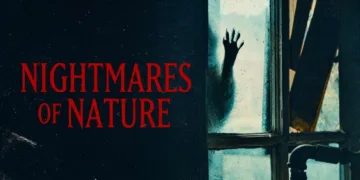








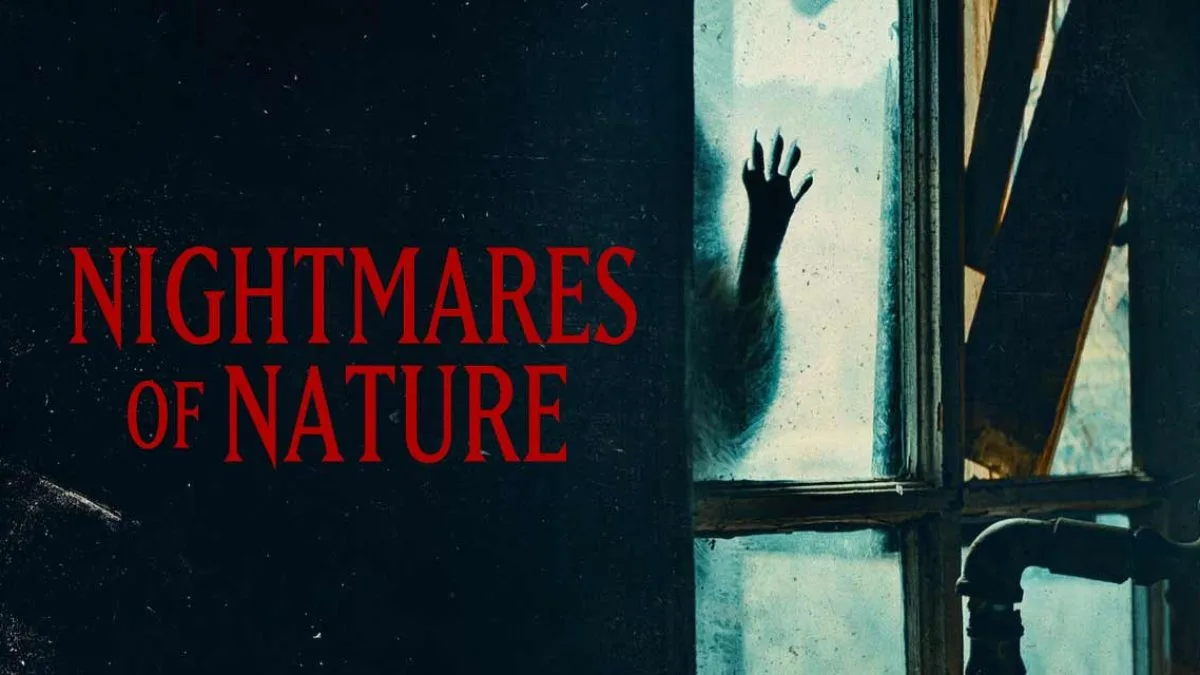

The natural world, we are often told, is a place of serene beauty and majestic wonder. Nightmares of Nature proposes a different, more honest, and far more unsettling truth: nature is a relentless horror show. This series is a potent symptom of our current media moment, a time when even the staid format of the wildlife documentary must be injected with the high-concept adrenaline of a genre film to capture our fractured attention.
The project is a curious fusion of sensibilities, born from the collaboration between Blumhouse, the twenty-first century’s most prolific horror factory, and Plimsoll Productions, a purveyor of traditional natural history. The first season, “Cabin In The Woods,” signals its genre allegiance with its very title.
We are introduced not to a majestic pride of lions or a pod of whales, but to the world’s forgotten protagonists: a pregnant mouse, a young raccoon cast out from his family, and a small bullfrog haunted by what he has witnessed. Their fight for survival is presented without romanticism. It is a raw, terrifying, and deeply cinematic ordeal where the monster under the bed is simply the next link in the food chain.
A Symphony of Dread
To achieve its unsettling atmosphere, the series meticulously deconstructs the visual and auditory language of the nature special and reassembles it using the blueprint of a horror film. Gone are the sweeping aerial shots and patient, observational compositions. In their place, the cinematography deploys techniques meant to induce anxiety.
The camera remains uncomfortably close to its subjects, creating a profound sense of claustrophobia that makes the vast wilderness feel like a cramped and inescapable room. The editing favors abrupt cuts and jarring shifts in perspective, mimicking the startling effect of a jump scare. The lighting choices amplify this feeling, often plunging the screen into near darkness where predators lurk just beyond our sight.
The sound design is a masterclass in manipulation. It uses silence as a weapon, letting the quiet moments stretch until they become unbearable with anticipation. When the score does appear, it is a low, persistent thrum of dread. The show’s genius for unnerving juxtapositions is clear in a sequence that scores footage of a rotting animal carcass with a warped, slowed-down recording of “Teddy Bears’ Picnic.”
Also Read




The auditory choice transforms a simple scene of decay into a macabre statement on the corruption of innocence, a theme central to many horror narratives. Through this lens, the forest becomes a slasher’s hunting ground, governed by its own brutal set of rules where the weak are systematically targeted and eliminated. The hatching of alligator eggs is not a miracle of life but the grotesque birth of monsters, their wet bodies emerging from leathery shells like something from a space horror film.
Manufacturing Monsters and Heroes
A story requires characters, and Nightmares of Nature cleverly manufactures them from the raw material of animal instinct. The choice of Maya Hawke to narrate this dark fairytale is a calculated and culturally astute one. Her voice carries the cachet of a modern pop culture icon, immediately signaling to a younger, media-savvy audience that this is not their parents’ documentary.
Her delivery is a study in contrasts, a smooth and almost soothing whisper that describes acts of shocking brutality. This dissonance is key to the show’s effect, creating a hypnotic mood that pulls the viewer deeper into its grim world. Hawke’s role is not to inform but to interpret, to ascribe motive and emotion where there is only instinct, thereby turning a desperate raccoon into a relatable lonely wanderlust.
The series further complicates its relationship with reality through its upfront disclaimer that certain scenes are “dramatized.” This admission of artifice is a strikingly contemporary gesture, reflecting an era of curated realities where audiences knowingly accept constructed narratives as authentic. The show is aware it is a performance. This allows it to lean into classic horror tropes without apology, as its animal heroes eventually find their way to a secluded cabin.
The season’s final narrative turn reveals the ultimate monster to be the humans arriving in a car, a potent piece of commentary that implicates the viewer in the horror. It is a powerful subversion of both genres, suggesting the most terrifying threat is not a wild beast but the quiet, encroaching presence of human civilization.
Empathy in a Vicious Cycle
Ultimately, the series is not a successful horror enterprise if success is measured in genuine frights. The audience’s awareness of the footage’s natural origins creates a paradoxical effect; the reality of the violence prevents the escapist terror that fictional horror provides. As a documentary, it is informative, yet the facts it dispenses about animal life feel almost incidental to its primary goal of generating a specific emotional response.

The show’s true, radical achievement lies in this emotional engineering. It performs a kind of representational justice for the animal kingdom’s most overlooked members. Traditional nature programs condition us to admire the powerful and the majestic, the predators at the top of the food chain. This series wrenches our perspective down to the forest floor, forcing us to identify with the hunted, the small, and the vulnerable.
By framing a mouse’s struggle as an epic of survival, it demands that we see her life as significant. This shift in focus is the show’s most lasting and important contribution. It uses the commercial, often exploitative, language of a popular film genre to foster a profound and challenging empathy, asking us to reconsider our own place in a world far more brutal than we care to admit.
Nightmares of Nature is a two-season docuseries created by Blumhouse Television and Plimsoll Productions, which fuses natural history filmmaking with the suspense and structure of the horror genre. The series, narrated by actress Maya Hawke, follows different animal protagonists as they navigate the real-life horrors and dangers of the natural world. Season 1, titled Cabin in the Woods, premiered on Netflix on September 30, 2025, and follows a pregnant mouse, a raccoon, and a froglet in the North American woods. Season 2, Lost in the Jungle, is scheduled to follow on October 28, 2025, featuring an opossum, a hatchling iguana, and a jumping spider in the Central American rainforest. Both seasons stream exclusively on the Netflix platform.
Full Credits
Director: Nathan Small, Charlotte Lathane
Producers and Executive Producers: Jason Blum, Martha Holmes, Mark Brownlow, Grant Mansfield, Gretchen Palek, Matt Sarshik, Doug Mackay-Hope, Chris McCumber
Cast: Maya Hawke, Pregnant Mouse, Bachelor Raccoon, Froglet, Young Opossum, Hatchling Iguana, Jumping Spider
The Review
Nightmares of Nature
Nightmares of Nature is less a successful horror show and more a radical media experiment. By applying the cinematic language of dread to the natural world, the series trades genuine frights for something more profound: a forced shift in perspective. Its true innovation is not in making nature scary, but in making the small and vulnerable feel monumentally important. This series is a clever, self-aware piece of television that uses its genre-hybrid format to foster an unsettling empathy, challenging viewers to look closer at the brutal, beautiful systems they often ignore.
PROS
- An innovative concept that blends the nature documentary and horror genres.
- Exceptional cinematography and sound design create a unique and tense atmosphere.
- Effectively generates empathy for small, often overlooked animal subjects.
- Provides a thought-provoking commentary on humanity's role in the ecosystem.
- Features a self-aware narrative style and culturally resonant casting.
CONS
- Unlikely to be genuinely frightening for experienced horror viewers.
- The educational aspect can feel secondary to the horror-film styling.
- The use of "dramatized" scenes may undermine the sense of authenticity for some.
- The need to fit animal behavior into a horror plot can feel artificial at times.