

















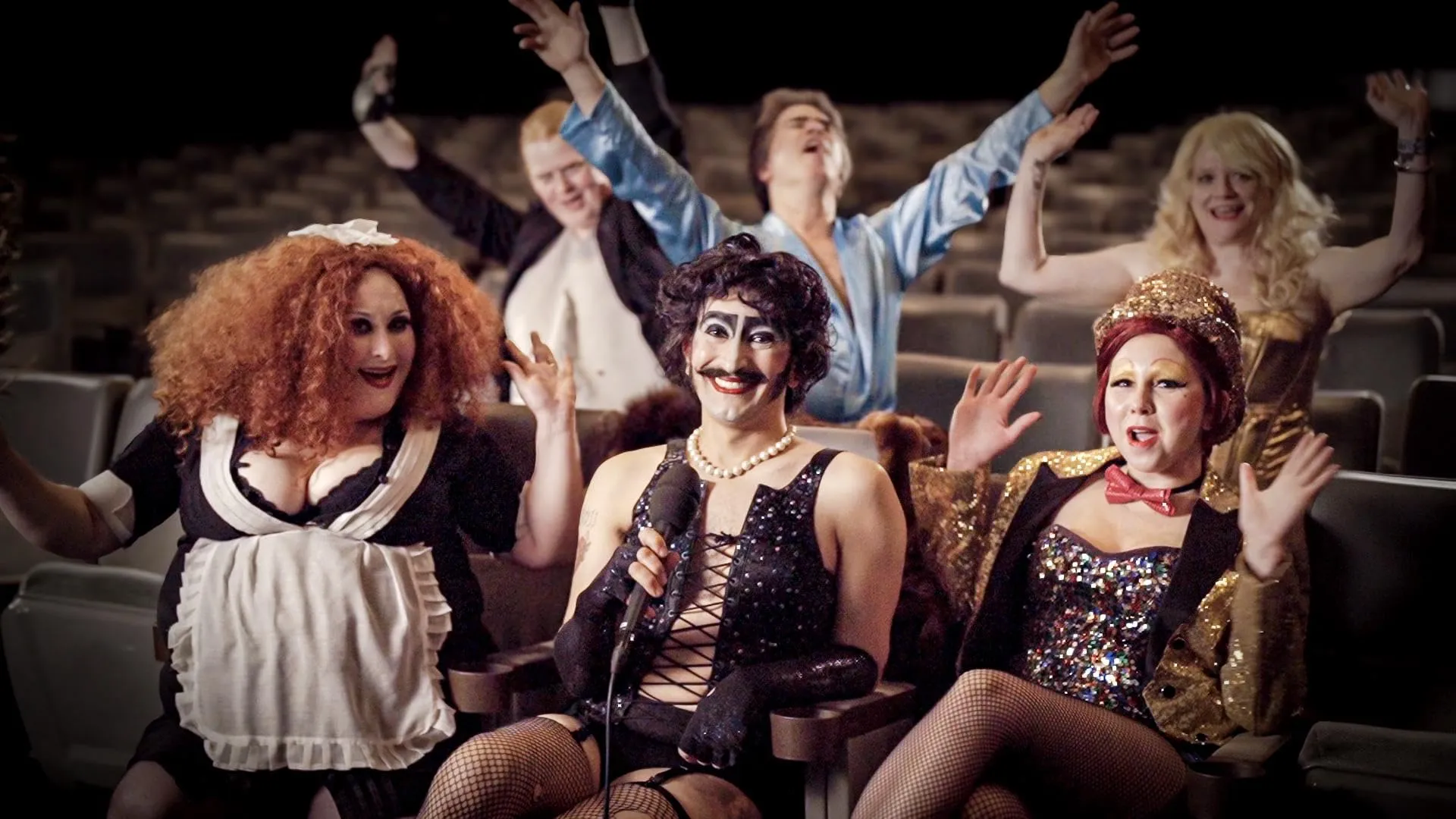

Long before video games gave us shared worlds and interactive narratives, there was The Rocky Horror Picture Show. It was a different kind of game, one played not with a controller but with toast, water pistols, and a full-throated retort screamed at the screen. The documentary Sane Inside Insanity serves as a fifty-year retrospective of this phenomenon, chronicling a story that feels both utterly unique and strangely prescient. The film presents a detailed history of the property’s journey from a tiny experimental stage play to a global ritual.
Director Andreas Zerr offers a historical record that digs into the mechanics of how a commercial failure became an enduring symbol of liberation and self-expression. This is not just a behind-the-scenes look at a cult movie. It is an investigation into a piece of art that accidentally handed its source code over to the players, allowing them to modify, expand, and ultimately define the experience for generations. It is the story of how an audience became the ultimate developer.
A Lucky Accident
The documentary effectively portrays the creation of the original 1973 stage play as an act of wonderfully chaotic energy. Set in a small, cramped room above London’s Royal Court Theatre, Richard O’Brien’s show was born from a spontaneous and experimental spirit, tapping directly into the subversive energy of the glam rock era. The film frames its initial success as an improbable event, a true lightning in a bottle moment that was never designed for mass appeal.
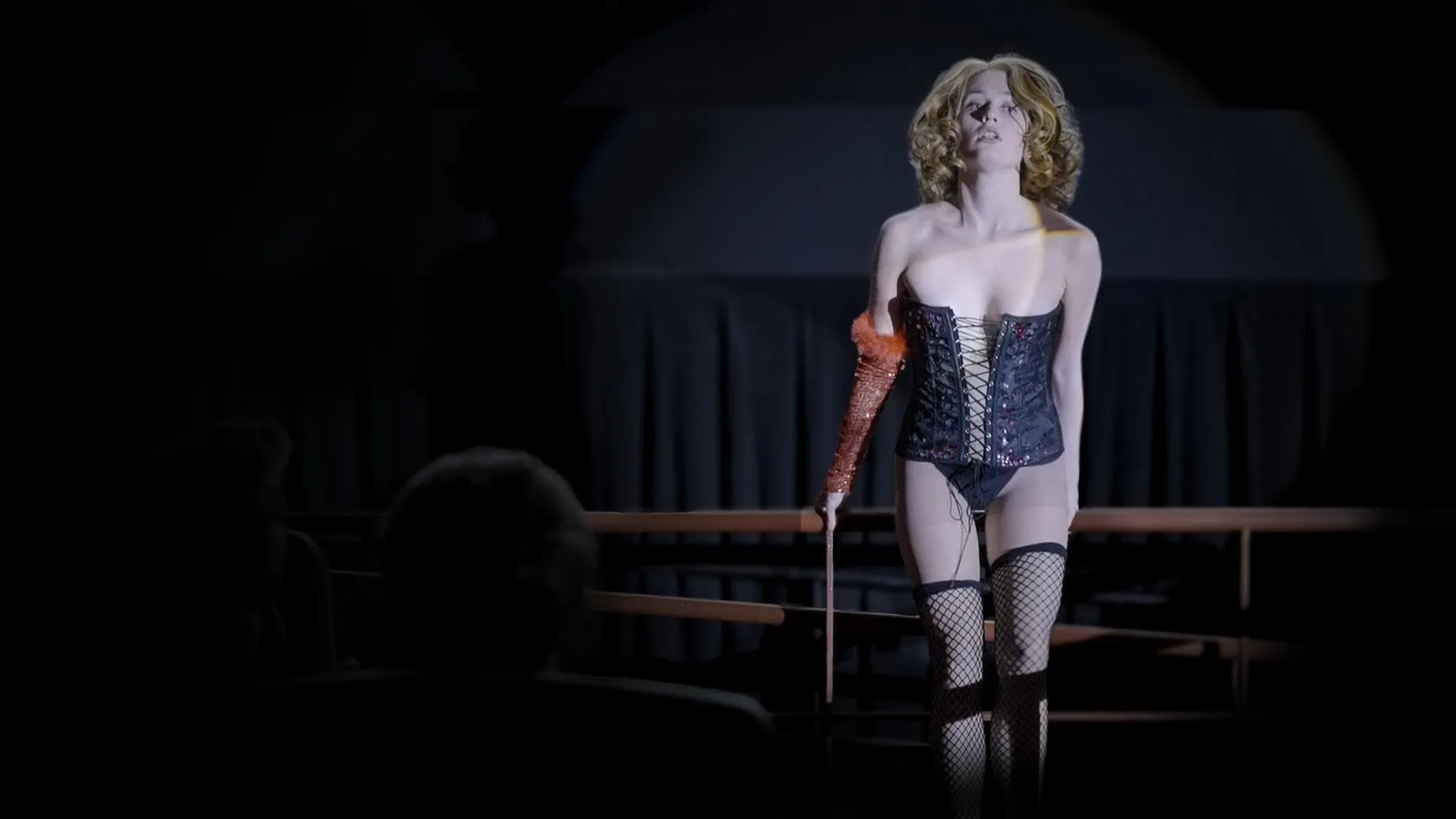
Anecdotes from the original cast and crew reinforce this feeling of accidental genius. Learning that the iconic dance number “The Time Warp” was a last-minute addition, created quickly during rehearsals, feels less like a fun fact and more like the project’s central philosophy. That scrappy, unplanned magic, however, did not survive the transition to a Hollywood film set. The documentary then details the 1975 adaptation, explaining how 20th Century Fox executives were utterly bewildered by what they were funding.
The film includes a telling story of studio heads visiting the set during the chaotic swimming pool scene and leaving appalled, unable to comprehend the messy, queer energy they saw. Their lack of faith and fundamental misunderstanding led to the movie’s initial box-office failure, a critical plot point in the Rocky Horror story that set the stage for its unconventional resurrection.
The Audience Takes the Stage
The true emotional core of Sane Inside Insanity is its exploration of how fans completely redefined the film’s purpose. The documentary chronicles the rise of midnight screenings, where the audience began to interact with the movie in ways no one could have planned. This was not passive viewing; it was an emergent form of live-action role-playing.
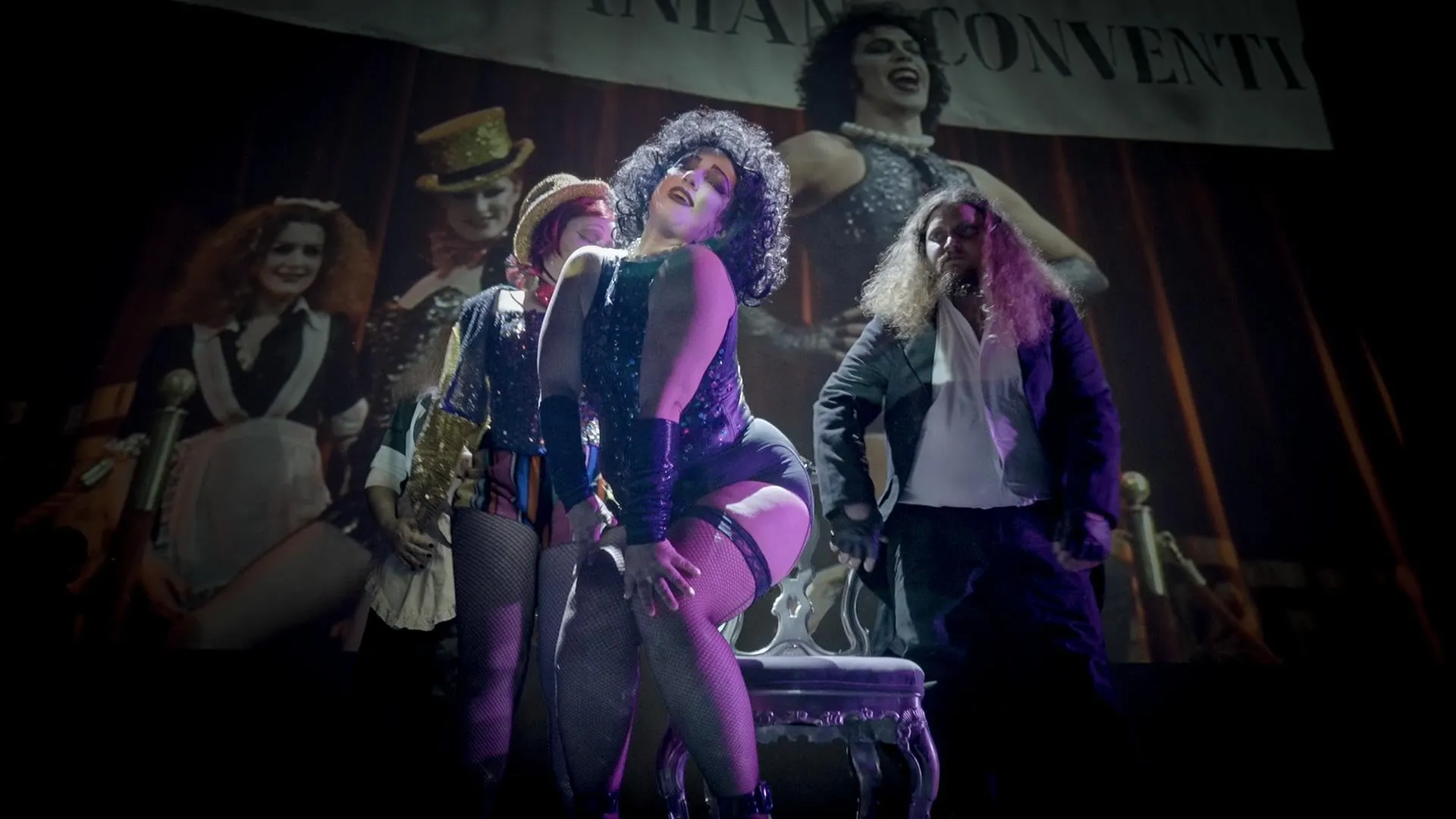
The film details the organic development of audience participation rituals, which function like a complex set of game mechanics. The call-backs are a player-generated script, a dialogue tree that expands with every screening. The coordinated use of props—rice at the wedding, newspapers over the head during the storm—operates as a set of real-world interactive prompts. The documentary powerfully argues that these participatory loops were about more than just fun.
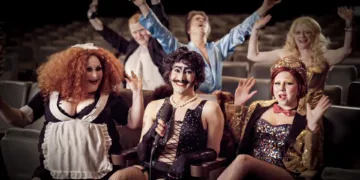
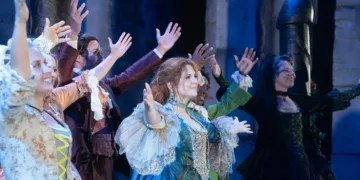
They fostered a deep sense of community and acceptance, turning theaters into sanctuaries for anyone who felt like an outsider. This communal experience is best exemplified by the “shadow casts,” dedicated fan groups who perform the film in costume as it plays behind them. This tradition solidified the film’s interactive nature, completely erasing the line between spectator and performer and turning a linear movie into a dynamic, endlessly replayable event.
The Business of Absolute Pleasure
While celebrating the community, the documentary also presents a clear-eyed look at the complicated legacy behind the phenomenon. It pulls back the curtain on the harsh realities of the entertainment industry, detailing how actors like Susan Sarandon and Barry Bostwick received minimal pay for their iconic roles, with no royalties to follow their decades of unexpected success.
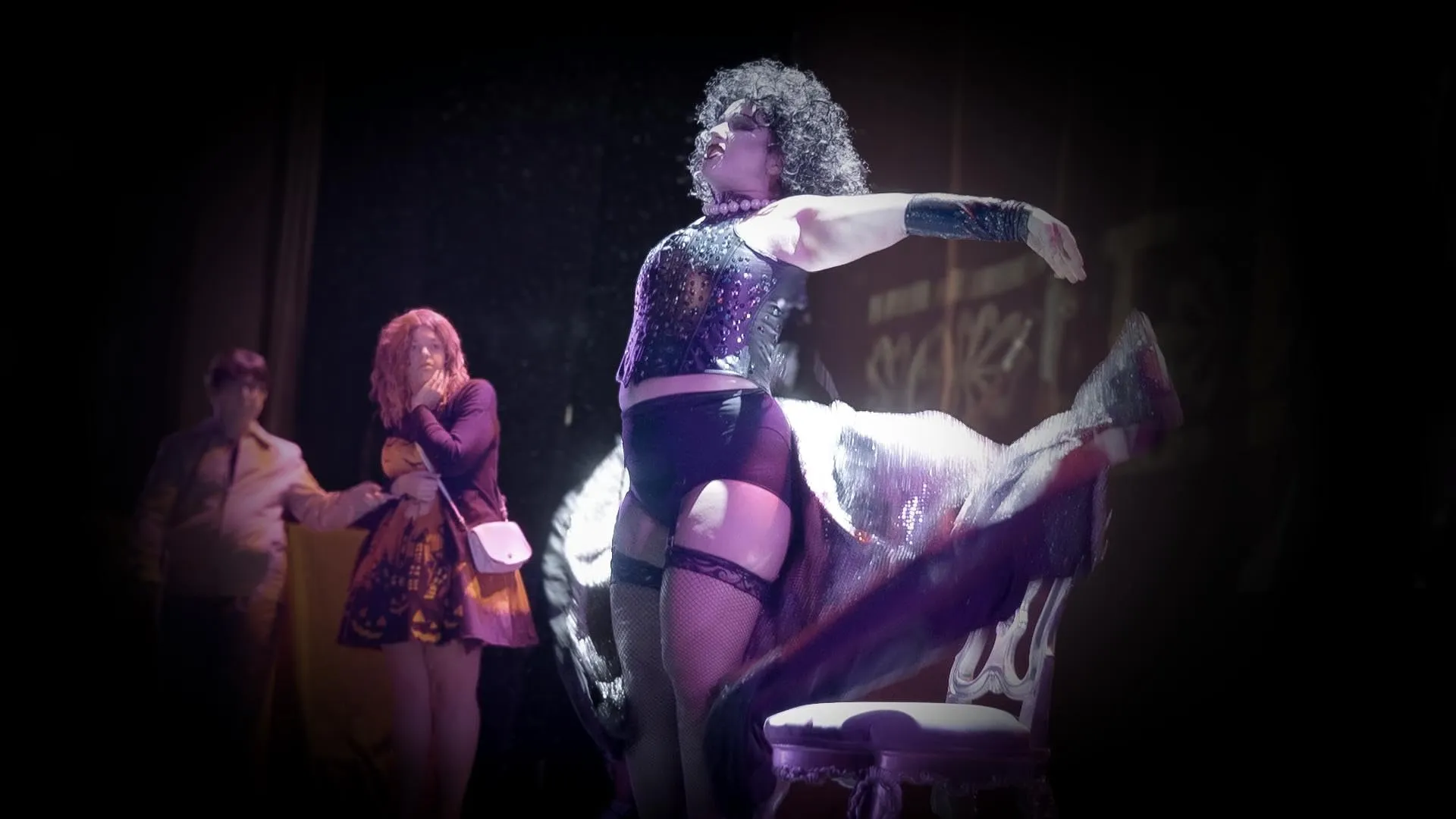
This “warts-and-all” approach extends to the business dealings that saw some of the original producers lose out on the massive profits generated by the dedicated cult following. The film then casts a critical eye on how the Rocky Horror brand has been managed over the decades. Interviewees express a feeling that modern stage productions have become too clean and commercial, losing the raw, dangerous energy of the original. This critique is a familiar story of an indie creation being sanitized for mass consumption.
The documentary reserves particular disdain for the 2016 television remake, presenting it as a soulless imitation that copied the aesthetics but misunderstood the core spirit. It powerfully questions whether the authentic, chaotic soul of Rocky Horror can truly survive corporate packaging. The film’s comprehensive story is only slightly diminished by its one key absence: new, direct participation from the creator, Richard O’Brien, whose silence feels like a poignant missing piece in the history he started.
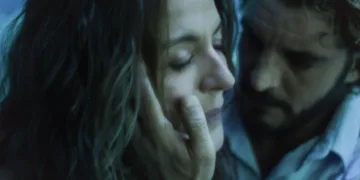
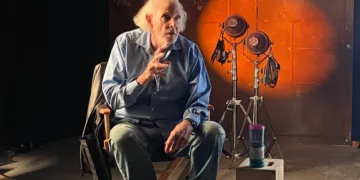
Sane Inside Insanity: The Phenomenon of Rocky Horror is an in-depth documentary directed by Andreas Zerr that chronicles the history and cultural impact of The Rocky Horror Picture Show to mark its 50th anniversary. The film, which was completed in 2025 and had its English premiere at FrightFest London, features over 80 interviews conducted across a decade with original cast members like Patricia Quinn, Nell Campbell, and Barry Bostwick, as well as creative team members, fans, and historians. It explores how the low-budget stage play evolved into one of cinema’s most enduring cult classics and a touchstone for the LGBTQIA+ community. World sales for the documentary are handled by SCREENBOUND INTERNATIONAL PICTURES LTD.
Full Credits
Director: Andreas Zerr
Writers: Andreas Zerr
Producers and Executive Producers: Andreas Zerr, Peter Gilbert Cotton
Cast: Barry Bostwick, Patricia Quinn, Nell Campbell, Jamie Donnelly, Sky du Mont, Lou Adler, Christopher Biggins, Jim Sharman, Richard Hartley, Daniel Abineri
Director of Photography (Cinematographer): Andreas Zerr, Tilo Burmeister, Gordon Volk
Editors: Andreas Zerr
Composer: Modo Bierkamp
The Review
Sane Inside Insanity: The Phenomenon of Rocky Horror
Sane Inside Insanity is a definitive and loving chronicle of a cultural anomaly. It succeeds by treating the audience not as a footnote but as the main characters in the Rocky Horror story, brilliantly analyzing how they transformed a failed movie into a living, breathing ritual. While unflinchingly honest about the harsh realities of the business, its core is a celebration of the community and self-expression that the film inspired. For fans, it is essential viewing; for everyone else, it is a fascinating study of how art and audience can create something new together.
PROS
- A comprehensive and detailed history of the stage show and film.
- Excellent exploration of the fan culture and interactive audience phenomenon.
- Provides an honest, "warts-and-all" look at the business side of the production.
- Features a wealth of archival footage and insightful interviews.
CONS
- The absence of new interviews with creator Richard O'Brien is a noticeable omission.
- May be less engaging for viewers with no prior interest in the subject matter.