























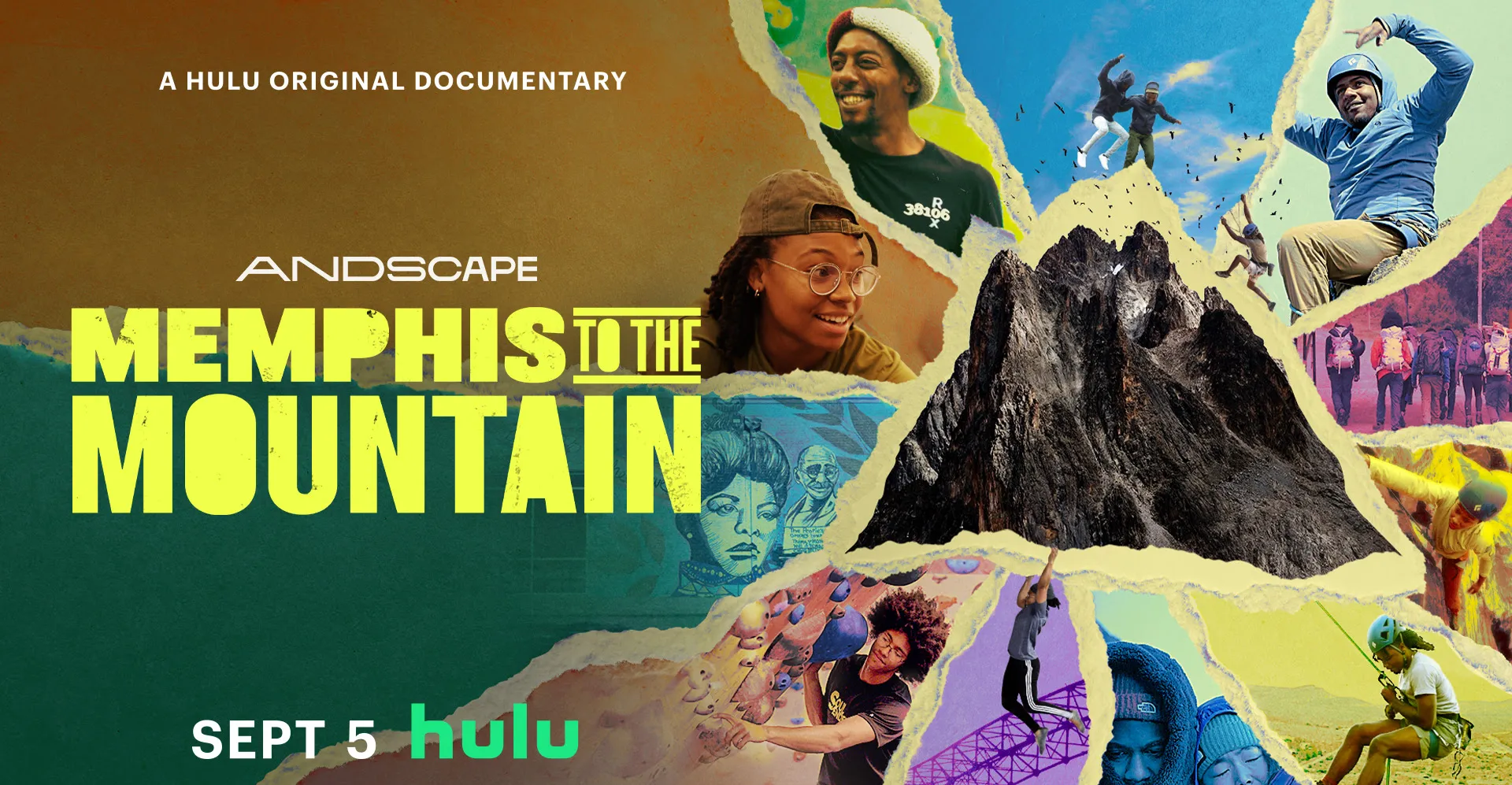

Memphis to the Mountain, a three-part docuseries on Hulu, starts its climb in Soulsville, far from any snow line. This South Memphis neighborhood, famous for its deep history in soul music, now faces present-day poverty and street violence. Into that pressure cooker walks Memphis Rox, a non-profit climbing gym and community center created as a safe haven and constructive outlet for local residents.
The series sets its stakes early. A group of regular Rox climbers fix their focus on an enormous physical challenge: an ascent of Mount Kenya, Africa’s second-highest peak at over 17,000 feet. The emotional load they carry from home gives that goal extra weight. An opening dedication to Jarmond Johnson, one of the climbers later killed in South Memphis after production, underlines the real dangers outside the gym and frames Rox as a necessary shelter long before the team reaches high altitude.
The Ground Floor of Grace
The docuseries presents the Memphis Rox community as a lifeline. Co-founded by community organizer Chris Dean and film director Tom Shadyac, the center appears as a supportive, healthy space, a deliberate shield from the chaos of street violence. The show’s emotional pull comes directly from the people who train there.
Mike Lee describes how his life steadied after he found immediate welcome and community at Rox following a period of high school dropout and homelessness. Quinton Onidas speaks openly about gang life and drug use in his past and describes his current drive toward personal greatness. Dean offers a clear philosophy, describing rock climbing as a practice whose difficulties mirror life’s own challenges.
He notes that the sport’s focus on care, motivation, and love fits the Black community’s spirit and helps dismantle earlier limiting perceptions. The core climbing team, made up of Mike, Quinton, Brittany Luckett, DJ Johnson, Isaiah Henderson, Pei Lin, Jojo Brown, and Jarmond Johnson, works as a tight, supportive ensemble, a cross-section of the neighborhood bound together by the wall.
The Rugged Road to Altitude
The series narrows its dramatic focus by lingering on the demanding preparation needed for the African expedition. The team commits to two major training trips. The first, an immersive outdoor trip to Colorado led by veteran educator Phil Henderson, tests their endurance immediately.
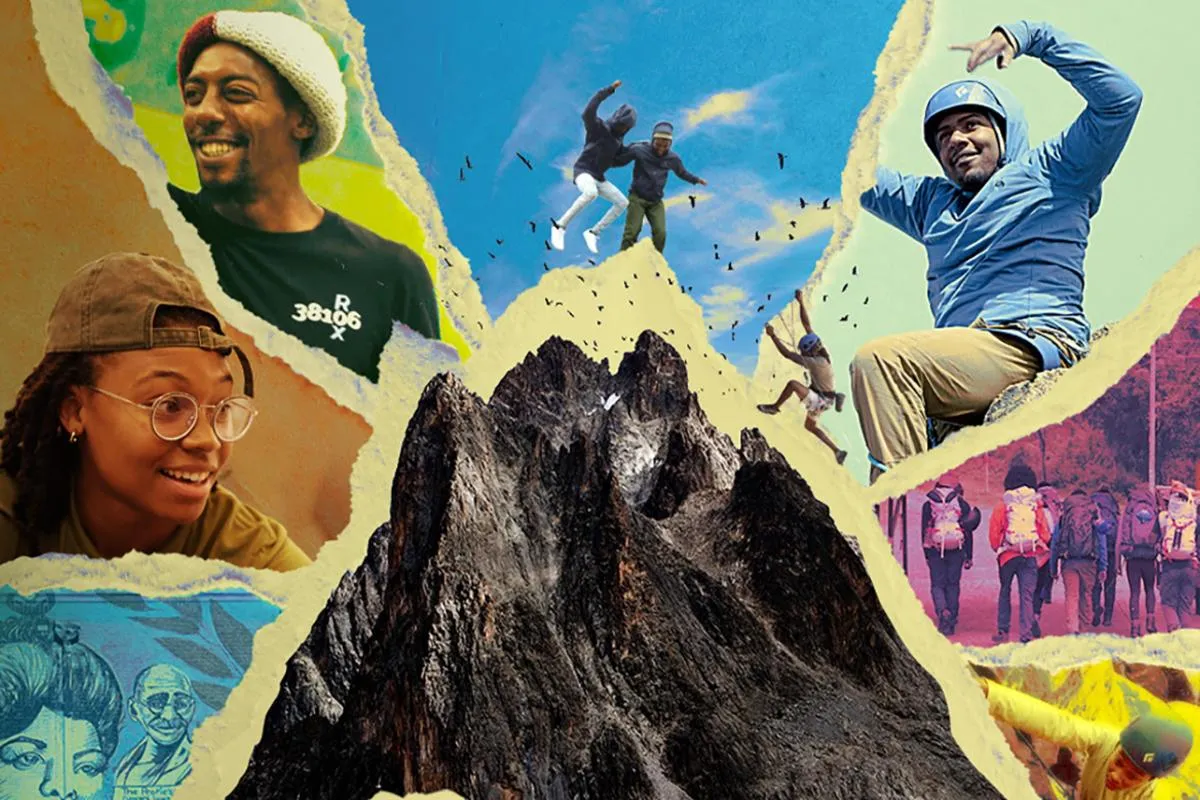
They struggle with thin air and hard physical effort, a needed humbling before confronting the size of Mount Kenya. Later, in Las Vegas, they train with renowned big wall climber Alex Honnold, whose brief appearance adds clear weight to their physical commitment. The preparation introduces a striking distinction that the series stresses.
Mountain guide Peter Naituli describes toughness born from surviving urban hardship alongside toughness born from nature, a distinction that hangs over every shot of the group staring up at the rock. Mount Kenya appears as a looming, formidable presence. The training sequences emphasize mentorship and trust, as the team steps beyond its neighborhood comfort zone to build the mental and physical strength required for high-altitude, low-oxygen climbing.
Style, Soul, and Scale
Memphis to the Mountain uses a style of quiet urgency and respect. The editing stays crisp, and the tone rests on a “lightly funky Hammond organ soul” soundtrack. That musical choice keeps the series rooted in Soulsville culture even while the story reaches across continents. Director Zachary Barr avoids exploitation or performative angles, choosing a patient, carefully considered view of his subjects’ honest accounts of their own lives. The cinematography picks up the physical drama with care.
Tight shots of climbers stretching for “impossibly stretched” holds in the gym sit beside images of mountain landscapes that look vast and imposing. The storytelling turns the emotional scale of classic mountaineering epics into an intimate and approachable narrative. The value of the climb sits in the attempt itself, in climbers who face fear and chase meaningful, positive change, with the summit framed as an open possibility that lingers behind every frame.
Memphis to the Mountain is a three-part docuseries that premiered on Hulu on September 5, 2025. The series chronicles the inspiring journey of a group of young climbers from the Memphis Rox community center, a non-profit climbing gym in the underserved Soulsville neighborhood of South Memphis. It follows their year-long training and audacious goal to summit the 16,000-foot rock tower of Mount Kenya in Africa. The series is available to stream on Hulu, telling a powerful story of personal transformation, social commentary, and extreme athletic endeavor.
Full Credits
Title: Memphis to the Mountain
Distributor: Hulu
Release date: September 5, 2025
Rating: TV-MA
Running time: 3 episodes (Miniseries)
Director: Zachary Barr
Producers and Executive Producers: Tom Shadyac, Kelley L. Carter, Jason Aidoo, Peter Mortimer, Josh Lowell, Chris Dean, Nick Rosen
Cast: Mike Lee, Quinton Onidas, Jarmond Johnson, Brittany Luckett, DJ Johnson, Isaiah Henderson, Pei Lin, Jojo Brown, Alex Honnold, Philip Henderson
The Review
Memphis to the Mountain
This series is an exceptional exhibition on community, resilience, and the relentless pursuit of personal growth. The docuseries uses the vertical walls of a climbing gym and an African mountain as powerful backdrops for stories of overcoming urban adversity. Its respectful and honest storytelling, coupled with cinematic visuals, provides genuine inspiration. It is a deeply affecting portrait of individuals finding strength together.
PROS
- Authentic and emotionally resonant personal narratives.
- Strong emotional impact anchored by a supportive team dynamic.
- High production value, especially the breathtaking Mount Kenya sequences.
- Respectful, non-exploitative direction and tone.
- Excellent soundtrack grounding the series in Soulsville culture.
CONS
- The subject matter includes elements of real tragedy, which can be difficult for some viewers.
- The dramatic scale contrast between the intimate gym setting and the colossal mountain sometimes shifts the narrative focus sharply.