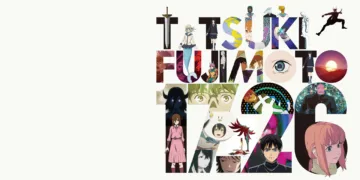


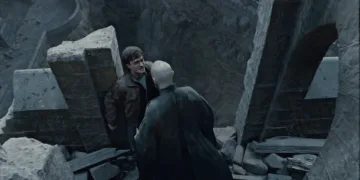

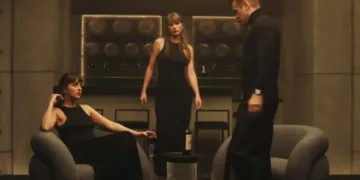
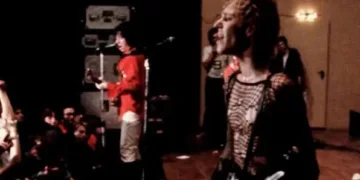

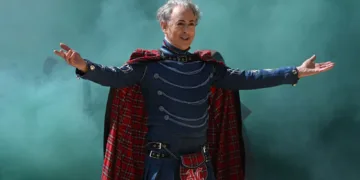
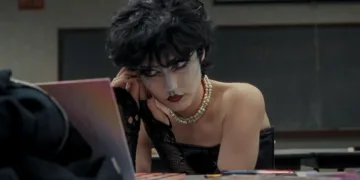


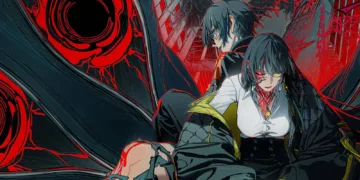
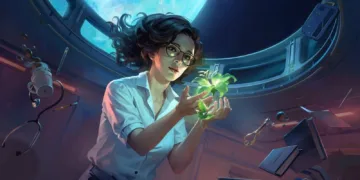
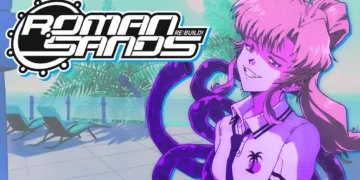
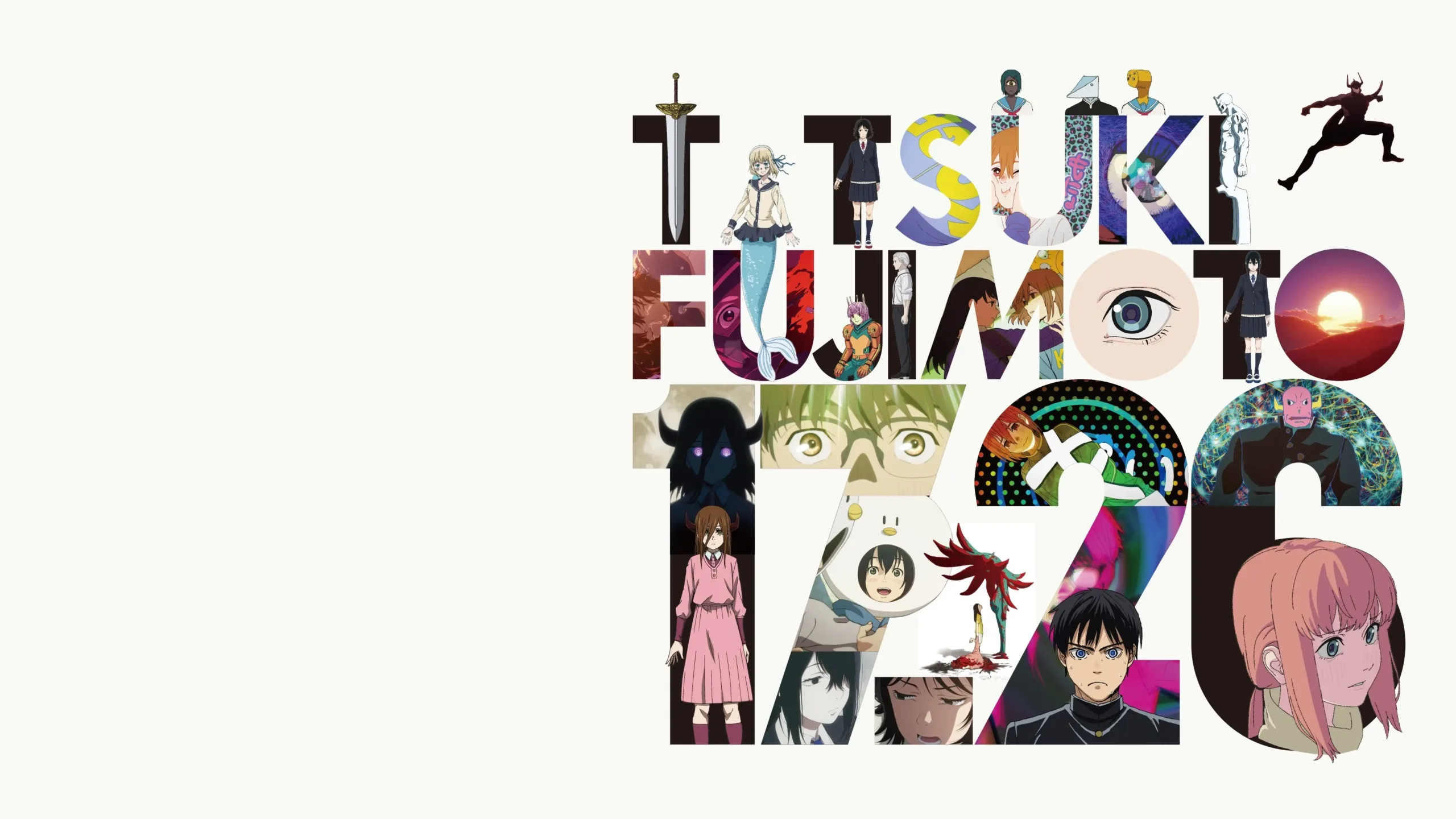

Tatsuki Fujimoto 17-26 arrives as an eight-episode anime anthology that offers a vivid look into the creative genesis of one of modern manga’s most provocative authors. The series adapts a set of early short stories written by Tatsuki Fujimoto between the ages of 17 and 26. Before Fire Punch and Chainsaw Man reached global audiences, these tales functioned as a chaotic, experimental workshop.
The tone moves between surreal, darkly comic, brutal, and tender. The retrospective invites viewers who want to observe early creativity, thematic interests, and a genre-bending approach that would later define a celebrated career. The shorts range across sci-fi, fantasy drama, romantic comedy, and psychological horror, and each entry arrives with an unpredictable edge.
Challenging the Streamscape: The Anthology as Anti-Formula
The decision to present this material as an anthology aligns with an emerging television trend that resists the long-form, serialized model often favored by streaming platforms. Multiple studios and directors, including Zexcs, Lapin Track, and Studio Kafka, create a kaleidoscope of distinct art styles and moods.
The collaborative setup challenges traditional production hierarchies and brings lesser-known talents into view. The animation consistently lifts the source material, which often displayed the raw, developing line work of a young creator. Emphasis on detail, color, and craft affirms animation as a potent, standalone art form that does not serve as a simple blueprint for live action.
The opening short, “A Couple Clucking Chickens Were Still Kickin’ in the Schoolyard,” delivers frenetic carnage and high-octane action associated with the author. It uses fluid alien transformation sequences and combines 2D work with unexpected real-world video elements, including a quick glimpse of an actual chicken.
“Woke-Up-as-a-Girl Syndrome” turns to a stylized presentation, quick cuts, and colorful visuals from Studio Kafka to amplify humor and absurdity. Entries like “Shikaku” and “Nayuta of the Prophecy” intensify striking manga images, landing gore-slicked nightmares and clear apocalyptic spectacle with conviction.
Social Textures and Unfiltered Ideation
This collection serves as rich material for cultural analysis and allows viewers to trace the roots of signature themes. Familiar elements appear early, including the proximity of love and hyperviolence and the coupling of the fantastic with the mundane. The stories track eccentric, deeply flawed characters and reveal an early interest in humanizing sociopaths and other moral outliers. A streak of dark humor holds even when situations turn grim.
The shorts engage with shifting norms and social discourse. “A Couple Clucking Chickens” frames a bittersweet story about friendship and defiance against humanity’s doom and points to prejudice and power dynamics through a post-apocalyptic alien invasion. The twist in which the alien Yuto takes human form to learn and to hunt offers a commentary on empathy and systemic violence.
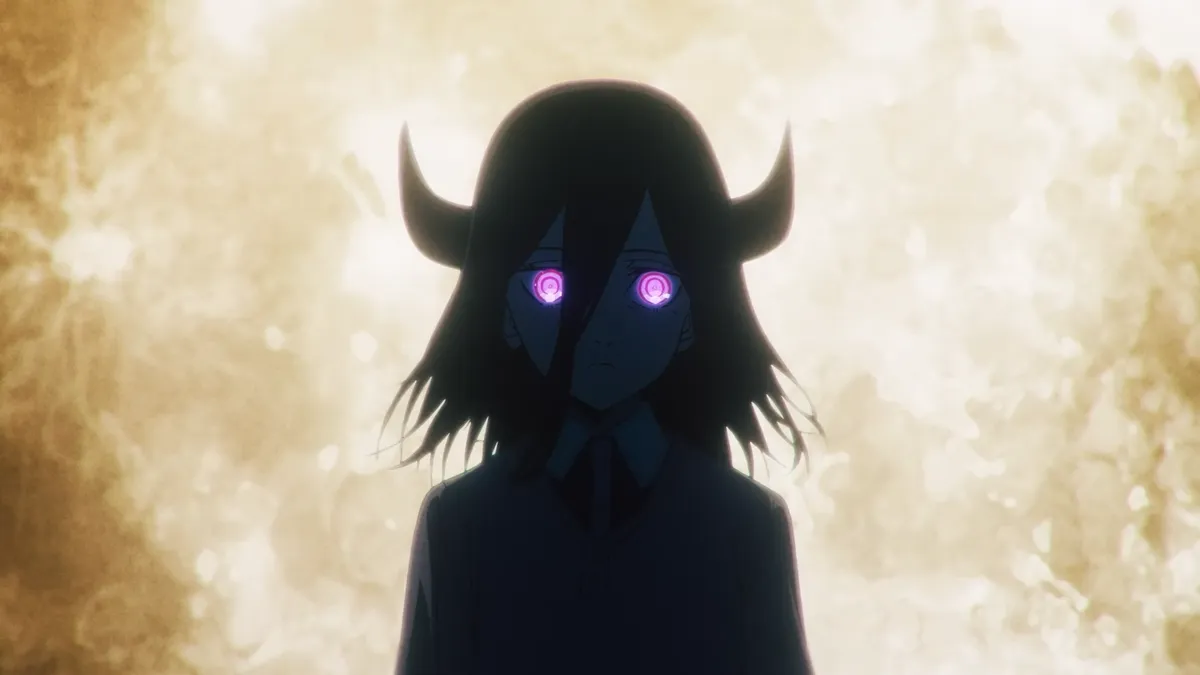
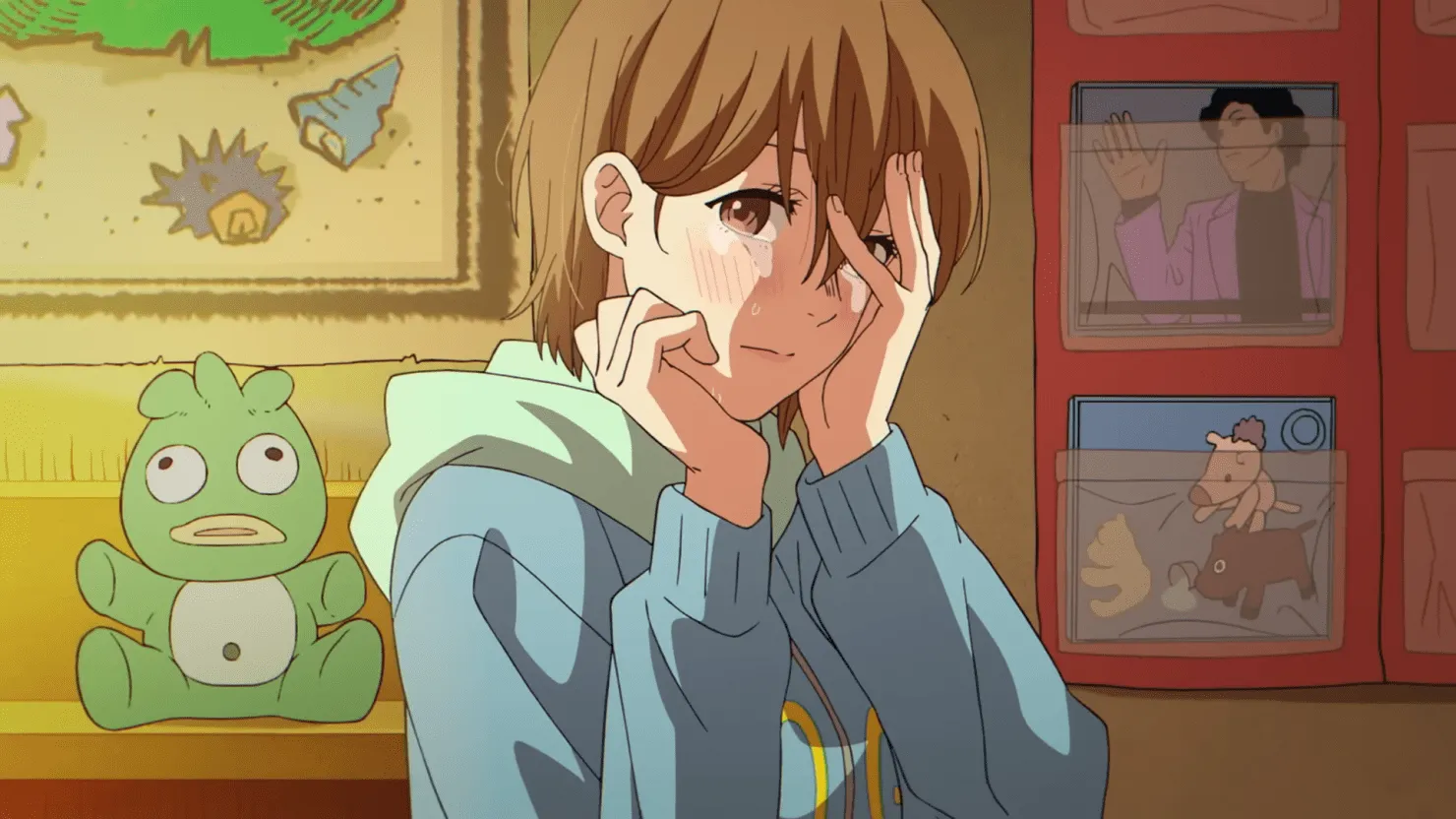
“Woke-Up-as-a-Girl Syndrome” reaches for self-acceptance and identity beyond gender norms, even with uneven execution. “Shikaku” studies the knots of abuse and love in a pairing between a lovesick assassin and a vampire absorbed by death. “Mermaid Rhapsody” and “Sisters” pay close attention to art, passion, and expression, and their treatment of artistic creation clearly echoes the sensitivity later seen in Look Back.
The anthology also preserves the unfiltered quirks of youth. Some passages feel blunt around heavy topics and show hints of gender essentialism. These uncomfortable stretches frame the series as a view of early, rough ambition and point to how a visionary voice grows through imperfect drafts.
The Spectrum of Early Works
The anthology’s high craft makes uneven points visible. Most shorts display strong artistry and narrative focus. “A Couple Clucking Chickens Were Still Kickin’ in the Schoolyard” stands out for soaring action, melodrama, and thematic clarity around defiance against bigotry.
“Nayuta of the Prophecy” emerges as another highlight, marked by melancholic insanity and a tonal kinship with the existential struggles of Chainsaw Man Part 2, and it follows a character intent on protecting his sister from a cruel fate. “Sisters” earns particular notice for a tender, intimate view of sisterhood set against fierce artistic rivalry.
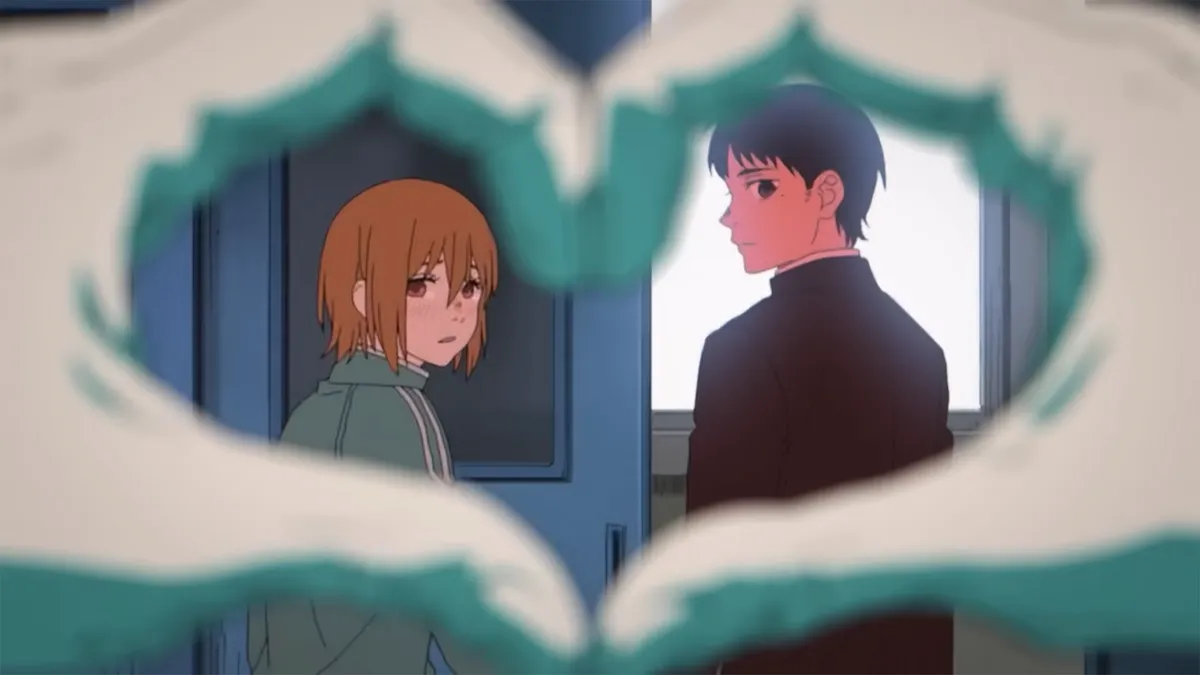
Two of the eight episodes fall short and show the hazards of early work. “Sasaki Stopped A Bullet” carries unappealing character designs and weaker execution that fails to capture the rare spark seen elsewhere. “Love is Blind” keeps its charm, yet the animation by Lapin Track feels too modest to match the original manga’s hilarious intensity and overdramatic confession. The segment works in places, though the delivery lessens its impact.
Shaping Future Narrative Trends
Tatsuki Fujimoto 17-26 operates as a celebratory retrospective and a signal of how global streaming platforms might approach intellectual property. By turning early, experimental stories into a polished anime package, the series offers an essential look at development and process for a modern influencer. It functions as a visual timeline that lets audiences track the evolution of core concepts and stylistic marks.
The project contributes to the medium. It argues for the range of animation as a home for challenging, unexpected storytelling. The anime adaptation refines the base manga and makes earlier, messy material accessible to a wider audience.
A visible commitment to artistic variety and raw experimentation could shape future industry choices and tilt programming away from hyper-safe, algorithm-driven extensions toward projects that embrace absurdity and wild imagination. The series signals that unrestrained creative joy can live on major streaming platforms and that early experiments can guide the next wave of television storytelling and representation.
This eight-episode anime anthology, Tatsuki Fujimoto 17-26, premiered worldwide exclusively on Prime Video on November 7, 2025. The series adapts early short stories written by manga artist Tatsuki Fujimoto between the ages of 17 and 26. This retrospective collection gives fans and new viewers an energetic, visually diverse look at the formative work of the creator behind the globally popular Chainsaw Man and Look Back. Each episode is a stand-alone tale covering a wide range of genres, from dark comedy and sci-fi action to romance and psychological drama.
Credits
Title: Tatsuki Fujimoto 17-26
Distributor: Prime Video, Amazon Prime Video
Release date: November 7, 2025
Running time: 12–22 minutes (per episode, 8 episodes total)
Director: Seishirō Nagaya, Nobukage Kimura, Nobuyuki Takeuchi, Naoya Ando, Tetsuaki Watanabe, Kazuaki Terasawa, Shū Honma
Writers: Tatsuki Fujimoto (Original creator), Seishirō Nagaya, Teruko Utsumi, Naoya Ando, Tatsuo Kobayashi, Kazuaki Terasawa, Tetsuaki Watanabe, Yoko Yonaiyama
Producers and Executive Producers: Tomohiko Iwase, Shinya Shinozaki (Producers listed; production supervised by Flagship Line)
Cast: Kensho Ono, Shion Sakurai, Kazuki Ura, Kimiko Saito, Mitsuo Iwata, Toshiki Kumagai, Chika Anzai, Shun Horie, Shion Wakayama, Kana Hanazawa, Tomokazu Sugita, Chiaki Kikuta, Eri Yukimura, Yuki Sakakihara, Maki Kawase, Hitomi Sasaki, Yohei Matsuoka, Runa Nakashima, Tomo Nakai
Director of Photography (Cinematographer): Daisuke Chiba, Hitoshi Tamura, Hideki Kawahara, Katsuto Ogawa, Teppei Ito, Tomo Namiki
Composer: Rei Ishizuka, Keiji Inai, Yuma Yamaguchi, Kenji Kawai, Kevin Penkin, Masahiro Tokuda
The Review
Tatsuki Fujimoto 17-26
Tatsuki Fujimoto 17-26 is an essential watch, serving as both a powerful career retrospective and a masterful showcase of animation ingenuity. Its diverse studios deliver stunning visual upgrades to the creator's raw, chaotic early concepts, fearlessly exploring themes from love and violence to identity and artistry. While two shorts exhibit less polish, the collection triumphs by powerfully showcasing the genesis of a visionary talent and challenging traditional serialized streaming formats. It is a vital text for anyone interested in the future of animated storytelling.
PROS
- Exceptional and diverse animation quality (multi-studio collaboration).
- Successfully elevates the original, often crude, source material.
- Provides a compelling look at the creator's thematic and artistic development.
- Genre-defying, unpredictable, and creatively uninhibited storytelling.
- Engages directly with issues of identity, art, and complex relationships.
CONS
- Uneven quality stemming from a couple of weaker shorts.
- Contains some rough, less-nuanced elements related to handling uncomfortable topics.
- Some early stories feel less developed, reading like "first drafts."
- The anthology format may not appeal to viewers seeking a single, continuous narrative.