


























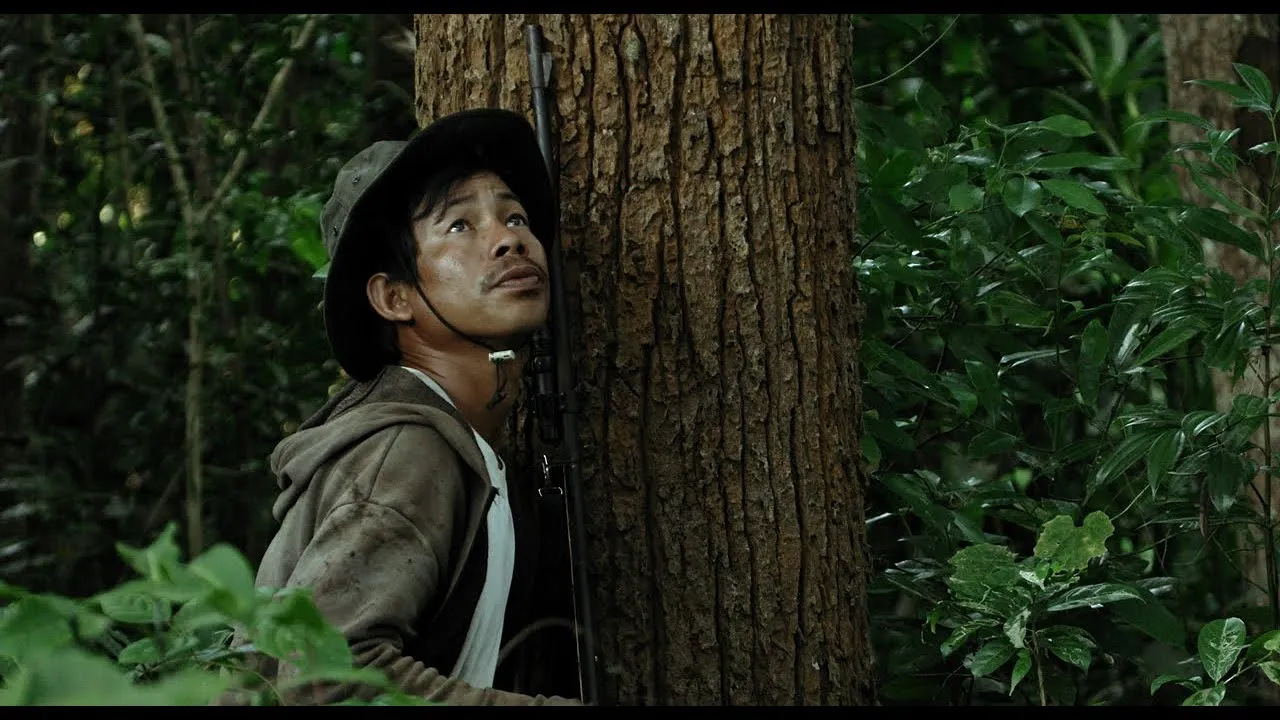

The power of documentary filmmaking often rests on its capacity to witness a disappearing world. We Are The Fruits Of The Forest fits that definition. The film represents four years of work by Cambodian documentarian Rithy Panh, known for historical and cultural inquiry.
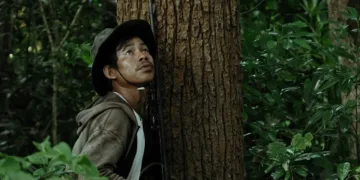
Here he concentrates on the present, observing several Bunong families in Cambodia’s northeastern highlands. The camera tracks daily routines and pressures. The portrait that emerges records cultural loss under economic and environmental stress. The film honors Bunong resilience while tracing a culture at risk of vanishing.
The Fraying Threads of Traditional Life
The central conflict grows from outside forces pressing into a traditional society. Corporate interests expand. Forests recede under large-scale logging. Cash crops arrive and overwrite ancestral practice. Economic footing collapses as collective subsistence gives way to low-wage labor that pays about 7 dollars per day. Material hardship becomes spiritual turmoil. Large-grain rice, the staple, fails, and punishing weather feeds readings of anger from ancestral spirits. The forest thins, and hunting, a core activity, withers.
The spiritual break mirrors the financial one. Foreign churches spread, and conversion to Christianity strains animist customs that require harmony with nature and observance of ceremony. The pressure reaches identity itself. Falling yields lead families toward bank loans with predatory terms, which tighten the loop: debt rises, collective work erodes, and traditional economics falter. The film maintains a steady tone of grief and quiet anger, shaped by the stark choices that face the families. The emotional center sits with the ongoing erasure of a people who seek food security and the chance to honor their dead.
Juxtaposition and the Mechanics of Memory
Panh’s method favors structure and restraint. He gives participants time and space, keeping their dignity intact and their perspective primary. Contemporary observation dominates the runtime, watching the work of each day through an objective lens. Repetition of tasks carries weight. A quick sight of children watching an action film on a phone slips in to mark the world beyond the village.
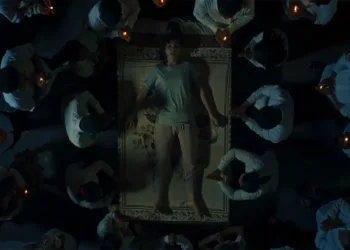
Archival material punctuates this present-tense gaze. The clips appear in silent black-and-white, sometimes set in split screen. They play as brief, poetic fragments of earlier life. The formal choice places past images against current images, building a clear frame for recent loss. The cut between registers turns memory into structure, not ornament. A single male voiceover adds a guiding line.
Also Read





It states anxieties and customs. It catalogs rules that govern social life and names the different types of forest the Bunong recognize. It even repeats the insults heard from the wider society. The voiceover guarantees that the Bunong view stays audible, not drowned by the harshness of what the camera records.
Editing favors clarity. The film builds units of labor, ritual, and environment, then returns to them with small variations. The structure reads like a ledger: each scene adds to an account of damage, endurance, and belief. The style keeps sentiment in check without dulling feeling. The approach also sets performance parameters. People speak plainly about conditions and practices. Their presence conveys the story’s stakes with unforced weight.
Echoes and Systems of Power
Repetition drives the film’s force. A spoken line returns again and again: “the forest is gone.” The phrase lands like a refrain and works as a complete argument. Land changed hands, trees fell, and life patterns broke. The sentence stands as evidence.
Images echo the claim. Distant drone shots show green hills. Ground-level scenes show the strain of daily survival. The gap between distance and proximity exposes the cost of removal. A fleeting image of a topless Bunong woman flashes by. It carries the charge of an ancestral figure or forest spirit and marks how easily a presence can slip from view under modern pressure. The image compresses a link between past and present into one quick frame.
The film sits within Panh’s body of work. Direct reference to the Khmer Rouge era does not appear, yet the thematic line remains clear. Systems with reach and leverage can break communities, whether a state apparatus or corporate power. The new film tracks this pattern in the present tense. The record matters because the change happens fast and leaves little trace.
The narrative design stays consistent with the subject. Long looks at work and ritual set the pace. Archival inserts punctuate without hijacking the flow. The voiceover lays out terms and definitions, which supplies a rulebook the viewer can follow. The approach serves comprehension without turning people into symbols. The families on screen act and speak as themselves. Their choices and constraints build character in documentary terms, not through performance but through presence tracked over time.
Pacing fits the material. Scenes linger on labor and environment to show duration and effort. The return to repeated actions lets the audience feel attrition. The structure gives viewers orientation and lets meaning accrue by accumulation instead of argument. The occasional intrusion of modern media on a phone, brief yet pointed, provides a time stamp inside this accumulation.
The film also registers the costs in money and debt. Wage figures appear. Loans with predatory terms appear. These details ground abstraction. The material facts match the spiritual strain described by the voiceover and seen in ritual fragments. Animist practice requires ceremonies and respect for a living landscape. With forests cut and fields failing, devotion and livelihood pull against each other. The friction does not resolve. The camera’s refusal to rush resolution reads as an ethical choice.
The strategy of juxtaposition turns memory into a working device. Past and present share the frame. The technique clarifies the speed of loss and keeps history from drifting into nostalgia. Each return to “the forest is gone” locks the point. The line’s simplicity keeps it from melodrama. It states a condition and names an absence the camera keeps proving.
We Are The Fruits Of The Forest reads as a necessary record. It speaks in the present tense while tying into a director’s continuing study of power and community. The film’s clarity comes from method: patient observation, judicious archival use, and a single voice that explains rules, insults, pride, and fear. The story tracks people who want food on the table and rites for their dead. The film keeps them central and gives their words and work the structure they deserve.
The documentary film, We Are The Fruits Of The Forest (French: Nous Sommes les Fruits de la Forêt), premiered at the 38th Tokyo International Film Festival on October 30, 2025. This Cambodia-France co-production follows the lives of the Bunong people, an indigenous ethnic group in Cambodia’s mountainous regions, over a period of four years. The film focuses on their deep connection to ancestral traditions and the natural environment, which is threatened by climate change and large-scale land development. As it is a recent festival premiere, specific information on its wide theatrical distributor or streaming availability is not yet widely available.
Credits
Title: We Are The Fruits Of The Forest
Release date: October 30, 2025 (World Premiere at the Tokyo International Film Festival)
Running time: 87 minutes
Director: Rithy Panh
Producers and Executive Producers: Catherine Dussart
Cast: Pa Kreb, Mak Kreb, Yeay Kreb
Director of Photography (Cinematographer): Rithy Panh, Mourng Vet, Cheng Socheat, Sok Chan Rado, Prum Mesa
Editors: Rithy Panh
Composer: Marc Marder
The Review
We Are The Fruits Of The Forest
Rithy Panh delivers a necessary and sobering document. The film's restraint and its use of poetic motifs, such as the repeated phrase "the forest is gone," effectively capture the tragic erosion of Bunong culture. By juxtaposing modern struggles with archival footage, the film highlights the devastation caused by corporate power and climate change. This work is deeply moving and serves as an urgent record of a vanishing way of life. It maintains dignity for its subjects while making a powerful, lasting statement about systemic loss.
PROS
- Provides an intimate, extended look at its subjects, having been filmed over four years.
- Effective use of historical archival footage alongside contemporary scenes to show dramatic cultural loss.
- The director maintains a restrained, clear-eyed style that respects the subjects' own storytelling.
- The repeated phrase, "the forest is gone," acts as a powerful, affecting aural motif.
- The film connects the current crisis to Panh's broader thematic focus on destructive systemic power.
CONS
- The subject matter, dealing with cultural erasure and environmental devastation, makes for distressing viewing.
- The film documents issues about capitalism and cultural decimation that may already be known to many viewers.