

























![Kingdom Hearts Collection [I-III] Review](https://gazettely.com/wp-content/uploads/2026/10/Kingdom-Hearts-Collection-I-III-1-360x180.webp "Kingdom Hearts Collection [I-III] Review: KHII Holds Steady as Newer Entries Fluctuate 37")



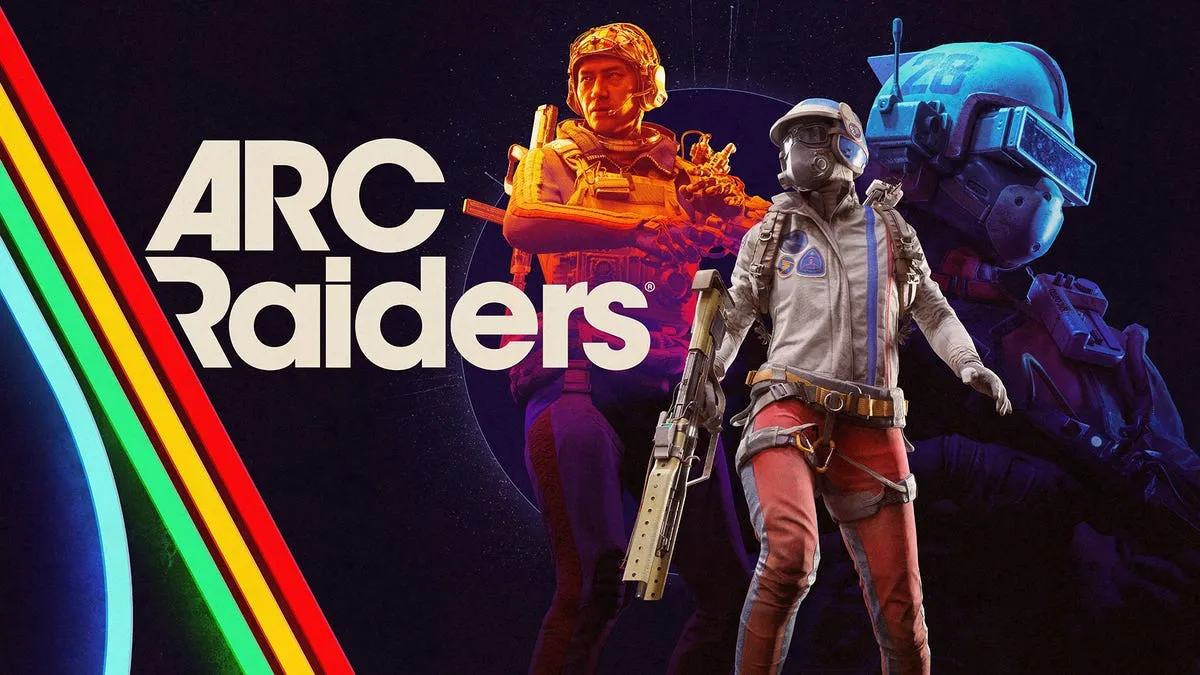

Embark Studios’ ARC Raiders enters the field as a third-person, online multiplayer extraction shooter. The game sets its post-apocalyptic frame quickly: humanity shelters in the underground city of Speranza, while “Raiders” climb to the surface, the Rust Belt, to scavenge vital supplies. Players face ARC machines and rival squads in a high-risk loop.
The premise follows a pure extraction model. You go topside for loot, and a death wipes everything carried. That risk structure, familiar to players of Hunt: Showdown and Arena Breakout: Infinite, defines the session. The project began as a co-op PvE game and later shifted to a PvPvE format. That history informs the current mechanical balance. Each run asks you to drop, gather, survive AI and human encounters, then call extraction to bank your haul. Tension comes from weighing greed against survival at every step.
A Cinematic Soundscape and Stylized Dystopia
ARC Raiders builds identity through art direction. Instead of the common earth-tone military look, it leans into retro sci-fi and a crumbling dystopia. Raiders wear scavenged gear that recalls cosmonaut suits, which gives the characters a strong visual silhouette.
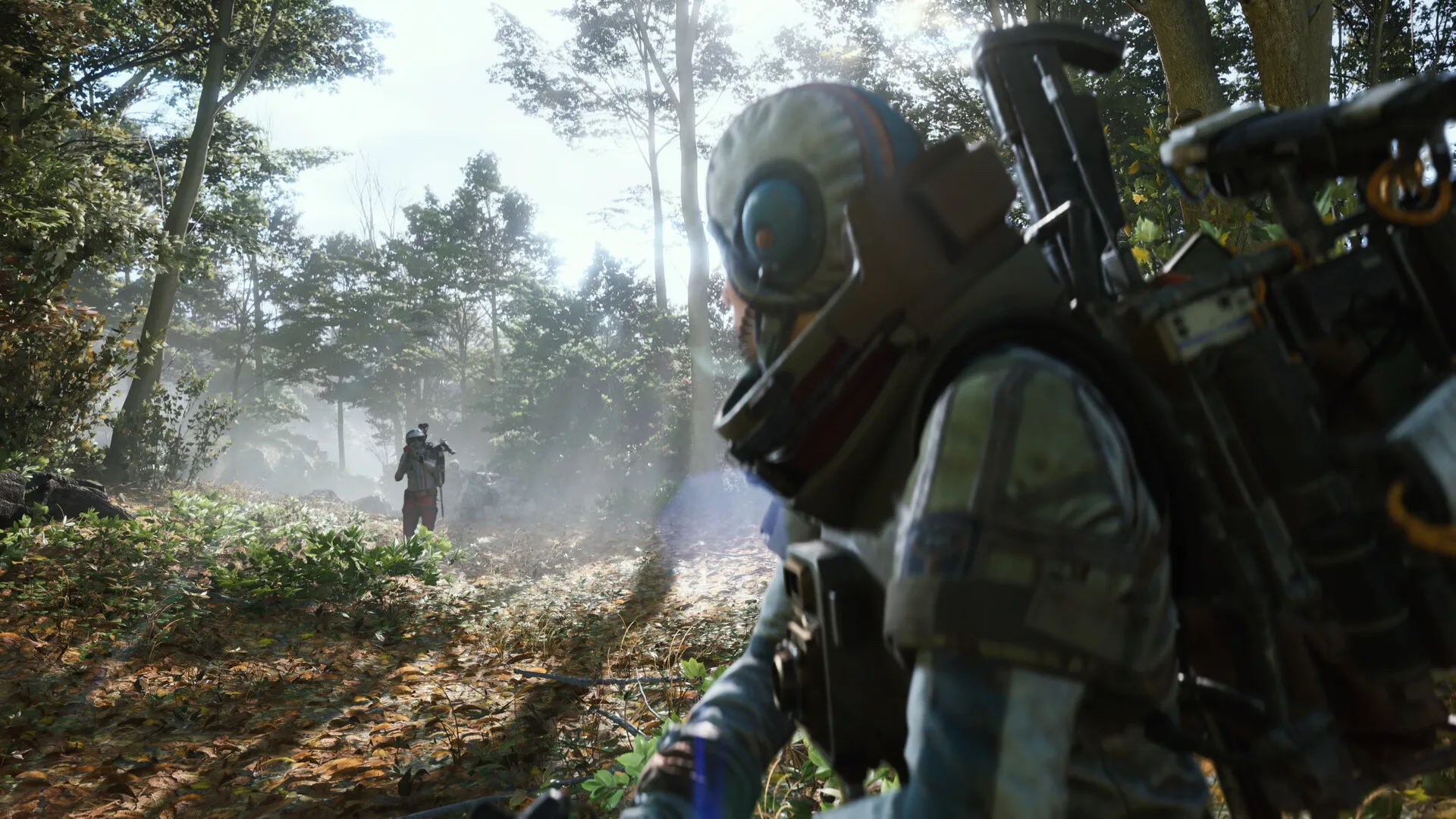
Environments carry dense detail. Brutalist structures sit under creeping vegetation, with vines and moss reclaiming concrete. The maps shape mood and pacing. Buried City funnels squads through sandy, narrow streets, while Blue Gate opens into long mountain passes that encourage distance and flanks. High graphical fidelity sells the surface as alluring and lethal.
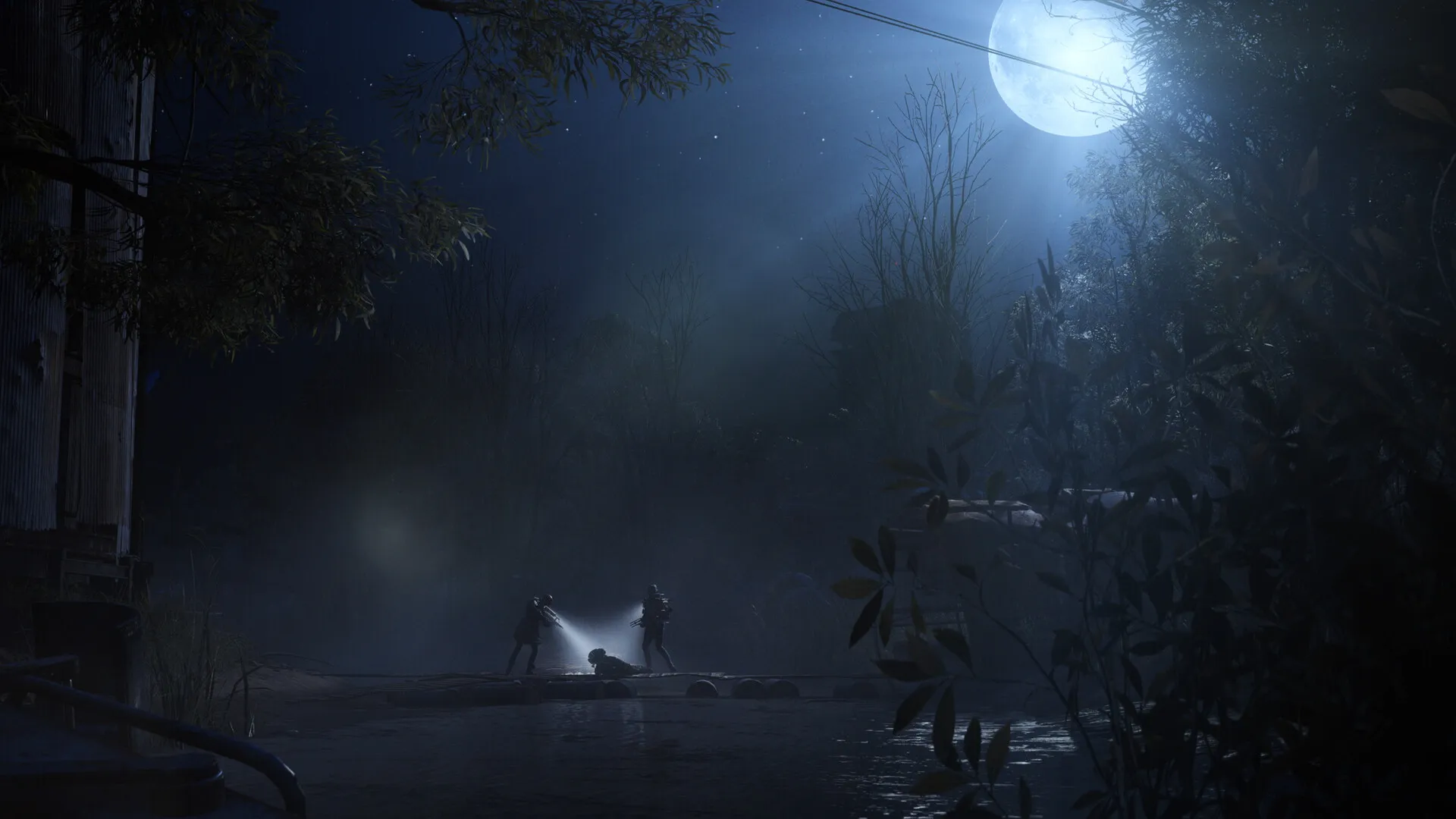
Audio design supports both atmosphere and play. The soundscape carries a cinematic haze that adds depth to spaces. Cues serve immediate tactical needs. A called extraction beeps in the distance. ARC units whir with mechanical signatures. A Snitch bot wails to warn that Raiders lurk nearby. Reading these signals helps route decisions and threat checks. On PS5, DualSense haptics add crisp feedback for gunfire and explosions, which strengthens the sense of impact.
The Dual Threat of ARC and Raiders
Gunplay anchors the experience. As in Embark’s The Finals, shooting feels responsive and clean. Fights move at a measured pace built on health and shields that reduce instant kills and reward repositioning. Dodge roll functions as core movement for breaking sightlines and slipping to cover. Weapon growth favors tiers and upgrades. Many firearms arrive as improved versions of familiar tools, which narrows breadth and focuses on power scaling over deep customization.
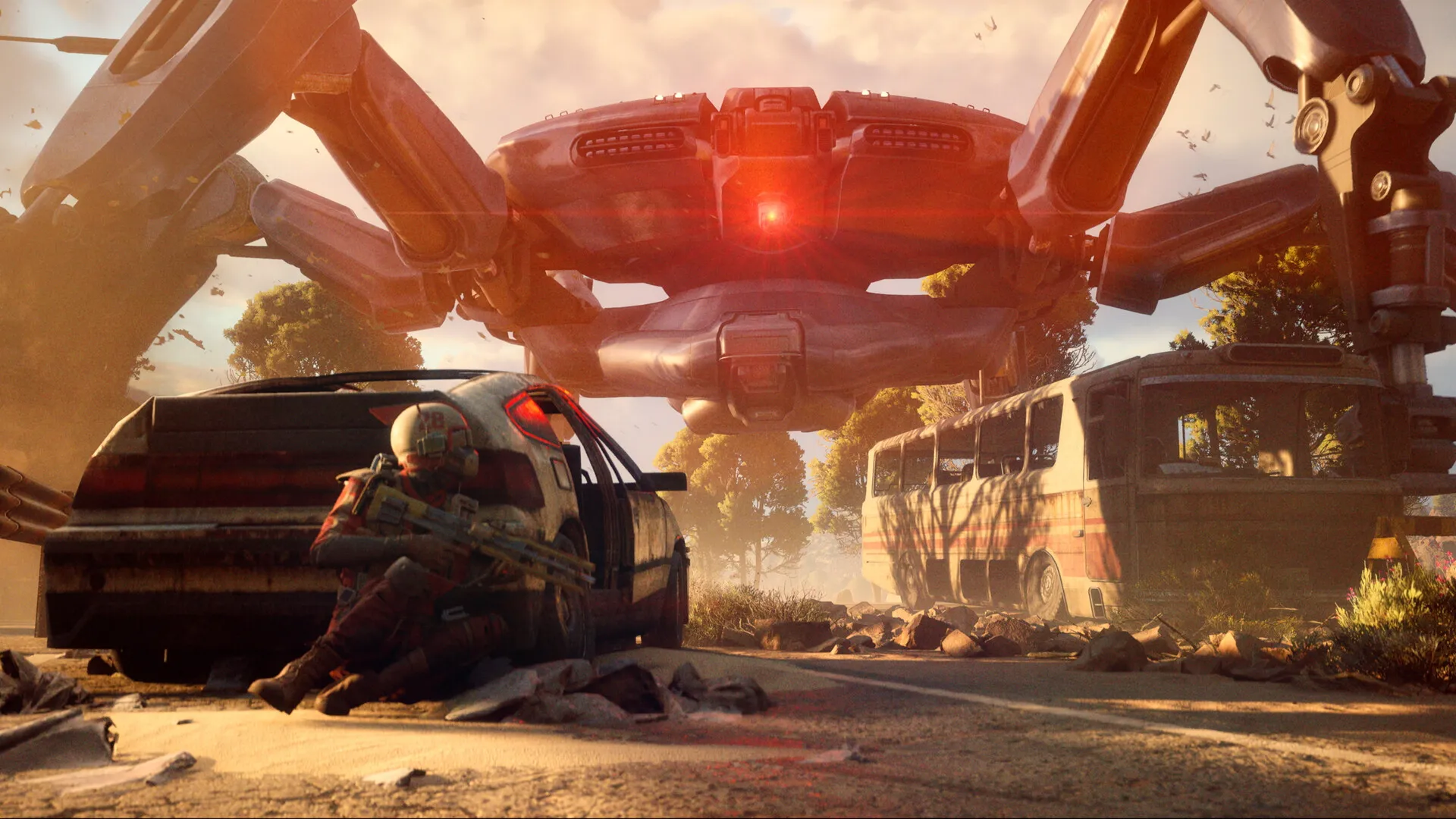
PvE pressure supplies much of the game’s identity. ARC machines act with intent and shape the map’s danger level. They do not behave like disposable targets. Enemy types stack threats. The Snitch alerts and calls support. The Hornet can pin and electrocute. Ground forces include the aggressive Leaper and the explosive Pop. Heavy units such as the Rocketeer and Bastion punish poor positioning. A boss like the Queen can appear and reframe priorities for every squad in range.
PvP rides on top of that ecosystem. Noise from ARC fights invites ambushes and third parties, so every push demands restraint. Human encounters swing fast and end runs with little warning. Proximity voice chat can produce short truces and tense negotiations, and those deals can collapse at any second. Solo players face a structural gap. Matchmaking places lone Raiders against trios, which turns many encounters into evasion and baiting. That cat-and-mouse pattern leaves solos at a persistent disadvantage.
Deep Hubs and Optional Resets
Progression ties neatly into the extraction loop. Scavenging centers on gear, ammo, and materials for long-term upgrades. Successful runs feed the Speranza room, a personal Workshop hub that updates visually as you invest. Players build and raise stations like workbenches and supply points. Watching numbers climb and stations improve keeps the return-to-base phase satisfying. Vendors in Speranza assign Quests that shape objectives for the next drop.
Character growth runs through an RPG-style skill tree. Levels grant points for passive boosts such as higher stamina or quieter looting. These perks let players tune a Raider toward endurance or stealth. Loadout Kits found during a run give immediate direction. A kit can tip the next outing toward combat or resource focus. A free kit after a streak of failures softens the bite of losing everything in extraction play.
The Expedition Project adds an endgame track for committed players. At Level 20, you can enter a multi-week event that resets character progress in exchange for account perks and special cosmetics. The idea echoes prestige systems from other live-service titles. Participation remains voluntary. Players who skip the reset keep full access to the core experience without losing ground.
Price Point and Platform Trade-Offs
ARC Raiders launches at $39.99, pairing that price with strong visuals and layered systems. Performance is solid on high-end consoles and PCs. The target is 60 frames per second on base and Pro hardware. Reports mention minor dips on base PS5. Beta server issues received quick fixes, and continued stability work remains important.
Monetization follows live-service norms. A seasonal Raider Deck battle pass sits next to a cosmetics store. Purchases affect looks, not power. Cosmetic prices run high in some cases.
Platform features bring practical choices. Crossplay keeps lobbies healthy across systems, and it can leave console players at a disadvantage versus mouse and keyboard in direct gunfights. A toggle lets players disable crossplay. Console access adds required online services like PlayStation Plus or Xbox Game Pass, which raises the real cost of entry.
The Review
ARC Raiders
ARC Raiders executes the extraction shooter formula with exceptional polish. The game stands out due to its compelling sci-fi aesthetic, functional sound design, and challenging, intelligent ARC machine AI. While the progression systems—from crafting in the Speranza hub to the optional Expedition Project—show respect for player time, the severe disadvantage for solo players against full squads and the high cost of cosmetic items present minor friction points. This is a thrilling, well-crafted experience that sets a high bar for the genre.
PROS
- Exceptional stylized aesthetic and cinematic sound design that aids gameplay.
- ARC machine AI is challenging, acting as a dynamic and active threat.
- Progression is optional; the Expedition Project reset is voluntary, avoiding mandatory grind.
- Satisfying crafting and hub upgrades in the Speranza Workshop.
- Responsive controls and satisfying third-person combat
CONS
- No dedicated solo or duo mode; lone players must face full three-person squads.
- Cosmetic items in the shop are highly priced.
- Progression is tiered, which restricts the overall roster of unique weapons.
- Console players must pay for online services (PS Plus/Xbox Game Pass) to play.







