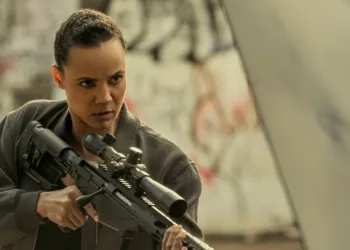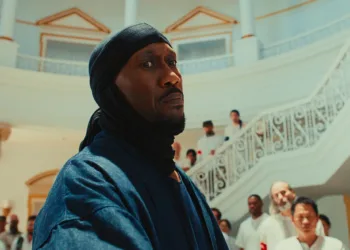



















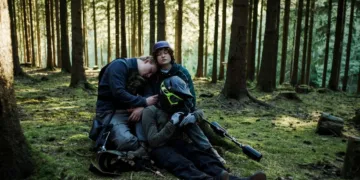







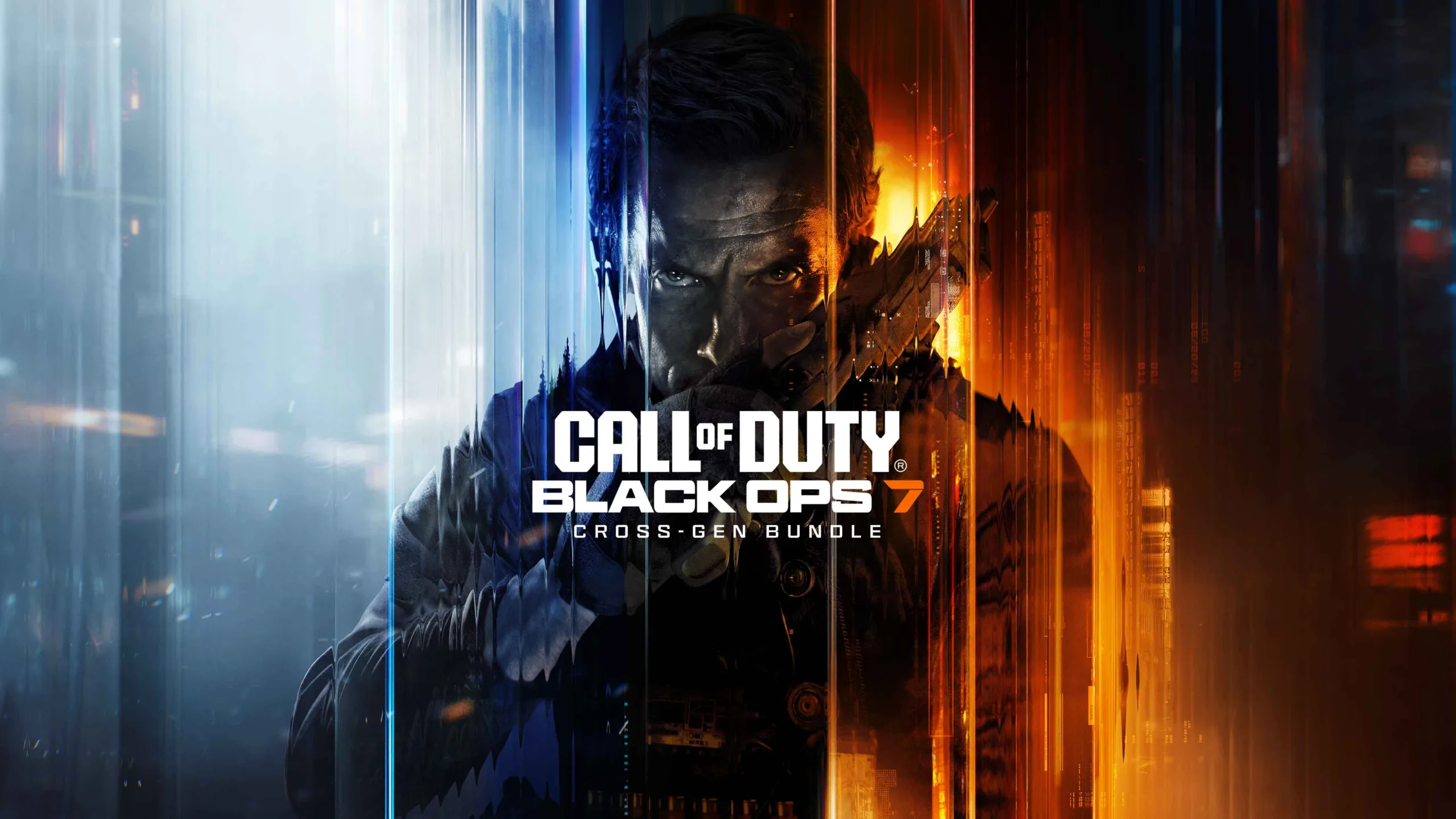

Call of Duty: Black Ops 7 is a high-energy entry from Treyarch and Raven that centers cooperative play. The campaign supports up to four players and alternates tight, authored set pieces with broader open zones and hallucinatory sequences. The setting slips between near-future tech conflicts and distorted memory spaces tied to returning characters.
The package also includes a full multiplayer suite, a large new Zombies map with mobile traversal, and an extraction-style Endgame mode set on Avalon. Core systems include responsive gunplay, layered gadgets and abilities, and expanded movement options such as a grapple hook and wingsuit.
The campaign is short by classic single-player standards, while Endgame offers a repeatable loop built around risk, extraction, and character progression. The sections that follow examine how those systems interact with story and player agency, how combat and traversal influence choice, and where the design succeeds or leaves room for improvement.
Campaign: Design, Structure and Play Experience
The campaign runs roughly 11 missions and usually completes in about four to five hours on a single run. It is built from two distinct design strands: tightly scripted chapters that lean on pacing and spectacle, and wider zones that resemble extraction hubs used later in Endgame. The campaign explicitly assumes co-op, which shapes mission construction and pacing at every turn.
Campaign systems scale poorly across solo and group play. When four players are present, encounters compress into coordinated roles: one player suppresses, another hacks, another flanks. These emergent divisions make boss fights and multi-pronged objectives work as a shared problem to solve. Solo runs expose the campaign’s design seams. Tasks intended to be split between teammates become repetitive chores when a single player must execute them sequentially. Enemy density also reads inconsistently. Some encounters overwhelm solo players while feeling sparse with a full squad. The lack of manual pause and an online-only enforcement of co-op sessions further hurts a player who wants to approach the campaign alone.
Missions move quickly between stealth, set-piece assault, boss arena, and dreamlike detours. The Tokyo rooftop chapter typifies the best of this design: compact verticality, clear traversal routes, and authorial choreography that rewards momentum. Contrast that with Avalon’s open stretches, where the design leans on traversal and enemy icons rather than authored surprises. Those open sequences serve as previews for Endgame, but in a campaign context they can disrupt momentum when objectives feel like fetch tasks spread across a large map.
The plot revisits Black Ops continuity and places David Mason center stage. Players steeped in the series will pick up callbacks and character beats that land emotionally; newcomers may find the setup dense, as exposition arrives quickly and expects prior context. Character work is mixed: a few leads get meaningful moments and strong performances, while many squad members remain support figures with limited arcs. Narrative impact depends on play style. When co-op play lets players embody complementary roles, the emotional beats that hinge on teamwork feel more resonant. Solo, those beats can feel underwritten and rushed.
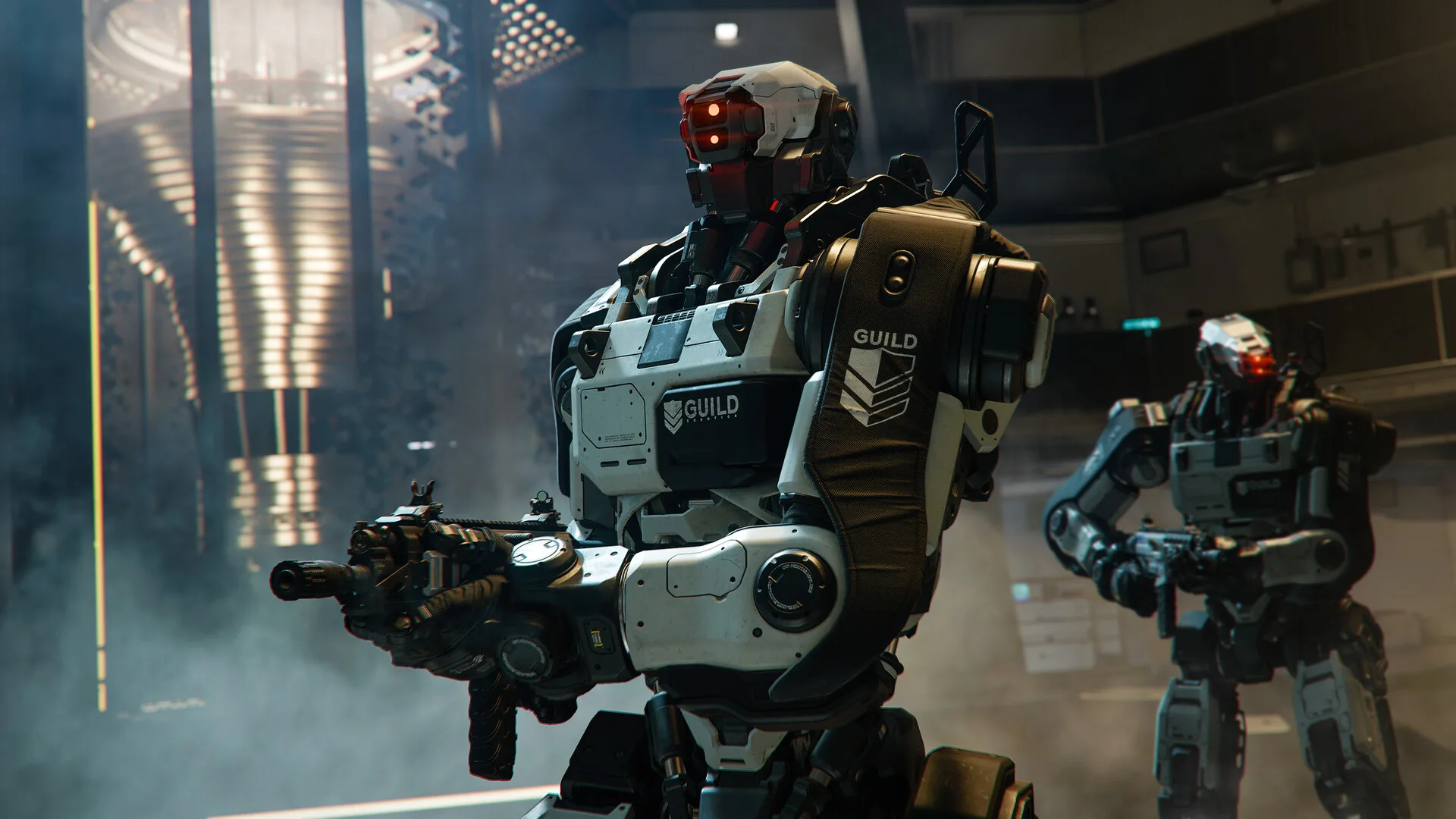
Gunplay is high quality. Weapons carry weight and the audio-visual feedback for armored enemies sells each hit. The added armor and layered health systems stretch engagements into multi-stage duels, which rewards tactical gadget use. Abilities such as an opaque bubble shield, brief invisibility, the Black Hat hack device, grapple hook, and super jump give players distinct approaches to problems. Hacking rooms or controlling turrets alters encounter flow; invisibility opens stealth windows; the grapple creates alternate attack vectors. Boss fights lean on weak-point phases and movement, which scale up as co-op tools let players coordinate simultaneous damage to multiple targets. Enemy variety is broad: human infantry, plate-armored titans, robotic constructs, and hallucinatory monsters force players to match tools to threats.
Replay incentives are modest. The campaign lacks deep branching narrative choices, so reruns center on mechanical mastery and finding alternate routes through set pieces. Difficulty scaling is inconsistent. The system purports to scale by squad size, but enemy numbers and toughness sometimes remain fixed, creating either crushing solo runs or trivial group play. Best practice for new players is to experience the campaign with a full squad for pacing and mechanical clarity. Solo players can still enjoy the authored sequences but should expect repeated objectives and occasional balancing frustrations.
Multiplayer: Modes, Maps and Competitive Feel
Multiplayer keeps the classic 6v6 loop while introducing larger contests and objective variants. Match types include traditional slayers and objective matches, a new Overload mode that hinges on carrying and delivering a device, and Skirmish, a 20v20 mode with vertical mobility and vehicle play. Map design spans closed arenas that reward tight gunfights and larger battlegrounds that rely on mobility tools.
Wall-bounce, grappling, and wingsuit mechanics translate into map design that emphasizes verticality and flank routes. Small maps host fast engagements where wall-bounce mechanics increase the pace and reward territorial hops. Larger Skirmish maps use wingsuits and vehicles to create theater-scale skirmishes where fights begin and end across wide sightlines. The net result is a tempo shift: close-range reflex duels remain central, yet maps now accommodate aerial repositioning and long-range interplays.
Overload introduces a single-objective focus that elevates team craft. The player carrying the device becomes a moving choke point, visible to all; successful teams coordinate cover fire, feints, and timing. Skirmish experiments with scale but can stall when large open areas offer few engagement hotspots. Balance hinges on clear role definition: small squads perform best in 6v6, coordinated teams thrive in Overload, and groups willing to adapt to scale get the most from Skirmish.
Weapon archetypes feel familiar: SMGs for close work, ARs for midrange control, and snipers for map denial. The armor and health layering changes the rhythm of firefights by rewarding sustained precision over single-shot supremacy. Attachments that favor mobility and sustained fire will shape the meta early, while armor-penetration choices affect specialist loadouts in higher-level play. Matchmaking and social features that encourage squads improve the experience; many newer modes assume voice coordination.
The initial map slate pairs returning fan favorites and new arenas. Post-launch rotation and seasonal additions will determine lasting value. Modes that reward coordinated play and progressive unlocks look best suited for long-term engagement. The larger Skirmish experiments may need iteration to avoid long idle stretches between fights.
Zombies and Arcade Spin-offs
Zombies returns with Ashes of the Damned, a sprawling map tied together by Tessie, a driveable truck that shifts traversal patterns. The map blends classic round progression with POI-based movement. Players chase loot, upgrade weapons via Pack-A-Punch, and leverage Mystery Box drops while the truck lets teams traverse between nodes efficiently.
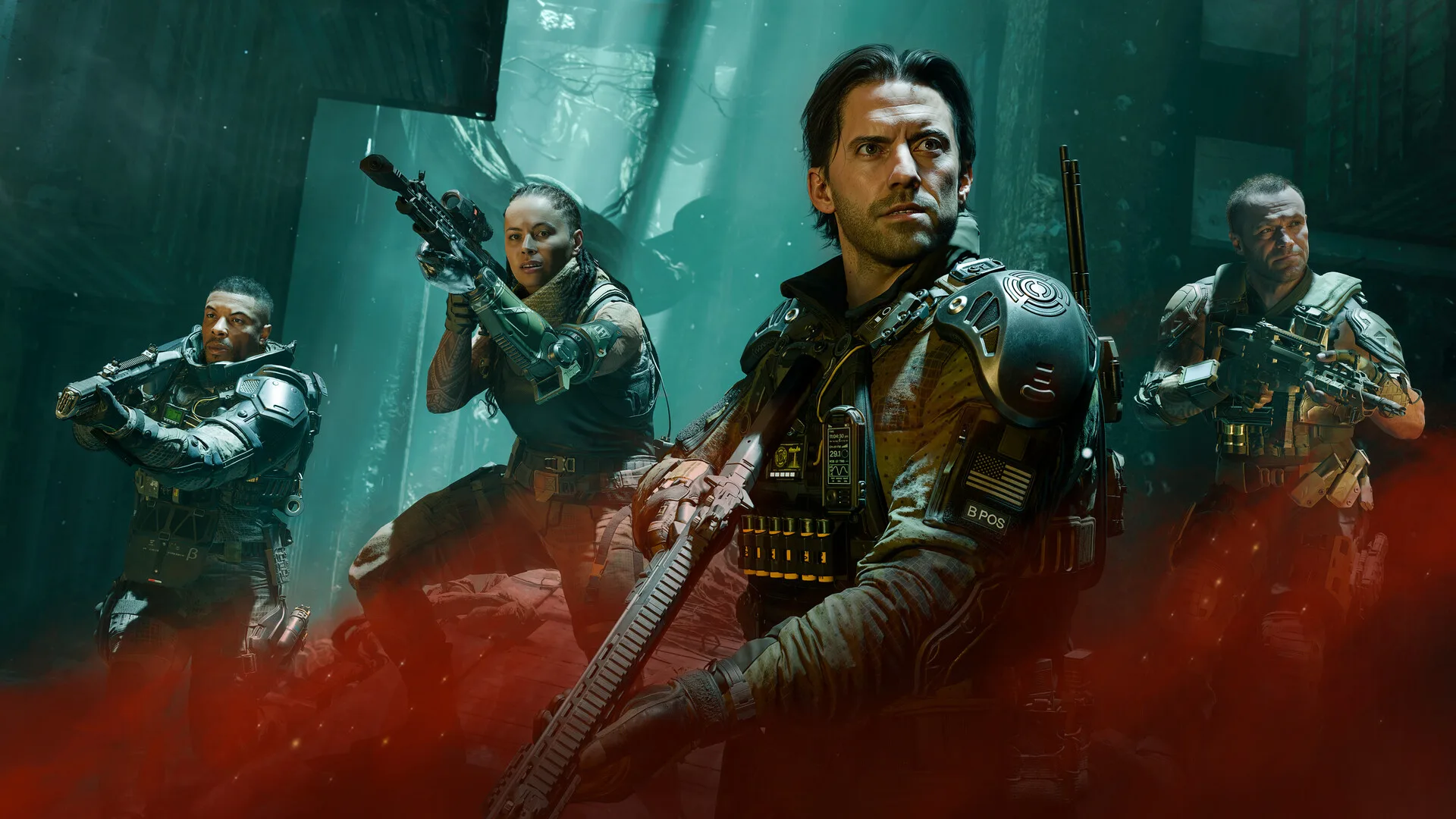
The truck transforms map rhythm from a single choke point crawl into a multi-stage campaign. It introduces strategic choices about which POIs to prioritize and when to push the truck forward. This structure increases variety across rounds, and it encourages teams to plan resource routes rather than hold a single defensive position.
Dead Ops Arcade returns as a compact top-down diversion with an optional first-person perspective. It works well for short sessions and as a palate cleanser between longer runs. Its immediate feedback loop makes it useful for bursts of play, though it lacks the depth to sustain repeated long sessions compared with main Zombies.
Split-screen support for Multiplayer and Zombies preserves couch co-op options; campaign remains online-only. Local players will appreciate the accessibility options for text, control presets, and motion reduction. At-home co-op benefits from split-screen especially when coordinating vehicle-based traversal in Zombies.
Endgame, Extraction Loop and Progression
Endgame drops squads into Avalon across multiple tiered zones. Sessions are structured around clearing activities, raising combat rating, and extracting before time or failure ends the run. Progression is persistent by way of combat rating and skill points, which unlock small but meaningful power spikes.
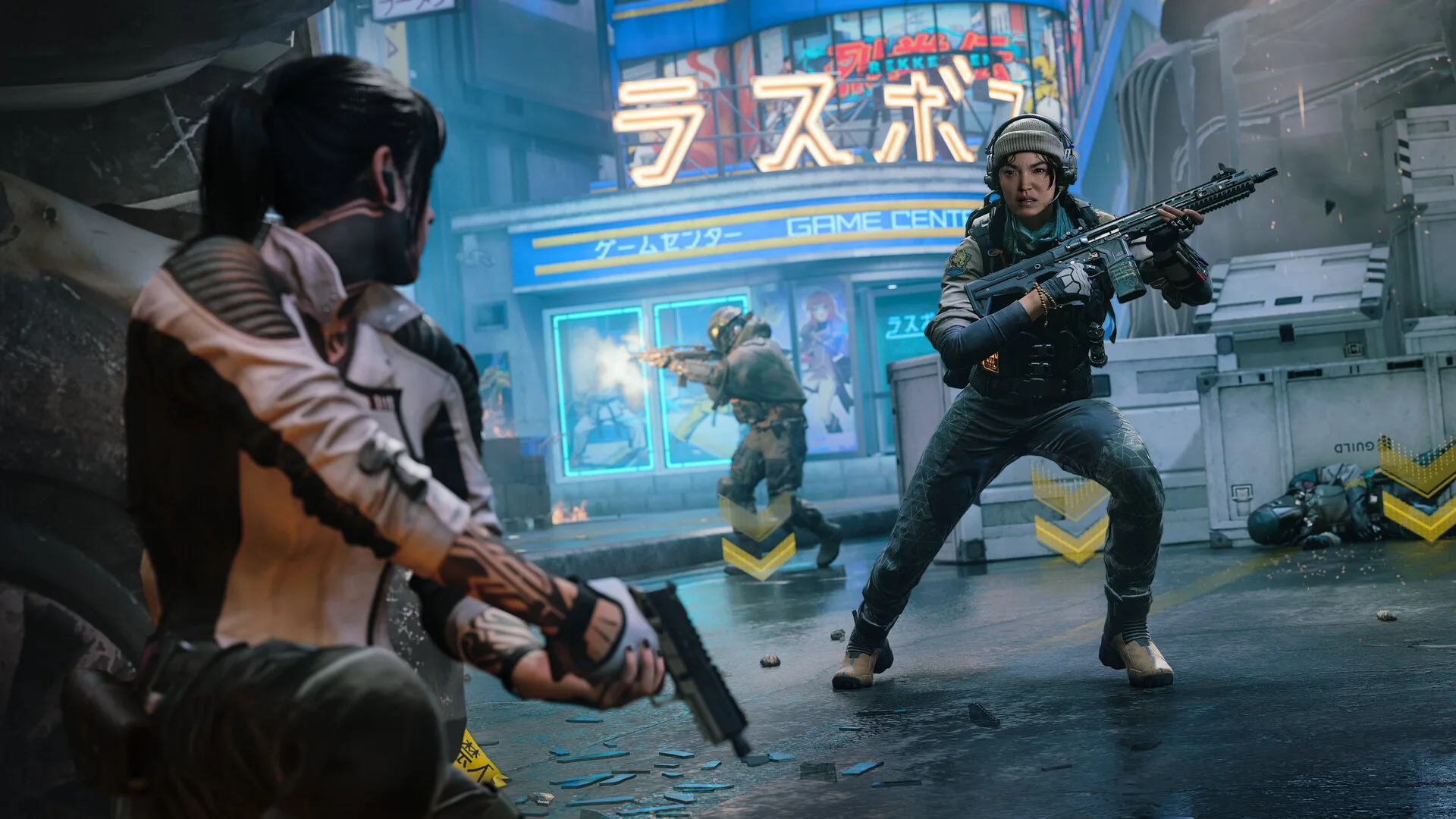
Combat rating increases by clearing objectives, killing enemies, and completing zone tasks. Each level grants skill points to choose between paired passive upgrades such as armor regeneration on kill or movement boosts. These choices shape a player’s role across runs and permit specialization toward tank, recon, or high-mobility builds. The system favors incremental decisions rather than sweeping narrative branches, so consequences play out mechanically rather than through story divergence.
Loss-on-death is punishing: a failed run erases the session’s progress. That tension creates moments where extraction choices feel meaningful. Squads must judge value versus risk and decide when to cash out or push deeper. Cross-squad interactions are limited and mostly cooperative; the mode deliberately avoids heavy PvP, which reduces emergent conflict but makes the space safer for focused PvE progression.
Endgame’s loop can get repetitive. Activities are often fetch-and-clear, and enemy AI sometimes reacts predictably. Remedying that requires richer objective variety, smarter enemy behaviors that leverage cover and flanking, and better gadget integration so tools meaningfully alter mission structure. Small changes to activity types and dynamic events could extend run longevity.
Technical, Presentation and Accessibility
Visual quality varies with set pieces outpacing some of the open zones in directed detail. Weapon and effect fidelity sell each combat moment; large-scale vistas in Avalon occasionally feel sparse. Audio stands out across combat: armor impacts, mechanical ruptures, and boss signatures give distinct cues that aid tactical decisions.
Performance is stable on modern hardware with occasional fluctuations in heavy open-zone scenes. Online-only design affects solo players who want to pause or tweak settings mid-run. Accessibility options include text scalability, subtitle control, simplified input presets, motion reduction, gore toggles, and a phobia option for arachnophobia. Those choices widen the player base while reducing friction for longer sessions.
Players focused on co-op action, teamwork, and repeatable loops will find the package rewarding. If you prize a long, solo, narrative-driven campaign, this entry will feel short and oriented toward group tactics.
Start with the Tokyo rooftop mission in a full squad to learn movement and traversal. For Endgame, run Avalon with a coordinated group and extract at safe thresholds rather than pushing every run to the limit. In multiplayer, bring voice chat to Overload sessions; the device mechanic rewards coordinated timing and baiting strategies. Zombies players should experiment with truck routes early to discover efficient resource loops.
Call of Duty: Black Ops 7 is a fast-paced, first-person action shooter that continues the franchise’s tradition of high-stakes military conflict, blending a co-op campaign with extensive multiplayer and a legendary round-based Zombies mode. Set in the year 2035, the story serves as a sequel to Call of Duty: Black Ops II, following JSOC leader David Mason and his elite team as they are exposed to a psychotropic drug called “Cradle” while investigating the powerful criminal organization, The Guild, in the city of Avalon. The game features an “Omnimovement” system for enhanced player mobility and marks the return of a dedicated co-op campaign structure alongside its core competitive online modes. It was released on November 13, 2025, and is available to play on Windows PC (via Steam and Battle.net), PlayStation 4, PlayStation 5, Xbox One, and Xbox Series X/S.
Full Credits
Director (Creative/Game Director): Jon Zuk, Miles Leslie (Associate Creative Director)
Producers/Studio Leadership (Producers, Executive Producers, and Key Studio Heads): Natalie Pohorski (Lead Producer), Mark Gordon (Studio Head)
Lead Voice Cast: Milo Ventimiglia, Michael Rooker, John Eric Bentley, Frankie Adams, Y’lan Noel, Kiernan Shipka, Dempsey, Takeo, Nikolai, Richtofen
Art Director/Lead Artist: Wil Wells (Artist)
Composer/Sound Director: Jack Wall
Developer, Publisher: Treyarch, Raven Software, Beenox, High Moon Studios, Sledgehammer Games, Infinity Ward, Activision Shanghai, Demonware, Activision
Release Date: Nov 13, 2025
The Review
Call of Duty: Black Ops 7
Black Ops 7 shines when players tackle its systems together. The gunplay is sharp, mobility feels fluid, and the co-op focus carries both the campaign and Endgame. Solo pacing is uneven and some modes need refinement, yet the package delivers strong action, creative tools, and solid technical craft.
PROS
- Clean gunfeel and strong mobility
- Engaging co-op design
- Varied tools and abilities
- Large Zombies map with smart traversal
CONS
- Weak solo pacing
- Some repetitive activities
- Online-only campaign limits flexibility