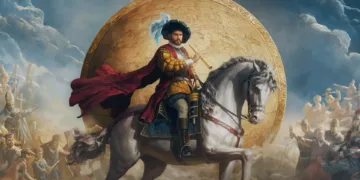




























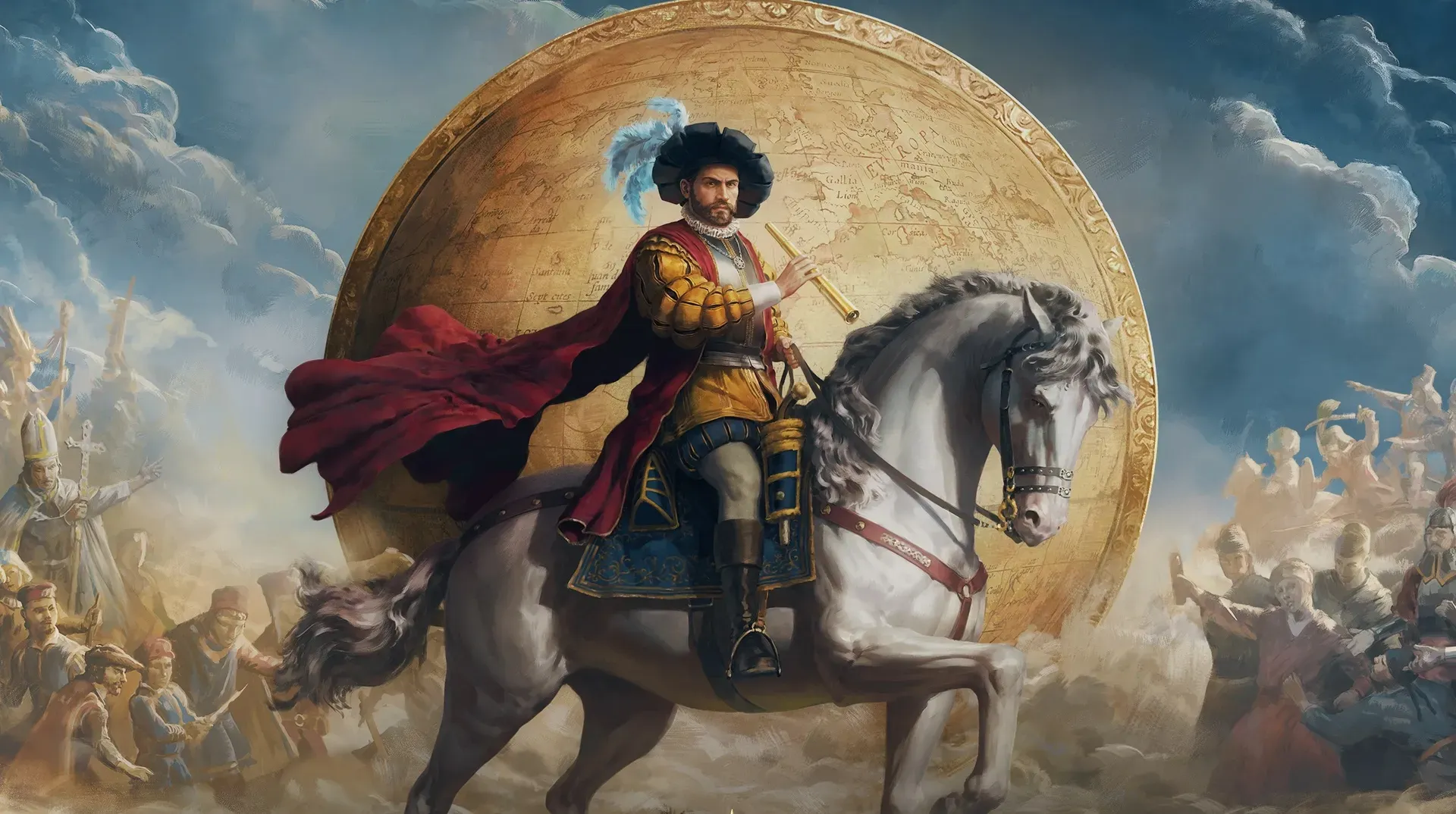

Europa Universalis V frames a half-millennium of history, from 1337 to 1837 CE, through a single directive: simulate the world at unprecedented scale. It hands control of a nation to the player and ties administrative, economic, and military decisions to centuries of cause and effect.
The boldest idea sits at the level of people. Every individual exists as a Pop with culture, religion, and social class tracked. The design moves away from abstract currencies and asks the player to manage granular realities. The scope lands instantly. The game speaks to dedicated historical strategy players who want systems that reward patience and attention.
The Mechanical Depth of a Nation
Systems interlock through extreme detail. The map signals the step up, with roughly seven distinct locations in EU5 for every single province in the previous game. That extra granularity shapes every action. Population mechanics sit at the center.
The individual tracking of culture, religion, and class helps balance national pressures and replaces many abstracted levers. Environment acts as a ruleset too. Topography, climate, and vegetation apply separate modifiers that touch agriculture, logistics, and campaign planning.
Domestic politics add a persistent constraint through five Estates: Crown, Nobility, Clergy, Burghers, and Commoners. Satisfaction management runs through pop-up events and carefully granted privileges that are hard to retract, which keeps pressure on the player over long stretches. Control and Proximity extend the model. Owning land does not ensure tax income or practical governance. A Control value measures how difficult it is to rule regions far from the capital and anchors the economy to geography.
Logistics of Power and the Learning Cliff
External play, from trade to war, requires methodical planning. Extra geographic detail and logistics make conquest slower and more deliberate. Winning battles depends on more than headcounts. Professional armies, siege equipment, terrain, and weather influence outcomes and turn movement and supply into calculations the player must plan around.
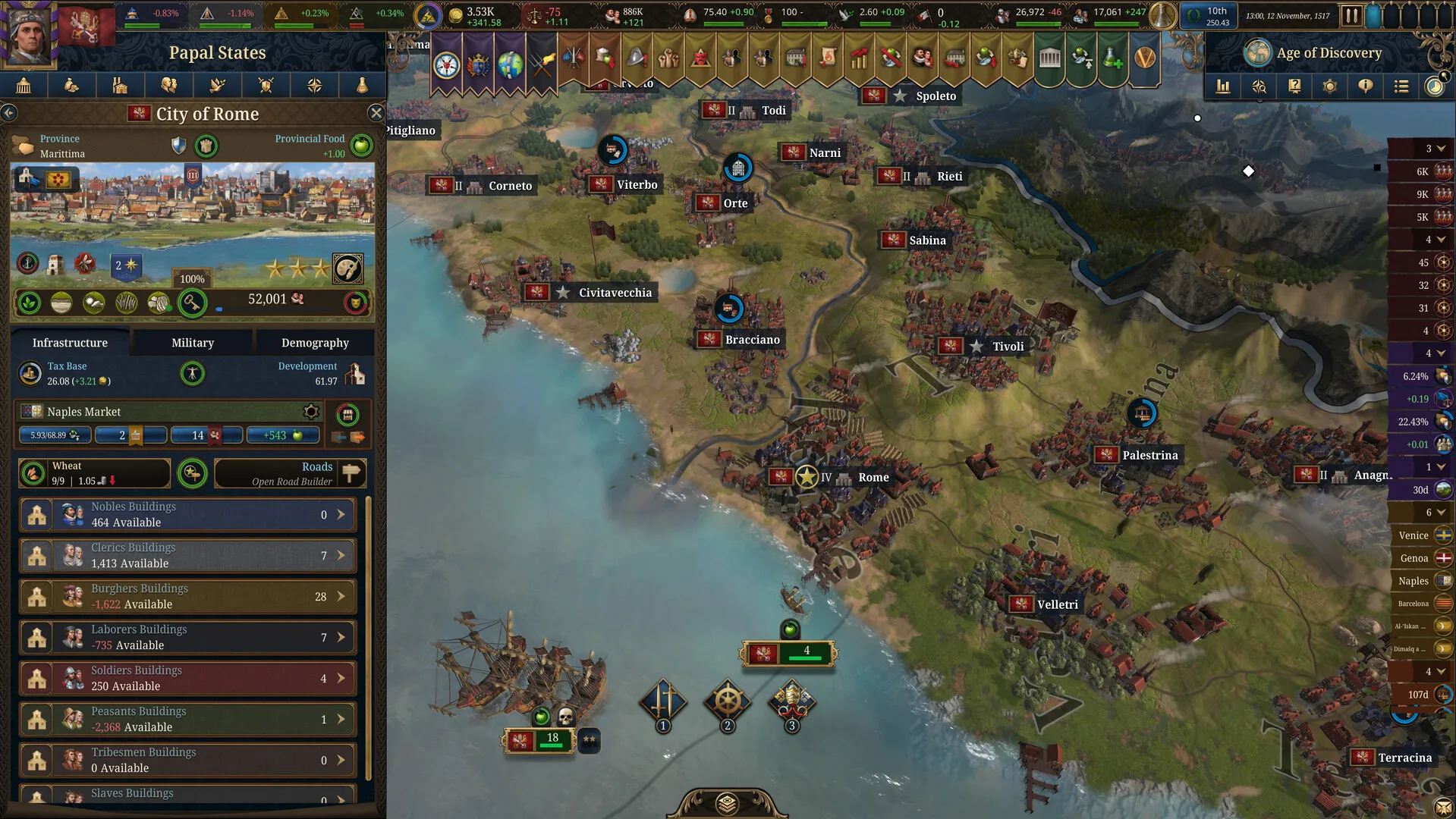
Diplomacy layers systems like Opinion, Trust, and Favours. Historical flavor arrives through International Organizations such as the Catholic Church, which enables Papal Bulls and Crusades, and through regional Situations that establish distinct Casus Belli for local disputes.
Economic growth through colonialism and trade presents intricate choices. Colonization works like a race. Lost investment by one nation can translate into land for another. Trade and production depend on supply, demand, and goods influx. The model is deep and can feel hard to learn by hand without time set aside for study.
The complexity places the game with grand strategy veterans. Automation helps with the first steps. Players can hand construction, trading, and recruitment to the AI, which reduces early overload and lets new players learn in manageable stages. Tutorials and nested tooltips provide guidance, yet the first hours can still feel paralyzing.
The Lens of Authenticity and Technical State
The mechanical base is sturdy, yet tuning, balance, and AI behavior show issues. The simulated globe can drift away from historical plausibility. Reports mention unexpected colonization paths, such as an Italian takeover of the Kongo Basin, and cases where major historical entities fail to form. These outcomes suggest a vast simulation that needs refinement to create an authentic-feeling world.
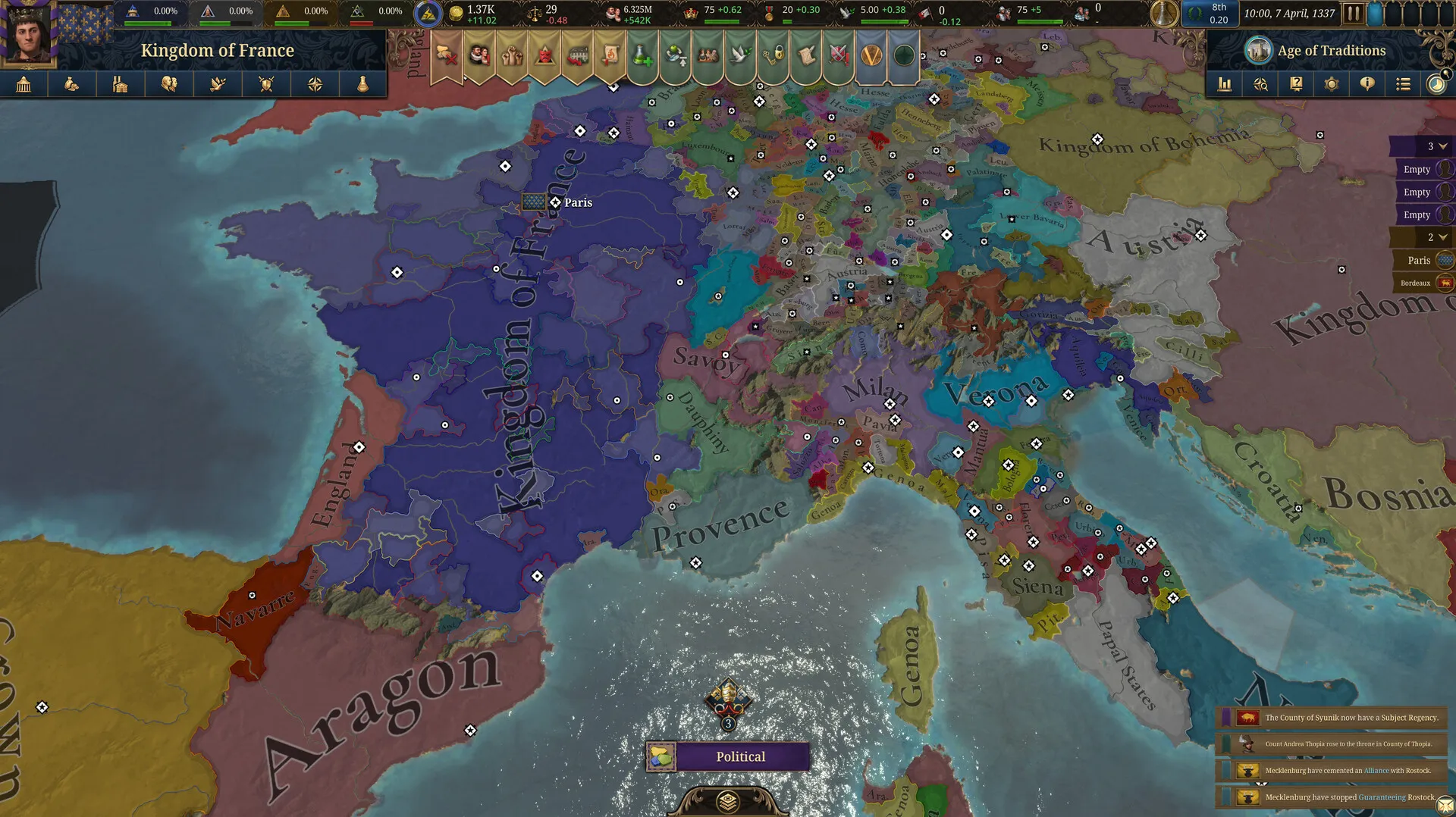
Technical performance stands out. For a CPU-heavy simulation, the game runs smoothly, including on lower-spec machines, and avoids the late-game slowdowns common to related titles. There are reports of inconsistent crashes and minor UI bugs. The studio’s long record of post-release support points toward future balance and stability fixes.
The theme stays direct. This is a top-down atlas of the period that models slavery and colonialism and places the player in the role of a ruler working with the harsh policies of those centuries. The core systems carry strong long-term promise, and players who want a polished, historically consistent run may prefer to wait for patches and further tuning.
The Review
Europa Universalis V
Europa Universalis V is an unprecedented achievement in scale. The total population and geographic simulation provides a phenomenal engine for grand strategy. Its depth, however, comes at the cost of polish. Persistent AI oddities and balance issues currently hinder the creation of a historically plausible world. While the technical foundation is strong and supports the huge scope without slowdown, current stability concerns make it hard to recommend for immediate purchase. This is a game of immense potential that needs several development cycles to fully realize its promise.
PROS
- Unprecedented simulation depth
- Pops system replaces abstract currency
- Excellent technical performance
- Detailed geographic granularity
- Automation assists new players
CONS
- Severe tuning and AI behavior issues
- Inconsistent crashes and stability bugs
- Extremely steep learning curve
- Trade system is difficult to master
- Lacks polish and feels unfinished