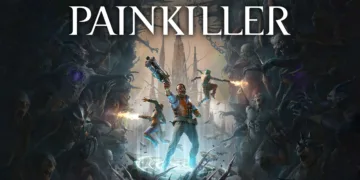



























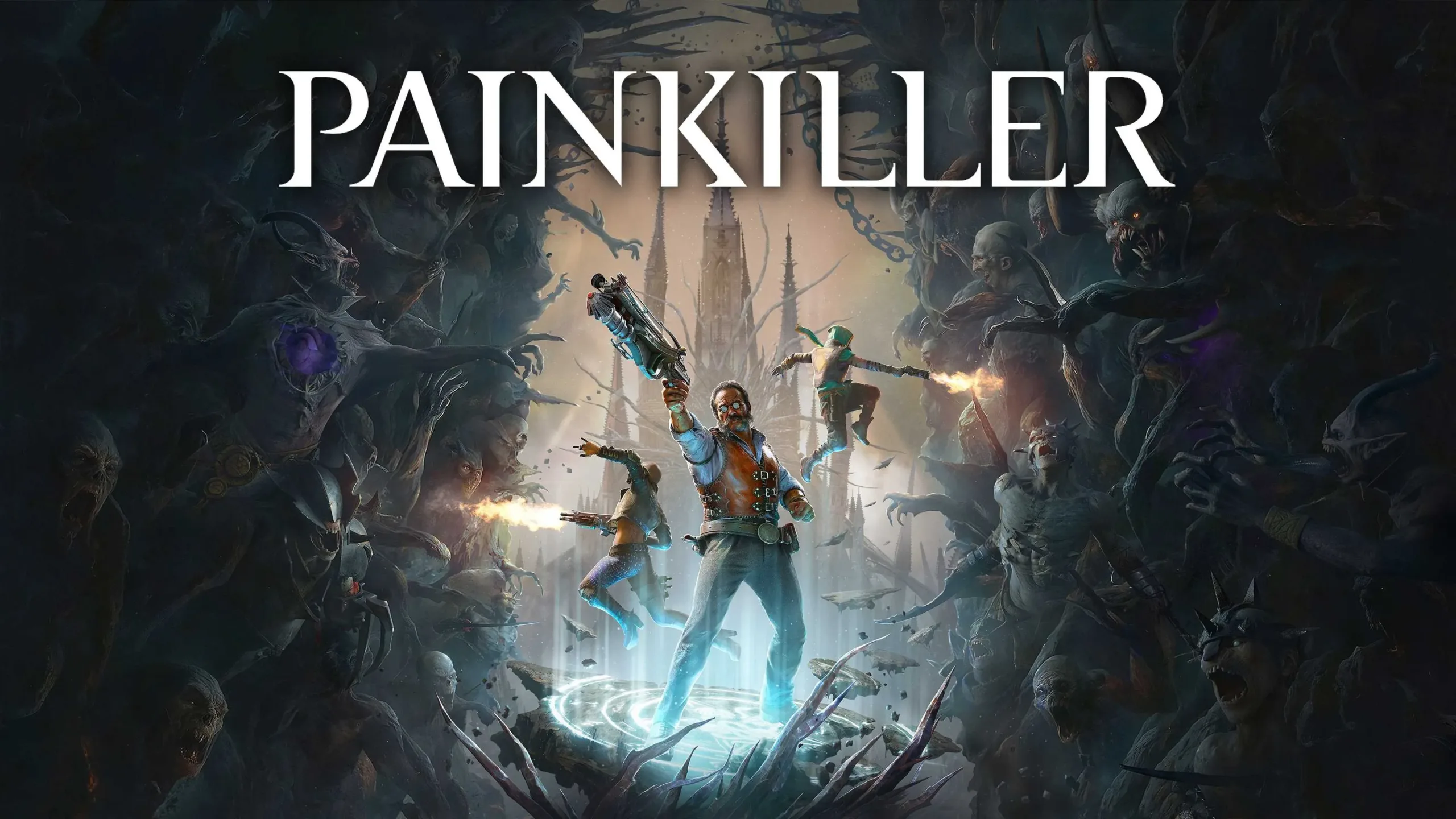

The 2025 release of Painkiller revives the series with a co-op, squad-based, arena-focused first-person shooter that shifts away from the single-player structure of the 2004 game toward a modern live-service framework. The premise arrives quickly.
Four distinct lost souls fight through Purgatory as agents of the angel Metatron to stop Azazel and the Nephilim. The design signals high-pressure combat from the opening minutes, with sustained enemy swarms packed into tight arenas and an emphasis on constant aggression.
The Core Loop of Slaughter
Moment-to-moment play centers on speed, mobility, and crowd control. Sliding, jumping, and a grappling hook that snaps onto floating skulls provide fast vertical movement and vital escape routes. The feel lines up with contemporary boomer shooters that prioritize pace and relentless forward motion.
Co-op sits at the heart of the structure. Up to three human players tackle missions together, while an offline option fills slots with bots. The bots manage basic support without demanding constant revives, which keeps solo runs serviceable, though they lack the unpredictable energy and improvisation that human teammates bring.
Preparation runs through the Tarot Card System. Before each level, players spend in-game currency to equip cards that modify performance. Gold cards grant timed surges like double damage and brief invulnerability. Silver cards stack passive benefits such as health regeneration and higher maximum health. The setup adds a measurable layer of planning that maps neatly onto team roles and personal playstyle.
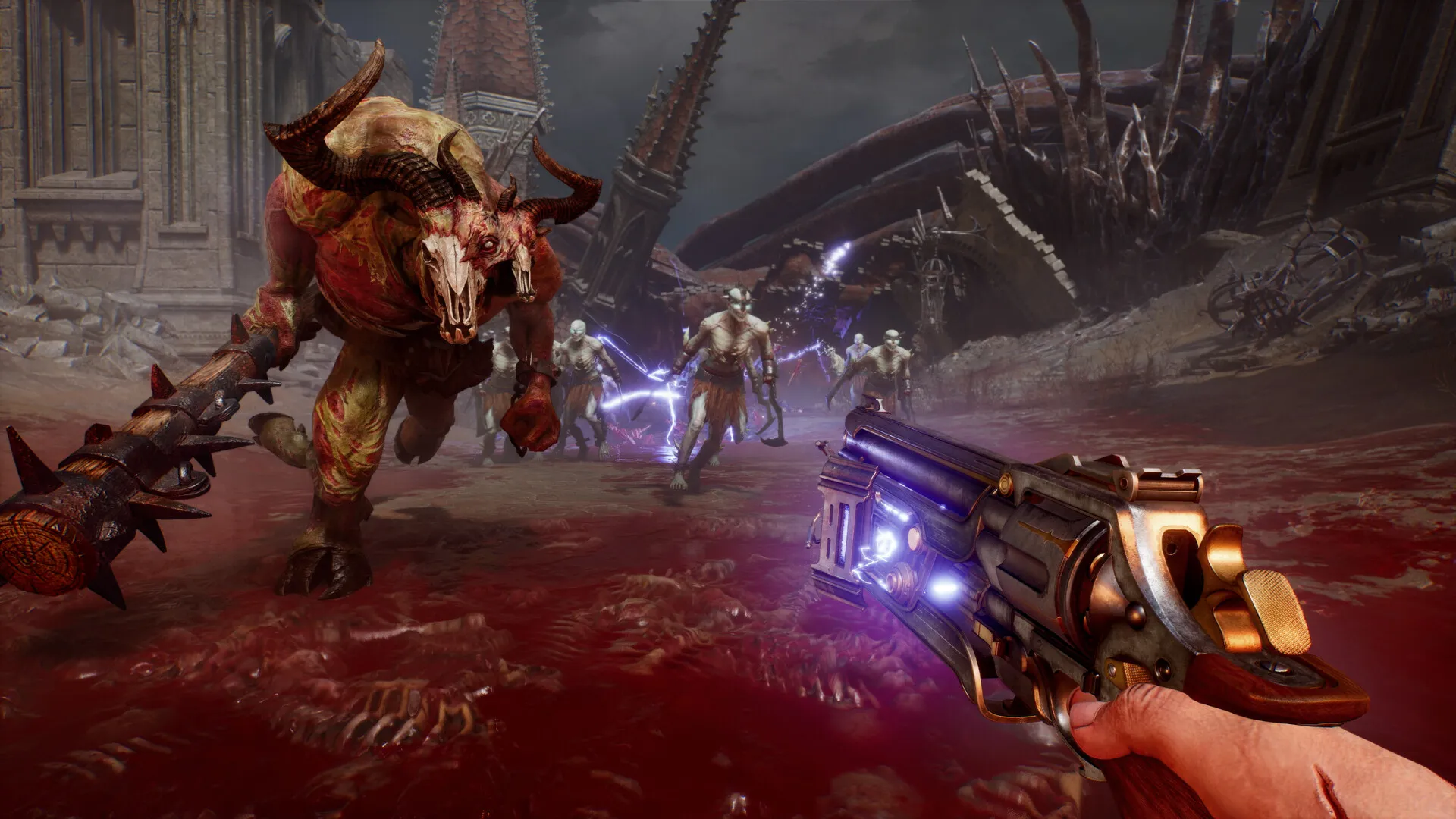
Combat encounters arrive in waves of fast, assertive enemies. The density creates a busy screen and a brisk rhythm, yet the game falters in enemy placement and composition. Fights often compress into an “incomprehensible mass of bodies,” which undercuts target prioritization and spatial reads.
Comparable shooters build tension by staging abilities, spawn timing, and lane pressure. Painkiller frequently trades that choreography for volume, which pushes players toward “spray and pray” patterns and trims tactical decision-making.
An Arsenal of Awesome Destruction
Weapon feel stands out as the game’s best achievement. The lineup carries a strong identity that fuses steampunk, Gothic, and sci-fi motifs into aggressive silhouettes and punchy feedback. The Stakegun returns with the same gleeful impact, pinning enemies to scenery. The starter Electrodriver immediately earns a slot with rapid shuriken bursts and a secondary lightning stream. The shotgun slams with weight and range that sell every trigger pull.
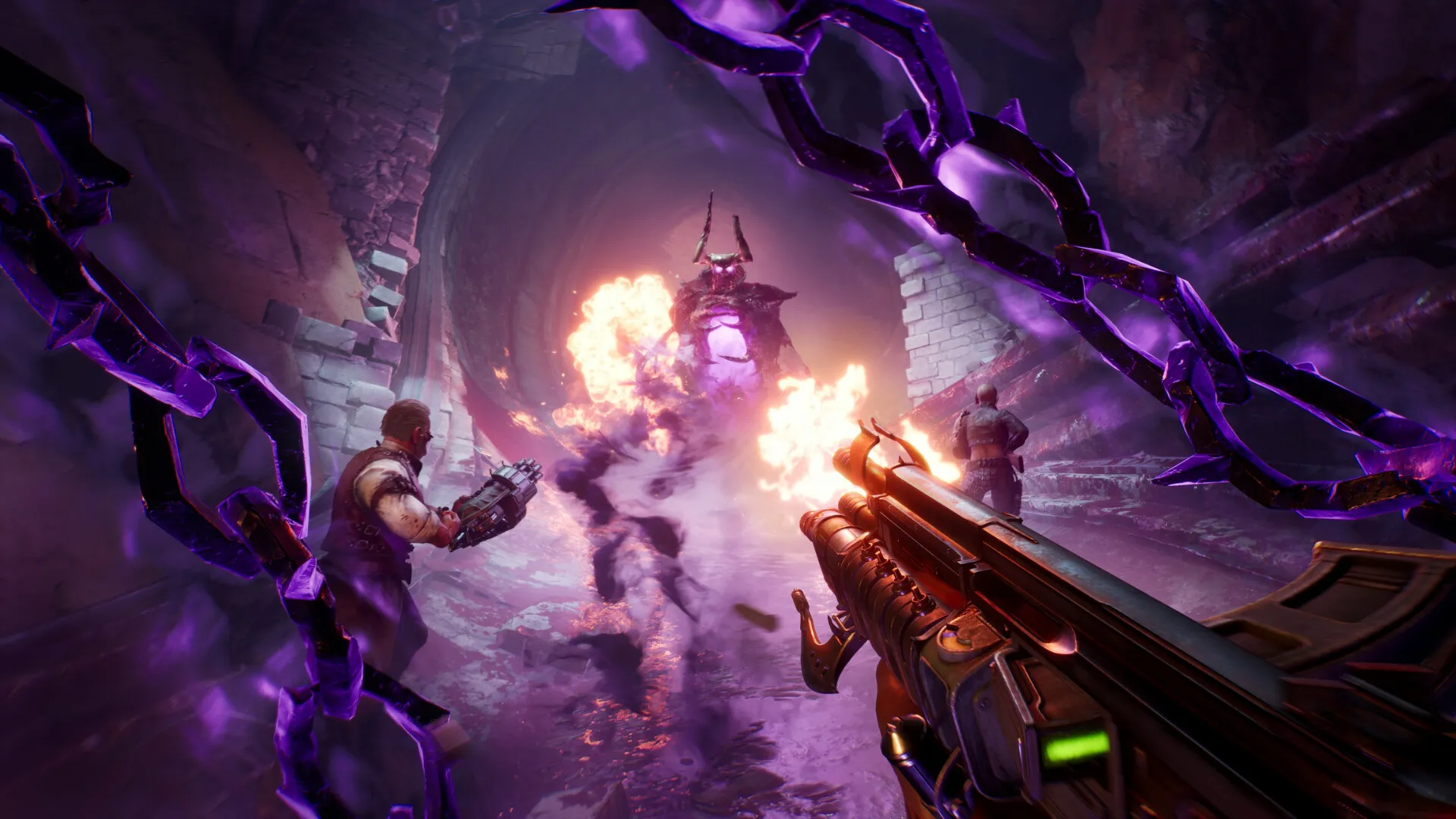
Progression deepens each firearm through alt-fire unlocks and proficiency upgrades. Branching skill paths add elemental effects like ice, fire, and electricity, while animation polish sells the upgrades with crisp reads and satisfying transitions. The namesake Painkiller, a rotating blade device, doubles as a brutal close-range tool and a practical way to replenish ammo for the rest of the kit, which supports longer survival in extended waves.
Haptics on PS5 amplify the arsenal. DualSense feedback and adaptive triggers give each weapon a distinct pull and rumble profile that is easy to read by feel alone. A major friction point appears in acquisition.
The game includes six weapons, yet four require a lengthy in-game currency grind. The lockout stretches time-to-toy and keeps new guns out of circulation for large parts of the campaign. Since players equip only two weapons at once, stacking upgrades on the starting options clears content efficiently, which makes the extended unlock track feel wasteful.
Structure, Content, and Playtime
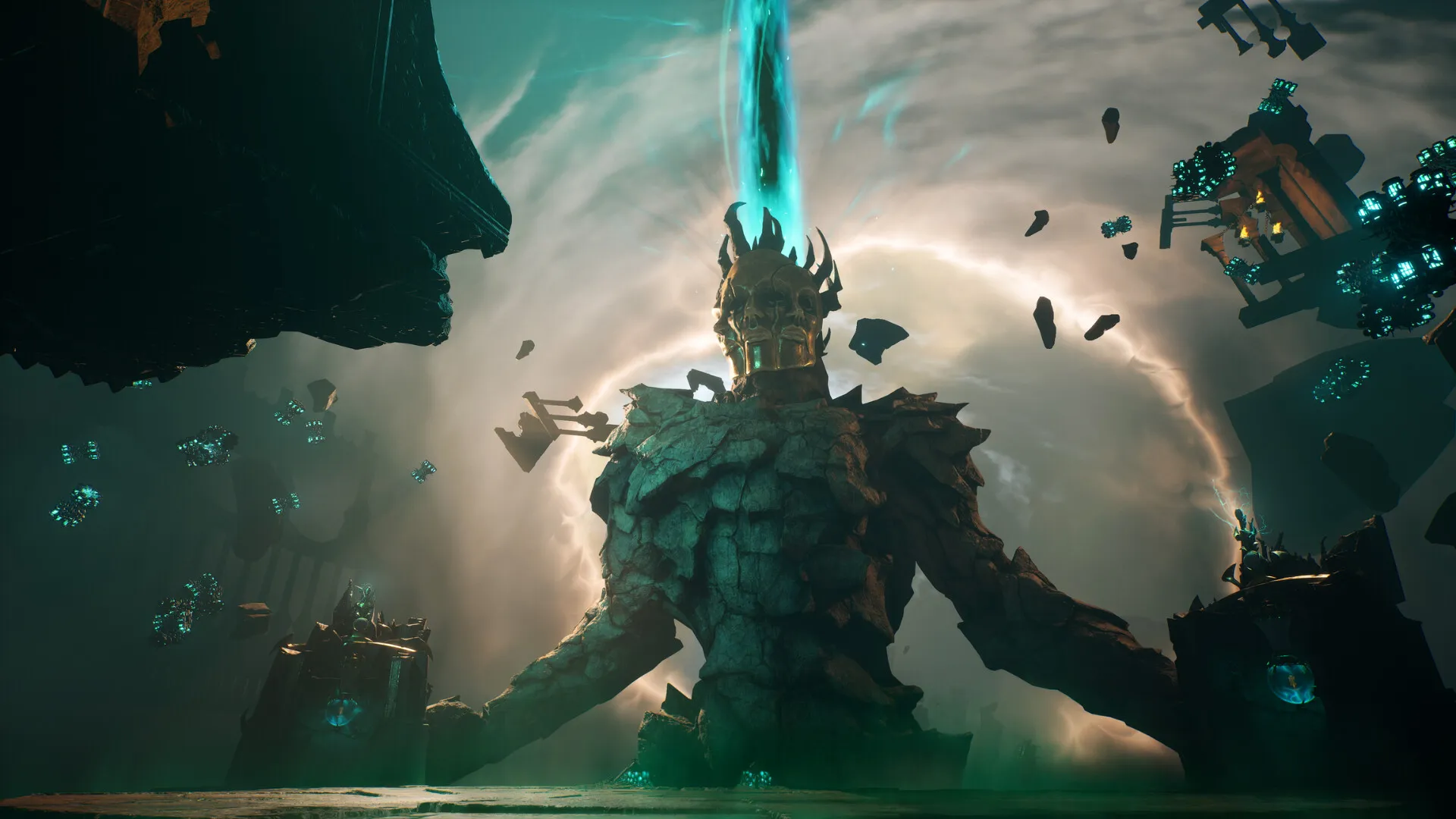
Campaign content organizes into nine raids spread across three chapters, each capped with a boss fight. Visual design in these raids lands with immediate force. A Hellish factory, an eerie cave network, and a fallen Garden of Eden deliver dense geometry, atmospheric lighting, and a steady flow of striking vistas. Vertical layers, jump pads, and secret rooms hidden behind pressure panels provide brief detours that punctuate the arena grind.
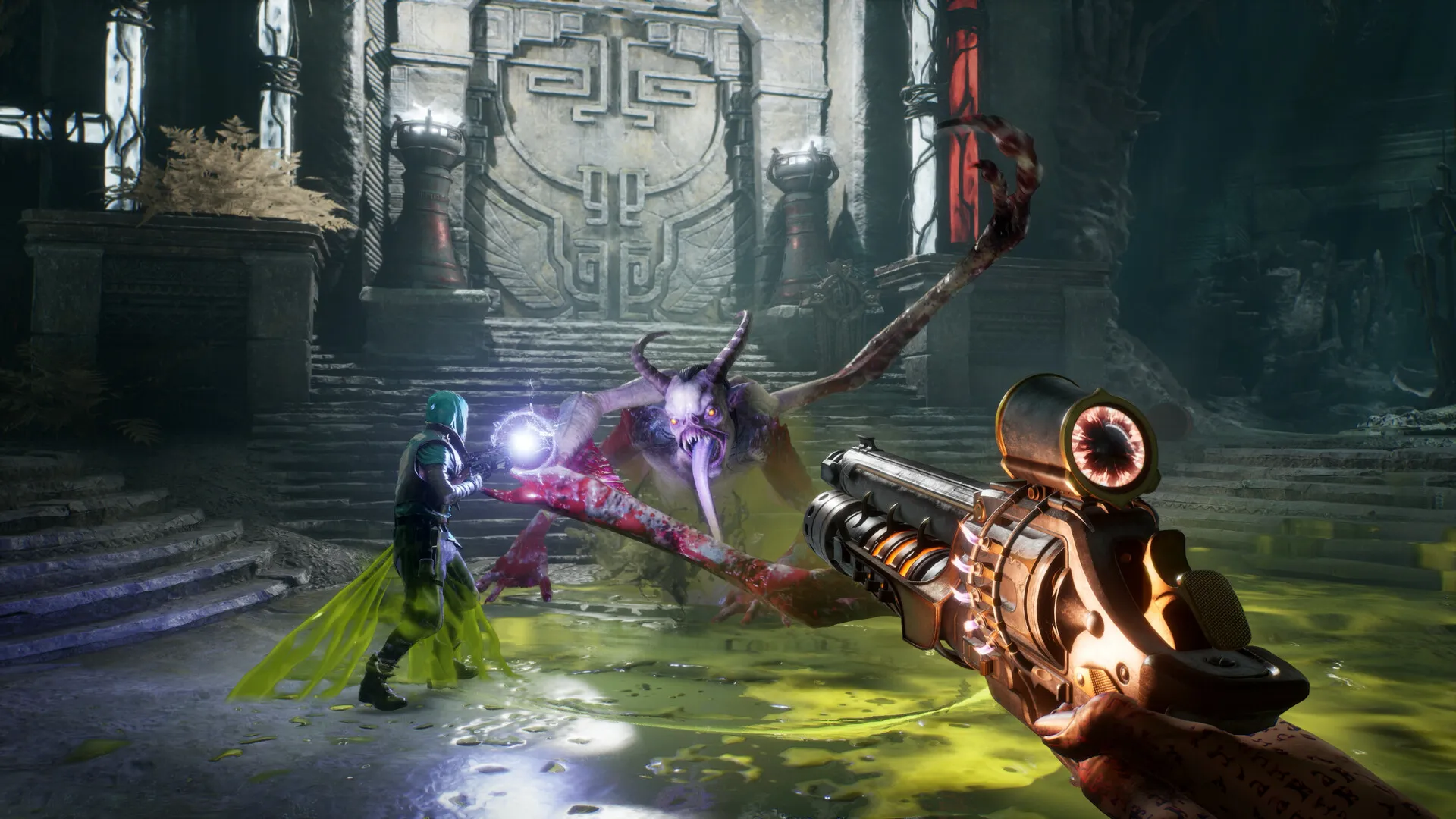
Core objectives do little to diversify the loop. Most mission beats resolve to clearing arenas, collecting blood canisters to open gates, tossing lanterns into a larger lantern, and an occasional escort that runs too long. The return of these tasks with minimal variation saps momentum because the activity sequence repeats with only a change in theme or backdrop.
Boss design compounds the fatigue. Visual scale impresses at first glance, but mechanics read poorly or boil down to health sponge exchanges with routine attack cycles. The raid format increases the sting. If the squad burns through revives or runs dry on healing, failure sends everyone back to the start of the level with no mid-mission save, which means long replays before another boss attempt.
Rogue Angel mode attempts to extend life with randomized runs. It strings together linear sets of random objectives in random arenas before funneling the squad into one of the same three bosses. The structure adds a shuffle but not new systems or scenarios. The game’s footprint fits into a handful of hours. Higher difficulties exist, yet the repetitive task list undercuts the urge to chase cosmetics or re-clear raids for mastery.
Narrative, World Design, and Tone
The story provides functional framing without payoff. The Purgatory war against Azazel sets stakes that support the action, but the plot never develops into a compelling arc and it stops abruptly, which leaves the campaign feeling unfinished.
The four playable characters include a half-demon, half-human reverend and a former queen. Their sketches read flat, so they do not anchor the action with emotional stakes or growth. A technical decision splits progression between offline and online modes. Switching resets the upgrade path, which interrupts investment and dissuades players from swapping modes mid-campaign.
Tone creates the sharpest divide. Metatron’s running commentary and frequent Marvel-style quips give the script a snarky vibe. The humor may land for some players, though the constant asides soften the severity of the demonic conflict and chip away at atmosphere. The mismatch stands out because the world design looks premium. Environments pair disturbing imagery with striking composition and polish, and the art direction threads unsettling motifs through architecture and arena dressing with confidence.
Technical Execution and Presentation
Visual presentation meets modern standards convincingly. Texture density, sharp edges, and detailed lighting sell materials and depth, while performance holds a steady 60 frames per second even during large waves. The image remains readable in chaos, which helps with quick aim corrections and traversal choices.
Audio design supports the violence with crisp impacts, crunchy gore cues, and clear weapon signatures. The soundtrack, a run of generic metal tracks, sits under the action as a baseline pulse without leaving a strong musical identity or theme hook. Mix moments hit with force, yet the music rarely lifts an encounter into something memorable beyond the effects track.
Stability issues cut into the experience. Audio clipping, overlapping lines, and random volume spikes appear across missions. Movement desync shows up whether the team uses humans or bots. Teammates and enemies occasionally “zip” across the screen as if the network hiccups or frame pacing slips, which disrupts tracking and crowd reads during peak density. The voice acting for squad banter lands at a middling level and does not rescue the uneven tone or lift character presence during longer sessions.
The Review
Painkiller
Painkiller succeeds brilliantly in delivering visceral, fast-paced combat backed by an incredible arsenal of imaginative weapons, complete with impressive haptic feedback on compatible consoles. However, this excellent core is housed within a repetitive and shallow package. The nine raids offer limited objective variety, the boss encounters are lackluster, and the currency grind feels unnecessary. While the world design is visually stunning, the story is incomplete and the technical stability is inconsistent. It is a shooter that nails the feel of killing demons but lacks the content depth to sustain engagement beyond a single, short playthrough.
PROS
- Imaginative and highly satisfying weapon design
- Visceral, high-mobility arena combat loop
- Stunning and detailed visual world design
- Excellent use of PS5 DualSense features
- Functional bot support for offline play
CONS
- Highly repetitive mission objectives
- Limited content (only nine raids) and short playtime
- Three underwhelming boss fights
- Unnecessary currency grind for weapons
- Incomplete and abrupt narrative
- Technical issues (clipping, visual stutters/lag)
- Generic heavy metal soundtrack