












Melita Toscan du Plantier is using the 22nd Marrakech International Film Festival to underline the event’s dual role: a high-profile stop for awards contenders and a free, public showcase for emerging voices, anchored this year by jury president Bong Joon Ho.
The South Korean filmmaker, who won the Palme d’Or and multiple Oscars with “Parasite,” agreed months ago to lead the jury that will decide the Étoile d’Or, the festival’s top prize, for one of 14 first and second features in competition. In a festival communiqué, he praised Marrakech’s history of “fresh, beautiful films” and said he was eager to share the theatrical experience with local audiences.
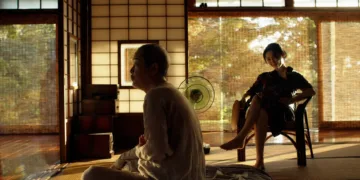
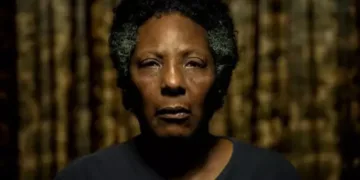
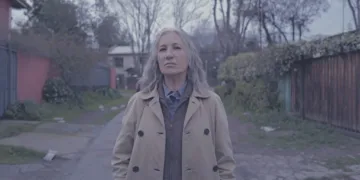
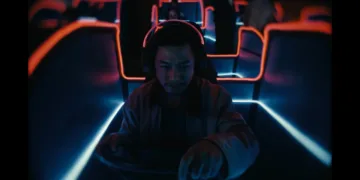
Bong is joined on the jury by Brazilian director Karim Aïnouz, Moroccan filmmaker Hakim Belabbes, French director Julia Ducournau, Iranian actor-director Payman Maadi, American actor Jenna Ortega, Canadian filmmaker Celine Song and Anglo-Argentinian star Anya Taylor-Joy. Their task is to watch debut and sophomore features that range from political dramas to formally experimental work before announcing winners on December 6.
This year’s edition gathers 82 films from 31 countries, spread across Competition, Gala Screenings, Horizons, the 11th Continent, a Moroccan Panorama and family programming. The festival also pays tribute to Jodie Foster, Guillermo del Toro, Moroccan actor Raouya and Egyptian star Hussein Fahmi through retrospectives and conversations.
In an interview with Moroccan media, Toscan du Plantier stressed that the selection aims to reflect the “diversity of forms, writings and perspectives” shaping current cinema, from mainstream titles to experimental work. She highlighted the Moroccan Panorama and Atlas Programs as proof that the festival treats Arab and African filmmaking as part of the same artistic conversation as European and American cinema, rather than assigning it to a separate niche.
Toscan du Plantier’s influence on Marrakech stretches back two decades. After the death of her husband, producer Daniel Toscan du Plantier, she stepped in as festival director in the early 2000s, helping stabilize the event, and later returned as advisor to the foundation president, becoming one of the most visible female leaders on the global festival circuit.
Opening-night coverage showed how that long game pays off. Bong and his jury drew a standing ovation, while a press conference quickly shifted from film references to worries about artificial intelligence, with Ortega and others arguing that imperfection and risk give cinema its humanity. Toscan du Plantier, speaking to one outlet, called it “incredible” that first-time directors can screen their work for such a group.
All festival screenings and high-profile “Conversations” events remain free with registration, a policy Toscan du Plantier frames as central to Marrakech’s identity as a public cultural event, even as it gains clout on the awards circuit by hosting Oscar hopefuls and recent prizewinners from Cannes, Venice and Berlin.