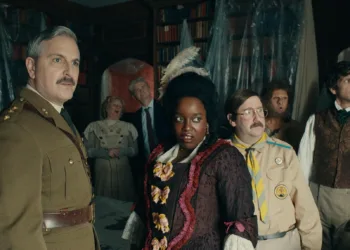










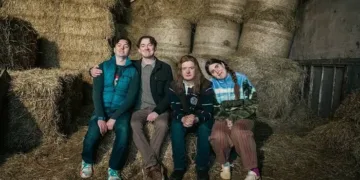



















The fictional county of Midsomer still feels like an impossible geographic anomaly. Every stone cottage seems built to hide a secret, and every parish council meeting carries the risk of a casualty. Season twenty-five returns to those treacherous hedgerows for four new feature-length investigations led by DCI John Barnaby.
The series keeps working inside its cozy-mystery lane, treating murder with a strange politeness. It favors village fetes, specialized hobbies, and simmering grievances that swell until they explode. This year, the team wades into the subcultures of mudlarking and competitive lawn bowls.
There is something comforting about how constant the show feels while television keeps changing around it. The comfort comes from discipline: a formula that rarely wobbles. The production keeps the landscapes postcard-perfect even as a local vicar or a retired accountant meets a grisly end. Midsomer remains a place where the stakes feel intimate. These crimes ripple through tiny communities, leaving the wider world untouched.
The Architecture of Rural Fantasy
The visual identity of this season runs on a sharp tension between beauty and brutality. The camera lingers on pristine countryside, then uses that calm as a stage for some impressively creative violence. Season twenty-five leans into an idealized rural life. Every blade of grass on the bowling green looks groomed. Every stone bridge in the marshes seems lifted from a nineteenth-century oil painting. That aesthetic choice works as a cultural artifact. It offers a version of England that many people want to imagine still exists.
This is also how the series defines the cozy mystery: by placing the intellectual puzzle first. The grime of real-world crime falls away. The show keeps its attention on personal failures, on the private bitterness that turns a neighbor into a threat.
The villages operate like sealed environments. Insulation is part of the design. Everyone becomes a suspect, and every friendly conversation can carry a hidden history. The structure turns the county into a giant board game, full of pieces that look harmless until you watch them move. I remember spending childhood summers in similar villages, far safer than this fictional one, with the same hush that arrives once the shops close and the roads empty. The season captures that quietness with surprising precision.
The lighting often stays bright and clear, creating the sense that everything sits in plain view even while characters lie through their teeth. That clarity makes the discovery of a body in a flower bed feel both jarring and weirdly in tune with the setting. Eccentricity remains a key motif. Characters define themselves through devotion to particular hobbies.
This season leans into gardening and specialized sports, treating these interests as coping mechanisms for the boredom of quiet lives. They also become the friction points that spark lethal outcomes. The series still functions like a tourism advertisement for a place you would never actually want to visit: a beautiful, deadly park.
Mechanics of the Midsomer Mystery
The narrative construction this season is dense, with plots packed full of local politics and petty rivalries that turn serious. The first episode sketches the tension between mudlarkers and magnet fishers. Reverend William Gideon leads a group searching for Anglo-Saxon artifacts, while the Magneteers pull scrap from the river for profit.

That conflict gives the writers a neat set of plot devices, letting historical artifacts slide into modern motives. The season also delivers the kind of creative death longtime viewers expect, including the discovery of a sinkhole used as a murder weapon. It turns the natural landscape into an active participant in the crime.
The bowling club case carries the same level of detail, shifting the focus to internal politics at the Midsomer Devereux Bowling Club. Disputes over property bids and accusations of cheating give the story its social fuel. The potential sale of the land to a developer, Harry Peterson, adds a clean financial motive that fits the show’s tidy sense of cause and effect.
The murder methods stand out as a technical highlight this year, staged with a controlled confidence. One character is killed with measuring calipers thrust into a nasal cavity. Another dies under a fall of heavy logs. These scenes are filmed with a steady hand, with editing that stays calm and legible. The show prefers clarity over frenzy, laying clues out in a way that invites the viewer to play along. Physical evidence matters. A missing photograph or a deleted smartphone message can become the hinge the entire case swings on.
The season also keeps a strong connection to the past. One investigation looks back to a disappearance from the 1980s, reinforcing the idea that the village remembers everything. Long-standing family feuds power the plot, suggesting that the countryside’s peace is a thin veil stretched over years of resentment. The series stays committed to what it does best: a puzzle that rewards attention to small details in the setting, without chasing the shape of a complex psychological thriller.
Durable Leads and Local Suspects
The cast provides the weight that keeps these stories grounded, even when the crimes get absurd. Neil Dudgeon continues as a calming presence as DCI John Barnaby, using dry humor to meet the madness with steady logic. The family scenes remain one of the show’s quiet strengths. Barnaby’s wife, Sarah, and their daughter, Betty, represent the normalcy the criminals have abandoned. They also serve a practical purpose in the season’s pacing, giving the viewer room to breathe between discoveries, interrogations, and reveals.

Nick Hendrix returns as DS Jamie Winter, bringing youthful energy and a complementary skill set. He handles technical research and the more physical side of the work, and the partnership has settled into an easy rhythm that feels like an actual professional relationship.
Dr. Fleur Perkins stands out again, with Annette Badland playing her with a sharp wit that brightens the morgue scenes. She treats bodies with professional detachment, and the humor that comes from her delivery lands without breaking the show’s tone. She also supplies the medical clues that keep the stories moving.
The guest cast remains essential to the season’s texture. Peter Davison and Sarah Hadland appear as local residents, and the writing gives them the familiar Midsomer flavor: passive-aggressive, watchful, and full of secrets. The suspicious vicar and the greedy developer remain genre staples here, and the performances play them with restraint.
These characters keep their shadows without tipping into cartoon villainy, which helps the mysteries hold their shape until the end. The show understands these types down to the posture and the pause. It knows how a disgruntled club member or a jealous spouse should behave. That predictability becomes part of the charm, like returning to a group of people you have known for a long time.
The Steady Pulse of the Investigation
The ninety-minute format dictates the pace, and season twenty-five uses that length to build tension slowly. It leaves room for red herrings and secondary plots that a shorter program would cut. Subplots involving local businesses or romantic affairs fill out the runtime and keep suspicion moving from face to face.

The structure follows a reliable rhythm. The first death arrives in the opening minutes, followed by an investigation that introduces a dozen suspects and their overlapping grievances. A second death often lands around the sixty-minute mark, raising the stakes and narrowing the field. For regular viewers, that cadence feels reassuring. It gives you time to settle into the mechanics without getting yanked forward too fast.
The dialogue style functions as a technical tool of its own. Characters speak evasively, using British politeness to dodge direct answers. That social dance creates a specific tension, forcing Barnaby to strip away layers of civility to reach the truth. The methods of solving the crimes stay traditional. The team works through physical evidence and logical deduction, analyzing bank accounts and checking alibis. The solutions arrive through steady police work, with no sudden bursts of forensic magic.
The soundtrack supports this atmosphere with whispery tension and mild piano pieces that suggest unease. The music behaves like an audio version of a raised eyebrow. It stays present without crowding the scene. Season twenty-five also continues the series’ preference for an old-fashioned visual and sonic style, avoiding neon-lit aesthetics and booming scores associated with Hollywood productions. The show moves with the reliability of a village clock, and that steadiness helps explain why it still plays well after twenty-five seasons.
Midsomer Murders reflects a desire for order. In a time that can feel chaotic, the series offers a space where every crime has a clear solution. The villain gets caught. The motive gets explained. That narrative clarity pulls hard, delivering a kind of closure that real life rarely provides. The production understands what its audience wants, and it builds toward it with confidence: teacups, green fields, and clever murders. Season twenty-five delivers exactly that, presenting a well-crafted piece of television with a firm grasp of its identity and a lasting place in the British media landscape.
Midsomer Murders Season 25 premiered on December 8, 2025, exclusively on Acorn TV for audiences in the United States and Canada, with weekly episodes rolling out through the end of the month. This historic season continues the investigations of DCI John Barnaby and DS Jamie Winter as they navigate four new feature-length mysteries set within the deceptively idyllic villages of Midsomer County. From the competitive world of lawn bowling to the muddy riverbanks of treasure hunters, the series remains available for streaming on Acorn TV, while UK viewers can typically find the series on ITVX.
Full Credits
Title: Midsomer Murders Season 25
Distributor: Acorn TV, ITV, All3Media International
Release date: December 8, 2025
Rating: TV-14
Running time: 90 minutes
Director: Paul Gibson, Roberto Bangura, Darcia Martin, Matt Carter
Writers: Julia Gilbert, Maria Ward, Jeff Povey, Helen Jenkins
Producers and Executive Producers: Peter Bullock, Ian Strachan, Michele Buck, Neil Dudgeon, Louise Pedersen
Cast: Neil Dudgeon, Nick Hendrix, Annette Badland, Fiona Dolman, Isabel Shaw
Director of Photography (Cinematographer): Colin Munn, Graham Frake
Editors: Derek Bain
Composer: Jim Parker
The Review
Midsomer Murders Season 25
Midsomer Murders Season 25 stays true to its identity as a staple of comfortable television. The production maintains high visual standards while providing the logical puzzles that fans expect. It serves as a reliable retreat for those who appreciate traditional storytelling within a scenic English framework. The series avoids the harshness of modern crime dramas to focus on character eccentricities and inventive homicide. While the pace remains slow, the attention to detail keeps the experience satisfying for the patient viewer. It remains a polished example of the cozy mystery genre.
PROS
- High production values and beautiful cinematography that captures the rural aesthetic.
- Creative and unconventional murder methods that keep the formula fresh.
- Strong chemistry between the lead detectives provides a sense of continuity.
- Reliable and comforting story structure for fans of the genre.
CONS
- Slow pacing might alienate viewers who prefer high-action thrillers.
- High predictability for seasoned fans who recognize the established tropes.
- Long episode runtimes can feel taxing without significant plot variation.