















![Kingdom Hearts Collection [I-III] Review](https://gazettely.com/wp-content/uploads/2026/10/Kingdom-Hearts-Collection-I-III-1-360x180.webp "Kingdom Hearts Collection [I-III] Review: KHII Holds Steady as Newer Entries Fluctuate 37")



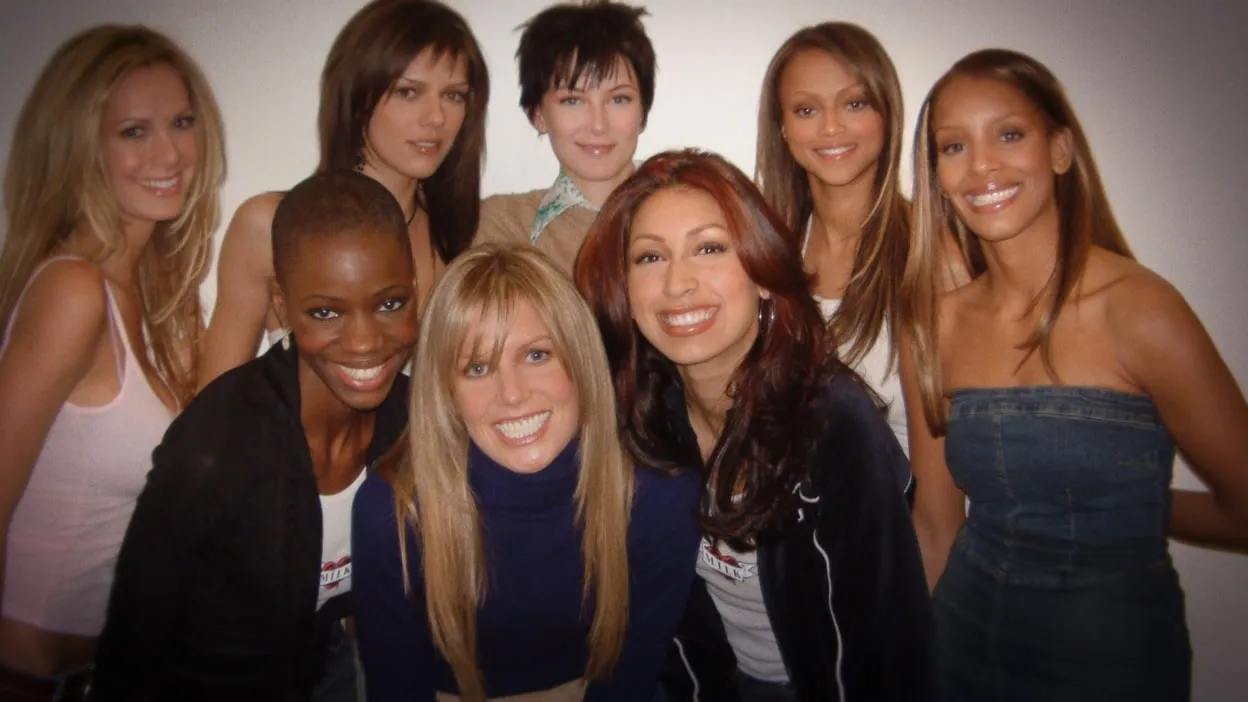

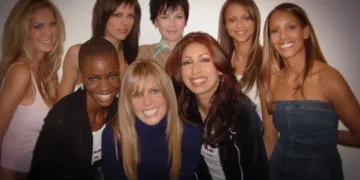
The term “smize” landed in the culture as playful advice about selling a look through the eyes. The series that popularized it carried a harsher truth behind that camera-ready stare. America’s Next Top Model premiered in 2003, grew into a global franchise with 50 international versions, and at its peak drew an estimated 100 million viewers. Audiences came for high-concept photoshoots and the spectacle of young women competing for entry into a tightly guarded industry.
Netflix shifts the angle with Reality Check: Inside America’s Next Top Model, a three-part documentary directed by Mor Loushy and Daniel Sivan. The series peels back the sheen and studies how a program promoted as inclusive could still generate psychological distress as part of its entertainment design.
Tyra Banks and executive producer Ken Mok appear, along with key members of the original support staff: Nigel Barker, Jay Manuel, and J. Alexander. The timing is part of the story. Pandemic-era binge-watching sparked a fresh reckoning among younger viewers, including Gen Z audiences who watched the archival footage and wanted answers about cruelty that once played as prime-time fun. The documentary positions itself as that response, measuring what it cost to become a cultural icon.
The Myth of Neutrality
Ken Mok leans on a careful piece of language when defending the show’s legacy: he repeatedly calls the series a documentary. The framing suggests the cameras acted like passive lab equipment, recording behavior without shaping it. That label creates distance from the ethical consequences of production decisions. “Documentary” can sound like observation; it can also function as cover.
Tyra Banks takes up a similar posture, speaking with the cadence of a corporate motivational pitch while shifting responsibility toward audience appetite. She argues that viewers wanted extreme drama, placing the show in the role of supplier responding to demand. She also returns to the idea that the culture “was different back then,” a phrase that smooths over specific incidents and softens personal accountability.
The documentary’s sharpest material comes from the cracks inside the brand. It foregrounds the bitter fallout between Banks and Jay Manuel, and Manuel delivers several of the most direct reflections. He describes deep regret about his participation in what he calls a toxic atmosphere, and he lays out a workplace where ratings pressure overrode basic empathy. Interviews with the former “dream team” show an internal hierarchy that sidelined creative input and rewarded manufactured conflict. The suffering stayed on the surface because the format required a weekly spectacle.
That behind-the-scenes portrait matters because it reframes the series as a workplace system, not just a televised competition. The production team comes across as fractured and competitive in ways that mirror the models’ on-camera dynamics. The firing of the original staff becomes a turning point in the documentary’s account, followed by a void filled with a more aggressive style. Shock value rose; professional development fell. Leadership choices prioritized the brand’s momentum, and the people inside the machine carried the cost.
Collateral Damage on the Runway
The documentary places former contestants at the front of its moral argument, and their faces carry the residue of what the format asked them to endure. Shandi Sullivan’s Cycle 2 story becomes one of the clearest examples of production interference. During a trip to Milan, she was filmed while heavily intoxicated. She recalls drinking two bottles of wine and losing memory of large portions of the night.
The show packaged what followed as scandal. The documentary points toward a serious consent problem, then stays with the moment where producers kept cameras running while she broke down. Even the phone call to her boyfriend came with conditions. Access to the call depended on cameras being present.
Dani Evans, the Cycle 6 winner, describes pressure that operated through “makeover” logic while still functioning as coercion. She was told repeatedly to close her tooth gap through surgery. She resisted multiple times, and the production kept pushing until she underwent the procedure. The demand elevated a narrow aesthetic ideal above her autonomy, treating her body as a negotiable part of the product.
The series also returns to a familiar reality-TV tool: the “villain edit.” Ebony Haith experienced it in the first season, with a portrayal built on stale tropes about Black women. The documentary links that edit to real professional consequences that lasted years. Across these stories, contestants are presented as usable assets whose long-term careers mattered less than weekly narrative beats.
Even winners describe a hard ceiling: the fashion industry often treated them as reality stars, which interfered with serious modeling opportunities. The show promised escape from deprivation and opportunity in a gatekept world, then frequently left contestants carrying stigma and trauma that outlived the final episode. In the present-day interviews, the contestants speak with clarity and specificity, while producers offer smoother defenses with fewer admissions. Their testimony supplies the weight that the critique needs.
| Contestant | Cycle | Key Incident | Lasting Impact |
| Ebony Haith | 1 | Labeled with a “villain edit” | Faced racial stereotyping and career stalls |
| Shandi Sullivan | 2 | Filmed while intoxicated in Milan | Public shaming and personal trauma |
| Keenyah Hill | 4 | Harassed and fat-shamed on camera | Endured humiliation rituals for “good TV” |
| Dani Evans | 6 | Pressured into dental surgery | Won the show but felt exploited by leadership |
The Ugly Side of Beauty
The documentary treats the franchise’s record on race and body image as a catalog of choices that read as taboo now. It revisits multiple photoshoots where models were painted to represent different ethnicities, presented at the time as “versatility” exercises.
The series argues that the premise ignored the dehumanization built into the concept. It also calls out Banks’ own participation in microaggressions, including a moment where she used derogatory language to criticize a model’s skin texture. The show spoke the language of expanding beauty, then kept reproducing familiar hierarchies and policing bodies along old lines.
Keenyah Hill’s Cycle 4 experience becomes a key illustration of that contradiction. She was fat-shamed across the season, and the production pushed her into a challenge where she posed as an elephant in an African-animals theme. The humiliation aired to millions as entertainment. The showrunners framed this treatment as “preparation” for a harsh industry, turning cruelty into a professional lesson.
The documentary also revisits shoots that glamorized violence and poverty, including scenarios where models posed as murder victims or as unhoused people. The series treats these set pieces as recurring humiliation rituals that shaped the franchise’s identity. It addresses the familiar defense that this behavior reflected early-2000s norms, then gives contestants space to answer from lived memory. They describe intense pressure and distress as it happened, along with voices that went unheard in the moment. Their pain fed the ratings model.
The result is a portrait of a cultural product that wrapped itself in the imagery of progress while running on vulnerability and control. For viewers who grew up with the franchise, the documentary frames the reckoning as both personal and structural: a reminder that entertainment can sell empowerment language while organizing itself around exploitation, then calling it a reflection of “the times.”
Reality Check: Inside America’s Next Top Model premiered today, February 16, 2026, and is currently available for streaming exclusively on Netflix. This three-part docuseries serves as a retrospective on the cultural impact and behind-the-scenes controversies of the long-running reality competition. It features candid, new interviews with the original “dream team” and a variety of former contestants who share their perspectives on the show’s complex legacy in the modern era.
Where to Watch Reality Check: Inside America’s Next Top Model Online


Full Credits
Title: Reality Check: Inside America’s Next Top Model
Distributor: Netflix
Release date: February 16, 2026
Rating: TV-MA
Running time: 60 minutes per episode
Director: Mor Loushy, Daniel Sivan
Writers: Mor Loushy, Daniel Sivan
Producers and Executive Producers: Mor Loushy, Daniel Sivan, Ken Mok, Tyra Banks, Dawn Ostroff
Cast: Tyra Banks, Jay Manuel, J. Alexander, Nigel Barker, Nolé Marin, Dawn Ostroff, Ken Mok, Ebony Haith, Giselle Samson, Joanie Sprague, Whitney Thompson, Dani Evans, Bre Scullark, Dionne Walters, Keenyah Hill, Shannon Stewart, Shandi Sullivan
Editors: Mor Loushy, Daniel Sivan
The Review
Reality Check: Inside America’s Next Top Model
This docuseries provides a necessary, if uncomfortable, autopsy of a reality television pioneer. It successfully strips away the artificial glamour to reveal the psychological machinery underneath. While the producers remain defensive, the raw honesty of the former contestants carries the narrative. The series highlights the stark disconnect between 2000s sensationalism and modern ethical standards. It is a sobering look at the human cost of manufactured fame. The pacing drags in parts, yet the archival evidence remains undeniable. It forces the viewer to acknowledge their own role in the consumption of this trauma.
PROS
- Significant access to key production figures and former contestants.
- Powerful first-hand accounts that challenge the official production narrative.
- Effective use of archival footage to illustrate cultural shifts.
- Honest exploration of the fallout between Tyra Banks and Jay Manuel.
CONS
- Occasional uneven pacing across the three-hour runtime.
- Defensive posture from leadership limits the depth of the accountability.
- Heavy reliance on a "TikTok-style" edit that can feel frantic.