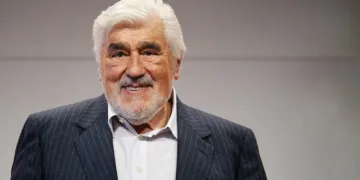













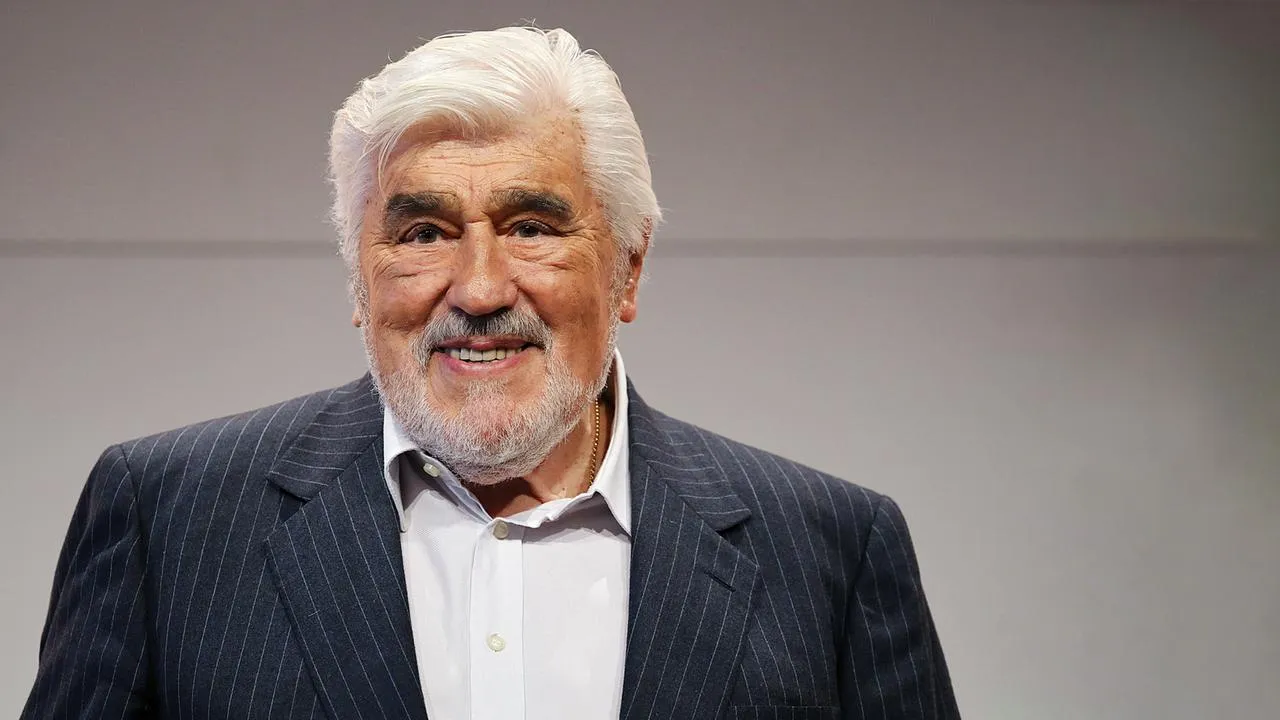

Mario Adorf, the German-Italian actor whose career ran from postwar German cinema to major European art-house landmarks, died April 8 in Paris after a short illness. He was 95. The death was confirmed by his manager, Michael Stark, citing Adorf’s wife, and quickly drew tributes from film institutions and German political leaders who cast him as one of the defining screen figures of the German-speaking world.
Adorf’s reach came from range and force. Across nearly 70 years and more than 200 screen credits, he played gangsters, patriarchs, villains and worn-down authority figures with a physical charge that made even secondary roles hard to forget.
English-language audiences knew him from Volker Schlöndorff’s Oscar-winning “The Tin Drum,” while German viewers carried a longer memory that stretched from the Karl May western “Winnetou” films to television staples such as “Kir Royal.” Industry obituaries also pointed to work with Billy Wilder, Rainer Werner Fassbinder, Sam Peckinpah, Sergio Corbucci and Claude Chabrol, a résumé that placed him inside several chapters of European film history at once.
The reaction after his death showed how deeply he remained woven into that history. The European Film Academy said Adorf had been one of Germany’s leading film and television stars for decades and highlighted honors that tracked his stature across the continent, including the honorary German Film Award and Locarno’s career prize. German President Frank-Walter Steinmeier called his death a loss that left a gap impossible to fill, praising the way Adorf brought figures “to shine” through sheer presence and craft.
Adorf’s late-career image carried a hint of reconciliation with his own legend. Searchable reports published after his death noted that he remained active in public life deep into old age, returning for restorations, retrospectives and festival appearances, including the 4K revival of “Winnetou I” and a Berlinale appearance tied to the documentary “It Could Have Been Worse.” That title now reads like a final wink from an actor who made severity, irony and danger feel human, then kept enough distance from myth to laugh at it.