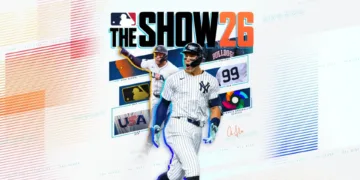
























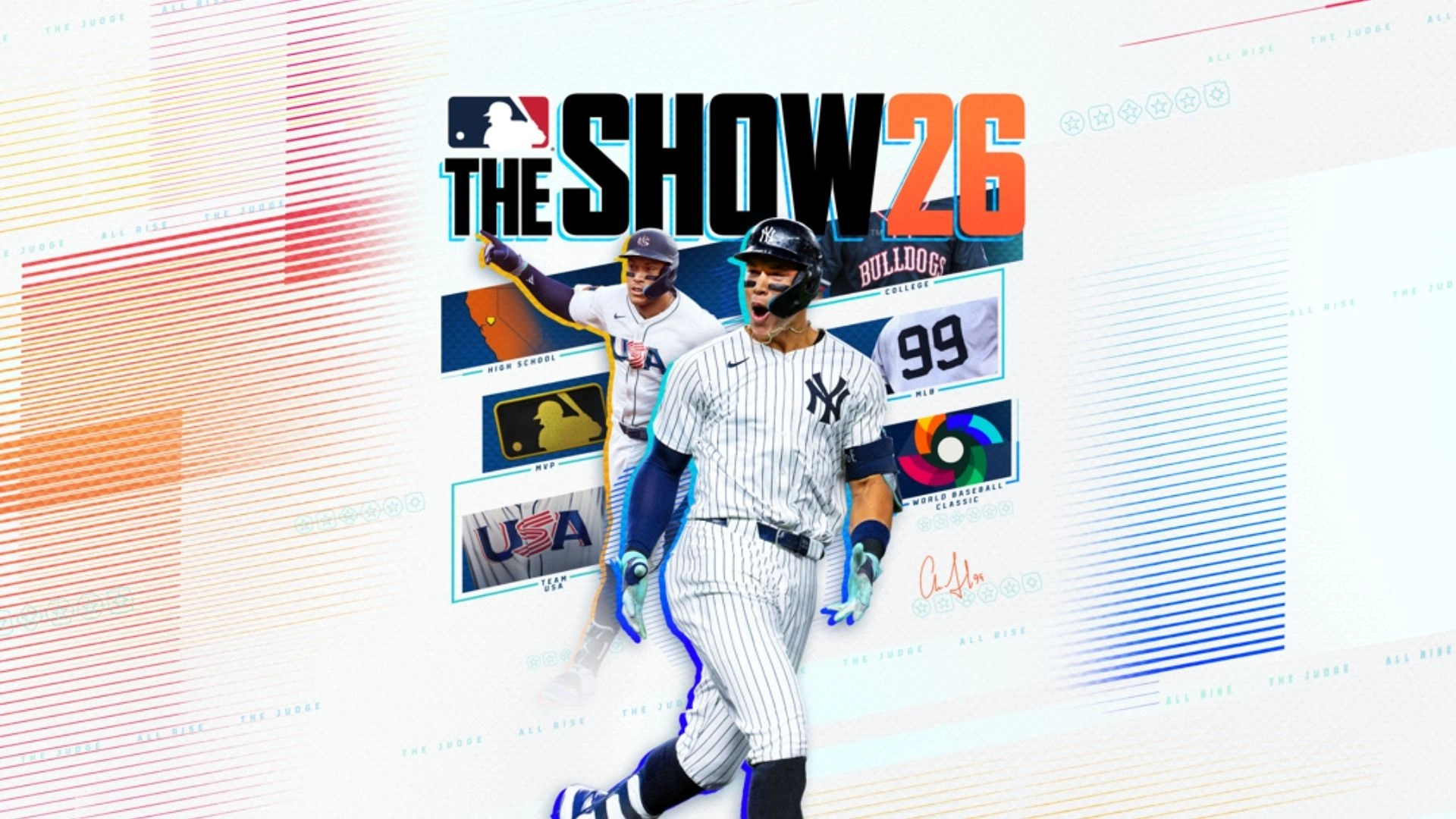

MLB The Show 26 arrives during a surge of international baseball enthusiasm, aligning its release with the worldwide excitement surrounding the World Baseball Classic. As the newest entry in a long-running simulation series, it works to hold its place as the leading digital recreation of the sport.
The game builds its identity around precise control schemes, high-fidelity animations, and a clear respect for baseball history through documentary-style modes. Players can move through several kinds of play, from running a professional organization to guiding a single prospect through high school and college baseball.
This year places extra emphasis on accessibility for new players, paired with mechanical depth that rewards patience and discipline on the mound and at the plate. The main experience still draws its power from the tense duel between pitcher and batter, supported by licensed stadiums, current rosters, and a large roster of historic legends.
The Stoic Discipline of the Mound
Pitching in MLB The Show 26 plays like an exercise in psychological control. The Bare Down Pitching system gives players a tactical reserve to manage. By consistently finding the strike zone, players build up special pitches. These stored options connect to the pitcher’s Clutch attribute. Using them during high-pressure moments changes the rhythm of play. Controller feedback grows stronger, visual focus sharpens, and the pitcher feels more locked in. The system rewards a steady hand and a disciplined approach.
Big Zone Hitting offers a friendlier path for players who struggle with the standard hitting system. It breaks the strike zone into quadrants, raising contact rates and creating a practical bridge between skill levels. The Plate Coverage Indicator, or PCI, now has a locking mechanism that lets players set a target without holding the analog stick. That change makes long sessions easier on the hands.
PitchComm uses the controller speaker for audio cues, mirroring technology used in professional dugouts. The Hitting Depth of Field toggle directs the player’s focus toward the pitcher by blurring the crowd and stadium. Real-world pitch usage rates shape the simulation as well. A pitcher who rarely throws a slider will have difficulty locating it. That small detail gives pitch selection a stronger sense of realism.
Formative Years and Historical Identity
Road to the Show begins its career path in amateur baseball. Players take part in high school state title games, then move through the draft. The addition of 11 licensed college programs gives this early phase more variety. NCAA College World Series integration brings specific bracket structures into the mode.
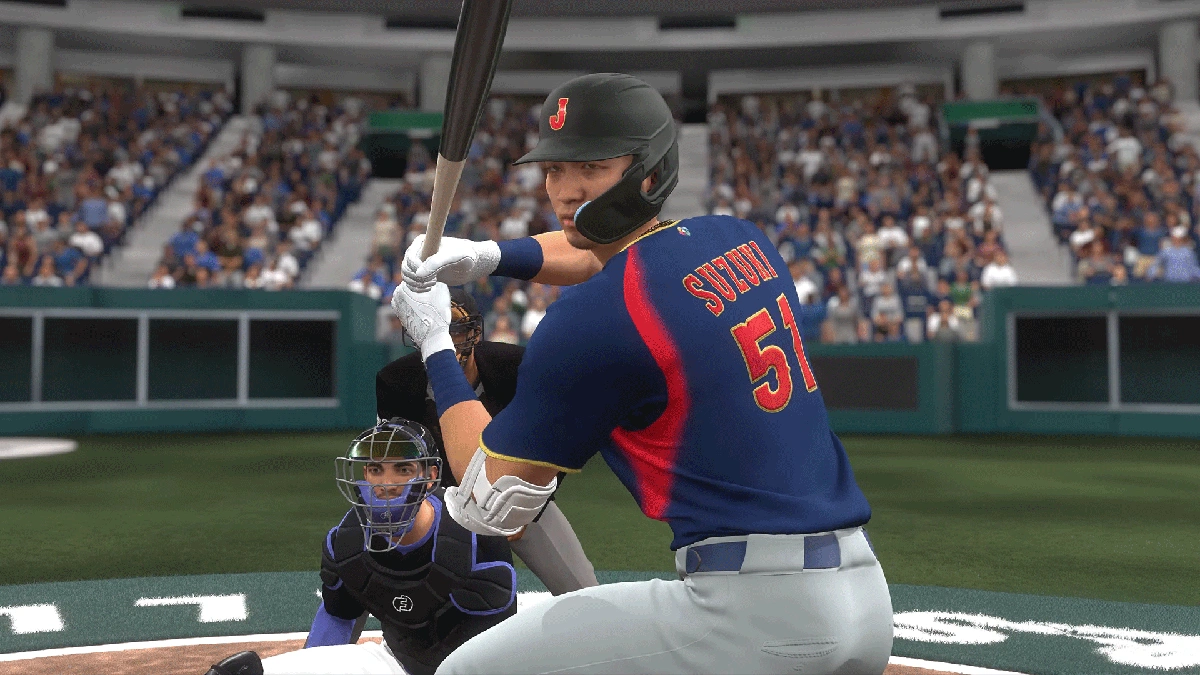
NIL-style equipment perks offer early bonuses, reflecting the current culture of amateur athletics. Smart Sim helps preserve a player’s statistical profile, letting players skip games without harming ratings. The path to Cooperstown now includes female athletes, reflecting the sport’s expanding demographic reach.
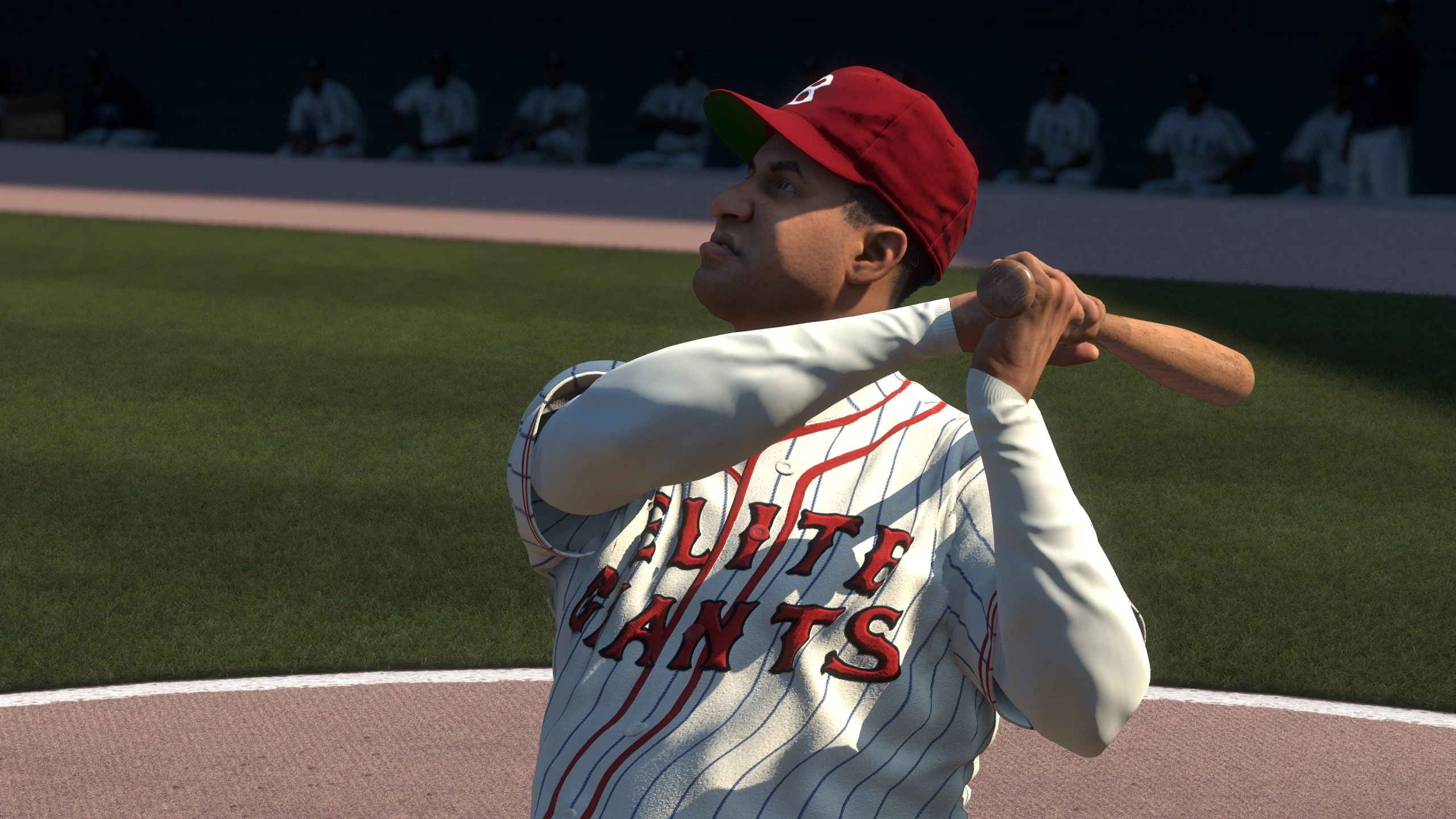
Narrative depth stays limited. Conversations with coaches and teammates appear as functional text boxes. Character animations look stiff during these segments. Negro Leagues Season 4 offers a documentary-style experience built around legends such as Roy Campanella and Mamie “Peanut” Johnson. Its presentation uses a record-themed visual style and polished film segments.
These stories give the gameplay a historical base. The challenges themselves remain simple, often asking players to complete tasks such as getting a hit. The mode’s value comes from its historical material, with gameplay difficulty playing a smaller role. It works as a digital archive for a vital era of baseball.
Administrative Logic and Organizational Gaps
Franchise Mode management now revolves around the Trade Hub. This interface gathers trade rumors and player valuations into a clearer market view. The Untouchable status lets players protect key members of their roster. The system carries the feel of RPG-style bartering, with teams entering bidding wars for specific assets. That shift gives organization management a different texture.
The removal of March to October leaves a gap for players who prefer a faster format. The 162-game season remains the main route through Franchise Mode. The game also lacks a manager-only or spectator option. Save transfers from previous versions are missing. Custom stadiums do not carry over into this entry.
The Stadium Creator tool remains unchanged from previous years, using the same controls and assets. These limits point toward refinement over radical change in the management simulation. The Trade Hub strengthens the logic of team building and gives players a clearer structure for interacting with the league.
Global Markets and Digital Economy
Diamond Dynasty connects closely with the World Baseball Classic. The mode includes WBC-themed programs and conquest maps. Tournament brackets link the digital game to international results, giving the mode a stronger global sports identity.

Players build teams through the Parallel Mod system, which allows card attributes to specialize. Hitter and pitcher captains provide bonuses tied to specific team builds. Team Affinity has been restructured into two annual programs for every franchise, creating a steady reward flow.
A new 20-card ownership limit has been added without prior notice. The change disrupts card flipping on the market and affects players who prefer building teams through gameplay over purchases. Deluxe Edition owners receive an early head start, creating an immediate competitive gap.
High-tier cards are available at launch for some players, which affects online balance during the release window. The mode still contains a huge amount of content and reflects the globalized state of modern baseball. The market rule change signals firmer control over the game economy.
Technical Stagnation and Presentation Hurdles
Technical performance reveals the age of the underlying engine. Player models and environmental lighting lack the detail seen in newer sports titles. Skin tones look flat and show little reflection. Aliasing appears on distant objects. Crowd assets have less detail than those in competing games. The game also offers no specific PS5 Pro enhancements.

Commentary from Jon Sciambi and Chris Singleton feels repetitive. Many lines return from previous years, giving the broadcast less energy than a live television presentation. The soundtrack contains songs that do not always match the baseball atmosphere. Online play has stability problems.
Some players report fastballs that seem to teleport. Outfielder animations can lag during ranked matches. The cross-platform interface is difficult to use. These issues weaken the flow of online play. MLB The Show 26 remains a functional simulation, yet its aesthetic and technical problems are harder to overlook on current consoles.
The Review
MLB The Show 26
MLB The Show 26 provides a reliable simulation of baseball while struggling with its own legacy. The mechanical additions like Bare Down Pitching offer tactical depth. The expanded amateur path and Negro Leagues mode honor the history of the sport with care. However, the aging engine and repetitive commentary signal a plateau in innovation. It remains a high-quality sports experience that feels increasingly frozen in time. The technical hurdles in online play further limit its reach.
PROS
- Authentic World Baseball Classic integration.
- Refined pitching and hitting accessibility tools.
- Strong historical education through Negro Leagues storylines.
- Meaningful organizational depth via the new Trade Hub.
CONS
- Dated visual engine with flat lighting.
- Repetitive and uninspired commentary.
- Technical instability in cross-play matches.
- Opaque changes to the card-ownership economy.