





















The first image that gives The Marked Woman its grip is brutally simple: a woman is found alive inside a shipping container at the Port of Barcelona, wounded, terrified, and stripped of memory. She does not know her name. She does not know who put her there. She cannot explain why her body seems trained for violence once danger returns.
Directed by Gabe Ibáñez and adapted from the novel by Rosa Montero and Olivier Truc, this Spanish Netflix thriller takes a familiar genre device, amnesia, and places it inside a distinctly European crime framework. The result is less a glossy action vehicle than a damp, grey procedural about trafficking routes, institutional rot, and people whose pasts refuse to stay buried.
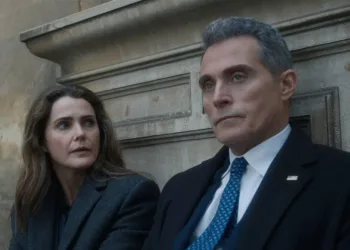
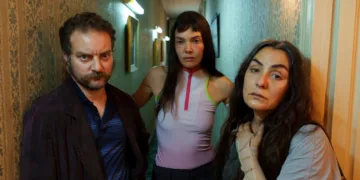
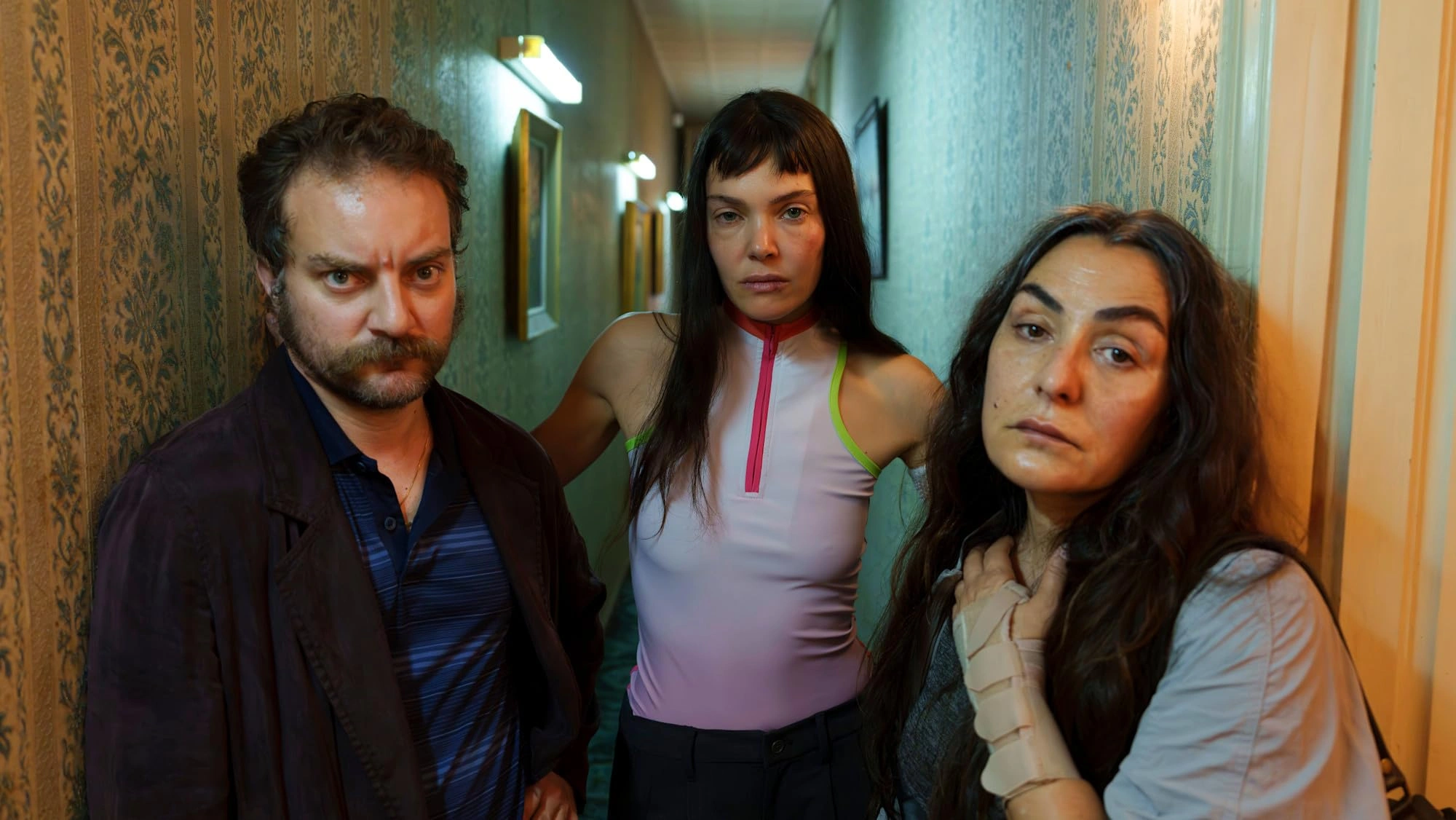
Candela Peña plays Detective Anna Ripoll, a police officer returning to work with grief still clinging to her. Ana Rujas plays the unidentified woman, later tied to secrets that widen the case. The film has a strong hook, a solid cast, and a mood of quiet dread. Its trouble is that the early promise carries greater force than the later answers.
Fragments, Ports, and the Slow Mechanics of Suspicion
The Marked Woman builds its mystery through scattered pieces of information rather than a clean investigative line. Lucía, a frightened informant, records accusations against Officer Quique Zárate before meeting another woman in a bus station bathroom. A folded note changes hands. A shared birthmark hints at a connection. Three months later, the woman from that encounter is found in a container in Barcelona, badly injured and unable to remember anything.
This opening stretch is where the film works best. The audience is placed in the same position as Ripoll: watching for details, doubting every official statement, and trying to read danger in small gestures. That structure has the feel of a crime novel translated into screen rhythm, where each clue has to pass through bureaucratic pressure and damaged memory before it becomes useful.
The Spanish setting gives the thriller its strongest cultural texture. Barcelona is not presented as postcard space. It is a port city tied to movement, trade, migration, and criminal opportunity. The shipping container becomes a potent image of globalization turned predatory: bodies, money, and secrets moving through the same networks that carry goods across borders.
The film teases a sharper survival thriller in the style of The Bourne Identity, then shifts into police corruption, human trafficking, and procedural suspicion. That choice gives the story a grounded quality, but it slows the pulse. Once the identity mystery begins to settle, the plot becomes easier to anticipate. The second half remains watchable, yet it rarely tightens the noose with the confidence promised by its opening.
Haunted People in a Grey Moral World
Candela Peña gives The Marked Woman its emotional weight. Her Anna Ripoll is observant, weary, and clearly still wounded by personal loss. Peña does not play trauma as a grand display. She lets it sit in the posture, the pauses, the drained look of someone trying to prove she can still trust her own instincts. The script does not always give Ripoll enough interior depth, but Peña supplies a life beyond the dialogue.
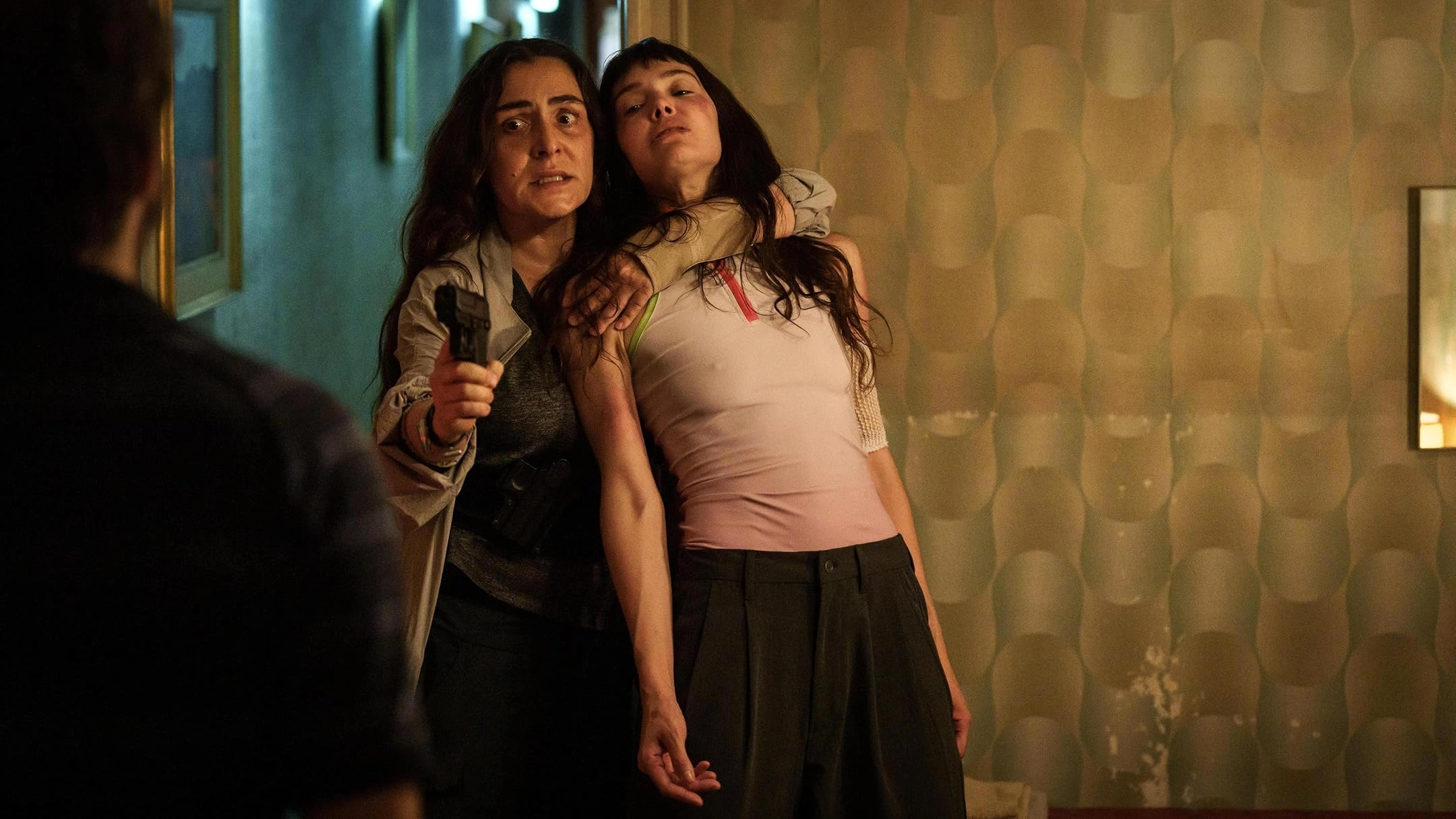
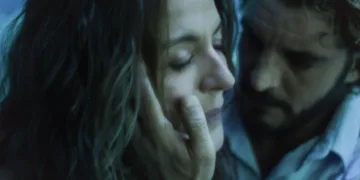
Ana Rujas has the harder role because the amnesiac woman is both a character and a narrative puzzle. She has to register terror, confusion, and buried competence at once. Her best moment comes during the hospital attack, where she fights back before she understands why she can. It is a striking use of the body as archive: the mind has blocked the past, yet muscle memory keeps speaking.
That idea gives the film a useful cross-media charge. In games, especially identity-driven thrillers and survival titles, lost memory often becomes a mechanic. The player learns the world as the character learns herself. The Marked Woman uses a similar structure for spectatorship.
We collect fragments with Clara, testing each clue against fear, instinct, and mistrust. The difference is that cinema must make those revelations emotionally charged without player participation. Here, the mechanism is sound, but the feeling sometimes lags behind it.
Pol López keeps Quique Zárate interesting even when the writing bends him from sleazy suspect to damaged ally too quickly. Kira Miró, Manolo Solo, and the supporting cast help create a world where nearly every figure seems compromised by silence, fear, or self-protection.
Barcelona in Grey, Action in Short Bursts
Gabe Ibáñez’s strongest directorial choice is his refusal to turn Barcelona into decorative scenery. The film moves through docks, hospitals, safe houses, police spaces, and shadowed streets with a steady sense of confinement. The city feels like a system of corridors, official and unofficial, where trauma can be hidden inside paperwork and cargo routes.
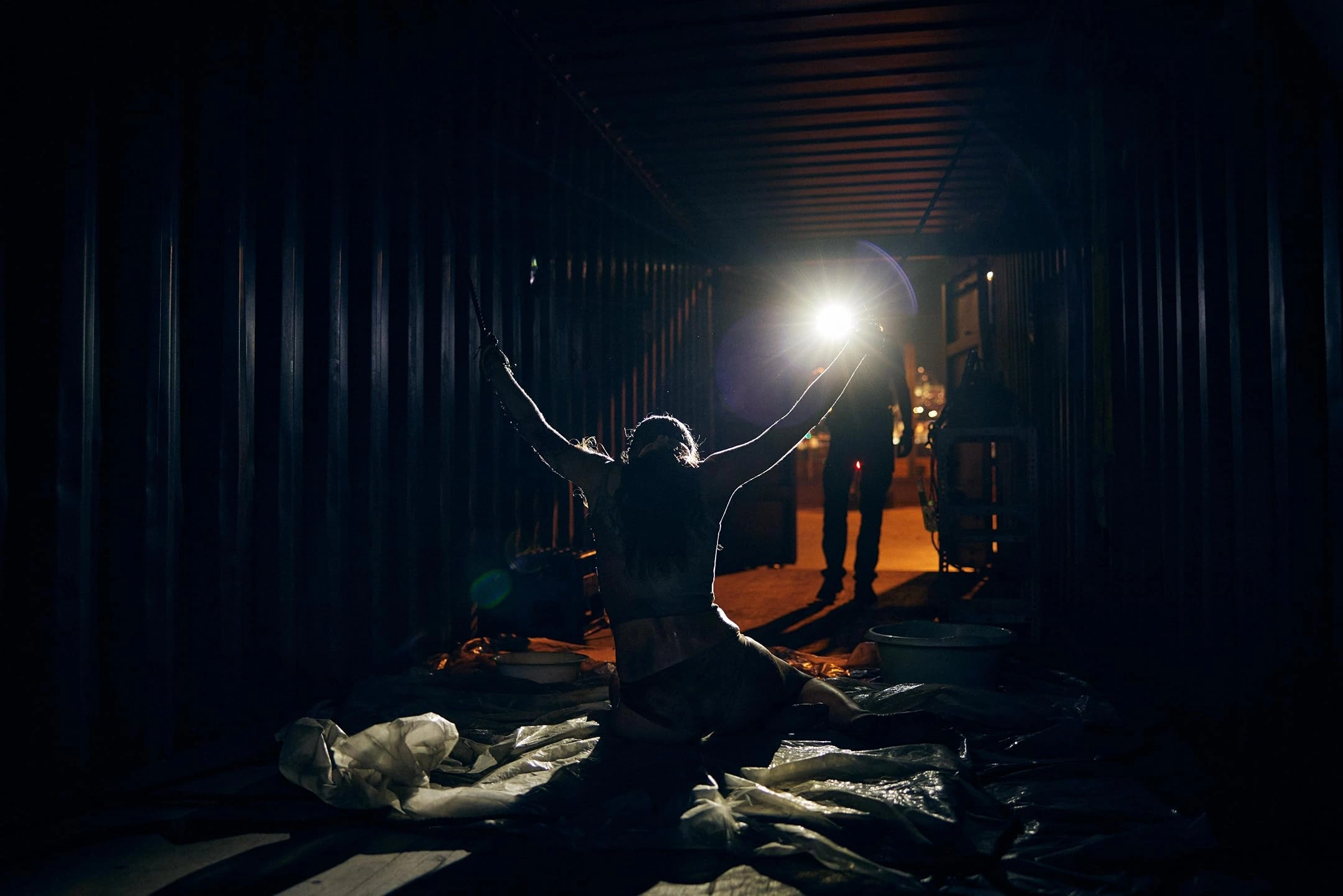
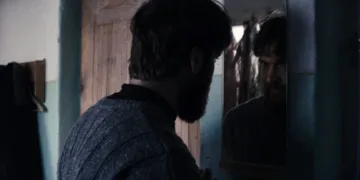
The visual palette leans into greys and muted textures, matching the characters’ exhaustion. Framing often isolates people within rooms and vehicles, turning the investigation into a study of emotional distance. The film’s atmosphere carries a faint kinship with European noir, where moral certainty is less important than procedure, pressure, and the cost of knowing too much.
The action is less consistent. The hospital fight and the fire-escape sequence give the film a welcome jolt, revealing Clara’s buried skills and briefly suggesting a leaner, more physical thriller. Those scenes prove that the premise could support a harsher cat-and-mouse structure. Yet the film uses action sparingly, and the editing sometimes cuts against the clarity of bodies in motion. The choreography hints at danger, while the presentation keeps that danger slightly blurred.
What remains is a solid, brooding crime thriller with a gripping setup, strong performances, and enough atmosphere to hold attention. Its weakness lies in the way familiar genre devices begin to take charge of the story. The amnesia hook, corrupt officers, hidden family ties, and trafficking network all belong naturally to this mode of thriller, but the film rarely reshapes them into something sharper.
The Marked Woman is effective as a weekend mystery, especially for viewers drawn to slow-burn European crime stories. It leaves the impression of a film with the right ingredients, handled with care, then held back by a final stretch that needed greater nerve.
The Marked Woman, originally titled La Desconocida, is a Spanish psychological neo-noir thriller film that premiered globally on Netflix on June 5, 2026. Adapted from a crime novel co-authored by Rosa Montero and Olivier Truc, the story kicks off at the industrial port of Barcelona where an unconscious young woman is discovered locked inside a shipping container—bound, gagged, and suffering from total amnesia. When a swift attempt is made on her life during her recovery at the hospital, Detective Anna Ripoll and Officer Quique Zárate are drawn into a desperate, ticking-clock investigation to uncover her identity and unearth the dangerous secrets buried in her fractured mind. Audiences worldwide can stream this atmospheric mystery exclusively on the Netflix streaming platform.
Where to Watch The Marked Woman (2026) Online


Full Credits
Title: The Marked Woman
Distributor: Netflix
Release date: June 5, 2026
Rating: TV-MA
Running time: 95 minutes
Director: Gabe Ibáñez
Writers: Lara Sendim
Producers and Executive Producers: Matías Mosteirín, Pola Zito, Leticia Cristi
Cast: Candela Peña, Ana Rujas, Pol López, Esther Noya, Pilar Nogales, Manolo Solo, Luka Peroš, Kira Miró
Director of Photography (Cinematographer): Bernat Bosch
The Review
The Marked Woman
The Marked Woman is a solid Spanish crime thriller with a gripping setup, strong performances, and a brooding Barcelona atmosphere. Its amnesia mystery and corruption plot hold attention, especially in the first half, but the later revelations lean too heavily on familiar genre patterns. Candela Peña and Ana Rujas give the film enough emotional weight to carry its weaker stretches.
PROS
- Strong central premise
- Excellent atmosphere
- Candela Peña and Ana Rujas are convincing
- Effective hospital attack sequence
- Barcelona setting adds texture
CONS
- Second half loses tension
- Familiar thriller tropes
- Some characters feel underwritten
- Action scenes lack clarity
- Final reveal feels muted