




























KBS2 built its Saturday-Sunday slot on domestic melodrama for decades, married couples icing each other out over dinner tables, in-laws weaponizing class resentment, grief hovering just off-screen. The Husband opens inside that inheritance. Kang Tae-ju and Ko Se-yun’s rock-climbing courtship, their descent into separate bedrooms, the VIP-versus-emergency-patient standoff that gets Tae-ju’s father-in-law thrown out of an OR: none of it would look out of place in a slot that has run this formula since before streaming existed. Then, inside a single premiere, the show detonates that formula with a kidnapping, a ransom video, and a husband framed as his own wife’s would-be killer.
This is not accidental sequencing. A network that needs to hold a domestic Saturday audience while also justifying a Disney+ license fee has to serve two viewing publics with different appetites, and the fastest way to do that is to let a marital drama become a thriller before the audience has fully settled into either genre.
The carabiner sculpture shattering on the floor, the piece Se-yun then throws in the trash rather than salvages, works as marriage symbolism and as a signal to the algorithm-fed international viewer that this show intends to escalate. Korean broadcast drama has spent years training its audience to read marital coldness as a slow burn. Streaming trained a different audience to expect a hook by minute twenty. The Husband tries to satisfy both clocks in the same episode, and the seam mostly holds.
A Disclaimer That Says More Than the Plot
Buried in the standard fictitious-events notice is a line admitting the production used generative AI for some sequences, almost certainly the mountaintop climb that opens the show. Genre thrillers rarely announce their own tools.
That a network drama felt obligated to disclose this, in 2026, tells you where the industry currently sits on the technology: not hidden, not yet normalized enough to go unmentioned, sitting in the uncomfortable middle where a broadcaster feels legally or ethically bound to flag it but not embarrassed enough to avoid it.
The sequence itself is serviceable. Two actors on a peak, a wide shot, nothing that demanded synthetic imagery over a location shoot. The disclosure matters more than the footage, because it is the first data point in what will likely become a routine disclaimer across Korean broadcast drama, and The Husband happens to be an early test case for how audiences react to seeing it spelled out.
Casting a Melodrama Lead Into a Thriller
Namkoong Min built his career on roles that ask him to be sympathetic and unreliable in the same scene, and that casting logic is doing structural work here, not just performance work. The hospital corridor sequence, where Tae-ju cycles from irritation to dread to open panic after a stranger answers his missing wife’s phone, only lands as ambiguous because the audience already trusts this actor’s face from prior melodrama roles and is now watching that trust get tested in real time.
Put a newcomer in that scene and the show becomes a straightforward victim thriller. Put Namkoong Min in it and the show gets to keep the audience half-suspicious of its own protagonist, which is the entire engine of the back half of episode two. The interrogation-room nosebleed sequence pushes that further: a pale, frozen posture broken by sudden fury, blood on a disheveled tie, staged to read as both innocence and warning sign depending on which prior role the viewer remembers him from.
Lee Seol gets a rougher deal from the format. Once Se-yun is taken, her performance is rationed almost entirely to reaction shots and physical restraint, chained ankle, a hostage cell, a fellow captive muttering about Red Riding Hood and snow. The show trusts its male lead with interiority and its female lead with endurance, which is a familiar allocation in this genre and one the drama does nothing yet to complicate. Whether the back half gives Se-yun an active hand in her own rescue, rather than simply surviving until Tae-ju’s arc resolves, is the detail worth watching.
A Restaurant, a Hospital, and an Export Strategy
The cut between Tae-ju’s mother’s small restaurant and the hospital his wife’s family runs is class shorthand this genre exports well precisely because it travels without translation. International audiences trained on Korean film and television to read a modest storefront against a marble hospital lobby as instant social commentary. The Husband deploys that shorthand efficiently and without particular new insight, which is fine as craft and unremarkable as argument.
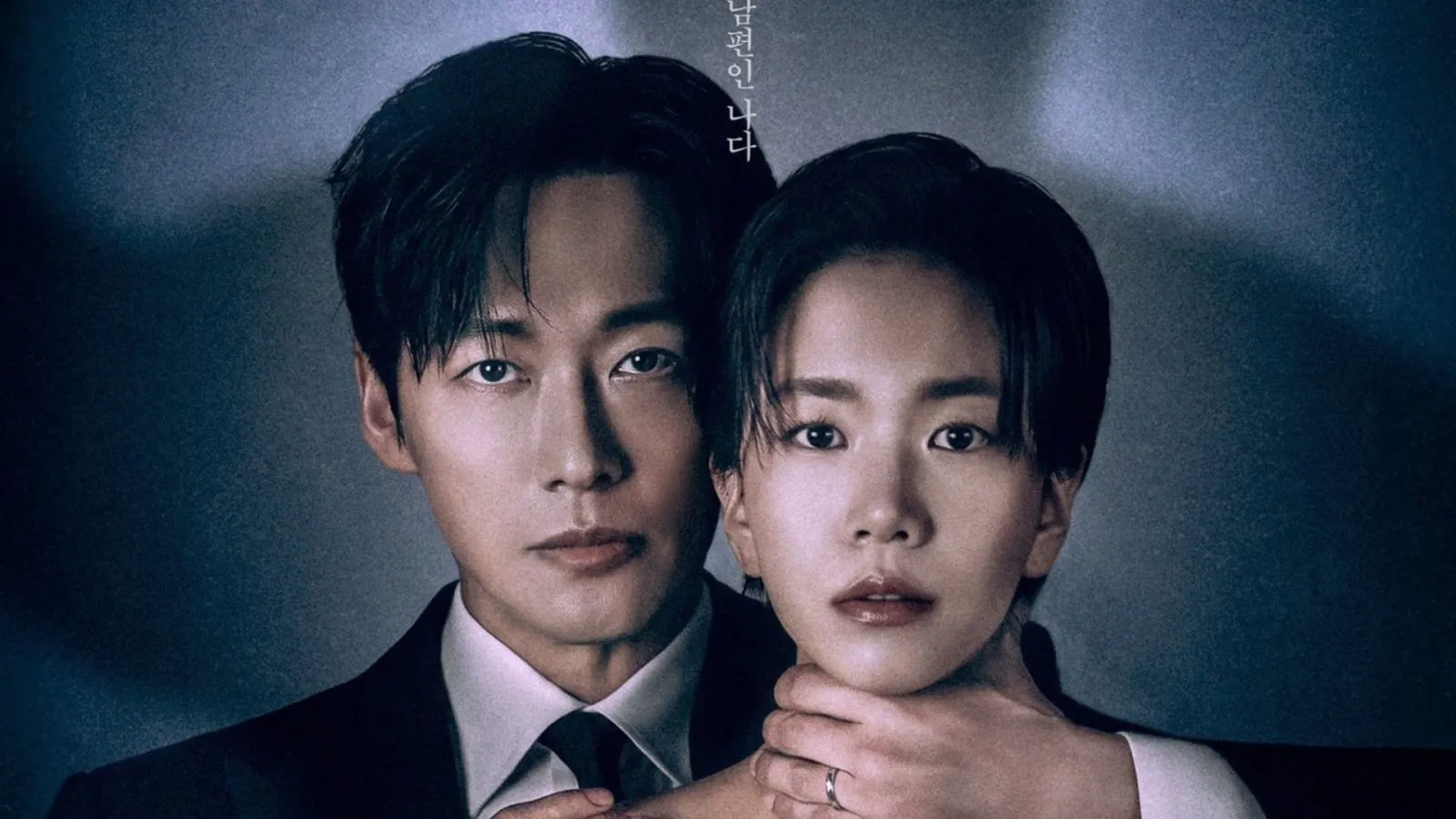
The kidnapper’s technical fluency, bounced signals, doctored footage, a hidden camera near the front door, is more interesting as an industry signal than as a plot device, since it lets a domestic broadcast drama borrow the aesthetic of prestige cybercrime thrillers without actually being one. Two episodes in, the show has assembled its influences cleanly. Whether it has anything to say with them is still an open ransom.
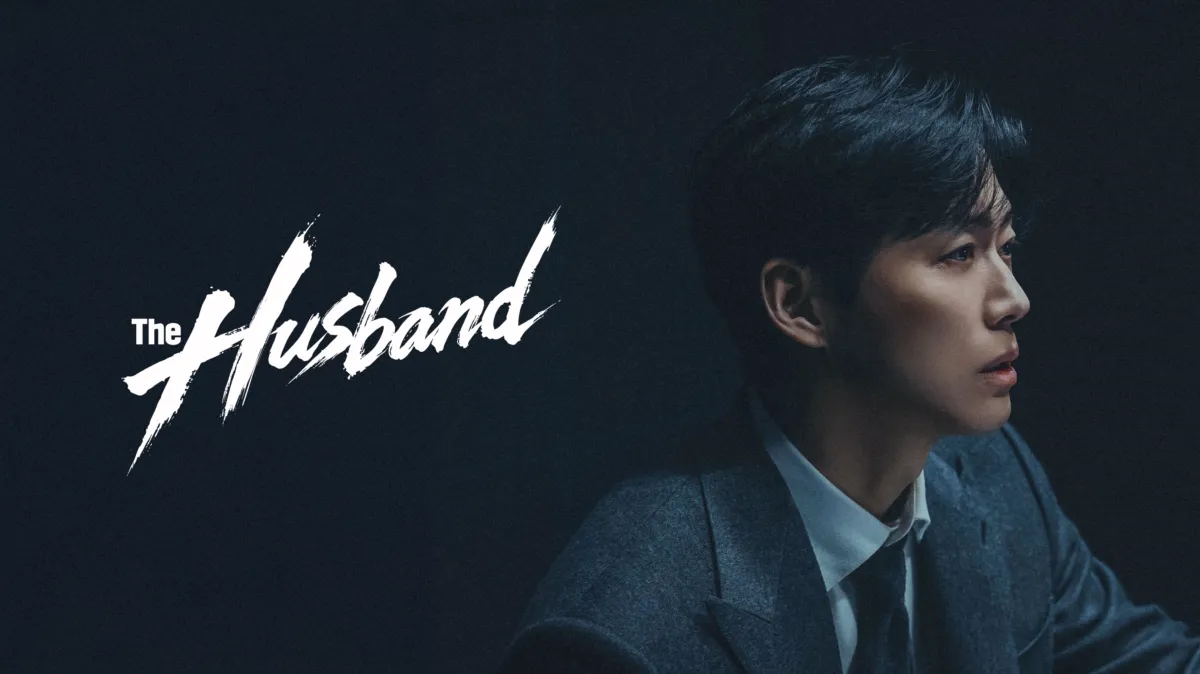
The South Korean romance-thriller television series The Husband premiered on July 4, 2026, and is currently available for viewing on the television network KBS2 as well as streaming on Disney+. The gripping 12-episode show centers on a hospital director and former neurosurgeon whose life is thrown into absolute chaos when his estranged wife is suddenly kidnapped just a day after they mutually agree to a divorce, forcing him into a high-stakes race against dangerous criminals to bring her home safely.
Where to Watch The Husband Online


Full Credits
- Title: The Husband
- Distributor: KBS2, Disney+
- Release date: July 4, 2026
- Rating: 18+
- Running time: 60 minutes
- Director: Kim Jung-hyun, Kim Min-tae
- Writers: Jung Jae-ha
- Producers and Executive Producers: Rednine Pictures, KBS Media
- Cast: Namkoong Min, Lee Seol, Kim Dae-myung, Lee Sang-hee, Cho Yun-seo, Jang Gwang, Park Byung-eun
The Review
The Husband
The Husband executes a genre swap inside one premiere and largely earns the audience it wants to keep. Namkoong Min gives the show its through line, an actor whose established reputation lets suspicion sit on his face without collapsing the story into simple victimhood. Lee Seol's role stays smaller by design, and that design choice tells its own story about what this genre still expects from a kidnapped wife. The AI disclosure lands as an industry marker, quiet and early, worth remembering later. Two episodes in, craft outpaces ambition.
PROS
- Genre-blending premiere structure serves two audiences at once
- Namkoong Min's casting produces real ambiguity, not just tension
- Restaurant-versus-hospital class shorthand reads cleanly for export
- Rare on-screen candor about generative AI use
CONS
- Se-yun rationed to reaction shots once captured
- Gendered imbalance in whose interiority the show trusts
- Class shorthand offers nothing beyond the familiar gesture
- Tech-thriller kidnapper feels borrowed rather than built