







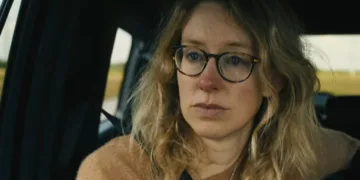





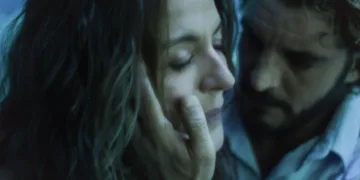
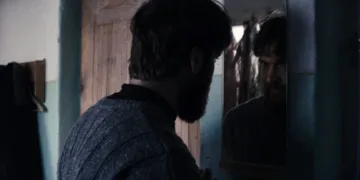







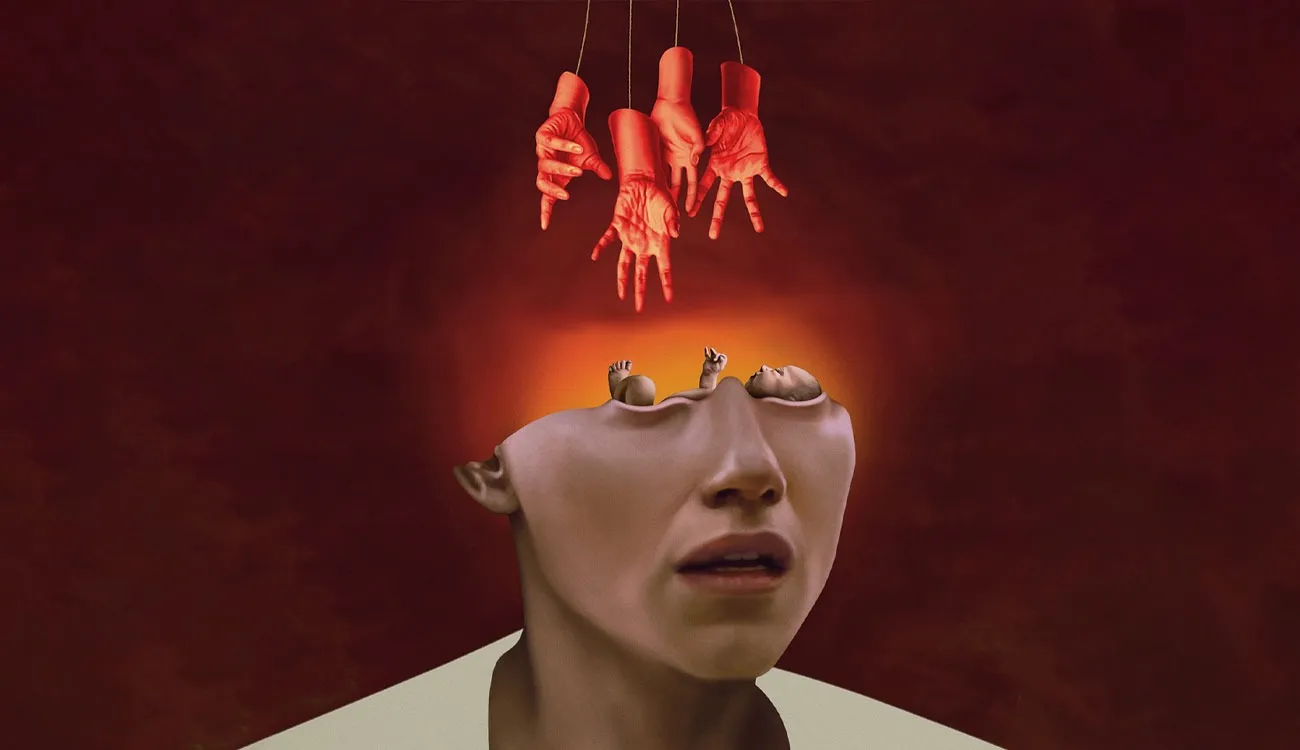

The dream of escaping the city for a quiet life is a potent one, and it’s the hope that propels Wren and her girlfriend Maya at the start of Birthrite. They seek peace, a place to start their family, and a fresh beginning. That new start seems to arrive in the form of a secluded New England home, inherited from Wren’s estranged Aunt Birdie after her mysterious death.
What begins as a potential sanctuary, however, quickly reveals its thorns. The idyllic fantasy sours as the couple encounters the insular and unsettling locals. A deeper darkness stirs beneath the surface of this small town, a karmic debt tied directly to Wren’s bloodline and the very soil her new home rests upon. The film wastes no time making it clear that this dark legacy has its sights set on Wren’s pregnancy, turning the promise of new life into a source of absolute terror.
A Curse in the Blood
Birthrite firmly plants its roots in the rich soil of American Folk Horror, a genre that thrives on the terror of the familiar twisted into the malevolent. It understands that the power of stories like The Wicker Man or The Witch comes from a specific recipe: an isolated community that operates by its own grim logic, pagan-esque rituals that feel both ancient and immediate, and a suffocating paranoia that isolates its protagonist.
The film brilliantly connects these elements to the primal anxieties of pregnancy, exploring the loss of bodily autonomy in a way that feels deeply unsettling. Wren’s maternal instincts and her physical vulnerability become the emotional engine for the horror. For Wren and Maya, a lesbian couple whose path to conception was already a significant and deliberate undertaking, the threat to their unborn child feels exceptionally cruel and devastating. The darkness they face feels targeted, an archaic force rejecting their modern family.
The narrative takes a particularly sharp turn into psychological torment with a sequence of medical gaslighting. After a traumatic event leaves Wren bleeding and broken, a doctor informs the couple with cold authority that there was never a baby at all. This moment is a gut punch, a narrative bomb that shatters Wren’s reality.
It sends her spiraling into a vortex of self-doubt, forcing both her and the audience to question everything. Is the town’s malevolence real, or is she suffering a profound psychological breakdown? This ambiguity is the film’s cruelest weapon, playing on real-world fears of not being believed. The horror here isn’t random; it’s an inherited curse, a literal “birthright” of suffering that feels inescapable.
The Faces of Fear
A film this focused on psychological strain lives or dies by its performances, and Birthrite is anchored by an exceptional and perfectly cast ensemble. The entire emotional weight rests on the shoulders of Alice Kremelberg, who is phenomenal as Wren. She charts her character’s painful course from the radiant glow of a hopeful mother-to-be into a woman frayed to the breaking point, consumed by a fear that feels both ancient and deeply personal.
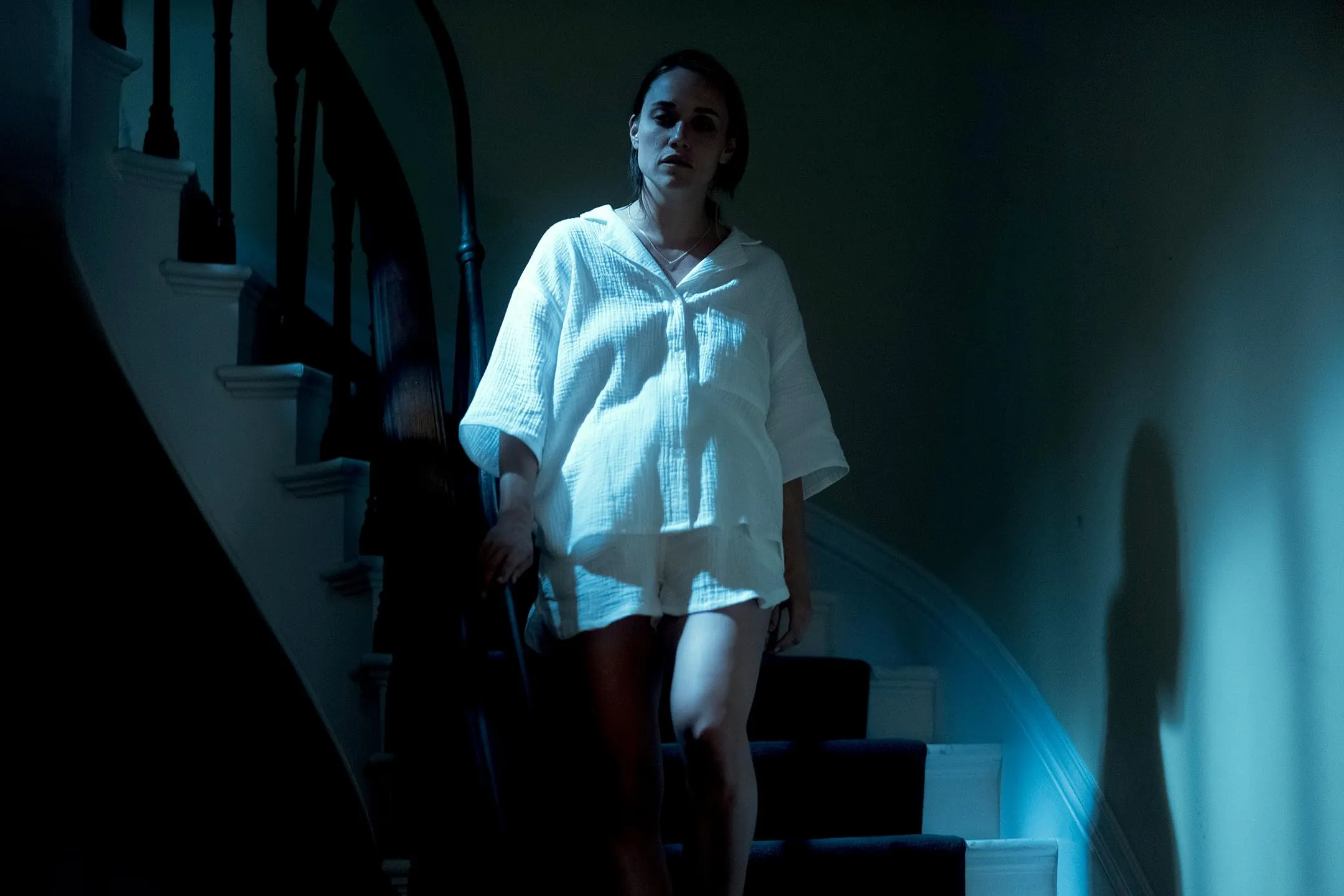
Kremelberg masterfully conveys the specific terror of someone who feels her own body and mind are being turned against her, making her descent completely believable. Playing opposite her, Juani Feliz gives a grounded, empathetic performance as Maya.
She is the anchor to reality for both Wren and the audience. Feliz beautifully portrays the internal conflict of a partner torn between trusting the woman she loves and confronting the increasingly bizarre evidence before her. Her journey from loving skepticism to outright terror is subtle and powerful.
The authentic and fragile chemistry between the two leads makes the stakes feel incredibly high. The primary source of the film’s external tension, however, comes from Jennifer Lafleur as Rosalie, the town midwife. Lafleur is magnetic, giving a performance steeped in ambiguity.
She balances an aura of genuine care with a sinister, unreadable agenda, using a calm demeanor and gentle words to mask a potential threat. Every scene with her is fraught with tension. The wider cast, including Michael Chernus and Owen Campbell, expertly fleshes out the community, making the town itself feel like a single, threatening organism. They aren’t just background characters; each one is a brick in the wall of secrecy that suffocates the couple.
Building a Nightmare, Frame by Frame
Director Ross Partridge constructs the film’s atmosphere with the methodical patience of someone laying a trail of breadcrumbs for the viewer to follow into a trap. The slow-burn pacing is a deliberate choice, designed to let the dread seep into your bones rather than jump out with cheap scares.
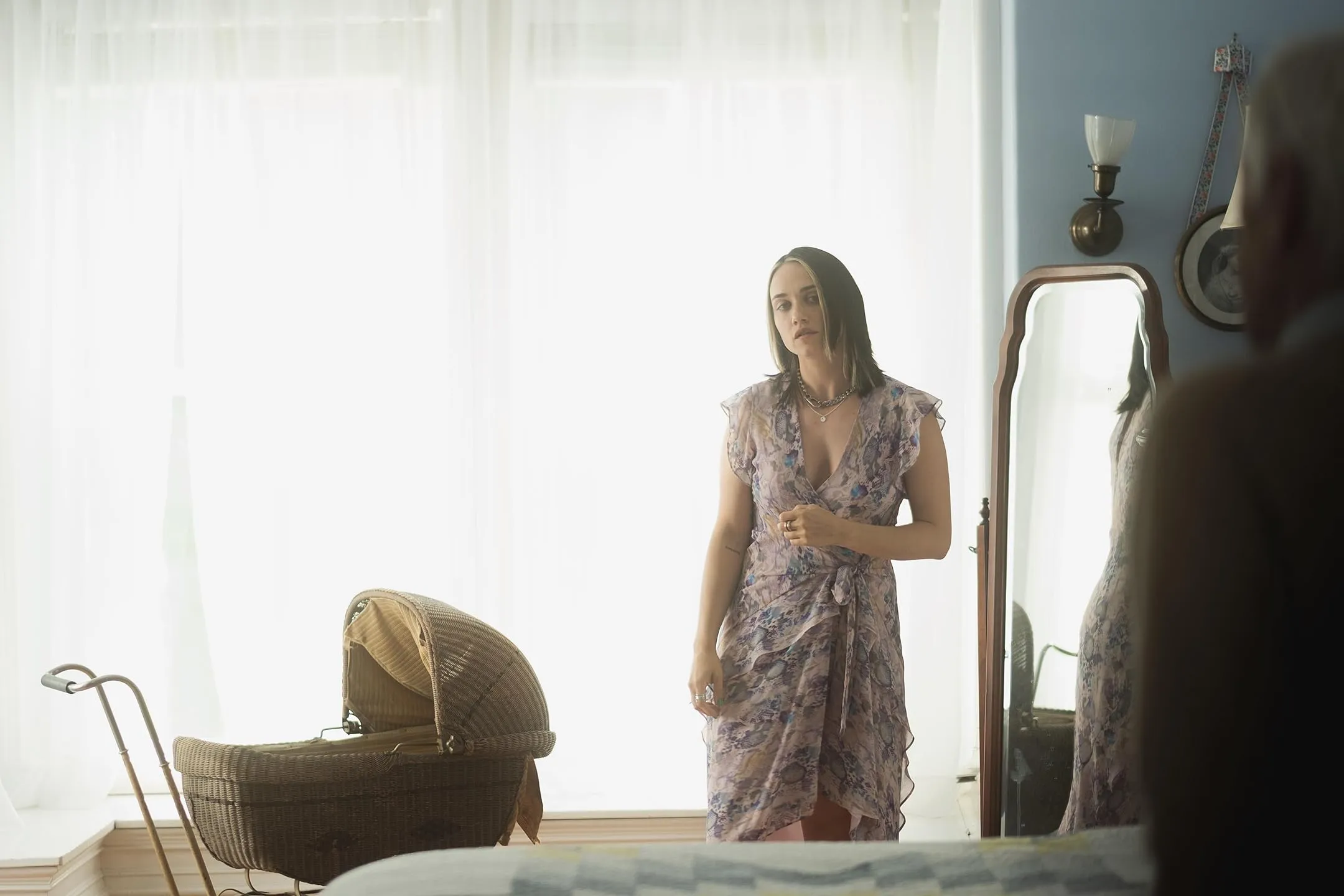
While this approach is highly effective at building a pervasive mood of unease, the pace does occasionally lag. A few secondary plot threads or characters feel redundant, slightly extending the runtime in moments that could have been tightened. What truly distinguishes the film, though, is its arresting visual language.
The use of tilt-shift drone photography to capture the town is a masterful stroke of cinematic storytelling. This technique creates a surreal “dollhouse” effect, making the entire community look like a miniature, uncanny diorama. It visually diminishes the characters, making them seem like helpless pawns in a sinister game board, manipulated by an unseen hand.
This visual unease is amplified by a dread-inducing musical score from Fall On Your Sword that crawls under your skin. The screenplay, by Patch Darragh and Erin Gann, mirrors this technical craft, methodically doling out information to keep the audience disoriented alongside Wren.
This all builds to an impactful and ambiguous ending. It is not an ending that provides easy answers, but instead stands as a fittingly complex finish for a story that respects its audience enough to let the most terrifying questions linger long after the screen goes black.
Birthrite premiered at the Popcorn Frights Film Festival in 2024.
Full Credits
Director: Ross Partridge
Writers: Patch Darragh, Erin Gann
Producers: Kelly Frazier, Ross Partridge, Jennifer Lafleur
Executive Producers: Dan Diaz, Taylor Williams
Cast: Alice Kremelberg, Juani Feliz, Michael Chernus, Patch Darragh, Owen Campbell, Jennifer Lafleur, Henny Russell
Director of Photography (Cinematographer): Shaheen Seth
Editors: Chris Donlon
Composers: Will Bates, Erik Lutz
The Review
Birthrite
Birthrite is a potent and intelligent piece of American folk horror, elevated by its powerful lead performances and a deeply unsettling atmosphere. While its deliberate, slow-burn pace occasionally falters, the film’s masterful use of psychological dread, particularly its exploration of maternal anxiety and medical gaslighting, is chillingly effective. It's a beautifully crafted nightmare that trusts its audience, trading jump scares for a lingering sense of unease. For fans of cerebral, character-driven horror that gets under your skin and stays there, this is an essential watch from the festival circuit.
PROS
- Exceptional and emotionally raw lead performances.
- Masterful creation of a tense, unsettling atmosphere.
- Intelligent blend of folk horror and psychological dread.
- Striking cinematography that creates a surreal, "dollhouse" effect.
- Thought-provoking exploration of maternal anxiety and gaslighting.
CONS
- The deliberate, slow-burn pacing occasionally lags.
- Some secondary plot threads feel slightly redundant.