














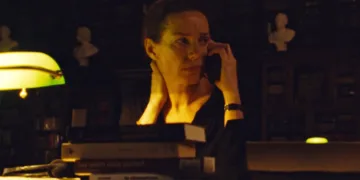
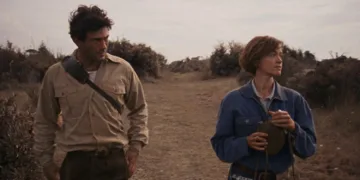

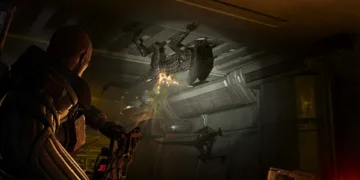








“Make sure you keep an eye on everything here.” The instruction to Miguel Vergara on his first night as a security guard is simple, yet it hangs in the air with the weight of prophecy. This job, guarding a derelict warehouse, is meant to be a quiet return to civilian life for the former special forces soldier.
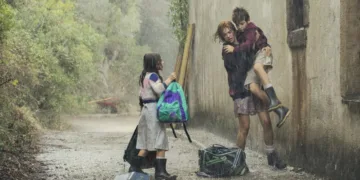
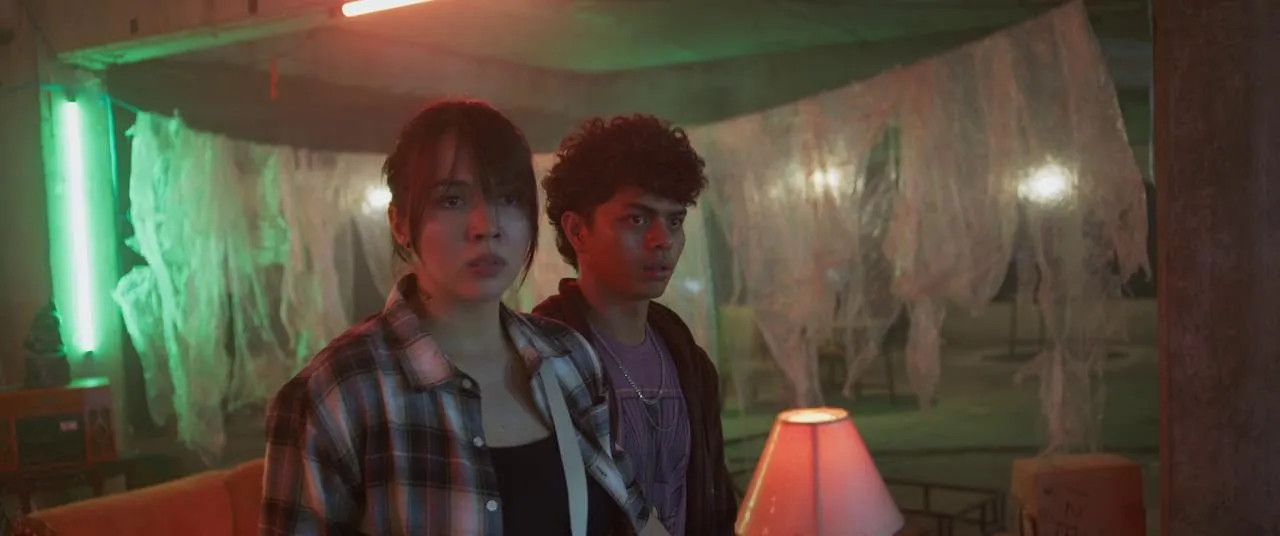
Miguel is the sole survivor of a jungle ambush that left his unit dead and his mind scarred by post-traumatic stress disorder. He seeks solitude, but finds his war has followed him home. The fragile peace of his first shift is shattered when a desperate young woman and her injured brother burst in, fleeing a corrupt police death squad.
With their arrival, the silent, cavernous space is primed to become a new kind of battlefield. This raw Filipino action-thriller immediately establishes its stakes: for Miguel to survive the night, he must unleash the very demons he has fought to contain.
Portraits in Extremis
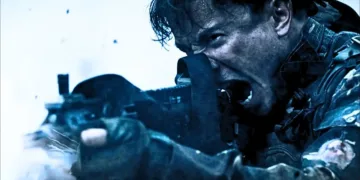
Arjo Atayde’s portrayal of Miguel is defined by a heavy, burdened physicality. He lacks the sculpted physique of a conventional action hero, lending a potent believability to his struggle. His PTSD is an active, debilitating force, not merely a point of backstory. His auditory and visual perceptions are unreliable, turning the shadowy warehouse into a space of constant threat where memories of combat bleed into the present.
The very instincts that make him a peerless soldier are now the source of his torment, a cruel paradox where his greatest skill is inseparable from his deepest wound. Julia Montes gives Weng a fierce, protective energy. She is no passive victim, but a resourceful woman whose desperation sharpens into a surprising capacity for violence. She is a product of a world with few good options, pulled back into a criminal enterprise to save her brother.
Her transformation throughout the night is a grim education, a rapid apprenticeship in brutality under Miguel’s reluctant tutelage. She learns that in this world, survival demands a piece of one’s humanity. The antagonists are led by Romero, played by Sid Lucero with a chilling professionalism.
As an ex-military man with a family, his methodical cruelty is more unsettling than that of a simple gangster. The corruption is not monolithic; his squad is beset by internal rivalries, with other ruthless figures leading their own factions. This splintering of the enemy force turns the straightforward siege into a chaotic free-for-all.
A Symphony of Carnage
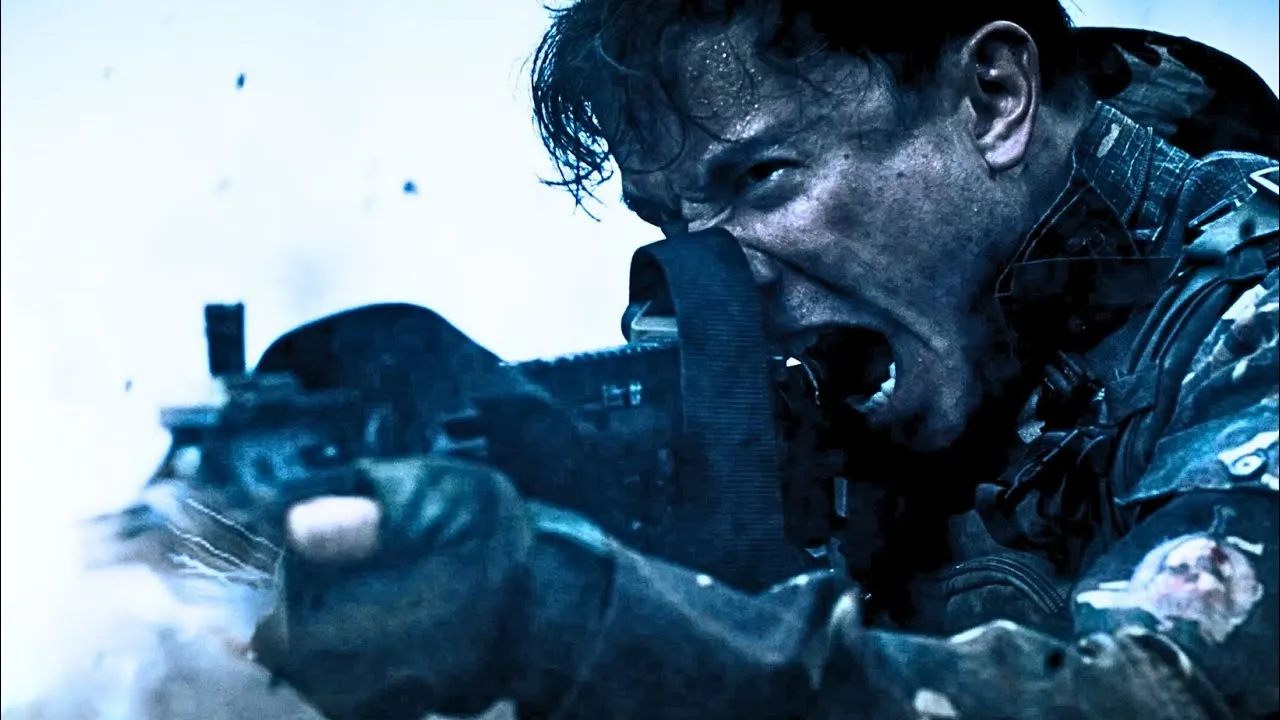
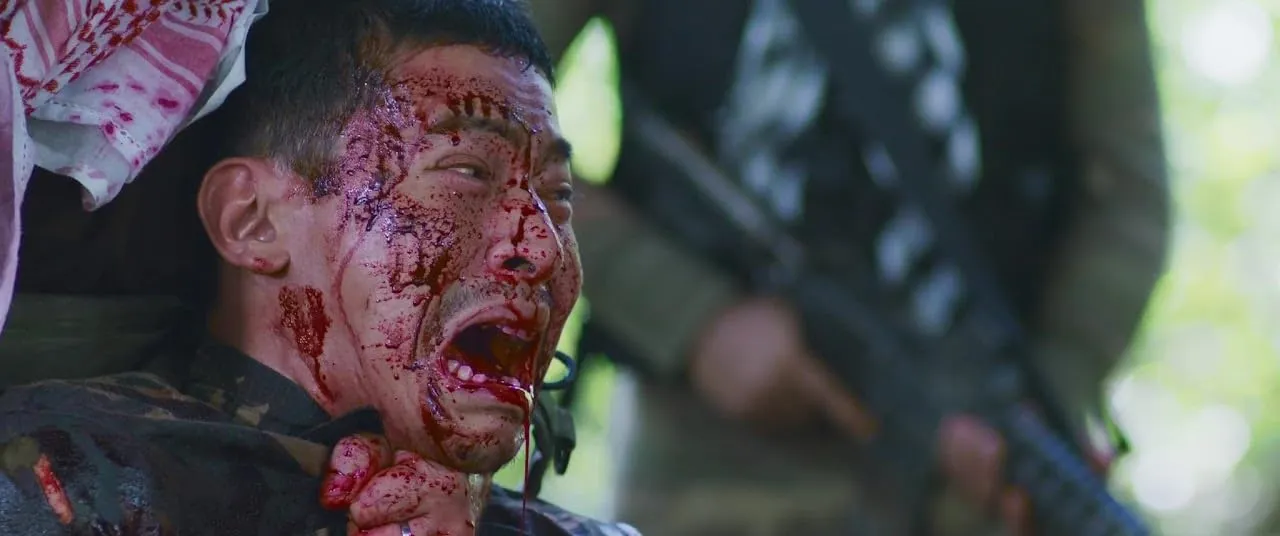
The action in Topakk is a rejection of sanitized choreography. It is savage, desperate, and grounded in a painful reality. Fights are not elegant dances but ugly, chaotic struggles for survival. The film’s violence is a constant eruption, mixing frenzied gunfights with close-quarters knife work and punishing hand-to-hand combat. The setting itself becomes a weapon.
One moment, Miguel uses a fallen enemy as a human shield, a shocking display of battlefield pragmatism. Another, he improvises with a simple flashlight, turning it into a blinding, disorienting tool in a close-quarters brawl. The industrial detritus of the warehouse, from heavy pipes to a giant, ominous saw blade, is integrated into the mayhem with gruesome creativity.
The camera often keeps its distance with wide shots, capturing the full scope of the chaos but sometimes obscuring precise choreography. This is not a flaw but a choice; the direction sacrifices the clarity of a martial arts showcase to immerse the viewer in the disorienting fury of a real fight.
The film’s use of gore goes beyond simple shock, approaching the sensibilities of a horror movie. Each shattered bone and bloody exit wound serves as a blunt reminder of the fragility of the human body, grounding the spectacular action in the grim finality of flesh and blood.
Architecture of Trauma
The warehouse is the film’s decaying heart. It is a landscape of rust and decay, thick with grime, muck, and the acrid smell of flammable chemicals. Open flames lick the darkness, casting long, menacing shadows. This industrial deathtrap is the perfect physical correlative for Miguel’s mind, a broken place full of dangerous, unpredictable elements.
The claustrophobic corridors and vast, dark spaces amplify the tension, making the setting an active participant in the conflict. Every corner turned could hide an enemy, every piece of machinery is a potential instrument of death. The external battle Miguel wages is a manifestation of the unending war within. The film’s scenario, of an extra-legal death squad operating with impunity under the orders of a corrupt official, resonates with a specific national anxiety.
It paints a picture of a state of endless war, where the violence of the battlefield has bled into the city streets. Miguel’s personal hell reflects a larger societal one, where the distinction between protector and predator has been violently erased.
Topakk is a lean, ferocious piece of action cinema. It offers an uncompromising vision of violence as both a spectacle and a symptom of trauma. The film is a potent entry in Southeast Asian action, made for an audience that appreciates its action raw and its emotional stakes bloody.
Topakk is a Filipino action thriller film, internationally known as Triggered. It premiered at the 76th Locarno Film Festival in August 2023, and was also screened at the Cannes Film Festival. The film was released in Philippine cinemas on December 25, 2024, as part of the 2024 Metro Manila Film Festival. It became available to rent or own on digital platforms and DVD on May 13, 2025.
Full Credits
Director: Richard Somes
Writers: Jimmy Flores, Will Fredo, Richard Somes
Producers & Executive Producers: Richard Somes, Wilfredo C. Manalang, Michaelangelo Masangkay, Sylvia Sanchez, Ria Atayde
Cast: Arjo Atayde, Julia Montes, Sid Lucero, Kokoy De Santos, Vin Abrenica, Gerard Acao, Enchong Dee, Elora Españo, Anne Feo, Levi Ignacio, Michael Roy Jornales, Ian Lee
Director of Photography (Cinematographer): Louie Quirino
Editors: Jamie Dumancas
Composer: Jose Antonio Buencamino
The Review
Topakk
Topakk is an uncompromising and ferocious action film that succeeds through sheer, brutal force. It sacrifices narrative complexity for a relentless onslaught of visceral, creatively gory combat. While the characters are thinly sketched, the film’s oppressive atmosphere and the raw, physical performances create a powerful cinematic experience. It is a grim, exhausting, and exhilarating descent into a hell of one man’s making, delivering a pure, uncut dose of action for those with the stomach for it.
PROS
- Intense, brutal, and well-executed action sequences.
- Creative use of the single-location warehouse setting.
- Strong, oppressive atmosphere and effective production design.
- A compelling physical performance from Arjo Atayde that grounds the character's trauma.
CONS
- The plot is simple and serves mainly as a vehicle for the action.
- Character development is minimal beyond the central protagonist.
- Some action choreography is obscured by chaotic framing.
- The relentless violence and gore could be off-putting for some viewers.