




























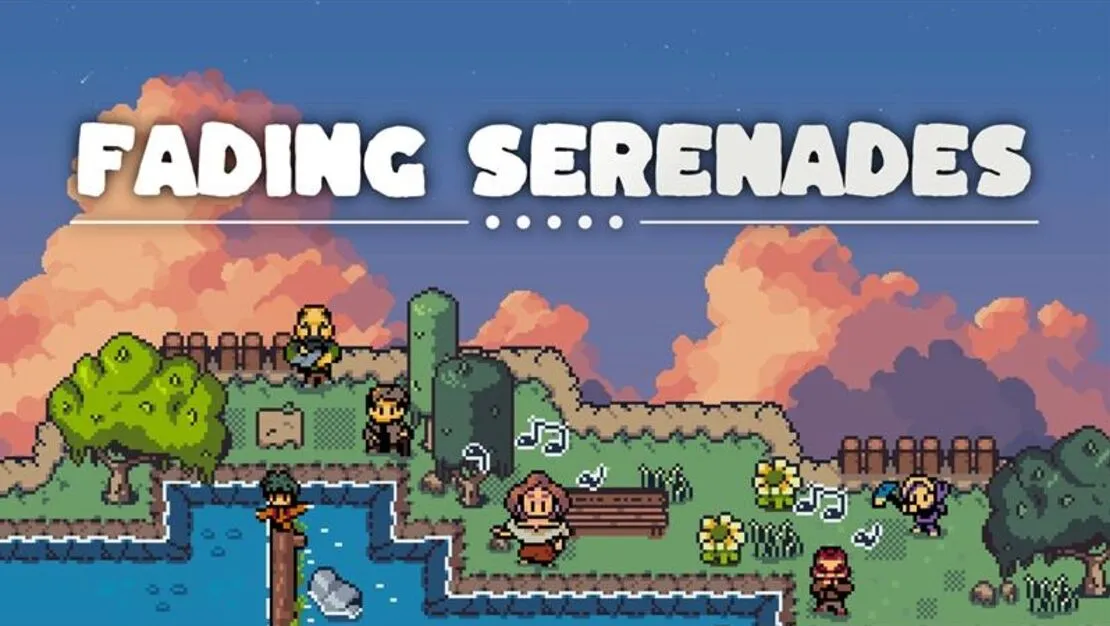

Fading Serenades frames the delivery genre as a cozy, short-form pixel art adventure. The player controls Callum, a young courier who arrives from the mainland with Par, an AI companion that lives in a radio. The job is direct and essential: deliver packages to the elderly residents of Clifford’s Island, a community that relies on regular drop-offs because frequent travel is difficult for them.
Early hours project calm routines and small comforts, while background details about Callum, the mainland’s technology, and Par hint at a wider world that gradually shapes life on the island. The four-to-six-hour playtime supports an intimate story paced by daily routes and quiet errands.
Delivery, Inventory, and Strategic Traversal
The game builds its structure on a clear loop: pick up parcels, manage cargo, and complete deliveries through a sequence of fetch quests. The loop gains texture through an inventory system that recalls the careful slot planning in Resident Evil 4. Packages come in different shapes and sizes, so route planning and packing become linked decisions. The backpack upgrades expand capacity, which opens longer lines of delivery and tighter optimization for each day.
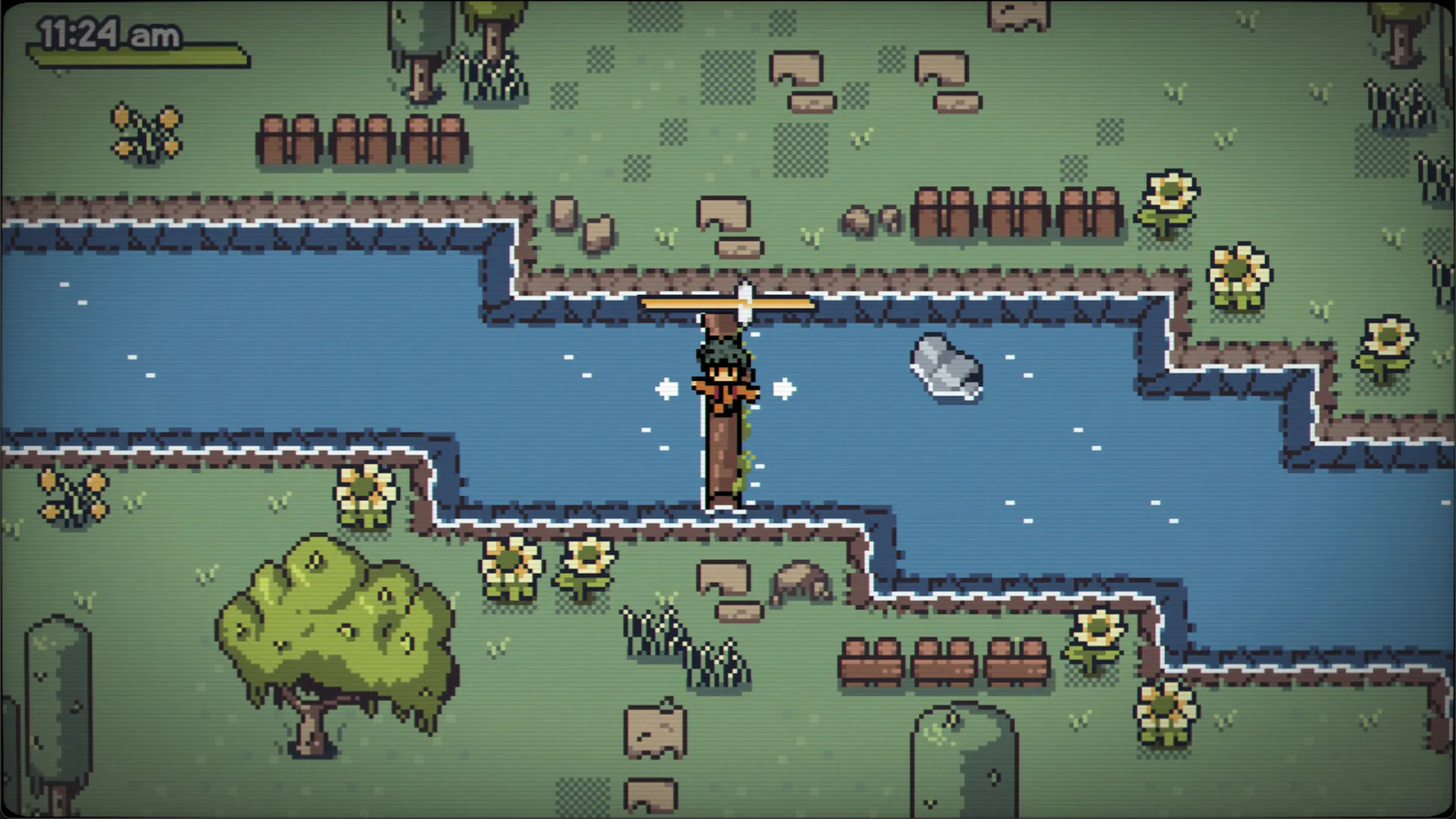
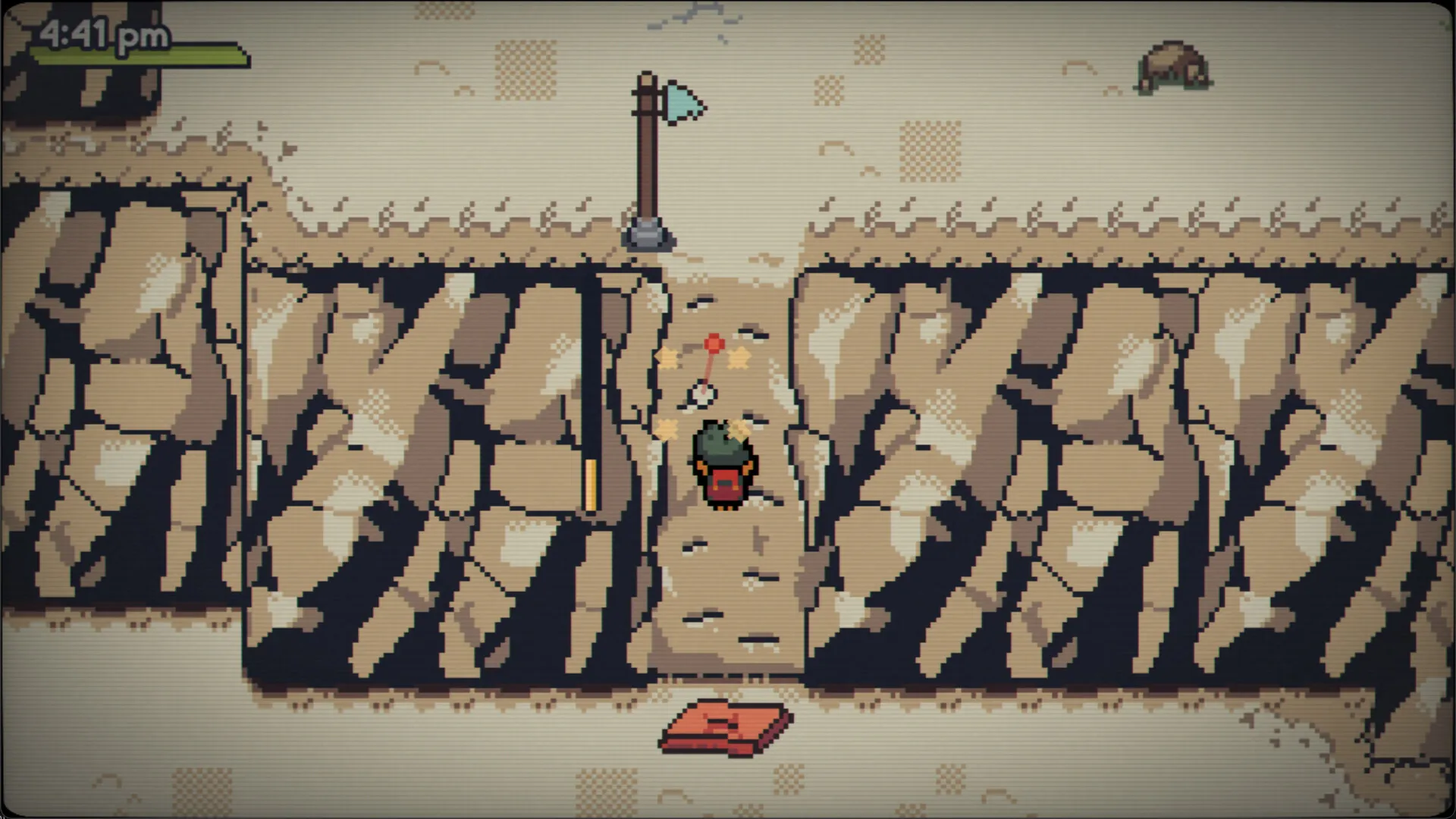
Movement between homes adds moment-to-moment stakes. Short mini-games gate crossings and trails, and they ask for quick, accurate inputs. Hopping across rocks or balancing on logs can cost health or damage goods after a mistake. Load weight increases the difficulty, so cargo management affects both planning and execution.
Two resources support this risk curve. Snacks restore health on the spot. Lighting hidden shrines grants permanent stamina upgrades that make extended routes viable. The result feels like preparing for a trek in Death Stranding, where supplies and fitness determine how far a courier can push in a single run.
Time management shapes the workday. Every screen transition advances the clock, and getting into bed by 10 PM sets up a 6 AM start. Passing out away from home pushes the wake time to 9 AM, which reduces the next delivery window.
Also Read





Pamphlets that shorten travel time become a practical purchase for busier days. Saving embraces the game’s irreverent tone. Interacting with a microwave triggers odd, often philosophical quotes, a small ritual that cuts through the repetition of the route grind and sets a playful mood before heading out again.
Character Connections and Allegorical World-Building
Clifford’s Island operates as a deliberate refuge, removed from the mainland’s technological pace and possible authoritarian oversight. A small set of residents anchors the social map. Cooper comes across as volatile, Baron brings a musical presence, and Samuel provides an engineer’s perspective.
Routine deliveries turn Callum into the community’s connective tissue. Conversations happen in short exchanges at doorsteps and workshops, and the job itself becomes a bridge for people who see each other less often.
The plot uncovers local history piece by piece. A missing scientist, a shut-down radio tower, and a purple substance called the Fade form a spine for the island’s larger mystery. These elements align with themes of technology, pollution, and the need for human contact in a networked world. The pacing runs gently and reads like a compact short story, with new layers arriving through errands that stitch personal requests to island lore. The final stretch undercuts that rhythm.
The story resolves quickly, and major questions about the mainland and the scope of the Fade remain open. The buildup lands with force, while the last moments pull back before addressing the wider implications.
Pixel Art and Sound Design
Presentation supports the tone immediately. The 16-bit-styled pixel art gives the island a warm profile, and a cohesive palette of rust brown, pine-needle green, and salted blues sets a consistent visual language across coasts, woods, and paths. A CRT filter is available for players who want a stronger retro feel, and it fits the game’s interest in old media and quiet spaces.
Audio design stands out. The score uses full orchestral instrumentation and shifts thematically across areas, so travel keeps a sense of place and mood. Samuel’s workshop theme and the post office music provide relaxed, steady backdrops for long stretches of movement. That consistency matters because traversal fills a big part of the playtime.
The top-down perspective and networked level layout support route planning, yet optimization can erode the sensation of a natural landscape. As paths connect tightly, the island begins to read as a visible grid. A missing quality-of-life tool compounds the issue. The only map hangs on the post office wall, so route planning away from that building relies on recall. The lack of a portable map turns efficient planning into memory work rather than an in-field check.
Repetition and the Developer’s Achievement
The core loop settles into repetition quickly. Side tasks repeat with high frequency, and that repetition can drain momentum. Fetching Cooper’s lost records again and again feels like maintenance rather than discovery. Early mini-games introduce another friction point. The directional inputs for rock hopping are not explained cleanly, so players may learn through failed attempts that chip away at health and damage cargo during the first hours.
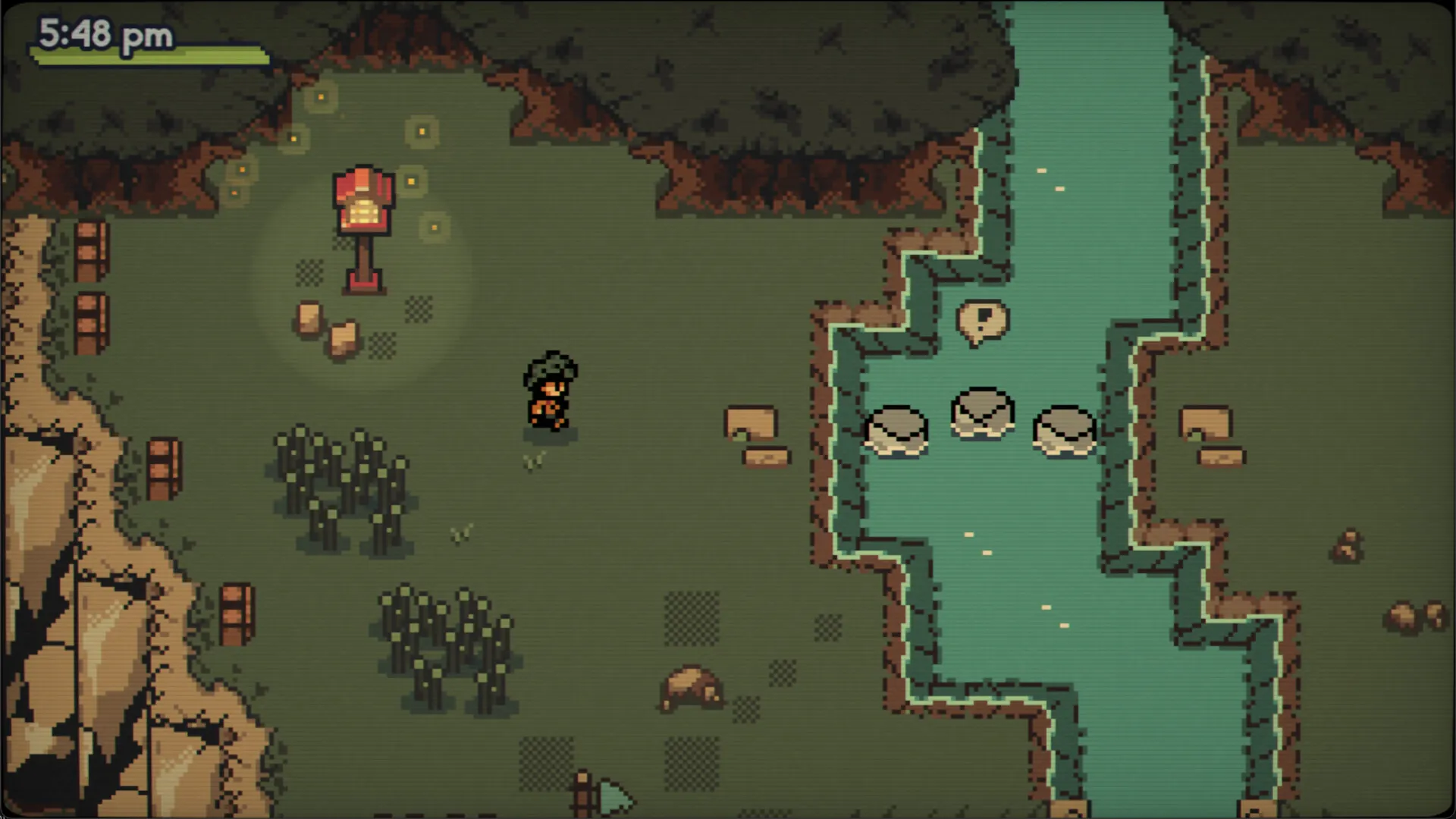
Fading Serenades delivers a tight design built by a solo developer. The game establishes a cozy daily rhythm and a meditative pace for deliveries that contrasts with higher-stakes entries in the genre. The mechanical loop holds together and the island’s cast gives the routes personality.
Mechanical longevity and the abrupt final chapter limit the experience. Even with those limits, the package achieves its intended shape and provides a compact courier story with a clear identity.
The Review
Fading Serenades
Fading Serenades is a charming, meditative delivery game that succeeds as a focused, solo-developed project. Its pixel art aesthetic and excellent orchestral score create a relaxing atmosphere that supports the strong, allegorical themes of human connection. The Tetris inventory and traversal mechanics offer engaging strategy. However, the core loop becomes quickly repetitive, and the narrative's abrupt ending leaves too many compelling mysteries unresolved. It is a worthwhile short experience for fans of cozy games who appreciate deliberate pacing and strong thematic undertones.
PROS
- Cozy pixel art aesthetic
- Strategic inventory management
- Excellent orchestral music
- Strong thematic commentary
- Impressive solo development
CONS
- Gameplay becomes repetitive
- Abrupt and vague narrative conclusion
- Lack of a portable in-game map
- Unclear instructions for traversal mini-games