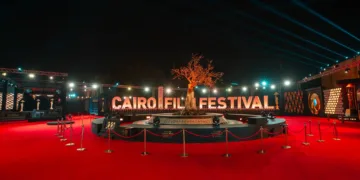




























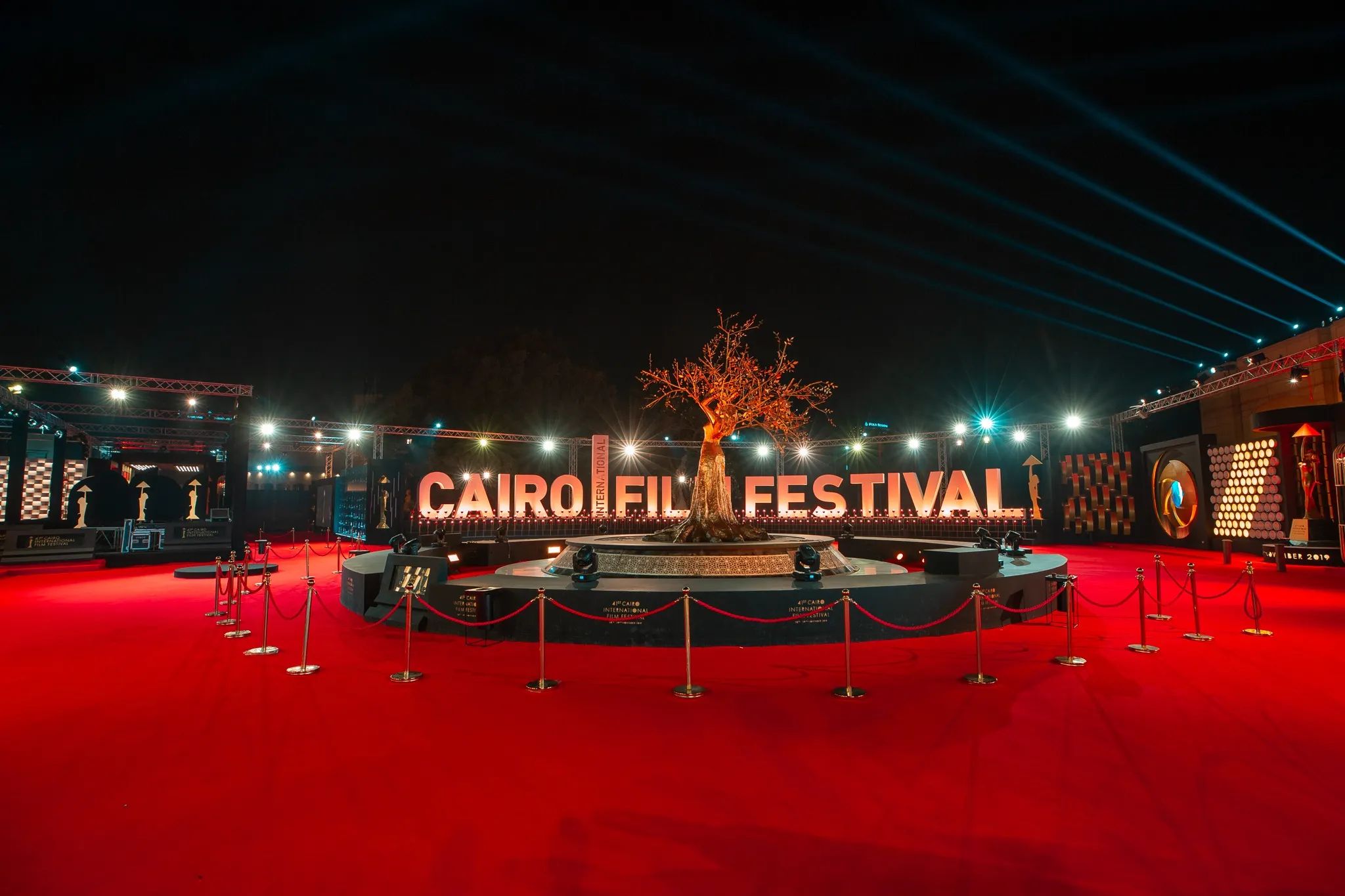

At the 46th Cairo International Film Festival, visiting programmers from major world festivals are encountering a rare alignment: the buzz of the industry market matches the packed screenings across the city. The convergence signals how Cairo is positioning itself as a key stop for discovering the next wave of Arab filmmakers, at a moment when regional cinema is gaining fresh visibility and access to finance.
Industry publication Variety has reported that a larger Cairo Film Connection, the festival’s co-production platform for Arab projects, is attracting programmers who see a growing slate of films, evolving funding structures and an unusually engaged Egyptian audience. Within Cairo Industry Days, the Connection sits alongside the Cairo Film Market and the new Cairo Pro-Meet, which offers small-group meetings between filmmakers and producers, distributors, sales agents, festival programmers, commissioning editors and streaming representatives, designed to turn informal conversations into concrete deals and long-term partnerships.
Programming choices echo that industry focus. The Horizons of Arab Cinema section, now described by festival leaders as central to the event’s emotional and political identity, highlights films that foreground women’s experiences and confront social limits across the region. Around it, panels and masterclasses address co-production models, artificial intelligence in filmmaking and strategies to extend Arab cinema’s reach beyond the usual Arab-European circuit towards partners in Asia and Africa.
The seventh edition of Cairo Industry Days extends the pipeline further back, with ten specialised workshops on topics ranging from genre filmmaking and short-form series development to improvisation, editing, XR storytelling and programming for cinema spaces. More than 900 applications and about 330 selected participants from Egypt, Sudan, Tunisia, Jordan and Morocco point to strong demand for training that links artistic ambition with market realities.
For many programmers, the attraction lies less in a sudden discovery than in the sense of a scene reaching critical mass. At a panel titled “Rising Arab Cinema: From Local to Global”, Egyptian actor Ahmed Malek stressed that international acclaim matters less to him than making films rooted in life at home, while Palestinian filmmakers Arab and Tarzan Nasser spoke about rejecting stereotypes of Gaza and centring human stories over headlines. Their comments mirror the wager CIFF is making: that films grounded in local realities can travel widely, and that a festival which treats its market and its screenings with equal care can help anchor the next phase of Arab cinema on the world circuit.