


























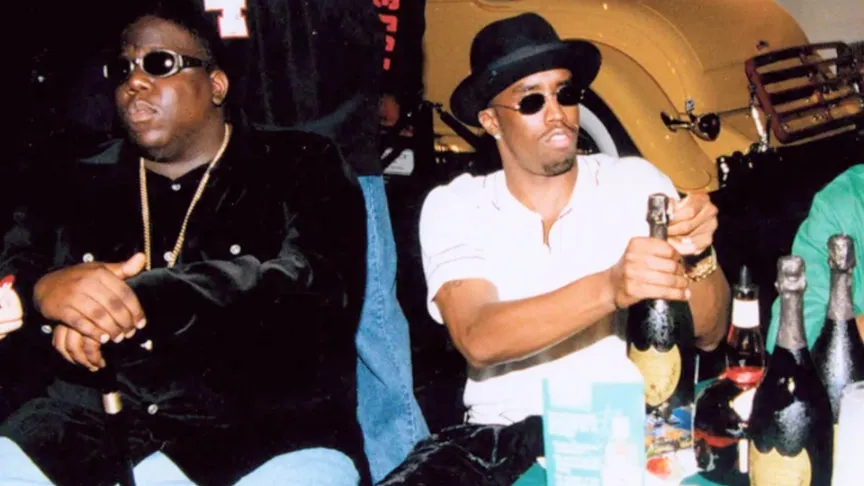
The career of Sean Combs, who cycled through monikers like Puffy, Puff Daddy, P Diddy, Diddy, Love, and Brother Love, played out as a long experiment in self-invented legend. For years, he refined the mogul persona: velvet ropes, champagne spray, the figure who claimed the role of cultural trendsetter. The four-part Netflix documentary Sean Combs: The Reckoning, directed by Alexandria Stapleton, takes that carefully polished surface and pulls it apart piece by piece. The series treats his story less like a spectacle and more like a postmortem.
The release arrives shortly after Combs’s conviction for transportation to engage in prostitution and in the middle of a surge of serious civil allegations, which gives the show a blunt framing device. The 50-month prison sentence anchors the narrative, a numeric reminder that cuts through any nostalgia. The documentary functions as a meticulous record of abuses of power and the pattern of behavior that held his empire together. The Reckoning flips on the lights and lingers on the mess behind the velvet curtain, setting out to create a detailed, public record that feels difficult to erase. The result plays as a cold, sobering account of cultural collapse built around a once-celebrated figure.
The Empire Built on Coercion and Myth
The documentary’s key strength lies in the way it maps the structure of Combs’s rise and grip on power over several decades. Stapleton begins with a vivid sketch of a “hungry youngster,” driven by a fierce, almost pathological determination to succeed. The series immediately places that ambition next to a persistent darkness that it argues existed from the start. Early examples of alleged recklessness and misconduct appear quickly, creating a steady rhythm between the glossy public persona and the alleged private behavior.
The first major rupture in that image appears in the depiction of the 1991 basketball game stampede, which resulted in nine deaths and is tied here to alleged poor planning and a lack of insurance. As presented, this sequence suggests a willingness to treat human life as secondary to personal gain. The pattern gains force with allegations about a 1995 shooting incident, where Combs allegedly tried to bribe a driver to claim ownership of a gun.
From there, the series lays out what it describes as a ruthless financial and professional grip: claims that employees were pressured to sign over business stakes, sometimes under the implied threat of physical violence, with baseball bats cited as one tool of intimidation. Others allegedly saw payments withheld for producing records, a tactic used to keep control intact.
This accumulation of power and money cultivates what the show describes as a profound delusion. Combs’s own words appear as evidence, including quotes where he compares himself to the “son of God” and adopts the title “Black Superman.” The Reckoning frames these moments as proof that he came to see himself as “untouchable,” which shapes how the storytelling lands. The structure here feels deliberate: ambition, control, and self-deification stacked in sequence, edited to build a picture of a man who believed his star status insulated him from consequence.
Also Read





A Chilling Inventory of Human Cost
The emotional punch of The Reckoning comes from the sheer volume of testimony. Stapleton arranges the accounts into something that resembles a dense “case file,” which underlines the scale of alleged abuse and manipulation. Each new claim appears on top of the last, and the repetition creates an atmosphere of systemic horror that wears the viewer down by design.
The emphasis on alleged sexual assault and deviant behavior carries some of the most unsettling material. The series includes the claims of Joi Dickerson-Neal about an alleged 1991 drugging and sexual assault, with an allegation that the act was recorded. Former singer Aubrey O’Day offers testimony that matches the grim tone, describing how she discovered years later, through a civil case witness statement, that she had allegedly been drugged and raped by Combs.
Producer Rodney “Lil’ Rod” Jones’s account heightens this further. He claims he was drugged, groomed, and sexually assaulted in a residence equipped with hidden cameras while working on Combs’s album. He describes being dispatched to find women for parties and waking up physically sore and confused, with memories buried under repeated drugging.
Cassie Ventura does not appear on camera, yet her case forms the emotional anchor for the series. The documentary keeps her experience prominent through the leaked CCTV footage of Combs punching, kicking, and dragging her along a hotel corridor. The show insists this was “far from a one-off event,” and it uses that refrain to tie her experience to wider patterns. Other alleged acts of extreme control contribute to this picture.
Former assistant Capricorn Clark recounts being “kidnapped” at gunpoint in 2011 over a perceived threat from another rapper, material the series presents as another example of his reported paranoia. The film also examines the “freak-off” drug-fueled sex parties involving male sex workers, recording the nature of these gatherings without extending attention to celebrity attendees. By the time these testimonies stack up, the portrait is clear: a life described as operating without moral guardrails, arranged through interviews and archival material with the relentlessness of a prosecutor’s closing argument.
The Arch Manipulator’s Final Blunder
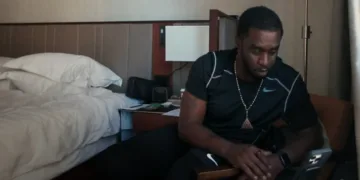
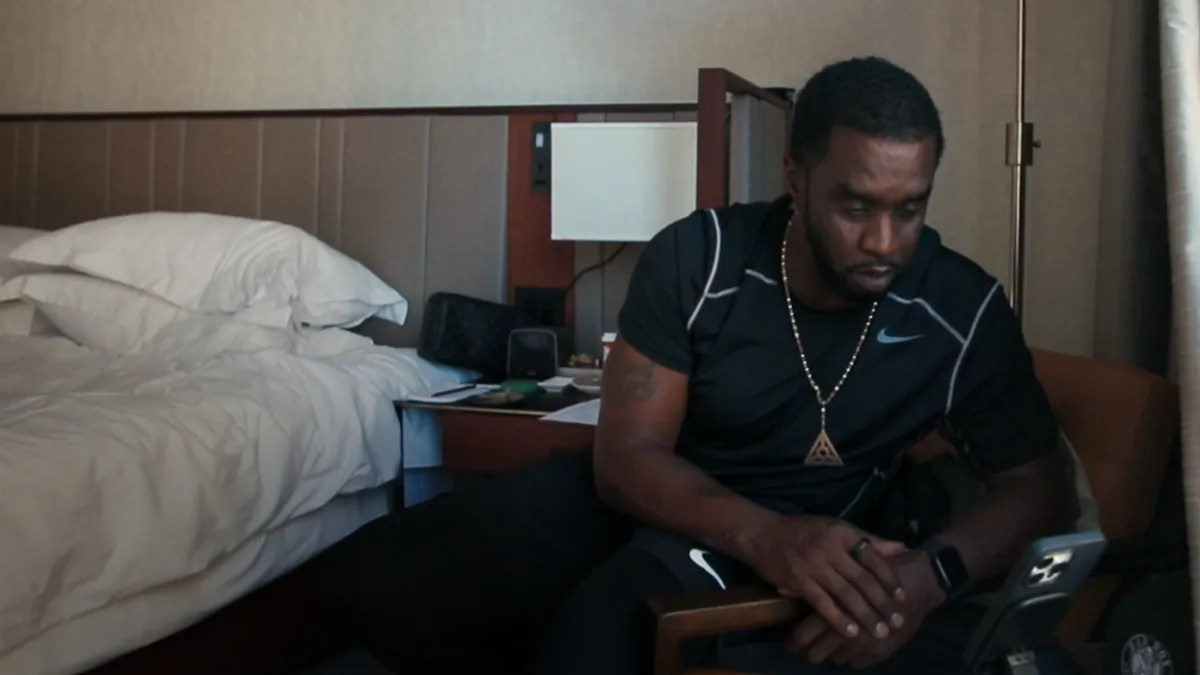
The most arresting structural twist arrives through Combs’s own attempt at image control. The series presents footage from the week before his October 2024 arrest, which he commissioned as part of a planned public plea of innocence. Instead of a persuasive defense, the material shows tense phone calls with his lawyers and his urgent request for someone skilled in the “dirtiest of dirty business” to salvage his reputation. The editing here has a cruel irony: the footage meant to protect him becomes the documentary’s most revealing exhibit. The man often described as an “arch manipulator” ends up providing the cameras with his own undoing.
The final section turns to the federal trial. The documentary notes that Combs was convicted of transportation for prostitution and acquitted of the more serious charges of sex trafficking and racketeering conspiracy. Stapleton includes interviews with jurors, which shifts the series into sharper cultural commentary. The idea of a “cult of Diddy” emerges through their comments, presented as an influence that reached into the jury box. One juror admits to a lack of understanding about the complex dynamics faced by abuse victims, and the discussion of jurors feeling “starstruck” points to a legal system that struggles to register the coercive power of celebrity.
By the end, the documentary claims it has achieved its necessary goal, constructing a definitive public record of a man whose image, in its telling, was rotten from the start. The lingering question is what television does next with a legend once the carefully managed myth has been replaced by this kind of archive.
Sean Combs: The Reckoning is a four-part American television documentary miniseries that details the extensive sexual misconduct allegations and criminal charges against the rapper and mogul Sean “Diddy” Combs. Directed by Alex Stapleton and executive produced by Curtis “50 Cent” Jackson, the series premiered on Netflix on December 2, 2025. It utilizes interviews, archival footage, and startling self-filmed material to chronicle Combs’s career and controversies, which ultimately led to his current incarceration. The mini-series can be watched exclusively on the streaming platform Netflix.
Full Credits
Title: Sean Combs: The Reckoning
Distributor: Netflix
Release date: December 2, 2025
Rating: TV-MA
Running time: 55–67 minutes per episode (4 episodes)
Director: Alex Stapleton
Producers and Executive Producers: 50 Cent, Alex Stapleton, Stacy Scripter, David Karabinas, Ariel Brozell, Brad Bernstein
Cast: Sean “Diddy” Combs, 50 Cent (Self)
Director of Photography (Cinematographer): C.T. Robert
Editors: Jeremy Siefer, Charles Divak, Evan Wise, Jack Gravina, Adam Goldstein, Jonathan Miller
The Review
Sean Combs: The Reckoning
Sean Combs: The Reckoning is a grimly necessary document that systematically chronicles the corrosive abuse of power at the highest levels of celebrity. While exhausting in its relentless detailing of misdeeds, it ultimately serves as a definitive public record, using the mogul's own hubris to expose the darkness behind his carefully managed empire. It offers a powerful, sobering view of a cultural figure's total collapse.
PROS
- The series secures testimony from numerous former associates and alleged victims, constructing a meticulous, multi-decade "case file."
- It effectively charts Combs's rise and fall, linking his unchecked ambition directly to his alleged pattern of control and abuse.
- The documentary provides insight into how extreme wealth and fame fostered a sense of "untouchability," creating a critique of celebrity power.
- The inclusion of Combs's self-filmed pre-arrest footage is a damning, self-incriminating narrative stroke.
CONS
- The sheer volume and intensity of the allegations can make the viewing experience relentless and "exhausting" for the audience.
- Given the amount of information, some viewers may feel the narrative pacing is slow in parts, focusing heavily on repetition to build the case.
- The series only briefly covers the final legal verdict and the complexity of the racketeering charges, leaving some legal details underexplained.