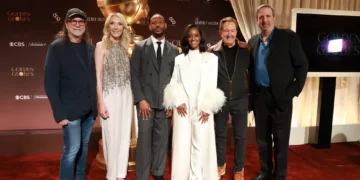

























Golden Globes executive producers Glenn Weiss and Ricky Kirshner are leaning into change this season, defending the awards’ first Best Podcast category while fielding renewed attention on a meticulous Golden Globes spoof in Apple TV+ series The Studio. The duo spoke after nominations were unveiled at the Beverly Hilton for the 83rd ceremony, which airs January 11, 2026, with Nikki Glaser returning as host.
The new podcast prize joins the traditional film and TV races in a year dominated by One Battle After Another on the film side and The White Lotus and The Studio in television. The podcast lineup skews toward high-profile, mainstream titles: Armchair Expert with Dax Shepard, Call Her Daddy, Good Hang with Amy Poehler, The Mel Robbins Podcast, SmartLess and NPR’s Up First.
Weiss framed the addition as a natural extension of what the Globes already celebrate. He called podcasts “perfectly appropriate” for a show built around multiple genres and promised the winners “a Golden Globe, like everybody else,” while teasing “a little fun way to get into it” on air. That hint underlines both the logistical puzzle of inserting audio creators into a TV broadcast and the producers’ desire to give the new field a moment that feels like television, not a side ceremony.
Their choices have sparked immediate debate. The six nominees are all star-driven or institution-backed shows, while chart-topping political and true-crime hits were left off the ballot, including programs hosted by Joe Rogan and several prominent conservative commentators. Industry observers see an awards body that still carries reputational scars opting for apolitical, advertiser-friendly picks. Critics question the role of Luminate, the Penske-owned analytics firm that helped shape the eligibility pool, warning that corporate links and campaign spending can blur the line between recognition and marketing.
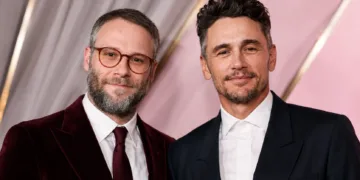
Weiss and Kirshner are also presiding over a ceremony that now exists inside someone else’s satire. The Studio recently restaged the Golden Globes at the Beverly Hilton with striking detail, from ballroom layout to onstage chaos. Co-creator Seth Rogen has said he was surprised by how “comfortable” the Globes were with the production using real iconography, describing the episode as rooted in true stories about executives desperate to be thanked onstage.
In their latest interview, the producers were asked directly about seeing their show spoofed and, according to summaries of that conversation, treated the send-up as part of the modern awards ecosystem rather than a threat. That stance fits a longer strategy: they have spoken in past seasons about “major leaps forward” for the telecast, and this year they oversee a show where The Studio is both a nominee in the comedy series race and a sharp critique of the awards circuit that feeds it.
Also Read






How they stage the podcast presentation, and how warmly they acknowledge the scripted version of their own ballroom, will signal how far the revamped Globes are willing to go in embracing new formats and laughing along with the joke pointed at them.