









Gale: Yellow Brick Road marks a decisive turn for filmmaker Daniel Alexander. A viral short from 2023 has expanded into a feature-length reworking of L. Frank Baum’s world, stripped of the usual technicolor whimsy. Singing munchkins give way to a somber, psychological atmosphere grounded in contemporary anxieties.
The film follows Emily Laughlin, a young woman haunted by recurring nightmares and a fractured sense of self. Her search for identity draws her to a secluded mental health facility where she learns that her grandmother is Dorothy Gale. This Dorothy exists in a catatonic state and communicates fear more than memory.
Alexander frames the film as a dark indie horror fantasy that treats familiar fairy-tale material as repressed trauma. Stretching a proof of concept into a full narrative creates space to examine the shadows behind a familiar myth.
Echoes of Trauma and Family Ties
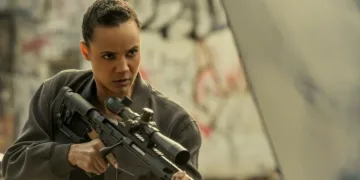
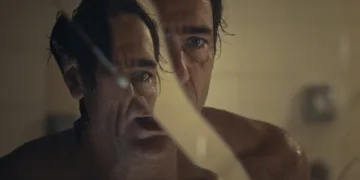
At the center of the film is Emily, delivered with palpable fragility by Chloe Crump. Her struggle registers as both internal and physical. She covers mirrors with duct tape because she cannot face her reflection. That self-aversion echoes the grief she carries for a mother who died by suicide. A discovered journal belonging to that mother points Emily toward an institutionalized grandmother.
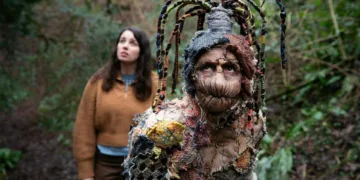
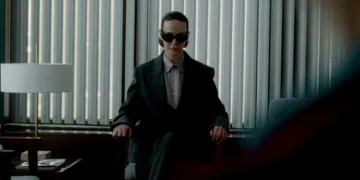
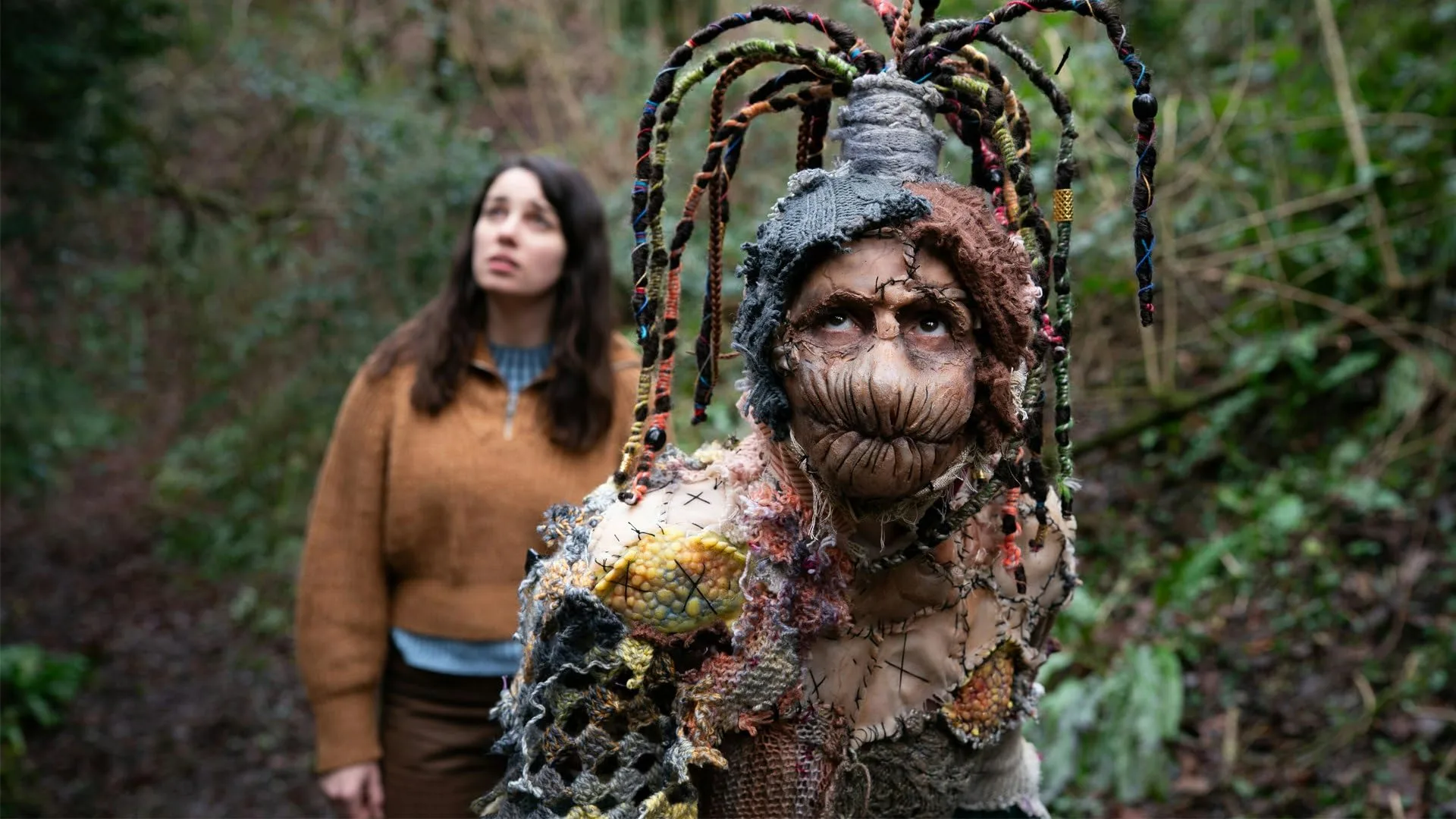
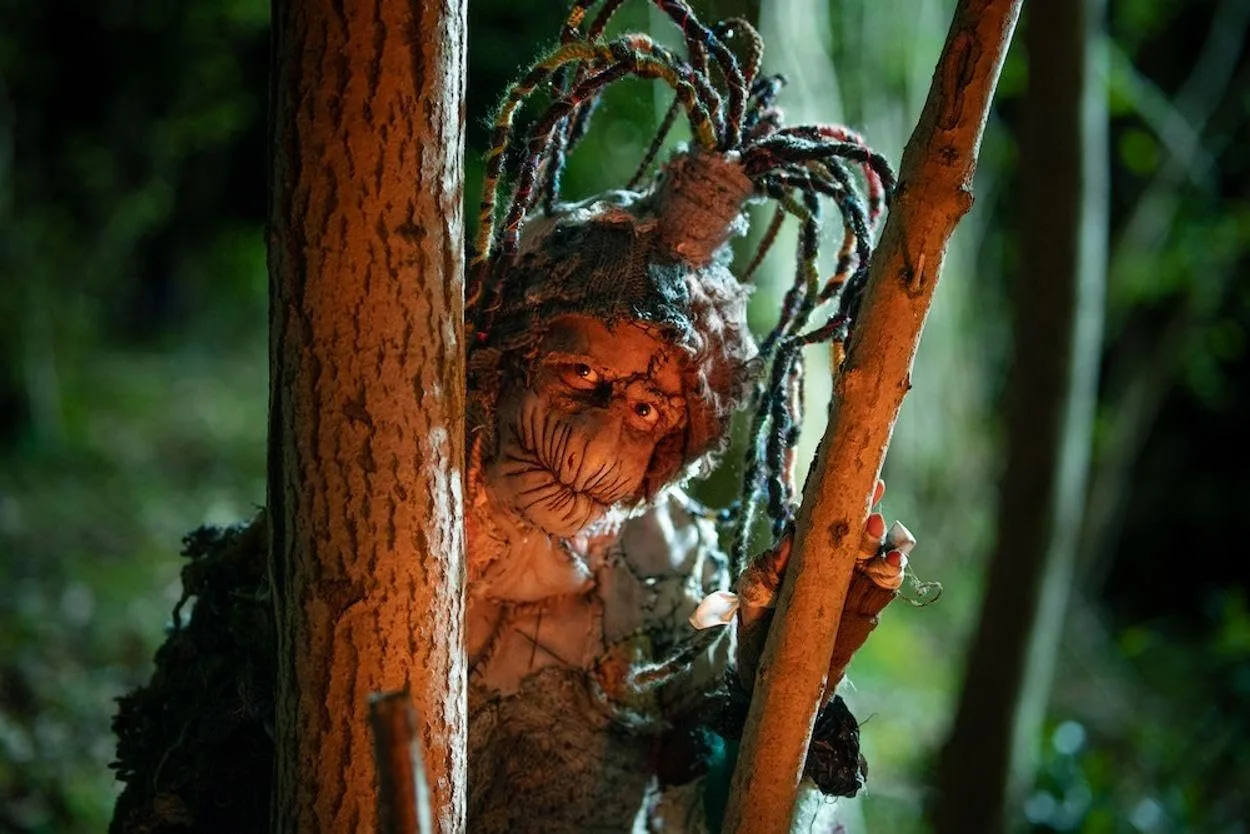
Their meeting is a tense, unsettling encounter. Dorothy answers with frantic heel clicks and a desperate scream that urges Emily to avoid the magical realm. This interaction positions the magical land as a source of hereditary madness. Dr. Appleton, the facility director, runs the ward with a cold authority that hints at motives beyond routine care. In the woods Emily encounters Patches, a silent, stitched figure who functions as a guide.
The script centers fractured memory and inherited pain as core themes. Emily remains a strong emotional anchor for the audience, though some supporting backstory reads thin. The film moves briskly through revelations, which at times leaves certain character motivations feeling rushed as the plot pulls Emily deeper into her ancestral nightmare.
Textures of a Nightmarish Realm
Visually, Alexander commits to a heavy, dreamlike aesthetic that stretches a modest budget. The cinematography uses an overcast palette to sustain a persistent dread. This gloom rejects the saturation of the 1939 film and favors the gray tones of a coastal storm. Thomas Mellor’s intense score rides alongside the imagery to heighten tension.
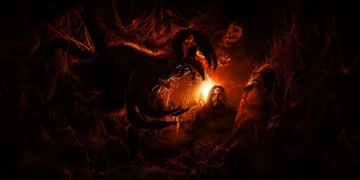
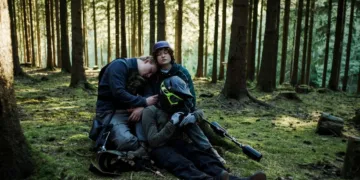
The production leans on practical artistry as a technical strength. The flying monkeys have creature design that generates genuine chill, and the Patches costume reads as tangible and lived in. High quality effects sit next to simpler, purposeful touches such as yellow bricks rendered as scattered debris on a forest floor. That element signals the film’s independent roots and gives the production a polished finish.
Specific images like a burning scarecrow and distorted mirrors further build a oneiric, unstable world. Graphic gore common in other public domain reboots is absent; psychological mood and visual metaphor are the tools used to unsettle the viewer. That restraint lets atmosphere carry much of the weight and produces a striking array of imagery that feels ambitious and inventive.
Lingering Shadows and Psychological Shifts
The film manages its runtime with a deliberate, slow-burn rhythm. The opening half moves with caution, concentrating on Emily’s isolation before the fantasy elements assert themselves. Traditional jump scares appear in these early scenes to maintain audience vigilance, though they sometimes read as familiar genre beats.
Alexander remaps Baum’s mythology through the lens of an altered reality, shaping the magical world into a metaphor for mental illness. The film suggests the magical landscape is defined by the fractured psyche of the Gale women. Ambitious ideas populate the script, yet the pacing can become repetitive as the narrative circles similar themes without delivering a fully resolved emotional payoff. The movie gestures toward a larger world and a possible trilogy, which leaves the villain’s ultimate objective unclear.
A sustained commitment to a dark tone runs through the film and allows no lighthearted respite. That single-minded approach keeps the experience cohesive. The picture participates in a broader cinematic trend of reexamining childhood icons through contemporary anxiety. Despite a few narrative gaps, the film remains faithful to its somber intent as it tracks a decaying route back toward home.
Gale: Yellow Brick Road is a psychological horror reimagining of L. Frank Baum’s The Wizard of Oz, expanding on the viral 2023 short film “Gale: Stay Away From Oz.” The film was released in US theaters for a special one-night engagement on February 11, 2026, through Fathom Events. It follows Emily Gale, the granddaughter of Dorothy, as she unravels a dark family history connected to a terrifying version of Oz. While currently in its theatrical window, the film is a production of Chilling Films and is expected to be available later on digital platforms or via the Chilling app.
Where to Watch Gale: Yellow Brick Road

Full Credits
Title: Gale: Yellow Brick Road
Distributor: Fathom Entertainment, Chilling Films
Release date: February 11, 2026
Rating: PG-13
Running time: 1 hour 46 minutes
Director: Daniel Alexander
Writers: Daniel Alexander, Matthew R. Ford
Producers and Executive Producers: Daniel Alexander, Matthew R. Ford, Tenisha White, Dane Petrali
Cast: Chloë Crump, Karen Swan, Laura Kay Bailey, Hassan Taj, Sarah Feltham, Rachel Hassett, H.C.A. Taylor, Vivien Weigand
Director of Photography (Cinematographer): Daniel Alexander
Editors: Daniel Alexander
Composer: Thomas Mellor
The Review
Gale: Yellow Brick Road
Gale: Yellow Brick Road stands as a visually arresting but narratively hollow experience. It succeeds in establishing a grim atmosphere and twisting familiar lore into something fresh. Yet the sluggish pacing and thin character work undermine these strengths. The film struggles to balance its psychological ambitions with the need for a cohesive story. It often feels like a stretched concept rather than a complete feature. Die-hard Oz fans or atmosphere junkies might find value here. Casual viewers will likely find the path down this darkened road tedious.
PROS
- The gloomy cinematography and intense score create a consistent sense of dread.
- Creature designs for Patches and the flying monkeys are tactile and effectively creepy.
- Chloe Crump delivers a dedicated performance that anchors the emotional arc.
- The reimagining of Oz as a source of hereditary trauma is a creative angle.
CONS
- The first half moves slowly and takes too long to reach the fantasy elements.
- Supporting backstories and villain motivations feel underdeveloped or vague.
- The reliance on standard jump scares diminishes the psychological tension.
- The story leaves many questions unanswered in a way that feels incomplete rather than mysterious.