















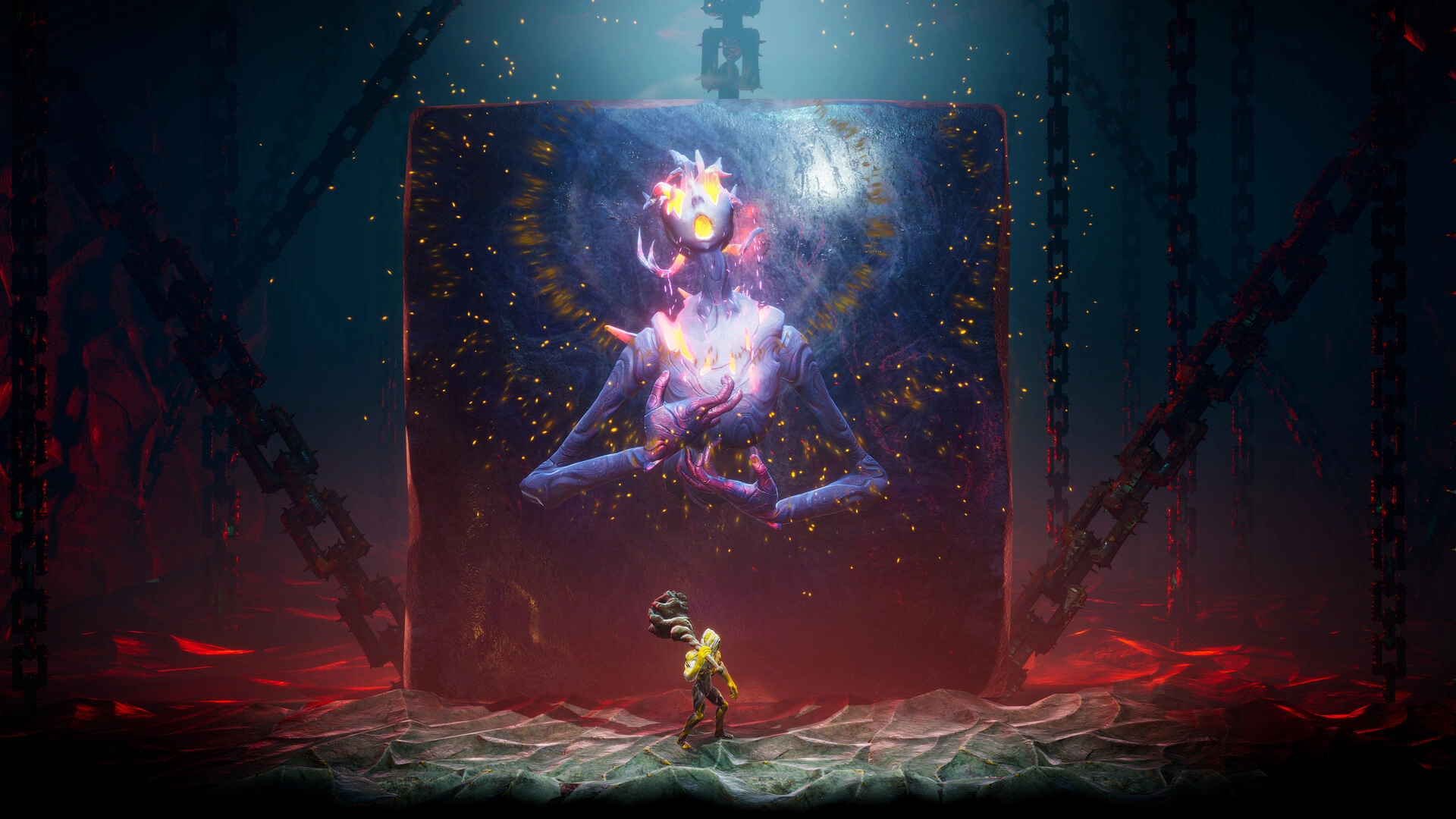

Grime II follows the 2021 action RPG with a sequel that pushes Clover Bite’s strange world into a new visual and thematic space. Players take control of the Formless, a shapeshifting being called White. Born from paint and stone, White is sent forward by a cosmic presence with an appetite for the world itself.
That setup gives the game a clear narrative loop. Every enemy you defeat feeds your growth, tying combat directly to identity and transformation. The setting leaves behind the skeletal, organic caverns of the first game and moves into a realm shaped by art, ruined sculpture, and acts of creation that turned violent.
Hands recur throughout the world as a key image, pointing to both craftsmanship and the brutality of the Smithed creatures that fill these spaces. As White, you travel through places where paint spills in place of blood, searching for a way upward through abandoned experiments and unanswered questions. The 2.5D structure blends exploration with harsh combat that demands accuracy. The result is a story about an art-born mimic searching for purpose inside a world that feels hostile and strangely beautiful.
The Canvas of Creation
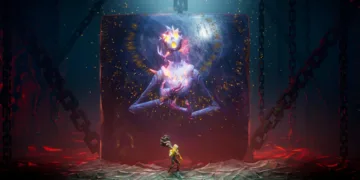
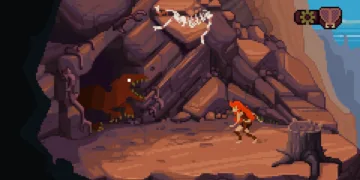
The shift in presentation from the first game lands immediately. Rich, saturated colors take over from the muted palette that defined the earlier world. This setting feels like an active studio that never stopped moving. Hands twitch in the scenery, fingers jut out of enemy shapes, and the image of making something by hand stays present in nearly every area.
Fragments of broken sculpture cover the ground, while paint becomes a material part of the landscape itself. That choice gives these dangerous spaces a ghostly allure. The non-playable characters still look grotesque, and many of the bosses resemble expressionist artworks given motion and aggression.
Alex Roe’s score leans into orchestral melody, giving the sequel a very different emotional texture from the original’s darker, moodier music. That artistic direction turns the game into a macabre gallery. The environments carry the feeling of creation collapsing under its own ambition. Each area feels like another room in a museum built around failed gods and abandoned artistic impulses.
The Art of the Kill
Combat plays with weight, rhythm, and commitment. Your arsenal offers several approaches. Heavy mauls tear through enemies with force, while faster swords support quick pressure and tighter timing. The parry system stands out again. It feels responsive and gives real satisfaction once enemy patterns start to click. Resource management matters in every encounter.
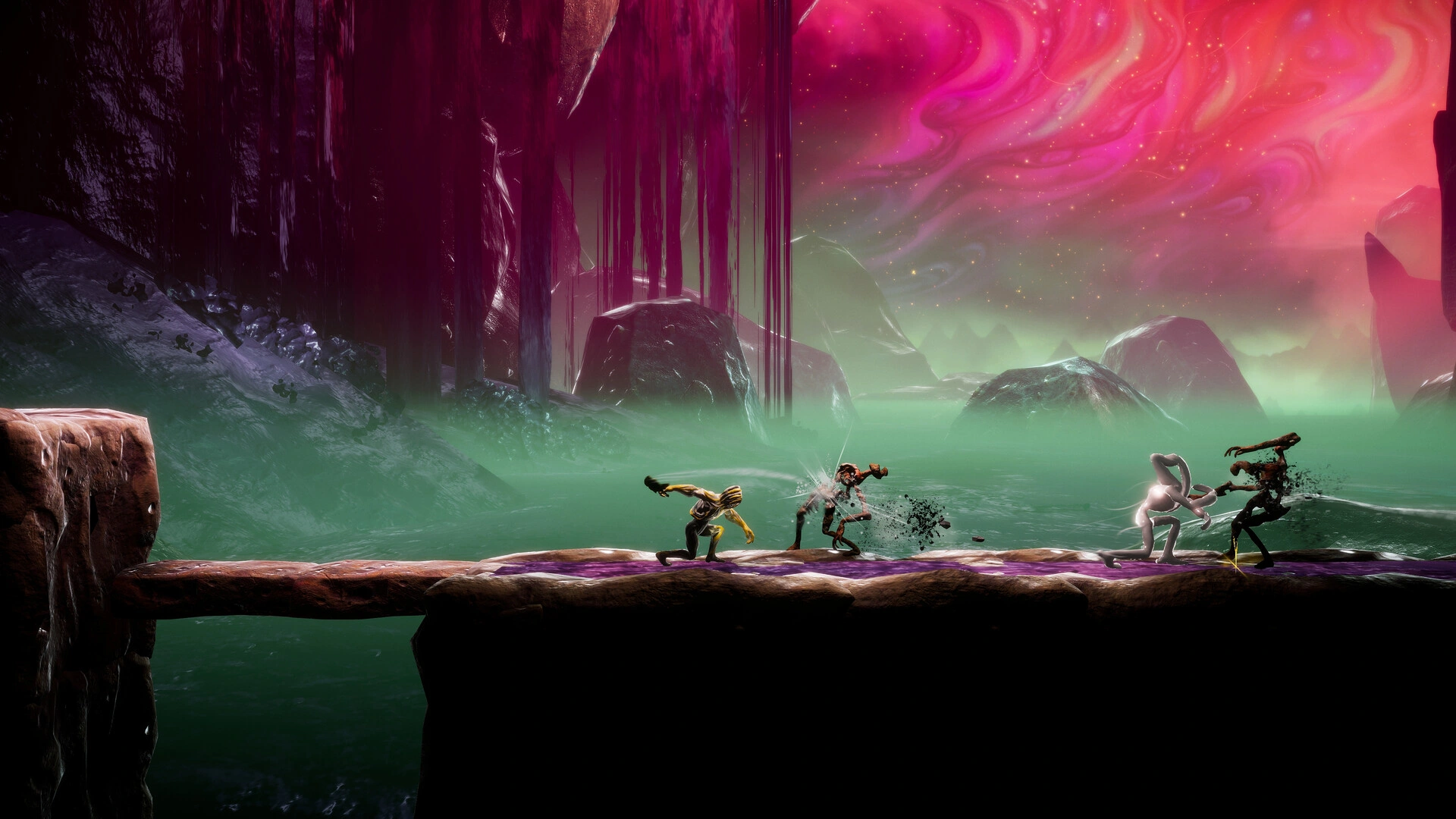
The Breath meter lets you heal after scoring kills, while the Force meter restricts how long you can stay aggressive before pulling back. The game also asks you to watch the room itself. At one point, I lured a creature onto a brittle section of floor and watched it collapse beneath them. Moments like that give each fight an extra tactical wrinkle. Every attack carries commitment, too.
Once an animation starts, you are locked into it, and bad timing can make combat feel heavy in an unpleasant way. That friction is part of the design. It asks you to think before every swing and learn the exact pace of each weapon. That same discipline matters when enemies fill the screen with projectiles and demand quick target priority. The difficulty ramps hard, and each boss fight feels designed as a final test for the mechanics a region has been teaching you.
Becoming the Enemy
Progression is built around imitation. White absorbs defeated foes and learns their Molds, which work as temporary summons. One Mold might pull a boss’s attention away from you, while another lands a direct hit. This system gives White a clear arc from fragile creature to adaptable predator. You can equip four active Molds, and they recharge through combat or specific pickups.
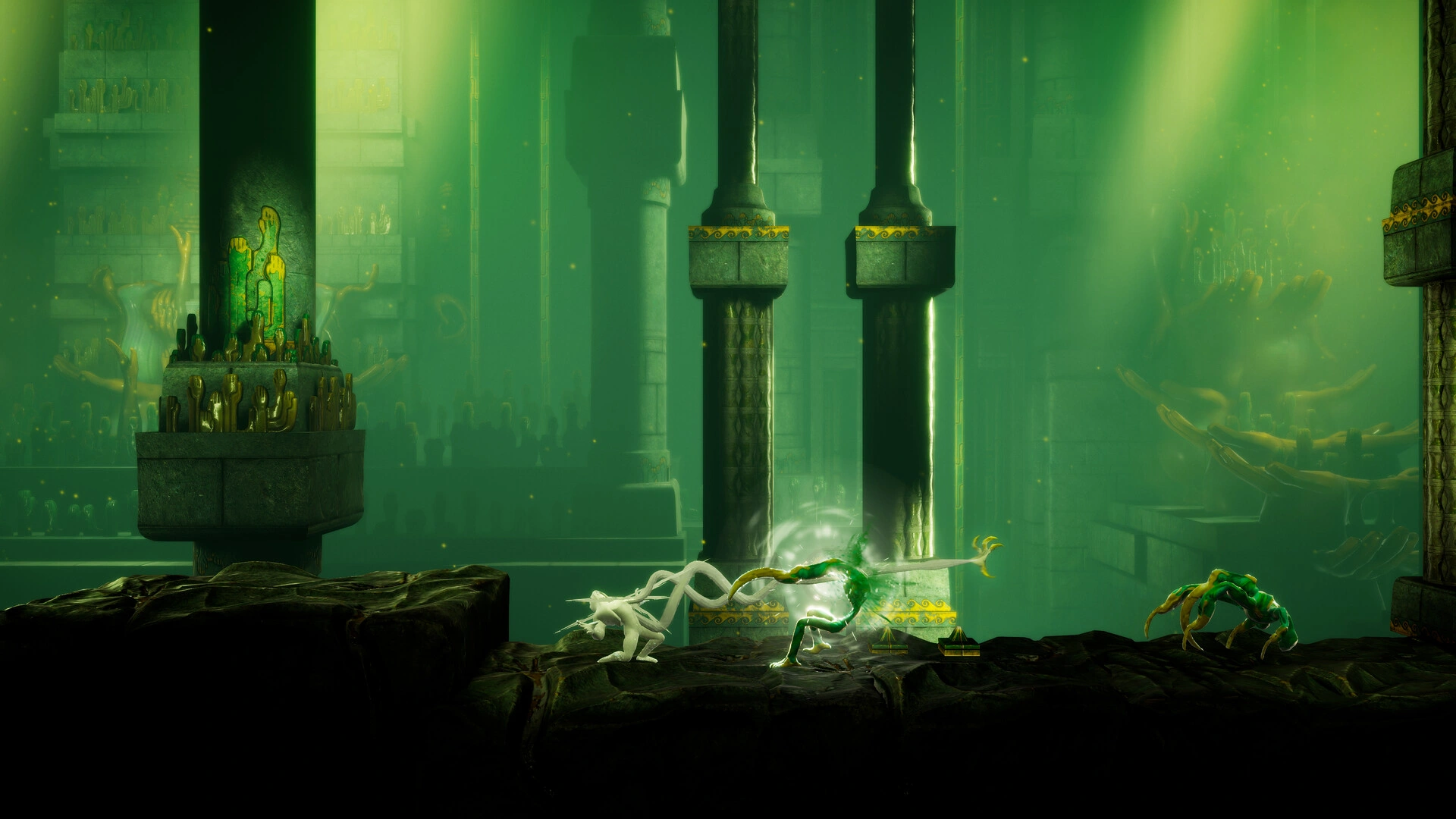
That opens up meaningful choices for how you want to shape your build. Character growth takes place at Surrogates, the game’s rest points, where XP can be poured into stats like health or dexterity. The skill tree is divided into two parts and leaves room for distinct playstyles. Equipment also changes White’s appearance, which helps progression feel physical and visible instead of abstract.
There is a real pleasure in seeing stronger gear reflected on the character model. The interface, though, can get messy. Inventory management takes effort, and locating a specific item can be annoying when you want to swap equipment quickly. The layout lacks clarity, and that can break the flow. Even with that issue, building White into a stronger and stranger version of itself remains one of the game’s strongest hooks.
Moving Through the Masterpiece
The maps feel huge, with areas curling back on themselves in ways that make exploration satisfying. Small hidden corners can open into full secondary spaces, which gives the world a sense of scale and surprise. Searching every side path for upgrades stays rewarding through much of the game. Later, you get a grappling hook that becomes essential, especially during boss fights.
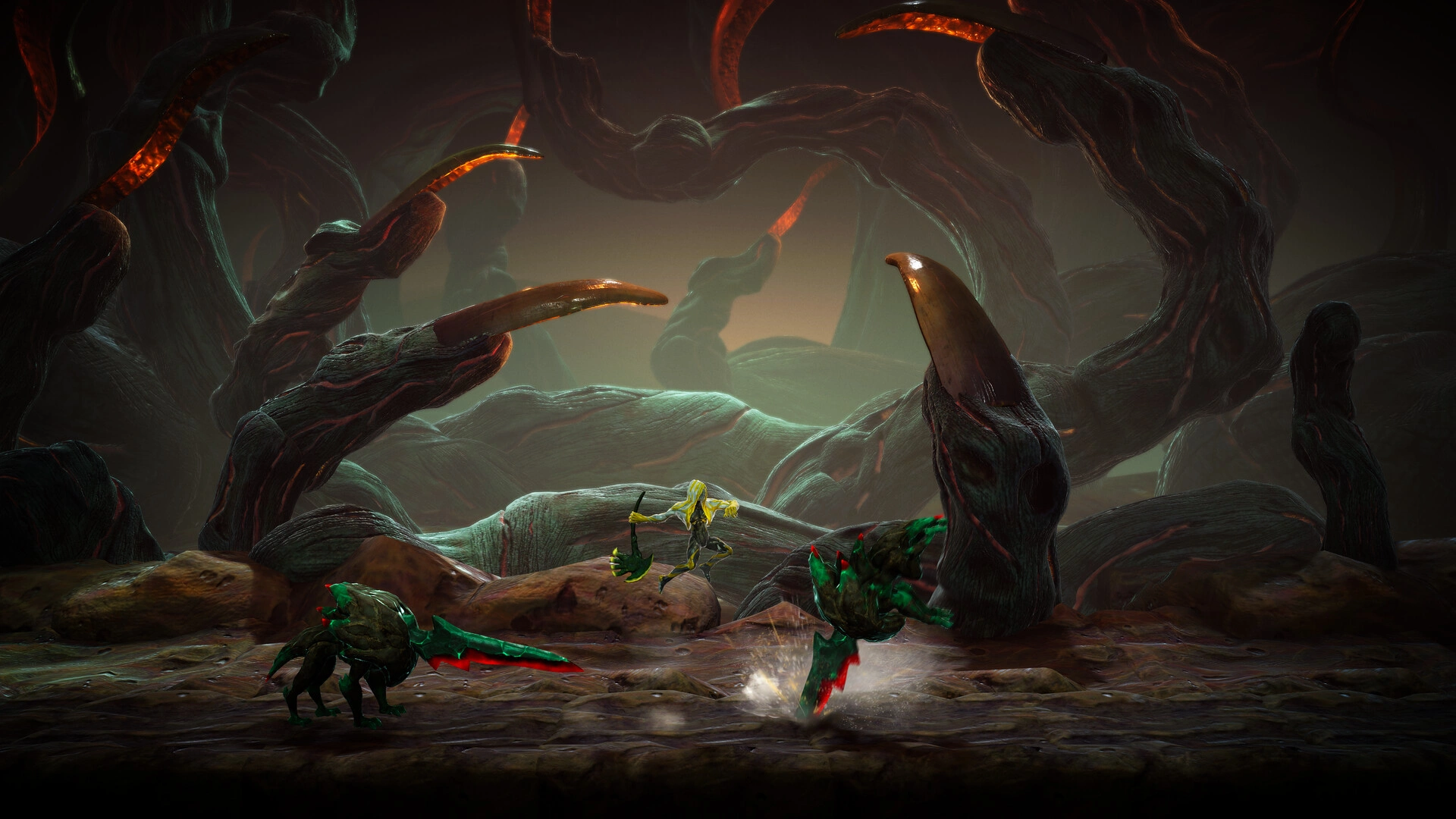
It is useful, though platforming sections expose some roughness in how it handles. Aiming can feel loose, and thumbstick drift makes those moments harder while you are jumping, dashing, and trying to latch onto a precise point in midair. Those sections can become genuinely irritating. The sound design does strong work throughout.
Enemies have distinct audio cues for attacks, which helps you react even when your eyes are tracking something else on screen. On PS5, performance stays solid, with a smooth frame rate during demanding fights. I did spot occasional pop-in during movement between zones.
Familiar hazards such as spikes and toxic waterfalls still gate progress, and backtracking plays a steady role as you return to solve logic-based obstacles. These barriers help control the world’s scale and make each region feel like a skill check before the next one opens.
The Review
Grime II
Grime II evolves into a vivid museum of horrors. The combat feels precise and punishing. Using enemy Molds adds tactical variety to every encounter. Platforming controls occasionally stumble and the menus feel cluttered. The atmosphere remains unmatched. It represents a significant step forward for the series. This title delivers a challenging experience for fans who appreciate a marriage of surreal art and demanding mechanics. It stands as a strong example of the creativity found in indie development.
PROS
- Striking art direction and use of color
- Snappy and rewarding parry system
- Innovative Mold mimicry mechanic
- Large, interconnected world design
- Atmospheric orchestral soundtrack
CONS
- Fiddly grappling hook controls during platforming
- Cluttered and confusing menu interface
- Occasional technical issues like pop-in
- Steep difficulty curve might deter some