












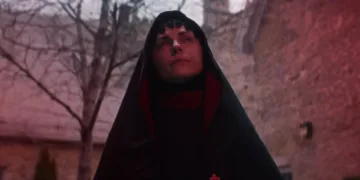















In August 1942, the Vichy regime took an active role in Nazi deportation policy, creating one of the bleakest records of state-backed complicity. Daniel Auteuil’s historical drama places that horror inside a precise location: Block 16 of the Vénissieux internment camp near Lyon.
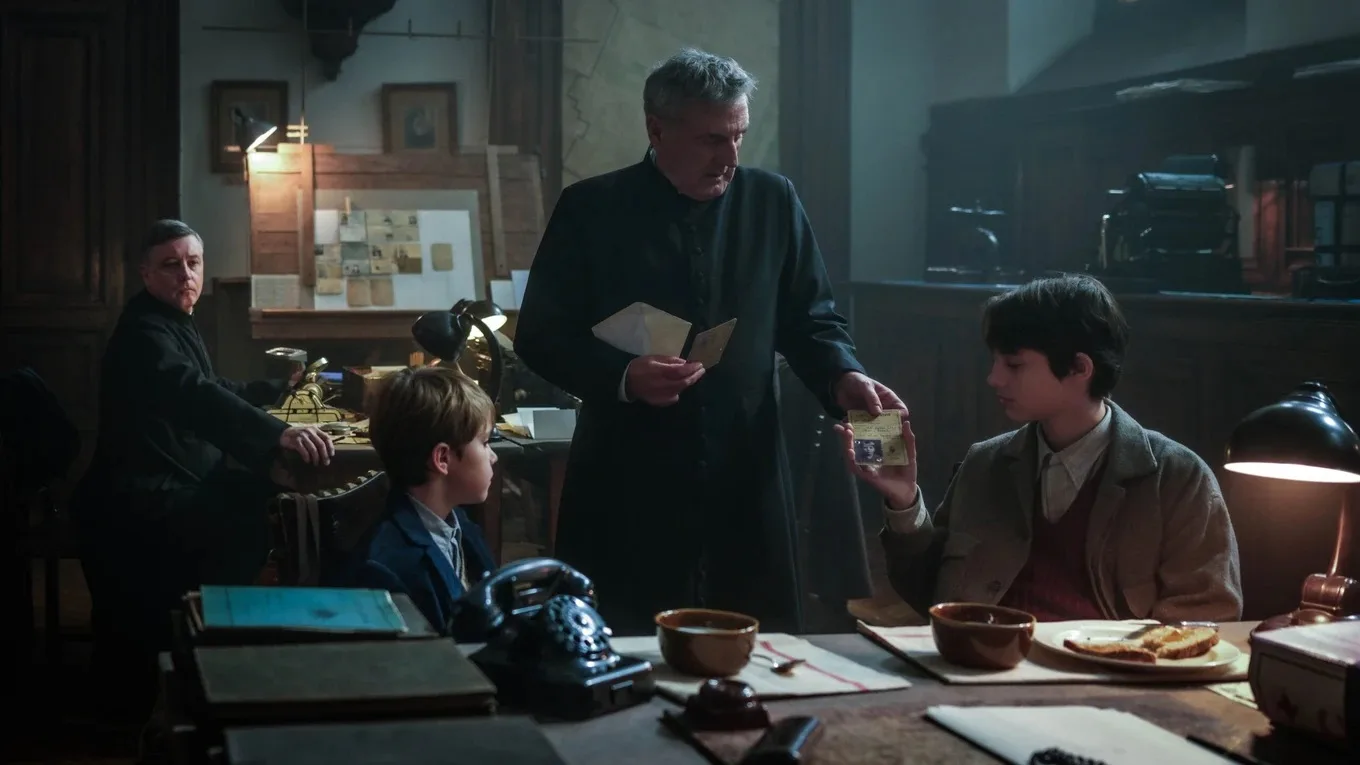
Inside this confined administrative space, a newly formed screening commission studies individual files and decides who may receive one of a limited number of exemptions. The premise creates immediate tension between the state’s cold procedural machinery and the quiet, urgent labor of humanitarian resistance. Gilbert Lesage enters as a careful civil servant trying to perform his duties without surrendering his conscience.
Father Alexandre Glasberg stands beside him with a firmer moral posture, ready to break the law to protect the innocent. Through these two figures, the film gives historical violence an intimate shape. Its strongest quality lies in the way ordinary offices become sites where survival depends on paperwork, nerve, and moral imagination.
Anatomy of a Three-Night Countdown
The screenplay builds its ethical conflict around a strict three-night structure. That chapter-like design gives the drama a steady pulse, tightening the pacing as pressure from the regional prefecture grows. Inside this compressed frame, language becomes one of the film’s sharpest weapons.
Dialogue keeps returning to the clash between human conscience and legal definitions of duty. State representatives demand speed and obedience, using administrative phrasing to soften the reality of genocide. Across the table, the humanitarian faction reads each file as a life in immediate danger.
The room itself becomes a moral map. Lesage changes in visible stages, moving from cautious bureaucrat to active participant in subversion. His struggle between faith and duty gives the film its most direct internal conflict. Glasberg has already crossed that line, using forged documents to widen the exemption lists.
Also Read






State police representatives stay obedient, protecting themselves through the language of procedure and official function. The final act breaks from the measured rhythm of committee debate and turns into a race against time. The pacing grows urgent during the last deportation sequence, where parents face the unbearable task of signing relinquishment forms to save 108 children.
Shadows and Sirens of Vénissieux
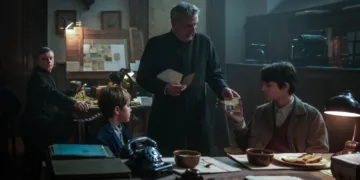
The film’s visual design leans into claustrophobia and low-key lighting. Many scenes unfold in dim interiors, with heavy shadows shaping the period’s grim mood. That intense darkness can become visually repetitive, and some images lose definition in the background. Still, the handheld camera gives the debates a tense physical quality.
The room feels hot, crowded, and anxious, which suits a story built on exhausted people making life-and-death decisions under pressure. Auteuil also uses sudden focus shifts and tight close-ups. These flourishes sometimes feel too contemporary for the material, pulling attention toward technique and away from the grounded period atmosphere.
The film finds its cleanest cinematic language through suggestion. Physical violence stays off-screen, letting space and scale carry the dread. A recurring long take follows a vehicle through the empty brick barracks, and the camp’s severe geometry creates a chilling sense of isolation.
The sound design strengthens that emptiness. Olivier Goinard’s score gives the film an ominous undertow, yet silence often lands with greater force. During one key sequence, the music disappears, leaving the piercing cry of a camp siren. That choice turns the administrative camp into an echo chamber of fear, and it communicates the terror of the setting with remarkable clarity.
The Weight of Accountability
The complete absence of German soldiers on-screen gives the film its most pointed historical argument. Responsibility rests with local authorities, underscored by images of the French flag and portraits of Marshal Pétain in official offices. This emphasis shapes the film as a clear study of systemic collaboration.
Daniel Auteuil gives Father Glasberg a grounded moral authority, steady enough to hold the film through its most procedural passages. Antoine Reinartz plays Lesage with greater restraint. That reserve fits the character’s bureaucratic coldness, though it sometimes keeps his internal change at a distance from the audience.
The screenplay gives priority to historical records and administrative process, which leaves some supporting figures thinly drawn. Several characters function as ideological positions before they feel like full people. The film works best through the focused lens of independent cinema, studying the exact mechanics of civil disobedience: files, signatures, forged papers, whispered decisions, and small acts of coordinated risk. By the final sequence, the cold visual scheme gives way to the emotional force of the rescue itself. The result is an accessible, carefully made record of courage under an oppressive system.
When the Night Falls is a French historical drama that made its world premiere at the Cannes Film Festival in May 2026 as part of the Cannes Première selection. Directed by Daniel Auteuil, this poignant Second World War film chronicles the real-life efforts of a humanitarian priest and a young civil servant who collaborated within an internment camp near Lyon to save Jewish children from deportation under the Vichy regime. Following its prestigious festival run, the film is distributed locally by SND and is hitting international theatrical markets throughout the year via regional partners like Rai Cinema and Palace Film.
Full Credits
Title: When the Night Falls
Distributor: SND
Release date: May 2026
Running time: 1 hour 45 minutes
Director: Daniel Auteuil
Writers: Daniel Auteuil, Camille Lugan, Adrien Nussenbaum
Producers and Executive Producers: Frédéric Jouve, Nelly Auteuil, Adrien Nussenbaum
Cast: Antoine Reinartz, Daniel Auteuil, Luàna Bajrami, Grégory Gadebois, Grégoire Colin
Director of Photography (Cinematographer): Jean-François Hensgens
Editors: Valérie Deseine
Composer: Olivier Goinard
The Review
When The Night Falls
Auteuil’s drama functions better as a rigorous historical document than a compelling cinematic experience. While its focus on the administrative machinery of the Vichy regime offers a valuable lesson in domestic accountability, the film struggles to maintain dramatic momentum. The decision to prioritize bureaucratic procedures over deep character development results in a cold, occasionally monotonous narrative. Still, the striking sound design and the emotional weight of its final rescue sequence provide a memorable tribute to civil disobedience. It is a flawed but honorable effort.
PROS
- Courageously focuses on French complicity without shifting blame to German occupiers.
- Excellent use of diegetic silence and unsettling siren cues to build dread.
- Daniel Auteuil grounds the narrative with quiet moral authority.
CONS
- An overreliance on shadows and low-key lighting flattens the imagery.
- Methodical committee meetings can feel overly rigid and dry.
- Frequent focus shifts and extreme close-ups disrupt immersion.