




























Netflix India expands its reality slate with Desi Bling, a seven-episode series exploring the opulent lifestyles of ultra-wealthy Indian expatriates in Dubai. Premiering on May 20, the production builds its narrative around high-profile Indian television couple Karan Kundrra and Tejasswi Prakash as they move through the city’s elite social circles while evaluating a permanent move.
The series extends the established regional luxury docusoap format, populating its glittering landscapes with billionaires, real estate tycoons, and lifestyle influencers. Key ensemble members include high-net-worth couples Satish and Tabinda Sanpal, Rizwan and Sana Sajan, alongside prominent social fixtures such as sisters Alizey and Lailli Mirza, Pamela Serena, and Iryna Kinakh with her husband Dyuti Parruck.
The series leans heavily into highly structured, performative friction, utilizing sudden social rivalries, public confrontations, and luxury brand placements to drive its episodic narrative. The season moves toward a heavily produced relationship milestone for its central celebrity couple, framing its exploration of elite expatriate life through a sequence of manufactured conflicts and extravagant displays of materialism.
Narrative Architecture and Structural Authenticity
Global docusoaps demand a delicate balance of constructed scenarios and organic reactions. Desi Bling discards this balance for a rigid, predictable script blueprint. The narrative moves through a continuous cycle of confrontation, rapid gossip transmission, brief reconciliation, and immediate repetition. This formula abandons the steady progression found in superior international reality series, prioritizing quick theatrical shock value.
Alliances materialize overnight between individuals with zero prior history, while deep betrayals emerge without baseline tension. This rapid pace betrays a strict, producer-mandated filming schedule. The artificial architecture peaks during the season-ending wedding proposal. The camera tracking, symmetric guest placement, and pristine production design expose a highly commercialized event, stripping the relationship of genuine emotional resonance.
This heavy-handed orchestration causes the reality illusion to collapse entirely. The show transforms into rehearsed improv theater. Cast members frequently pause before speaking, visually tracking camera placement or awaiting physical cues, abandoning the unstudied behavior crucial to the fly-on-the-wall perspective. Realism fractures further due to an absurd gossip transmission rate. Private discussions are immediately and systematically exposed at massive public gatherings without logical motivation, serving strictly to ignite the next manufactured shouting match.
Also Read





Even the attempts at transparency expose producer manipulation. In one solo interview, Pamela Serena expresses absolute surprise when her ex-partner presents a Chanel handbag, yet a sharp cut to the partner’s separate interview reveals she selected the exact item in the boutique days prior. This clumsy editing reveals the omnipresent hand of the director, leaving the audience deeply aware of the fiction behind the reality label.
Character Performativity and Screen Presence
The demand for emotional truth in contemporary television clashes with the highly self-conscious performances of the central cast. Tejasswi Prakash approaches the unscripted format with a distinct theatricality reminiscent of daytime television melodramas. She amplifies minor social disagreements through intense vocal affectations, physical eye-rolls, and a defensive, repetitive reliance on shouting her signature phrase to silence peers. This calculated over-acting distances international viewers accustomed to the more subtle self-awareness seen in western counterparts.
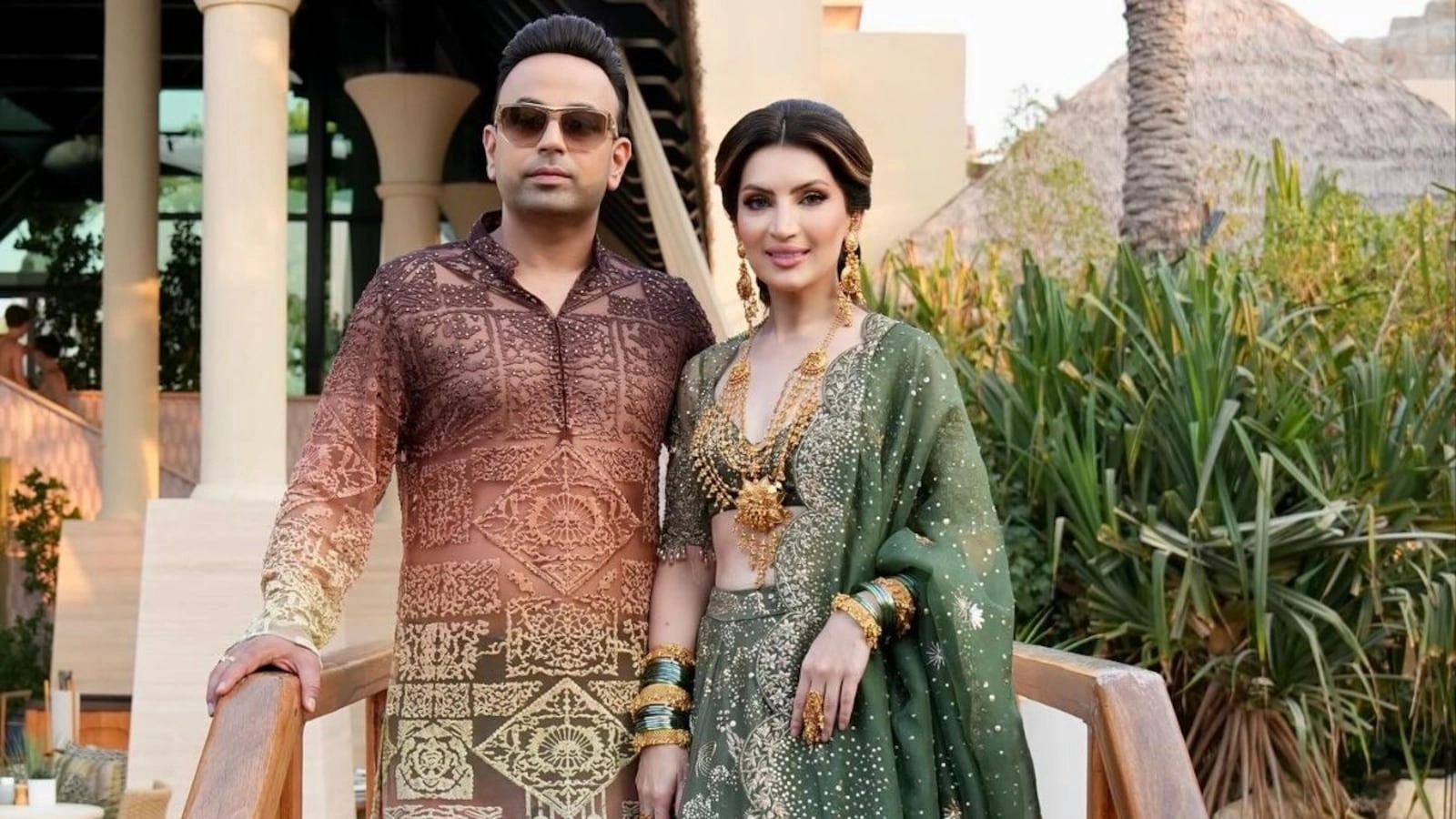
Opposite her, Karan Kundrra crafts a highly manicured on-screen persona. He positions himself as a calm, detached patriarch, yet this posture slips into defensive deflection during genuine confrontations. His superior attitude and acute awareness of visual framing reveal an individual deeply concerned with image preservation. The script flattens their documented real-world romance, trading genuine affection for an exhausting series of superficial bickering sessions tailored for social media engagement.
The secondary storylines reveal a sharp divide between hollow posturing and unexpected sincerity. Satish and Tabinda Sanpal reduce their screen presence to transactional statements of wealth, trading human complexity for provocative declarations regarding their ownership of forty kilograms of gold or buying luxury sports cars for infants. Similarly, the domestic arc of Iryna Kinakh and Dyuti Parruck lacks emotional justification. Their swift transition from an affluent marriage to public arguments over divorce papers feels unearned and manipulative, processing serious marital distress as a cheap plot device.
Surprisingly, the figures initially framed as aggressive social antagonists emerge as the most authentic elements of the ensemble. Sisters Alizey and Lailli Mirza, along with Pamela Serena, shed their superficial titles to display grounded, mature interactions that expose the artificial nature of the headlining stars. Meanwhile, the Sajan family remains entirely detached from the central drama, operating as corporate place-markers who utilize their screen time to promote real estate empires, disengaged from the narrative entirely.
Visual Language, Materialism, and Technical Execution
Desi Bling adopts the ultra-high-definition, hyper-saturated visual palette common in contemporary luxury television, utilizing sharp 4K cinematography to commodify every frame. Camera lenses track the geometric angles of sprawling Dubai mansions, the polished chrome of custom supercars, and private yachts gliding across the Persian Gulf.
Lighting packages are arranged to emphasize consumer wealth, treating designer logos from fashion houses like Gucci, Chanel, and Fendi as primary scenic elements, granting these consumer goods immense visual weight within every frame. The camera transforms the city into a sterile, corporate showroom. Dubai loses its cultural history, functioning merely as a glistening backdrop designed to validate the social standing of the elite cast members.
The auditory landscape and styling choices reinforce this melodramatic, over-produced environment. The wardrobe design crosses the line from high-end luxury into distracting costume, particularly in the case of Karan Kundrra, whose theatrical, over-styled garments feel detached from casual reality. The sound design employs aggressive reality-television tropes, using dramatic musical stings, bass drops, and sharp audio cues to force tension onto entirely ordinary dinner conversations.
This sonic manipulation attempts to manufacture high-stakes drama out of trivial misunderstandings. The ultimate technical disconnect occurs during the show’s numerous celebrity cameos. When prominent figures such as chef Ranveer Brar, tennis champion Sania Mirza, or actress Sunny Leone enter the frame, the camera accidentally captures their visible spatial and emotional discomfort. Trapped within this artificial bubble, these high-profile guests look longingly toward the exits, creating a hilarious visual contrast with the oblivious, performing elite around them.
Socio-Cultural Undercurrents and Formal Subtext
Beneath the hyper-modern, diamond-encrusted exterior of Desi Bling lies a regressive social framework that contradicts the show’s progressive luxury branding. The episodes reveal a stark asymmetry between material wealth and cultural mindset, exposed through casual dialogue endorsing patriarchal traditions. Tabinda Sanpal openly defends the practice of a wife touching her husband’s feet daily to invite financial prosperity, revealing archaic gender hierarchies thriving inside a multi-million-dollar penthouse.
This toxic domesticity reappears in the Parruck family narrative, where Dyuti utilizes traditional, reductive language to critique his wife’s mothering skills while completely dismissing his paternal obligations. The production attempts to sanitize this behavior during an artificial sequence where the male cast members sit in a structured circle to offer sensitive marriage guidance. This scene feels deeply fraudulent, violating regional male socialization patterns to create a manufactured, progressive image for global audiences.
The series functions as an accidental study of elite isolation, capturing a pervasive melancholy beneath the glittering surface. The cast members attempt to soothe deep personal voids and transactional friendships through the continuous acquisition of material capital, treating Birkin bags and luxury properties as shields against profound loneliness. The text highlights a clear divide between the possession of vast wealth and the presence of cultural refinement, depicting a community defined entirely by aggressive social climbing and conspicuous consumption.
Every friendship fractures over trivial gossip, exposing the profound fragility of relationships built on shared status. For the international viewer, this endless parade of artificial intimacy and transactional loyalty creates an unexpected shift in perspective. By exposing the emotional bankruptcy of the ultra-rich, the series accidentally reframes a normal, uncommodified life defined by genuine human connection as the ultimate luxury.
The glamorous reality television series Desi Bling premiered globally on May 20, 2026. Audiences looking to dive into the lavish and drama-filled world of ultra-wealthy Indian expatriates navigating the elite social hierarchy of Dubai can stream all seven episodes of the first season exclusively on Netflix.
Full Credits
Title: Desi Bling
Distributor: Netflix
Release date: May 20, 2026
Rating: TV-MA
Running time: 37 to 47 minutes per episode
Director: Marcel Dufour
Producers and Executive Producers: Mazen Laham, Lama Samad, Marcel Dufour
Cast: Tejasswi Prakash, Karan Kundrra, Rizwan Sajan, Pamala Serena, Alizey Mirza, Lailli Mirza, Dyuti Parruck, Satish Sanpal, Iryna Kinakh, Tabinda Sanpal, Janvee Gaur, Adel Sajan, Sana Sajan
The Review
Desi Bling
Desi Bling is a glossy, heavily manufactured piece of reality fiction that swaps genuine emotional truth for aggressive consumerism and recycled relationship drama. While its 4K visual opulence and chaotic social rivalries offer an addictive, guilty-pleasure allure for hate-watching, the show suffers from terribly rehearsed performances, repetitive scripts, and regressive cultural undercurrents. It captures immense material wealth but zero narrative class, operating best as mindless background entertainment rather than an authentic docusoap.
PROS
- Visually stunning 4K cinematography showcasing Dubai’s elite architecture and luxury.
- Strangely addictive, binge-worthy gossip and chaotic ensemble energy.
- Entertaining, candid cameo appearances from outsiders like Sunny Leone.
- Refreshing, grounded authenticity from supporting cast members like the Mirza sisters.
CONS
- Painfully staged conflicts and heavily production-managed milestone events.
- Exhausting, repetitive, and flat relationship loops from the central celebrity couple.
- Glaringly performative acting and high awareness of camera framing.
- Regressive patriarchal mindsets and toxic domestic double-standards beneath the luxury.