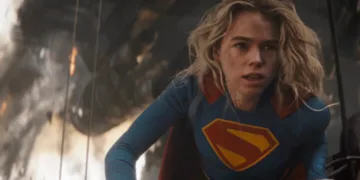



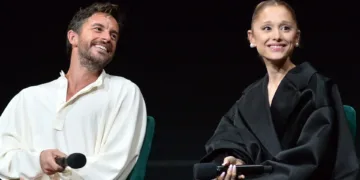
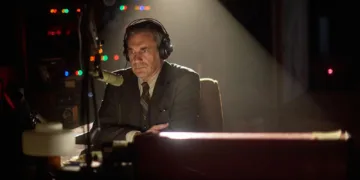
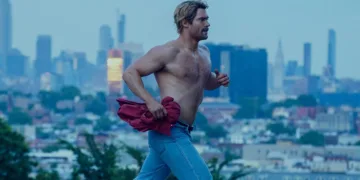













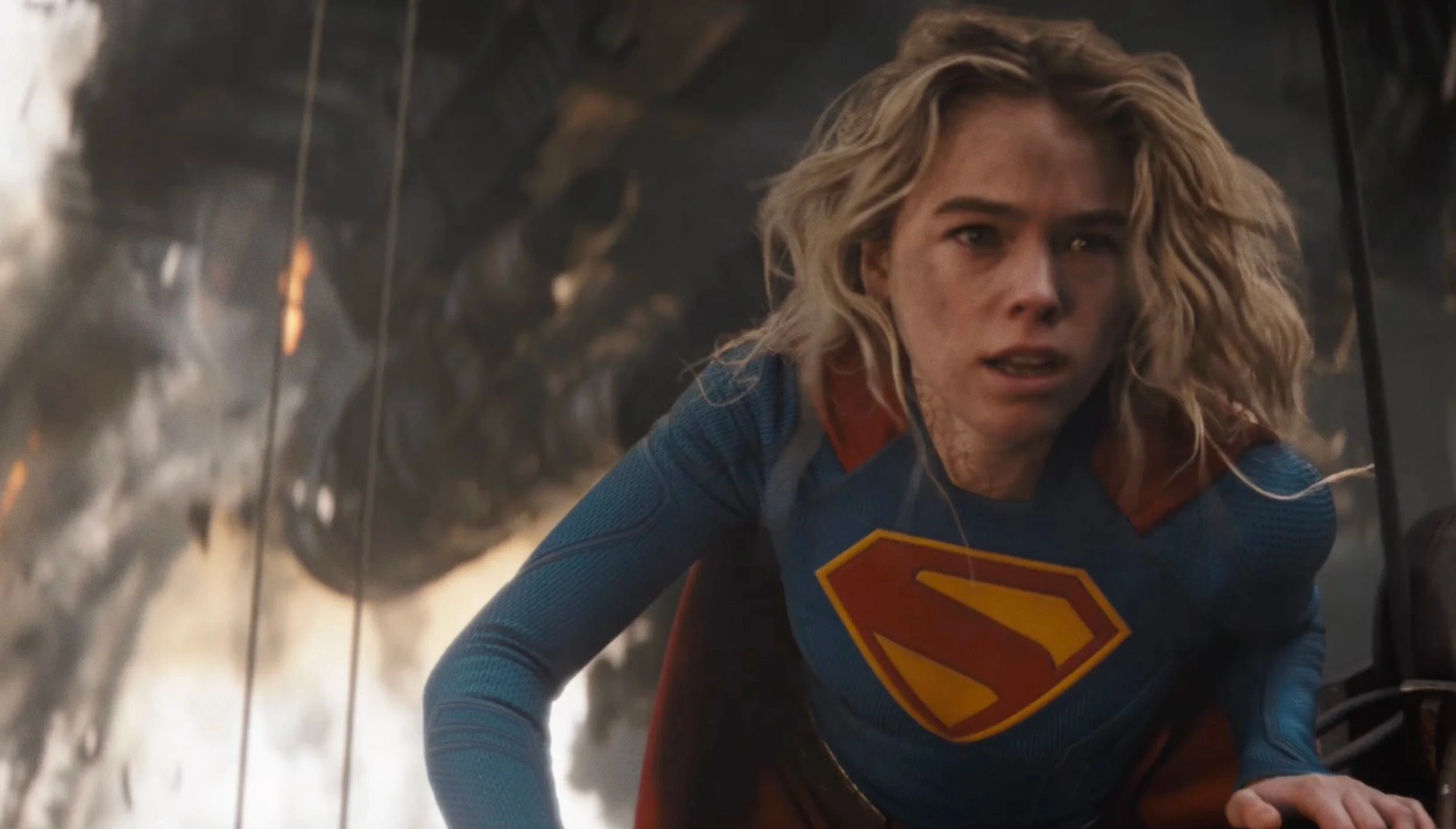

First reactions to Supergirl, the second film in James Gunn’s rebooted DC Universe, landed Thursday and split critics sharply — though nearly all of them landed on the same side of one debate: Milly Alcock owns the role.
The Craig Gillespie-directed film, adapted from Tom King and Bilquis Evely’s acclaimed Supergirl: Woman of Tomorrow comic run, follows Kara Zor-El on a grief-fueled, interstellar revenge mission after a ruthless adversary strikes close to home. It opens in theaters June 26 with a $170 million budget and carries considerable expectations as the first major test of whether last summer’s Superman — which introduced Alcock’s Kara in a cameo — was a launching pad or a ceiling for the new DCU.
The tone caught many viewers off guard. Reviewers expecting something close to the warm, optimistic energy of Superman found instead a dirtier, more punishing film. Critics repeatedly reached for the same reference points: Mad Max: Fury Road’s grimy ruthlessness, True Grit’s reluctant-companion structure, and Guardians of the Galaxy’s genre-bending humor. One reviewer called it “simultaneously funny and somber,” a combination the film appears to pull off unevenly.
Alcock emerged as the consensus standout. Reviewers praised the range she brings to Kara — jaded and brash on the surface, with a grief and vulnerability beneath that pays off in the film’s backstory sequences. Den of Geek declared she “will change our idea of Supergirl forever.” Jason Momoa’s Lobo drew similarly loud praise; multiple critics said they wanted more of him, with one noting he looks like he’s “having the time of his life” in the role.
David Corenswet’s Superman, appearing in what amounts to a supporting capacity, generated its own wave of enthusiasm. Several critics called his casting “perfect” and noted that every scene he occupies lifts the film considerably.
Where reactions fractured was the villain. Critics flagged Matthias Schoenaerts’ antagonist Krem as the film’s weakest element — unmemorable against the vividly drawn heroes around him — and a handful found the script uneven and the pacing messy in places. The question heading into opening weekend is whether Alcock’s breakout performance and the film’s distinctive visual identity can carry audiences past those structural complaints.