





























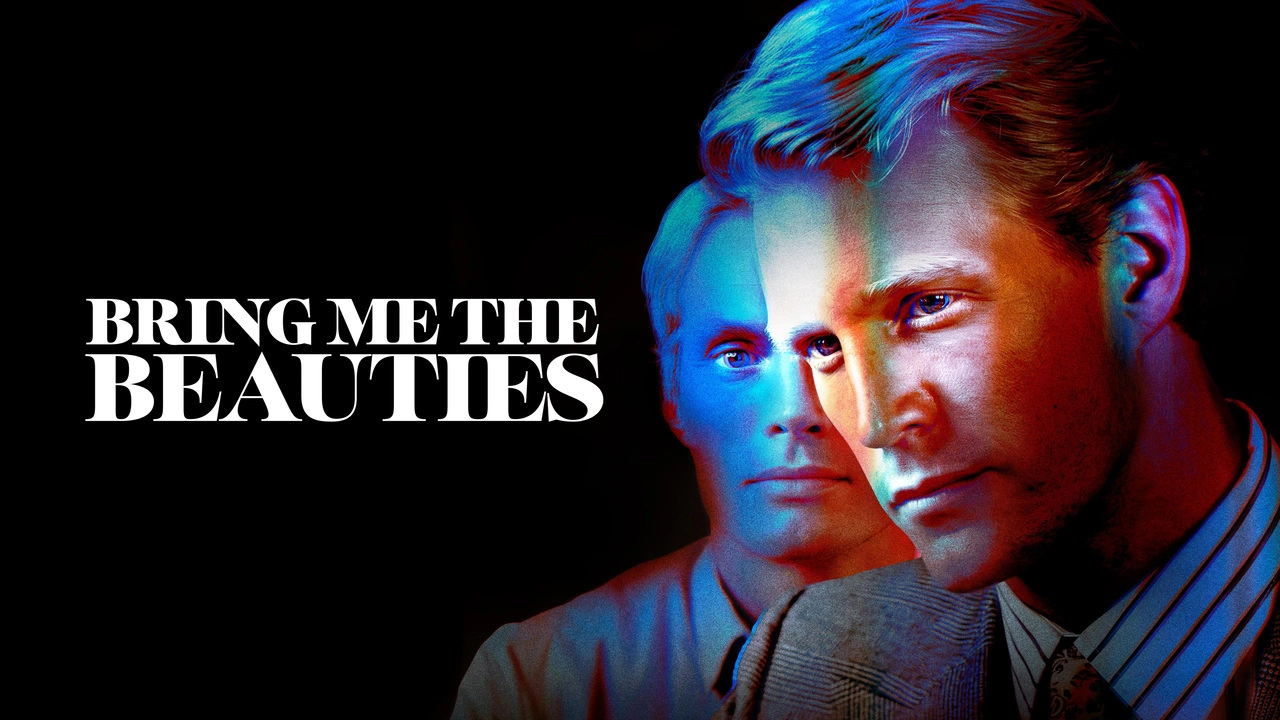

Bring Me the Beauties: A Model Cult arrives on HBO and HBO Max as a three-part documentary series from Chris Smith, premiering June 1, 2026, with later episodes set for June 8 and June 15. It tells the story of Hoyt Richards, a Princeton football player whose injury redirected him from the field to the fashion world, where he became one of the defining male models of the 1980s. The camera loved him. So did Frederick von Mierers, a Manhattan socialite with a taste for elegance, spiritual theater, and alarming amounts of control.
Richards first met von Mierers as a teenager on Nantucket in 1978, then reentered his orbit after college life and athletic ambition gave way to uncertainty. New York offered modeling jobs, nightlife, fame, and a strange new family called Eternal Values. The group mixed clean living, New Age mysticism, alien “walk-in” theology, strict behavioral rules, and a financial arrangement that made Richards’s success useful to someone else. The series treats that contradiction with patience: glamour upstairs, obedience in the basement.
A Slow Burn with Studio 54 Lighting
Smith structures the series around Richards’s testimony, using him as both witness and survivor. That choice gives Bring Me the Beauties an emotional spine. Richards speaks with the air of someone still sorting through the distance between his public image and his private surrender.
Around him, former Eternal Values members, models, friends, and family fill in the harder edges. Jacki Adams, Paul Hinton, Dar Dixon, Elissa Melaragno, and Fabio Lanzoni help widen the frame, while archival footage of von Mierers lets the audience study the performance directly. No actor could improve on the man’s own cable-access oddness.
The three episodes follow a clean escalation. “The Promise” traces Richards’s first connection to von Mierers, his Princeton years, his injury, and his modeling ascent. It has the odd shimmer of an origin story where the warning signs arrive wearing silk. “The Antichrist Tapes” moves into harsher material, with predictions of a 1999 global cataclysm, a North Carolina compound, and the belief that alien ships might provide rescue. “Mind Games” follows fracture, doubt, escape, and repair.
The pacing is deliberate, sometimes teasingly so. The early hour can feel almost too genteel, filled with beautiful people, expensive rooms, strict diets, and metaphysical chatter. Then the show tightens the screws. Humiliation, money, prophecy, isolation, and obedience move from background noise to main melody.
Also Read






The Dandy, the Aliens, and the Control Room
Frederick von Mierers is presented as a figure of theatrical confidence: part Manhattan dandy, part lifestyle guru, part self-appointed cosmic administrator. His belief system drew from astrology, Eastern philosophy, New Age wellness, pieces of world religion, and his own claim that he was an alien presence who had entered a human body. That sounds like a rejected sci-fi sitcom pitch until the series shows how effectively he sold it to vulnerable people.
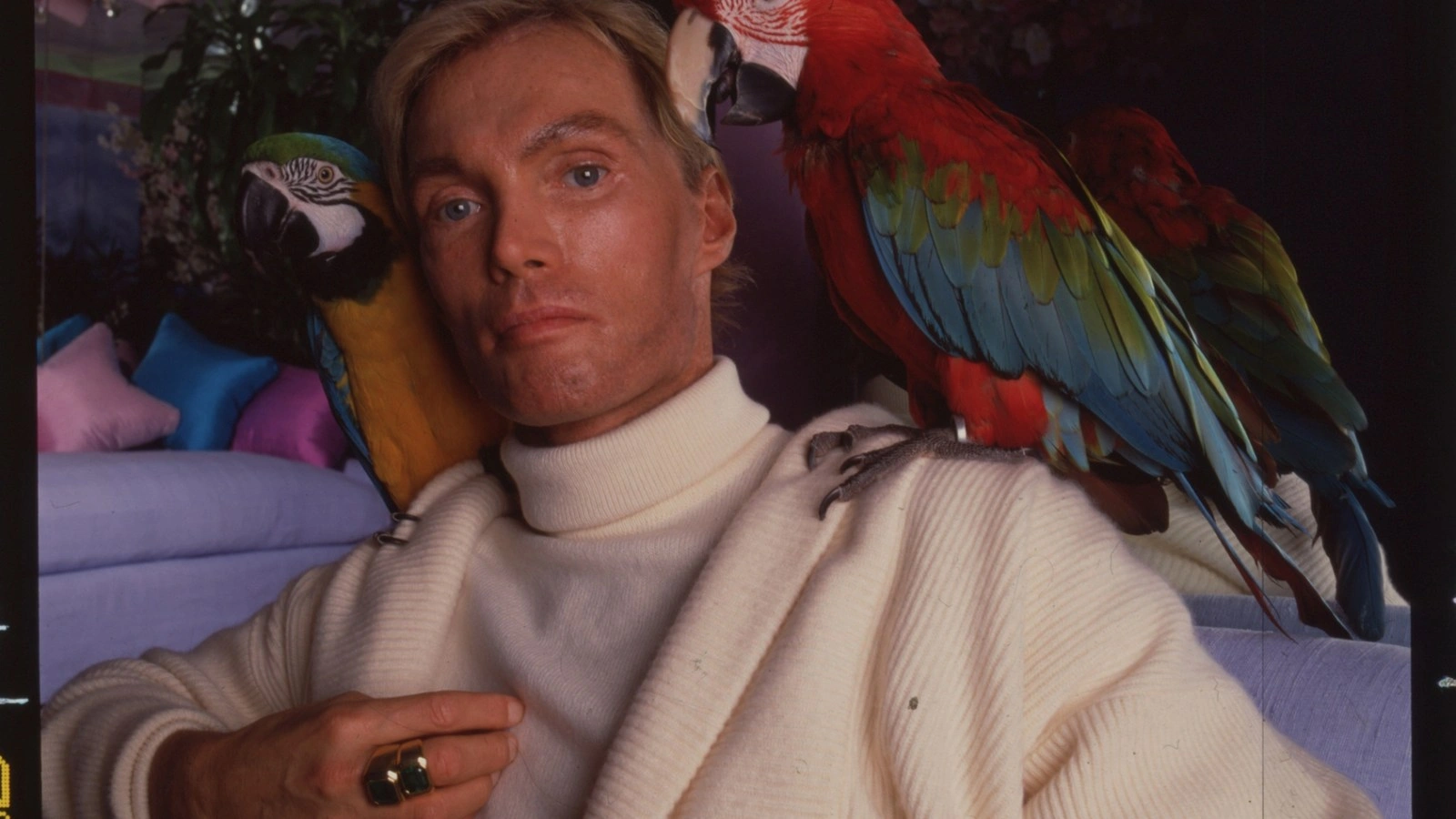
His rules carried a seductive cleanliness. No drugs. No alcohol. No smoking. No sex. Strict diet. Spiritual discipline. Gemstones with inflated meaning and, at times, inflated value. On paper, some of it could pass for an aggressive wellness retreat. In practice, Eternal Values became a social system organized around von Mierers’s moods, pronouncements, and appetites for loyalty.
The series is sharpest when it explains why people stayed. Von Mierers gave young, beautiful followers purpose, community, access, and an identity that made ordinary life seem spiritually shabby. Members could dance at Studio 54, mingle with glamour, then return to a household that framed denial as enlightenment. That is a potent cocktail, minus the cocktail.
Richards’s modeling income flowed heavily toward von Mierers. “Slamming” sessions turned verbal abuse into discipline. Romantic love was treated as dangerous. Apocalyptic fear became a management tool. Yet Smith resists flattening every former member into the same story. Some still describe the group with fondness mixed with pain. That lingering affection makes the portrait stranger, sadder, and harder to dismiss.
Archival Proof and a Very Human Exit Wound
Smith’s direction relies on the right materials: archival video, audio recordings, cable-access clips, personal testimony, and a small amount of reenactment. The archival footage does the heaviest work. Von Mierers’s voice, posture, and public mysticism reveal a man who understood image before influencer culture gave that talent a ring light. He knew how to turn certainty into décor.
The reenactments are less essential. With so much real footage and so many candid interviews, the staged fragments can feel like garnish on a plate already full. The editing, however, keeps the timeline readable, moving from seduction to control without turning every beat into a jump scare. The sound design stays restrained, which helps. A story this strange does not need thunderclaps every time someone says “alien.”
The emotional force comes from Richards. His beauty once made him valuable to the fashion industry and useful to von Mierers. His vulnerability made him reachable. The series captures the tragedy of a man admired by strangers while being quietly stripped of autonomy by someone he trusted. Fame gave him visibility, not protection.
Bring Me the Beauties: A Model Cult fits into the modern wave of cult documentaries, yet its best moments come from its refusal to treat survivors like puzzle pieces. It studies memory, shame, loyalty, and the way charisma can look like care until the bill arrives.
Bring Me the Beauties: A Model Cult is a three-part HBO Original documentary series directed by Chris Smith. The series premiered on June 1, 2026, on HBO and HBO Max, with new episodes scheduled weekly through June 15. It follows former male supermodel Hoyt Richards, who first met Manhattan socialite Frederick von Mierers as a teenager on Nantucket and later became involved with von Mierers’ spiritual group, Eternal Values. Through first-person interviews, archival footage, and accounts from former members, the series explores Richards’ rise in the 1980s modeling world and the control, belief systems, and exploitation surrounding the group. The series is available to watch on HBO and HBO Max.
Where to Watch Bring Me the Beauties: A Model Cult Online


Full Credits
- Title: Bring Me the Beauties: A Model Cult
- Distributor: HBO, HBO Max
- Release date: June 1, 2026
- Rating: TV-MA
- Running time: 3 episodes, approximately 60 minutes per episode
- Director: Chris Smith
- Writers: Chris Smith
- Producers and Executive Producers: Chris Smith, Ryann Fraser, Nancy Abraham, Lisa Heller, Sara Rodriguez
- Cast: Hoyt Richards, Paul Hinton, Dar Dixon, Elissa Melaragno, Fabio Lanzoni, John Pearson, Jacki Adams, Stephanie Barton-Farcas
- Editors: Amanda C. Griffin
- Composer: Ian Hultquist
The Review
Bring Me the Beauties: A Model Cult
Bring Me the Beauties: A Model Cult is an absorbing, unsettling HBO docuseries that turns a little-known 1980s story into a sharp study of charisma, beauty, control, and belief. Chris Smith’s direction gives Hoyt Richards’s story space to breathe, while the archival footage makes Frederick von Mierers feel eerily present. The early pacing can feel restrained, yet the three-part structure pays off as glamour gives way to coercion, prophecy, and emotional wreckage.
PROS
- Strong use of archival footage
- Hoyt Richards’s testimony is emotionally gripping
- Thoughtful treatment of former members
- Clear three-part narrative escalation
- Fascinating 1980s New York fashion backdrop
CONS
- First episode may feel too slow
- Limited reenactments add little
- Some cult dynamics could use deeper examination
- Frederick von Mierers remains partly elusive
- The fashion industry angle could be explored further