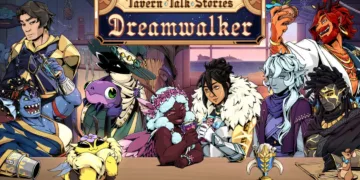


























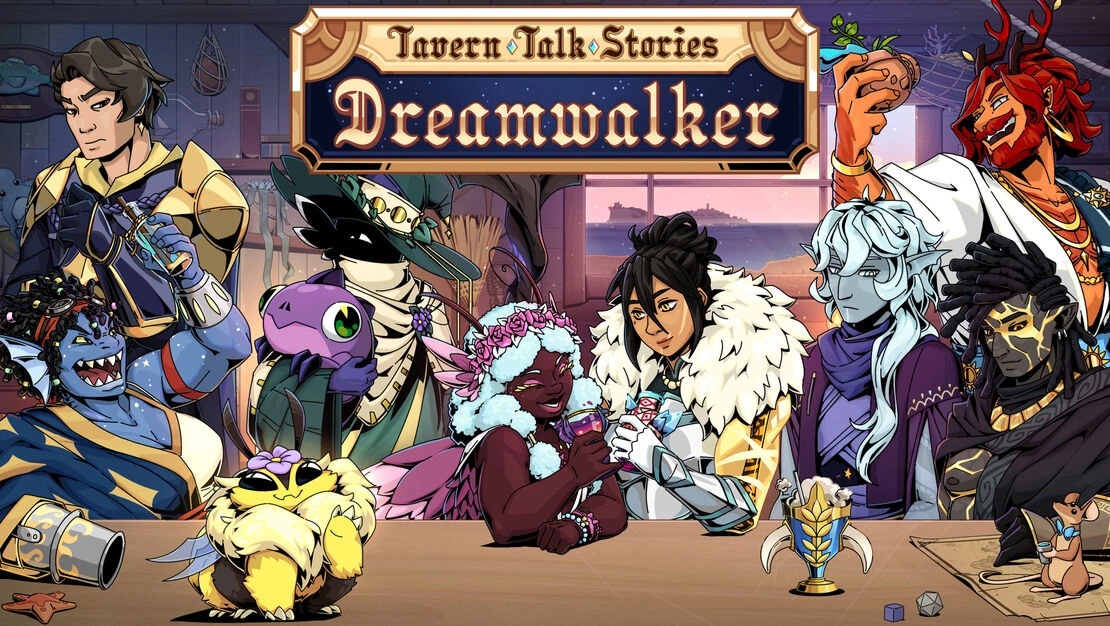

Tavern Talk Stories: Dreamwalker takes the fantasy tavern, a setting familiar from tabletop campaigns, folklore, anime guild halls, and European inn tales, and turns it into a place where hospitality becomes a form of intervention. Gentle Troll Entertainment sets this standalone visual novel 36 years before the first Tavern Talk, giving newcomers a clean entry point into Asteria while offering returning players a quieter, earlier chapter of its world.
The player runs The Drowsy Dragon, a newly refurbished seaside tavern on the Borkam coast in Phesoa. Adventurers, sailors, mercenaries, and magical wanderers arrive carrying worries, rumors, private ambitions, and fragments of a wider crisis in which dreams threaten to curdle into nightmares. You serve them drinks, listen closely, and nudge fate through a mixture of dialogue choices, potion craft, and rumor gathering.
This is not a tavern management sim about profit margins or impatient customers. It is a reading-heavy, choice-driven fantasy about caretaking, interpretation, and the odd power of being the person behind the counter.
Building Asteria One Rumor at a Time
The narrative structure of Dreamwalker borrows from tabletop role-playing culture, yet its emotional rhythm belongs to the global rise of cozy interactive fiction. The tavern functions like a medieval version of the modern café drama, a place where travelers pause long enough to reveal who they are. It recalls the social intimacy of drink-serving visual novels such as Coffee Talk, with a stronger pull toward Dungeons & Dragons-style questing and mythic problem solving.
The cast is smaller than in the first Tavern Talk, with eight major characters, and that intimacy works in the game’s favor. Rather than crowd the counter with constant novelty, Dreamwalker lets relationships grow through repeated visits, small jokes, anxious confessions, and stories told between one dangerous errand and the next. Some patrons arrive with heroic swagger. Others seem shaped by fear, grief, or uncertainty. The writing keeps the tone light, witty, and welcoming, yet it allows enough shadow to justify the dream-nightmare premise.
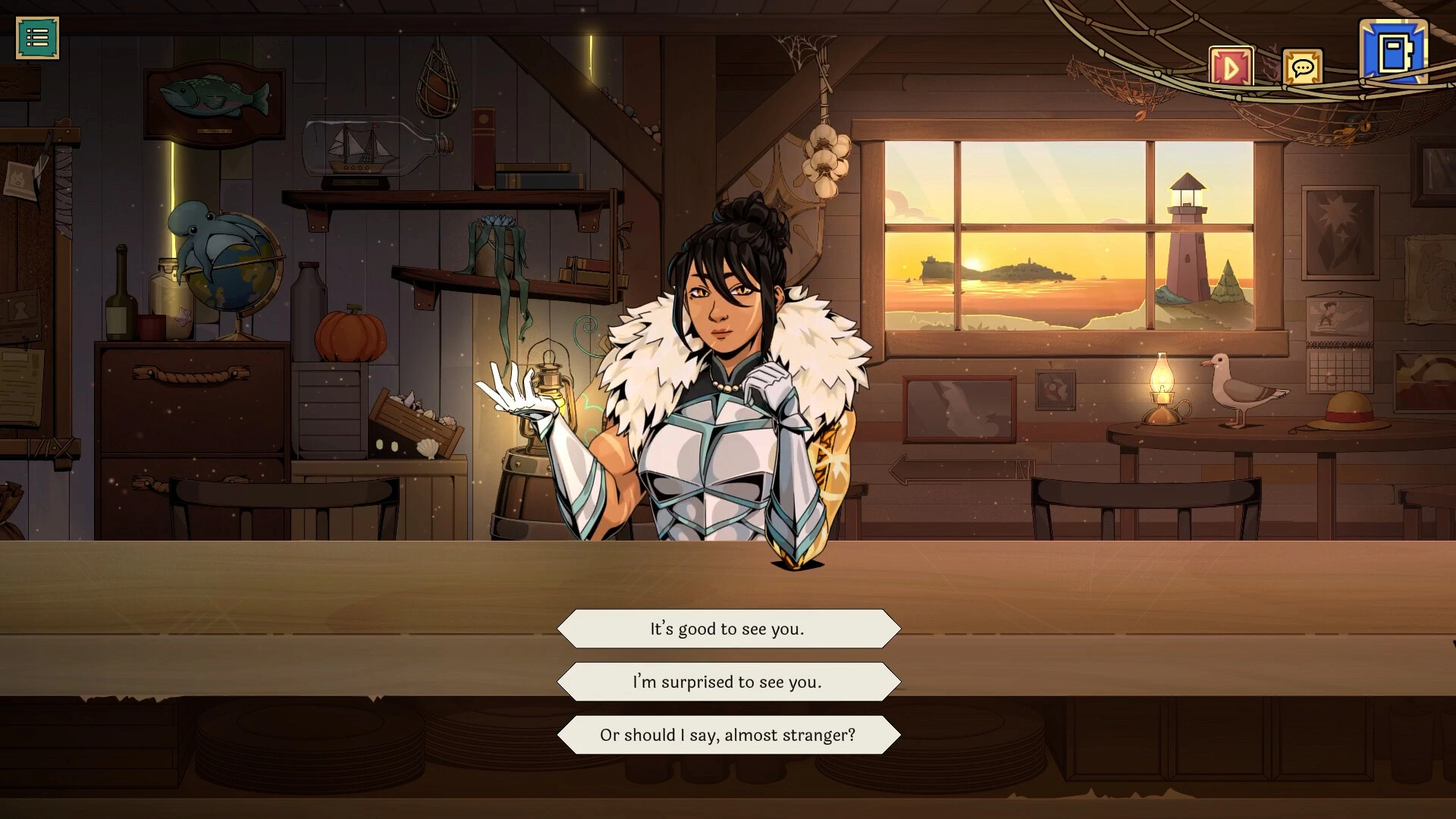
Player agency sits across three linked systems: dialogue choices, drink decisions, and rumor-based quest creation. You listen to patrons, collect scraps of information, arrange them into quests, then decide which magical drink might help someone face what waits outside the tavern. These choices can alter personal outcomes and lead toward three distinct endings.
The fantasy storytelling is charming, though it can be softer than players might expect from a narrative game about fate and catastrophe. Its tales lean toward warmth, levity, and tabletop whimsy rather than psychological pressure. That choice may frustrate those seeking sharper dramatic tension. For many players, the gentle tone will be the point.
Its LGBTQ+ representation also feels comfortably integrated into daily life in Asteria. Relationships and identities are presented without spectacle, which gives the world a casual inclusiveness that feels earned through texture rather than announcement.
Drinks, Rumors, Quests, Repeat
Mechanically, Dreamwalker succeeds most clearly when its systems turn listening into action. Each chapter follows a familiar loop: patrons enter, conversations unfold, drinks are mixed, rumors are collected, quests are assembled, and adventurers leave with their futures slightly bent by your choices. It is a visual novel first and a light puzzle game second, yet its best moments appear where those two identities merge.
The potion-making system gives the game its most tactile pleasure. Patrons may ask for a drink with specific qualities, and the player combines tonics or ingredients to meet stat requirements such as Strength, Charisma, Dexterity, Defense, Speed, Intelligence, or Offense.
Each ingredient shifts the drink’s numbers, so mixing becomes a compact arithmetic puzzle. The challenge is mild, yet satisfying, especially because the outcome can influence how a character handles a quest. A drink weighted toward Strength might push someone toward force. A Charisma-heavy brew might support persuasion. The game understands that a small design choice can carry narrative consequence.
There is also a playful safety valve in Captain Beebug, the draconic familiar who consumes failed creations. It is practical, cute, and perfectly aligned with the game’s cozy logic: mistakes become part of the tavern’s daily ritual rather than a punishment screen.
The rumor board gives the visual novel sections extra purpose. As patrons speak, the player gathers clues, reviews them like sticky notes, and groups related pieces into quests. This turns reading into a form of investigation, with the player organizing the lives of others through fragments of gossip, concern, and possibility.
The supporting tools are generous: recipe book, map, character index, fact log, gossip archive, conversation backlog, adjustable text speed, and font options. They make long reading sessions easier and reduce friction.
The weakness is repetition. Some chapters lean heavily on dialogue with little mechanical variation, and the loop can flatten when potion mixing or quest assembly fades into the background. The game remains polished and approachable, yet it rarely asks for deep strategic thought beyond stat balancing and narrative sorting.
The Drowsy Dragon’s Warm Glow
The presentation gives Dreamwalker much of its staying power. The Drowsy Dragon feels like the sort of tavern that exists across cultures under different names: the roadside inn, the portside bar, the tea house, the fantasy guild hall. It is a place of transit, labor, confession, and temporary shelter. The seaside setting gives it a pleasing softness, with trinkets, warm light, and coastal detail shaping the room into a small refuge against the unknown.

Character design is one of the game’s quiet strengths. The cast includes varied fantasy species, silhouettes, costumes, and expressive details that communicate personality before a line of dialogue appears. The designs feel lively without visual clutter. The animal companions add another point of charm, from Captain Beebug to a fluffy bumblebee and a pygmy octopus. The petting mechanic is minor, yet for a cozy fantasy game, it feels less like a bonus and closer to basic etiquette.
The soundtrack is soft, ambient, and melodic, suited to long stretches of reading. It supports the tavern’s mood without demanding attention, carrying enough character to avoid becoming empty background sound. Decoration options in the Extras menu, including cozy game-themed items and planned DLC sets, give the space a modest sense of ownership.
Tavern Talk Stories: Dreamwalker is best suited to players who enjoy cozy visual novels, tabletop fantasy flavor, inclusive casts, gentle puzzles, and slow evenings built around dialogue. Players seeking combat, deep management systems, fast pacing, or heavy mechanical pressure may find its warmth too static. For those willing to settle into its rhythm, The Drowsy Dragon offers a small, sincere fantasy about the stories people bring to a bar and the strange responsibility of being trusted with them.
The Review
Tavern Talk Stories: Dreamwalker
Tavern Talk Stories: Dreamwalker is a warm, intimate visual novel that turns tavern hospitality into quiet narrative agency. Its potion puzzles, rumor board, inclusive cast, and seaside atmosphere create a cozy fantasy rhythm with real charm. The story can feel slow during dialogue-heavy stretches, and the systems rarely become deeply demanding, yet its sincerity and craft make The Drowsy Dragon worth visiting.
PROS
- Charming seaside fantasy setting
- Meaningful drink and rumor choices
- Strong character designs
- Natural LGBTQ+ representation
- Relaxing soundtrack and cozy tone
CONS
- Some repetitive chapter flow
- Dialogue-heavy pacing may drag
- Light mechanical challenge
- Fantasy plot lacks sharper tension