























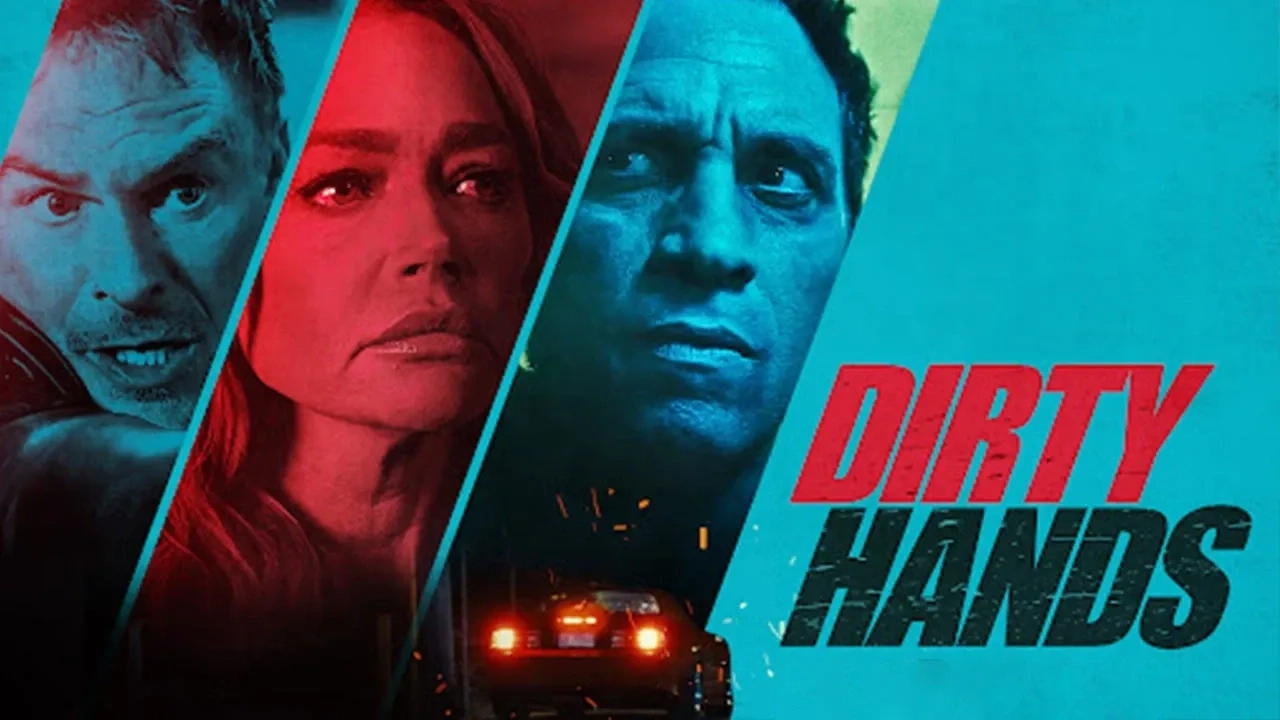

Before anyone fires a gun, Richie Denton has already made the film’s fatal mistake: he believes his brother can be managed. That faith, or maybe that habit, is the real engine of Dirty Hands, a lean one-night crime thriller from writer, director, producer, and star Kevin Interdonato. The drug deal that goes wrong is important, of course. Bodies drop. Money changes hands. Enemies start closing in. But the film’s sharpest pressure comes from watching Richie convince himself, again and again, that Danny will not ruin the next room he enters.
The setup is pure crime-film tinder. Richie, played by Patrick Muldoon, is a former boxer now doing jobs for Dally, a local crime boss played by Michael Beach with the calm threat of a man who has stopped wasting energy on intimidation. Richie needs one job to go cleanly. He brings Danny, played by Interdonato, into the exchange with Rodney, arguing that his younger brother can handle it.
Every scene before the deal tells us the opposite. Danny is loud, touchy, and built like a bad decision with fists. When he takes offense and starts shooting, the film does not need a complicated conspiracy. It has a simpler problem. Danny cannot survive his own pride, and Richie cannot stop volunteering to pay for it.
Family as a Fight You Keep Losing
The opening sparring scenes between Richie and Danny do a lot of useful work. They are boxing in Richie’s home, smashing around the space while toys scatter and Sheila, Richie’s wife, looks like she has seen this routine too many times to dignify it with shock. It is a clever way to show the brothers’ bond without stopping the film for backstory. Their affection is physical. Their language is rough. Their closeness has the rhythm of a habit that might once have saved them and now keeps hurting everyone nearby.
Muldoon gives Richie the film’s emotional spine. Watch how he carries himself once the brothers are hiding with the drugs and cash. He is not panicked in the obvious way. He looks tired first, afraid second. His performance suggests a man who has rehearsed this exact crisis in smaller forms for years: Danny causes trouble, Richie absorbs it, the family pretends survival is the same thing as healing. The writing gives him familiar older-brother material, but Muldoon finds detail in the pauses before Richie answers Danny, especially when the garage turns from refuge into waiting room.
Interdonato plays Danny without sanding him down. That matters. A softer film would ask us to like Danny through a sudden confession or a neat explanation. Here, he remains abrasive. He mouths off during a deal he should barely be allowed to observe. He turns insult into gunfire. Yet Interdonato lets insecurity leak through after the damage is done, especially in the garage, where Danny’s bravado begins to look like noise covering panic. He does not make Danny pleasant. He makes him recognizable.
Also Read






The Garage Does the Heavy Lifting
The best stretch of Dirty Hands happens once the brothers reach the mechanic’s garage. This is where the film’s limited resources start behaving like a choice. The room is washed in cold blue light, the kind that makes skin look sleepless and metal look damp.
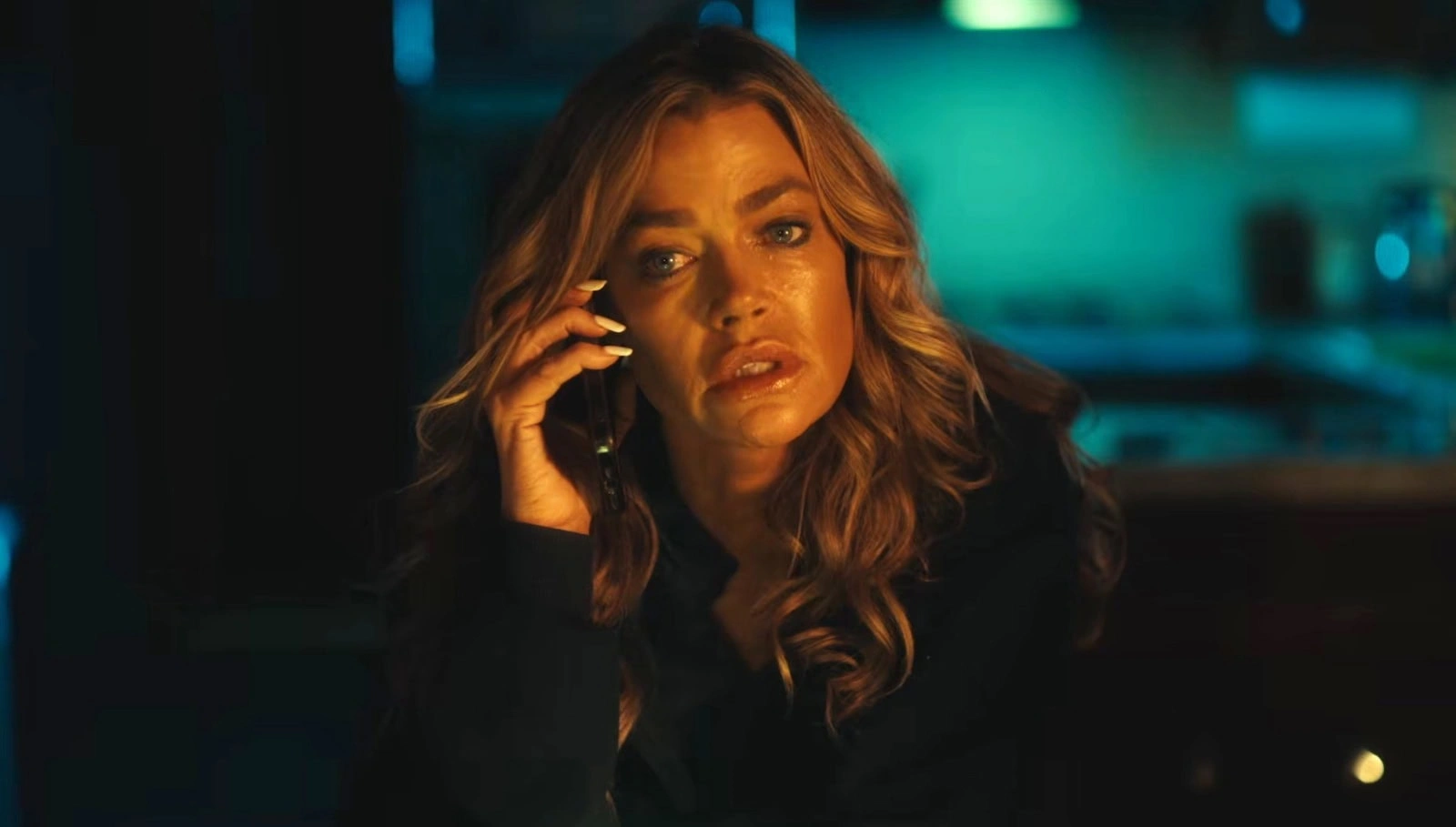
A work light blinks with the petty cruelty of a headache. Tools and corners define where bodies can move, which gives the fights and arguments a practical geography. You always understand how close the men are to each other, and how little room they have left.
Containment is a simple filmmaking idea, so it helps to name what it does. By keeping the brothers in one space, Interdonato cuts away the false excitement of constant pursuit and forces us to sit with aftermath. Phone calls from Dally keep the outside world alive. Headlights and distant movement suggest threats arriving from beyond the frame. The garage becomes a trap because the film keeps reminding us that leaving is not the same as escaping.
The sound design supports that pressure. Silence is never empty here. Crickets, electrical buzz, and distant night noises fill the gaps between arguments. Those sounds matter because they make every pause feel alert. When the brothers stop talking, the room seems to listen. For a low-budget thriller, that is smart craft. It uses atmosphere instead of scale.
The film does stumble when the dialogue circles the same emotional ground. Danny rages. Richie pleads. The pattern fits their relationship, but some exchanges stretch past tension into repetition. The story also asks for a generous viewer early on, since Dally allowing Danny near a major exchange feels less like criminal judgment and more like screenwriting necessity. You can accept it, but you may feel the hinge creak.
Violence Without Polish
The fight scenes have a blunt, awkward force that suits the movie. They do not move like glossy action choreography. Punches land heavily. Bodies slam into nearby objects. The camera often keeps close enough to make the impacts feel cramped rather than graceful. That approach works because these men are not action heroes executing clean patterns. They are cornered people using whatever strength and anger they have left.
Denise Richards gives Sheila a grounded frustration that helps the film widen beyond brotherly doom. In the home scenes, her irritation is specific: the noise, the broken domestic space, the child nearby, the sense that Richie’s loyalty to Danny keeps invading the family he claims to protect. Later, her emotional exhaustion gives the crime plot a human cost outside the garage. Michael Beach, meanwhile, brings Dally a controlled authority that improves every scene he enters. His calm voice on the phone often feels more dangerous than a shouted threat would.
Dirty Hands is rough in places. The supporting criminals stay thin, the plot uses familiar crime-thriller turns, and some transitions from emotional argument to sudden violence hit with more force than shape. Yet the film has a strong sense of what it can do well: trap two damaged brothers in a blue-lit room, let loyalty curdle into panic, and make every bruise feel earned.
The gritty indie crime thriller Dirty Hands premiered across digital platforms on April 24, 2026, and is available to rent or purchase on video-on-demand services like Fandango at Home, Prime Video, and Apple TV. The tension-filled narrative follows two brothers operating in the Chicago criminal underworld who find themselves hunted by rival gangs and their own boss after a routine drug deal collapses into a chaotic shootout that leaves a powerful kingpin’s son dead.
Where to Watch Dirty Hands (2026) Online





Full Credits
Title: Dirty Hands
Distributor: Saban Films, Well Go USA Entertainment
Release date: April 24, 2026
Rating: R
Running time: 80 minutes
Director: Kevin Interdonato
Writers: Kevin Interdonato
Producers and Executive Producers: Kevin Interdonato, Guy Nardulli, Peter Dobson, Nicholas Larrabure, Santo Scardillo, Glenn Rodriguez, Jason Mello
Cast: Patrick Muldoon, Kevin Interdonato, Denise Richards, Michael Beach, Guy Nardulli, Wes McGee, John Wollman, Donald John Volpenhein, Natara Easter, Brendan Kelleher
Director of Photography (Cinematographer): Peter Nyiri
Editors: Take No Prisoners Editorial Team
Composer: Saban Music Department
The Review
Dirty Hands
Dirty Hands works best once the Denton brothers are trapped in the garage, where cold blue light, tense pauses, and bruising fights turn a familiar crime setup into something personal. Kevin Interdonato gives Danny a raw, self-sabotaging charge, Patrick Muldoon brings weary gravity to Richie, and Denise Richards gives Sheila real emotional weight. The script strains belief getting Danny into the deal, and the crime plot leans on known moves, but the film’s contained craft and battered family drama land hard.
PROS
- Strong brother dynamic
- Patrick Muldoon’s weary performance
- Gritty garage atmosphere
- Physical, painful fight scenes
- Denise Richards adds emotional weight
CONS
- Setup strains credibility
- Familiar crime beats
- Thin supporting criminals
- Some circular dialogue
- Uneven rhythm