



























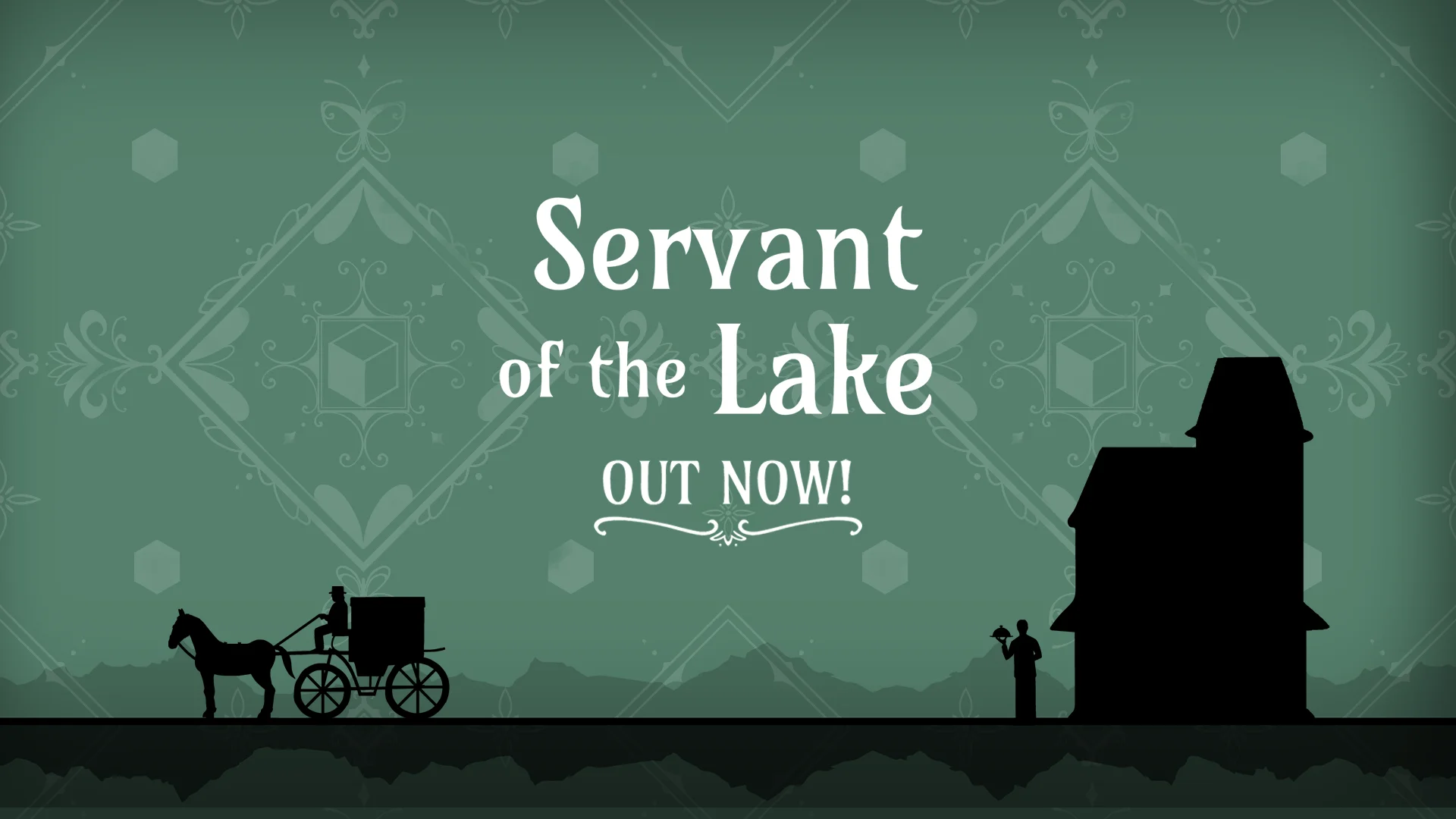

Servant of the Lake works from a simple question: what happens when the most ordinary job in the world places you inside one of gaming’s strangest families? Cleaning rooms, preparing meals, and helping guests should be the foundation of a quiet weekend. At the Vanderboom estate, those same duties become the first steps toward uncovering secrets involving immortality, family ambition, and experiments that should probably have remained buried.
Rusty Lake has spent years building a mystery around the Vanderboom family, with each game adding another piece to an increasingly strange puzzle. Servant of the Lake takes players back decades before the events of Rusty Lake: Roots, focusing on Aldous, William, and Alexandra Vanderboom during a family gathering at their lakeside home. For longtime fans, this is a valuable return to one of the franchise’s most important locations. For newcomers, it provides a contained story about a servant discovering that their new employers are far from ordinary.
The game understands that the appeal of Rusty Lake has always come from the contrast between the familiar and the disturbing. A household task becomes something far stranger. A simple object becomes a puzzle mechanism. A family reunion becomes an investigation into obsession and forbidden knowledge.
A New Perspective on the Vanderbooms
Playing as an unnamed servant gives Servant of the Lake a different angle compared to previous entries. Instead of directly controlling the family members responsible for the larger mysteries, you experience the Vanderboom estate as someone who does not belong there.
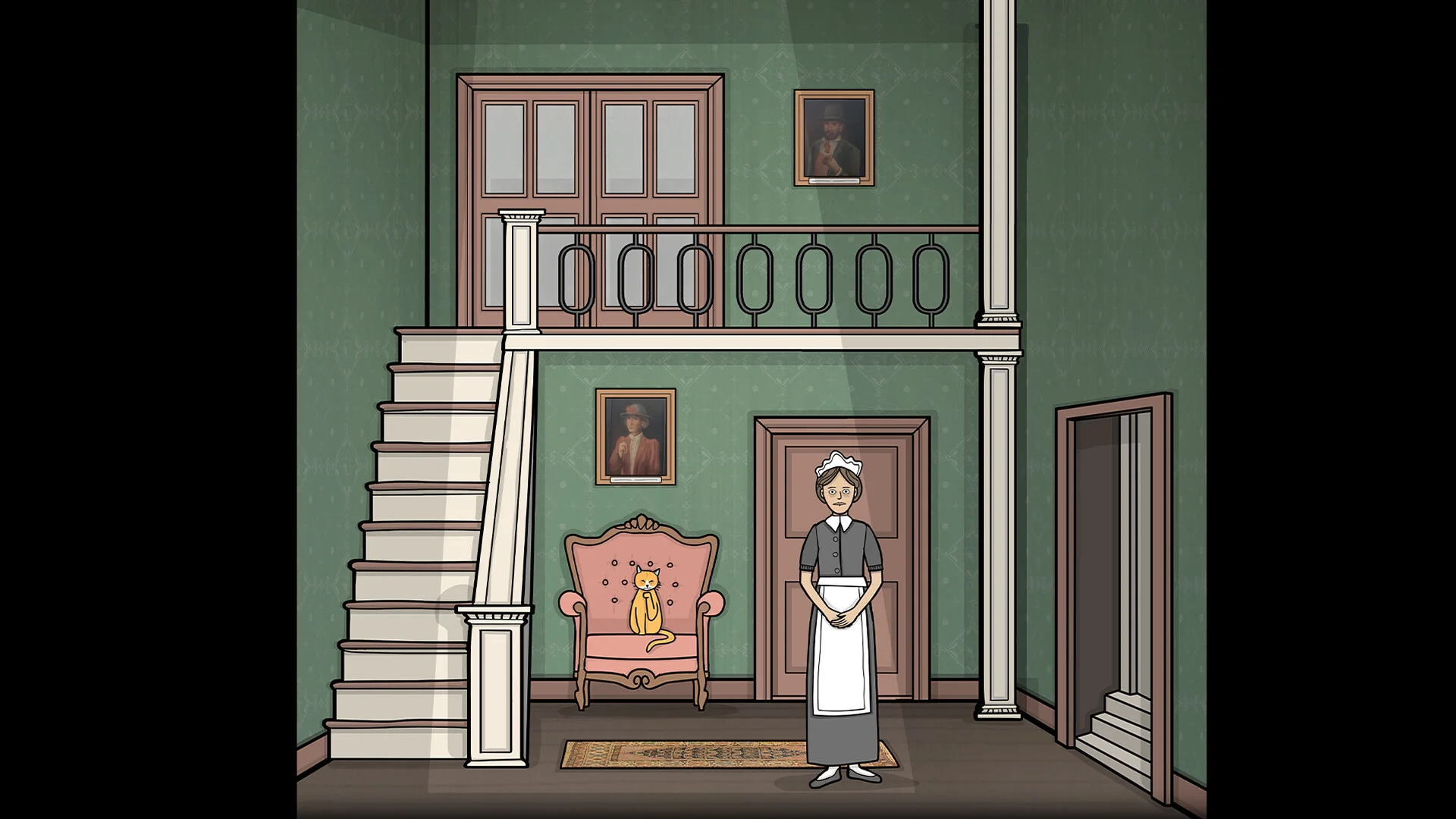
Kate, the housemaid, provides guidance as you arrive and begin completing your responsibilities. The early tasks establish the rhythm of the game: prepare breakfast, assist the family, and keep the household running. The structure feels almost like a period drama before Rusty Lake’s unusual logic slowly takes over.
That progression works because the game understands how much tension can come from routine. The servant is not investigating a haunted mansion from the beginning. They are simply doing their job. The problem is that the job involves people like Aldous Vanderboom, whose experiments and ambitions reveal that this household operates according to very different rules.
Also Read





The focus on Aldous, William, and Alexandra also gives these characters more depth than their previous appearances allowed. William’s plans during the reunion, Aldous’ connection to the estate and the elixir, and Alexandra’s introduction as a previously unseen member of the family all add meaningful details to the wider Rusty Lake mythology.
The story does not replace the mysteries of earlier games, but it fills in some of the gaps surrounding the Vanderbooms. That approach will especially appeal to returning players who have spent years connecting clues across the series.
Familiar Rusty Lake Puzzles With a Domestic Twist
The puzzle design remains the foundation of the experience. Servant of the Lake takes everyday activities and transforms them into strange mechanical challenges. Preparing food, completing chores, and helping family members all require careful observation.
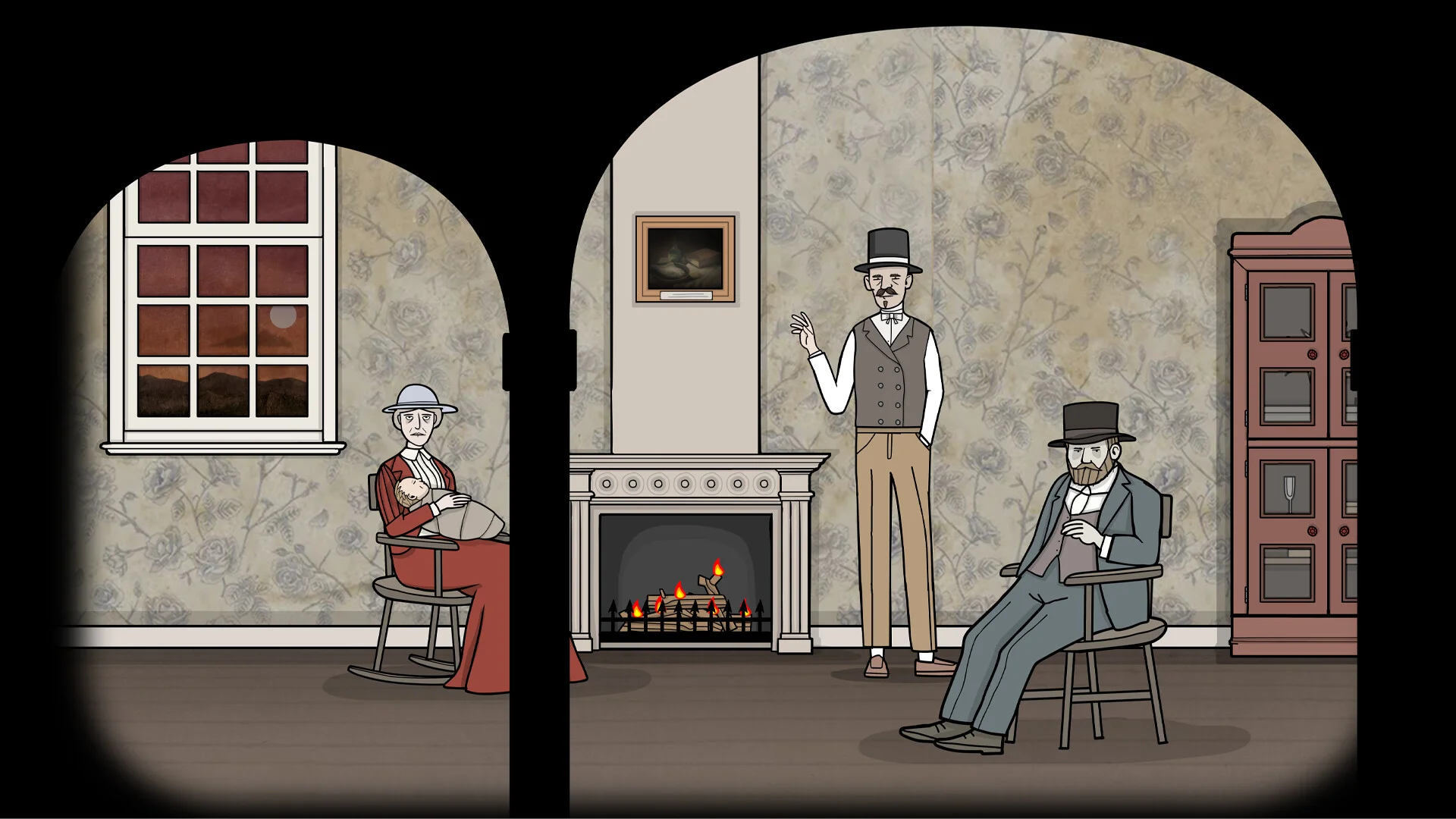
The best puzzles follow the classic Rusty Lake formula. The game presents an object, a pattern, or a piece of information, then asks you to recognize how it connects to something elsewhere in the estate. The house becomes one large puzzle box where rooms communicate with each other through hidden relationships.
Some puzzles involve remembering sequences, interpreting symbols, or manipulating objects in specific ways. The satisfaction comes from the moment when the strange logic becomes clear. Rusty Lake has always relied on that feeling of realization, and Servant of the Lake still delivers it.
The difficulty, however, is more approachable than some previous entries. Early sections introduce mechanics gently, and most puzzles rarely become completely overwhelming. That makes the game welcoming for newcomers, though longtime fans may occasionally wish for the more demanding challenges found in earlier titles.
A few puzzles also suffer from unclear objectives. Some solutions require experimentation rather than deduction, which can interrupt the otherwise satisfying process of piecing together clues. The game usually provides enough information to eventually find the answer, but the path is not always equally smooth.
A Familiar House With New Horrors
Returning to the Vanderboom estate gives Servant of the Lake an advantage that many standalone puzzle games lack. The location already carries history. Fans know that these rooms contain secrets, which changes how every painting, cupboard, and object feels.
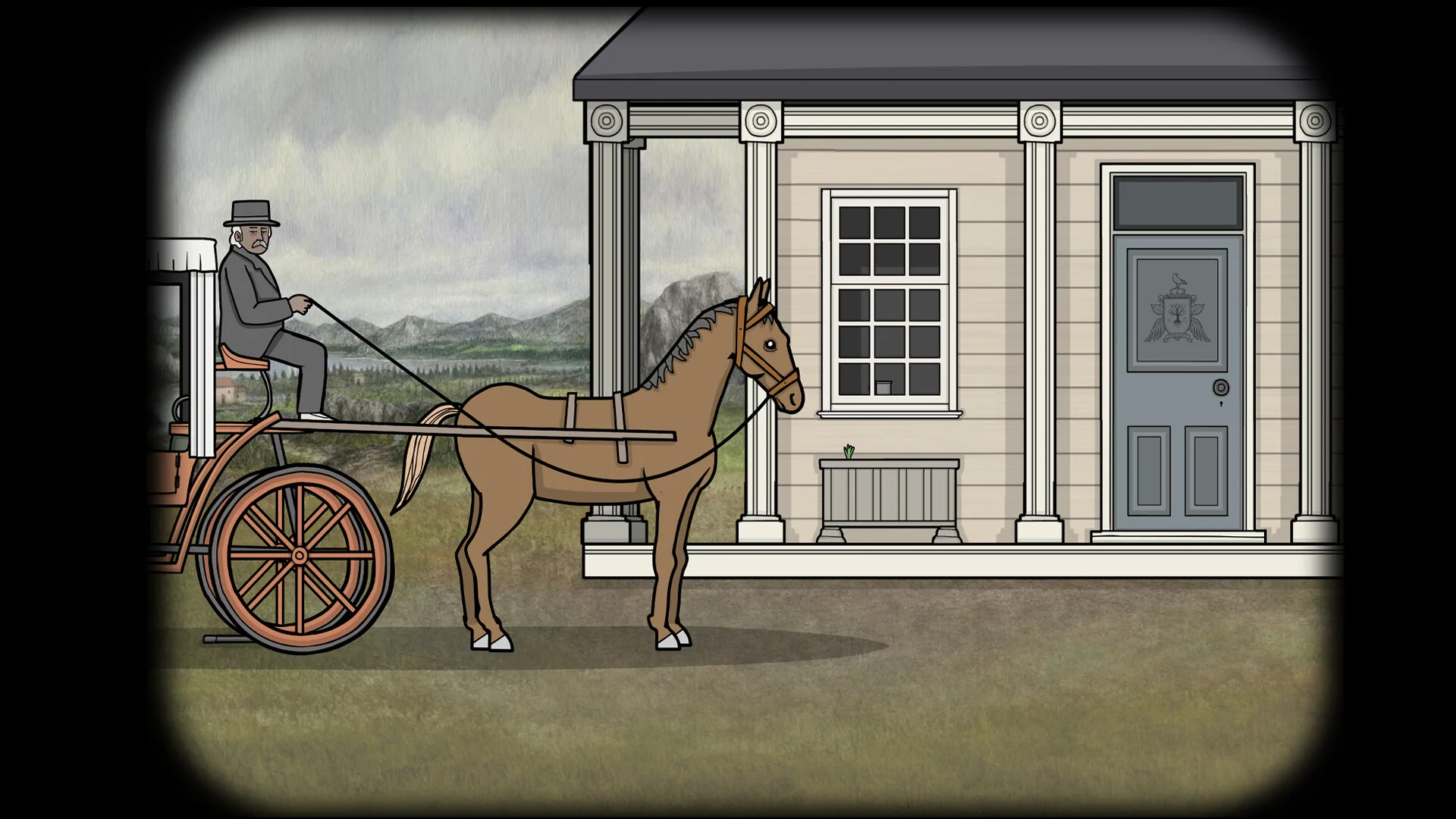
The hand-drawn art style remains one of Rusty Lake’s strongest qualities. The estate feels theatrical and slightly unnatural, with old furniture, faded interiors, and strange devices creating a world that feels like a forgotten storybook. The game does not need realistic horror because its exaggerated visuals make ordinary objects feel suspicious.
The audio design strengthens that atmosphere. Victor Butzelaar’s soundtrack moves between gentle domestic melodies and darker compositions as the weekend becomes increasingly unsettling. The voice performances also give the Vanderbooms more personality, especially as their relationships and conflicts become clearer.
The addition of a notebook for recording clues is a useful feature, especially for puzzles involving symbols or patterns. It fits the investigative nature of the game, even if the practical execution is not always the most convenient.
A Worthwhile Return to Rusty Lake
Servant of the Lake does not completely reinvent the Rusty Lake formula. Instead, it expands one of its most important stories while adjusting the balance between mystery and explanation. The game offers more direct character development than many previous entries, which means some of the franchise’s traditional ambiguity is reduced.
That trade-off works because the Vanderboom family has always been one of Rusty Lake’s biggest mysteries. Spending more time with Aldous, William, and Alexandra provides answers that feel earned after years of scattered hints.
The three-day structure keeps the adventure focused, and the combination of household tasks, surreal puzzles, and family secrets creates another memorable visit to the series’ strange universe. Servant of the Lake may not be the most difficult Rusty Lake game, but it is one of the most important for understanding where this bizarre family came from. For returning players, it is another essential piece of the puzzle. For newcomers, it is an invitation to discover why a lakeside house full of strange people has kept players searching for answers for so long.
The Review
Servant of the Lake
Servant of the Lake understands exactly what Rusty Lake fans return for: strange household rituals, unsettling discoveries, and another missing piece of the Vanderboom family puzzle. Its stronger narrative focus gives Aldous, William, and Alexandra more definition than previous entries, though some of the series’ old mystery fades when answers arrive more directly. The puzzles remain satisfying, even if they rarely reach the franchise’s toughest moments.
PROS
- Expands Vanderboom lore
- Clever interconnected puzzles
- Distinctive horror atmosphere
- Strong character additions
CONS
- Less mystery than earlier games
- Some unclear puzzle solutions
- Gentler difficulty curve
- Limited exploration freedom