























In The Best Heart Attack of My Life, Ariel confronts more than a medical crisis—he battles an outdated masculine stereotype that no longer fits. A middle-aged ghostwriter trapped in emotional and physical decline, he represents the archetype of a lost, self-destructive man once glorified in media.
Unlike dramatic antiheroes from past narratives, Ariel’s challenges lack glamorous veneer. His personal struggles—divorce, self-neglect, fading purpose—stand exposed, compelling him toward an unavoidable personal reckoning.
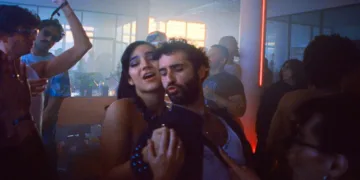
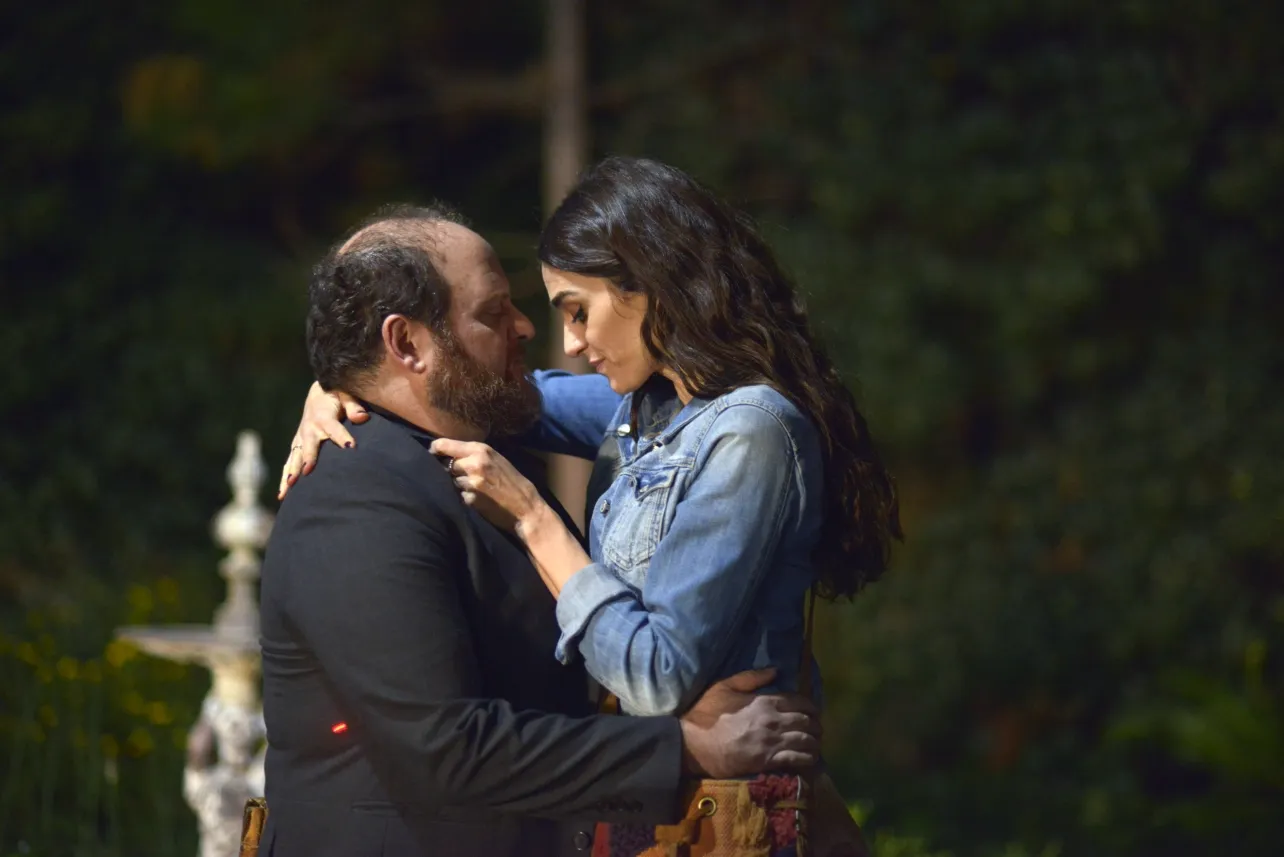
His relationship with Concha, a passionate flamenco dancer, deepens this exploration. While Ariel remains stagnant, Concha embodies pure energy and resistance against societal expectations. Their connection transcends typical romantic ideals, rooted instead in shared weariness with prescribed social roles.
The series explores television’s evolving gender representations, subtly challenging traditional narratives about intellectual male characters. Still, by maintaining Ariel as the central focus, the story poses a critical question: Does it truly subvert established patterns or merely reframe them through a contemporary perspective?
Life on Borrowed Time: The Narrative and Themes of The Best Heart Attack of My Life
The Best Heart Attack of My Life appears initially like a standard dark comedy—sardonic, bold, and tethered to the impending absurdity surrounding its protagonist’s cardiac event. Deeper layers reveal a narrative acutely conscious of temporal experience.
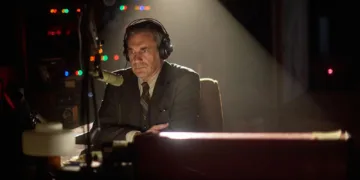
The series begins with a flash-forward, an interview-style framing mechanism presenting Ariel’s previous self as a human warning signal, a person who ignored critical signals for years. Positioning the audience ahead of the character’s trajectory, the show critiques self-induced stagnation during midlife, where transformation emerges only through catastrophic intervention.
The countdown—an on-screen heartbeat tracker increasing with each cigarette, indulgence, and stress burst—creates a striking structural element, transforming time into a tangible adversary. The series avoids urgent pacing; rather than racing toward Ariel’s collapse, it wanders through his experiences, mirroring the sluggish, passive descent of someone aware of necessary change yet resistant to action.
Flashbacks contrast his current deterioration with past errors, emphasizing a core inquiry: can genuine personal transformation occur, or do people merely rearrange their dysfunctional patterns?
Thematically, the story explores personal reinvention without romanticized redemption. Ariel’s crisis transcends physical health—it represents learning to inhabit his own narrative instead of ghostwriting others’ stories. His connection with Concha, equally fleeing personal history, challenges traditional romantic salvation concepts. Their relationship emerges not through destiny, but through two individuals seeking escape, finding temporary comfort within shared emotional turbulence.
Mortality shadows each scene, probing whether genuine second chances exist or whether humans perpetually recreate destructive cycles.
Flawed Men, Independent Women, and the Spaces Between: Character Work in The Best Heart Attack of My Life
Television’s portrayal of the “lovable loser” remains complex. Ariel Santoro, interpreted by Alan Sabbagh with raw vulnerability, represents a new iteration of disheveled, melancholic men. Diverging from predecessors like Tony Soprano’s existential struggles or BoJack Horseman’s self-destruction, Ariel escapes male exceptionalism stereotypes.
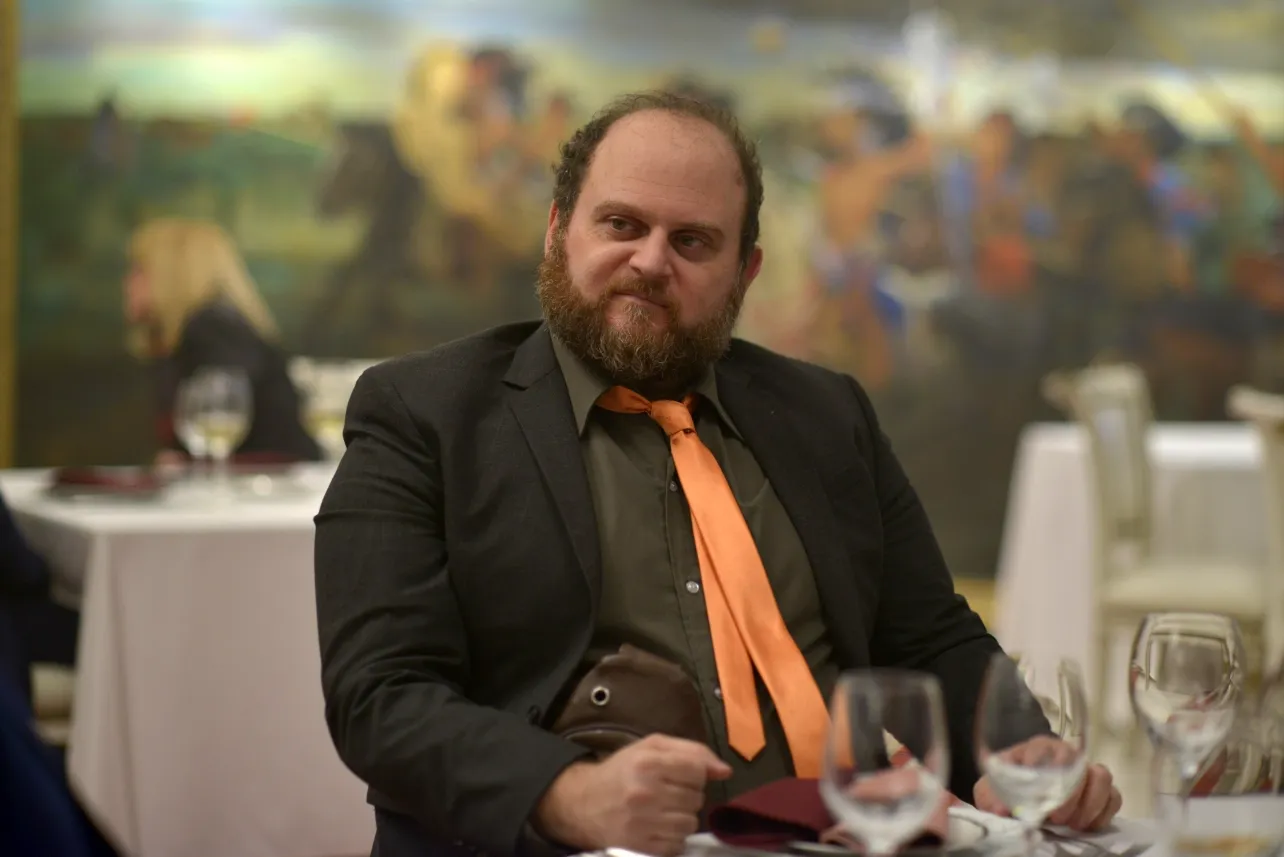
He emerges as an ordinary middle-aged, chain-smoking ghostwriter who has systematically neglected his health, relationships, and personal growth. Sabbagh crafts the character with self-deprecating sincerity, rendering his eventual transformation authentic.
Concha, performed by Olivia Molina, stands as Ariel’s stark opposite. A flamenco dancer fleeing toxic relationships and cultural constraints, she defies typical narrative tropes.
Molina portrays her with subdued strength—a complete individual carrying personal wounds and aspirations. Their connection transcends romantic idealization, resembling two individuals seeking escape from personal histories and internal struggles.
Supporting characters enrich the narrative’s exploration of identity. Isabel (Eleonora Wexler), Ariel’s estranged wife, rejects bitter ex-wife stereotypes while maintaining her humanity. David (Sebastián Berta Muñiz), Ariel’s publisher and friend, provides comedic elements while illuminating the protagonist’s shortcomings.
Airbnb hosts Javier and Alejandra introduce narrative diversions, expanding thematic perspectives. Augusto Briganti (Rafael Spregelburd), an arrogant lawyer, catalyzes Ariel’s confrontation with personal mediocrity.
Blurring Reality and Fiction: The Direction, Writing & Pacing of The Best Heart Attack of My Life
Streaming platforms have introduced innovative storytelling approaches—blending real events with dramatized narratives, shifting between traditional storytelling and documentary-style presentations. The Best Heart Attack of My Life explores this technique.
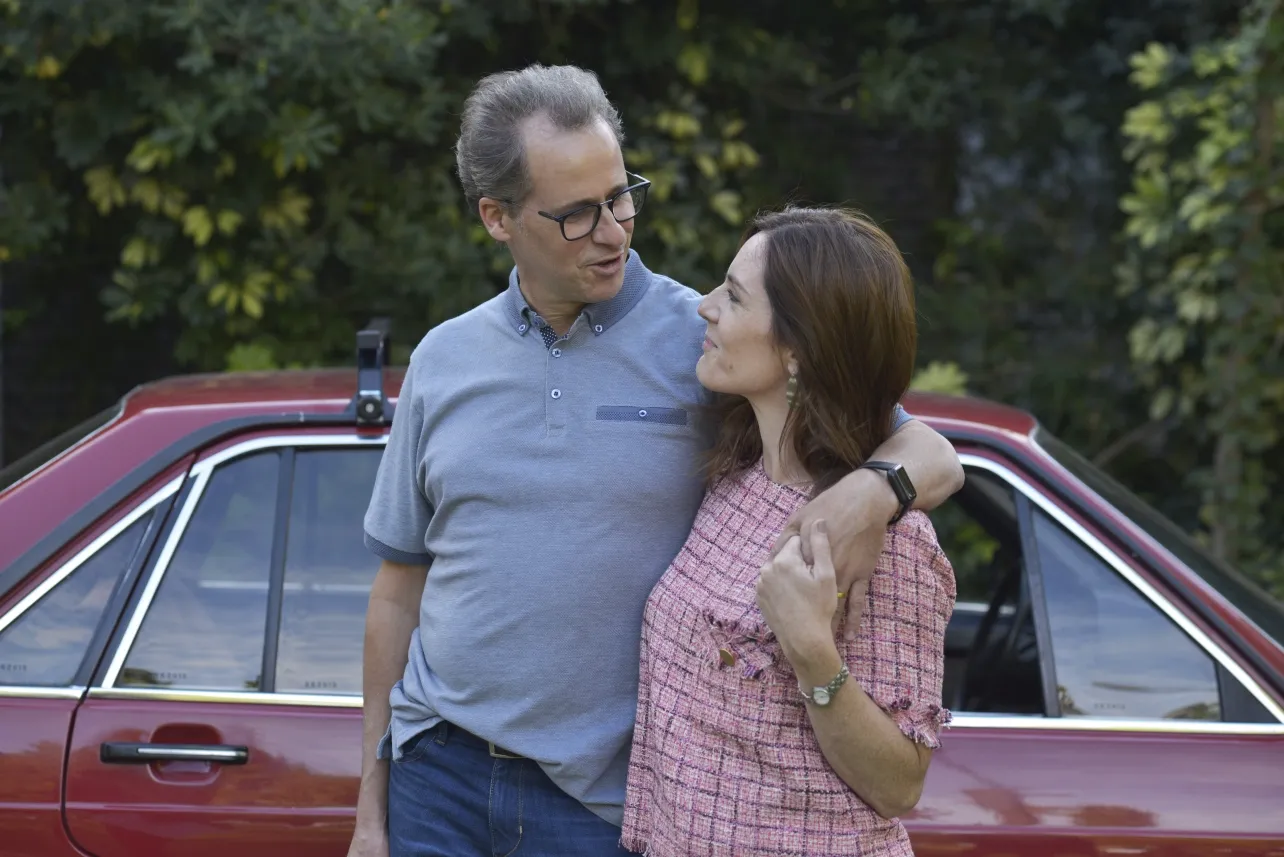
Pablo Bossi and Mariana Wainstein adapt Hernán Casciari’s autobiographical work through a stylized, fragmented perspective. Black-and-white interview segments interrupt conventional scenes, creating a pseudo-documentary atmosphere that emphasizes the story’s connection to actual experiences.
The script weaves dark comedic dialogue with introspective character explorations, yet struggles with structural coherence. Initial episodes effectively trace Ariel’s downward spiral, but midseason segments focusing on Airbnb hosts disrupt narrative flow. This thematic deviation interrupts the protagonist’s emotional trajectory, creating unintended narrative friction that weakens storytelling momentum.
Ariel’s personal transformation feels most powerful, suggesting the narrative might have succeeded more effectively as a cinematic experience. The extended series format stretches dramatic tension, revealing moments that read more like narrative filler than essential storytelling elements.
The Language of Time and Movement: Cinematography & Aesthetic Choices in The Best Heart Attack of My Life
The visual storytelling of The Best Heart Attack of My Life emerges through stark oppositions—chaos against stillness, life wrestling with decline, movement battling inertia. Cinematographic choices explore these tensions, reinforcing existential themes.
A countdown timer tracking Ariel’s heartbeats becomes a haunting narrative mechanism. Digital age body monitoring transforms into a visceral symbol, converting mortality into visible progression. This technique injects underlying tension into comedic moments.
Ariel represents stagnation, while Concha embodies pure kinetic energy. Cinematography articulates this contrast sharply. Flamenco sequences burst with rhythmic intensity, capturing performance through vibrant movement. Extended shots highlight intricate footwork, creating visual commentary on Ariel’s sedentary lifestyle. Warm reds and golden tones distinguish these scenes from the subdued visual landscape of Ariel’s Buenos Aires experience.
Geographical elements underscore protagonist displacement. Buenos Aires appears as a dense urban environment, rendering Ariel microscopic against his personal disappointments. Montevideo emerges as a transitional space—temporary sanctuary offering partial escape without clear resolution.
The Airbnb becomes an interim realm, suspended between familiarity and uncertainty. Spatial representation communicates deeper psychological states, suggesting personal transformation requires understanding one’s authentic environment.
Finding Humor in Mortality: The Tragicomic Balance of The Best Heart Attack of My Life
Streaming storytelling increasingly embraces tragicomedy, exploring existential challenges through nuanced emotional landscapes. The Best Heart Attack of My Life embodies this narrative approach, interweaving sardonic humor with stark midlife deterioration.
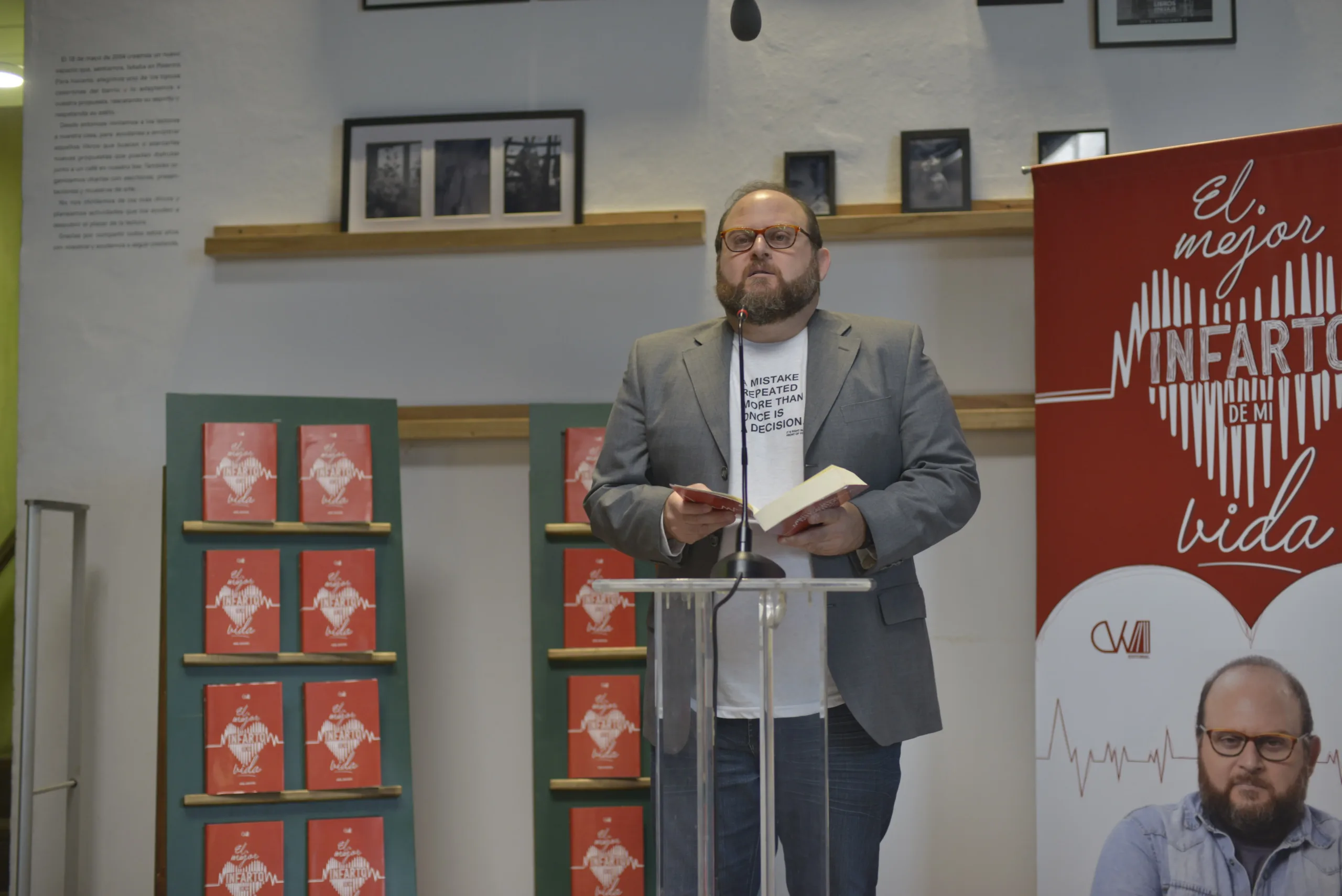
Ariel Santoro emerges as a protagonist triggering simultaneous empathy and irritation—his self-destructive patterns simultaneously ridiculous and deeply familiar. The series explores human complexity, presenting his mistakes without descending into complete bleakness.
Dark comedy permeates the narrative through subtle visual signals—an ominous heartbeat countdown or Ariel’s detached commentary tracking personal collapse. Comedic moments emerge from uncomfortable silence, recognizing life’s unpredictable narratives. Comedic elements thrive within awkward pauses, revealing human vulnerability. Storytelling risks becoming repetitive during mid-season shifts, which fragment Ariel’s emotional trajectory.
Tonal variations create space between serious themes and humorous observations. Divorce, personal destruction, and mortality receive careful treatment. Lighter moments prevent the story from sliding into pure despair or superficial mockery.
Supporting characters like Airbnb hosts receive less narrative attention, their experiences feeling peripheral to Ariel’s central struggle. While Ariel’s existential journey receives intricate exploration, secondary storylines remain underdeveloped, creating uneven emotional textures.
A Show on the Brink: Final Verdict & Takeaway
The Best Heart Attack of My Life explores life through stark contrasts—blending dark humor with introspective storytelling. The series attracts viewers who appreciate complex character studies centered on personal transformation.
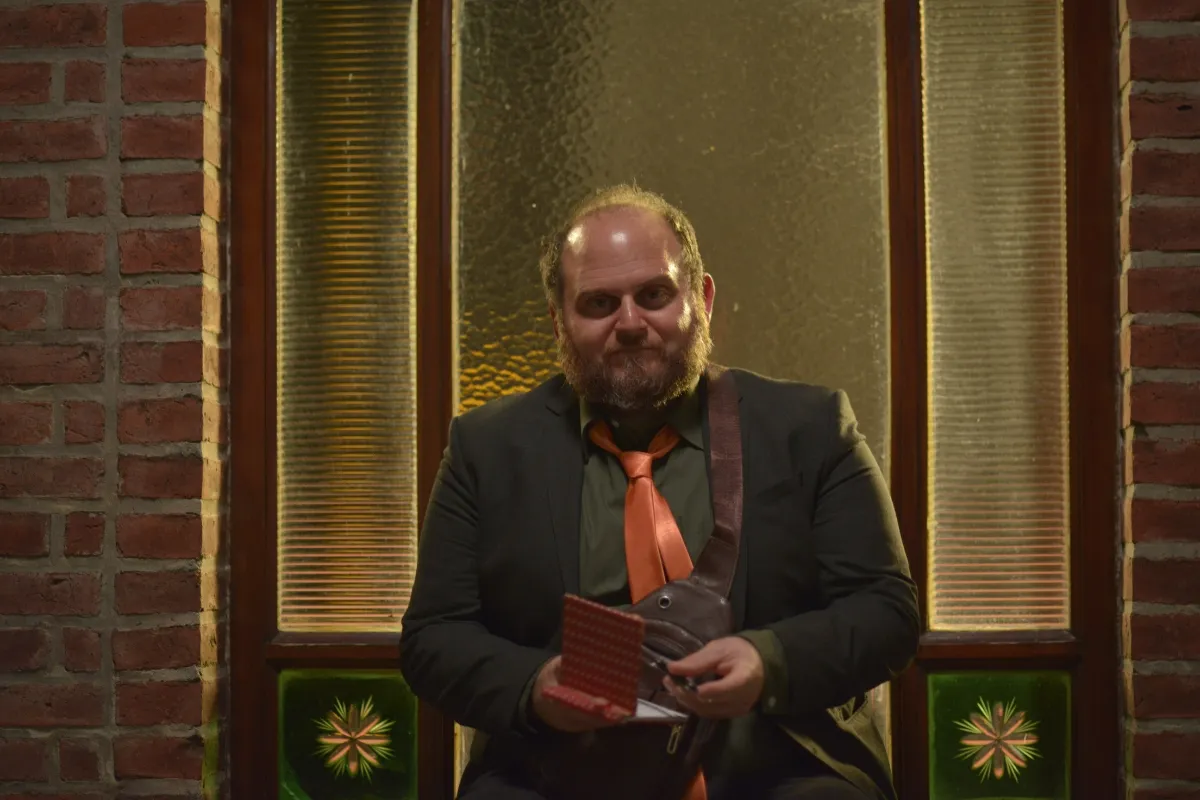
Audiences familiar with character-driven narratives like Baskets or Fleabag will recognize similar emotional landscapes. Ariel Santoro’s personal collapse emerges as a compelling exploration, rendering self-destructive patterns simultaneously shocking and deeply human.
Storytelling wrestles with structural challenges. The heartbeat countdown introduces narrative tension without fully realizing its potential conceptual depth.
Midseason story shifts disrupt emotional momentum, pulling attention from Ariel’s central experience. Narrative threads occasionally feel disconnected, creating a sense of wandering rather than purposeful exploration.
The Review
The Best Heart Attack of My Life Season 1
The Best Heart Attack of My Life explores dark comedic territories surrounding human frailty, masculine identity, and personal redemption. Alan Sabbagh's performance creates a raw, intimate portrayal of personal disintegration. Storytelling oscillates between sardonic humor and profound emotional landscapes. Structural challenges emerge through scattered narrative threads and uneven character development. The heartbeat countdown technique introduces narrative tension without fully excavating its philosophical potential.
PROS
- Blends dark comedy, romance, and existential crisis with an unusual but compelling narrative.
- Alan Sabbagh delivers a nuanced portrayal of an imperfect but relatable protagonist.
- The countdown to Ariel’s heart attack adds an engaging layer of suspense.
CONS
- Mid-season detours into secondary characters disrupt momentum.
- The countdown mechanic suggests deeper thematic weight than is fully explored.
- Some side plots feel disconnected from the core narrative.