
























![Kingdom Hearts Collection [I-III] Review](https://gazettely.com/wp-content/uploads/2026/10/Kingdom-Hearts-Collection-I-III-1-360x180.webp "Kingdom Hearts Collection [I-III] Review: KHII Holds Steady as Newer Entries Fluctuate 37")



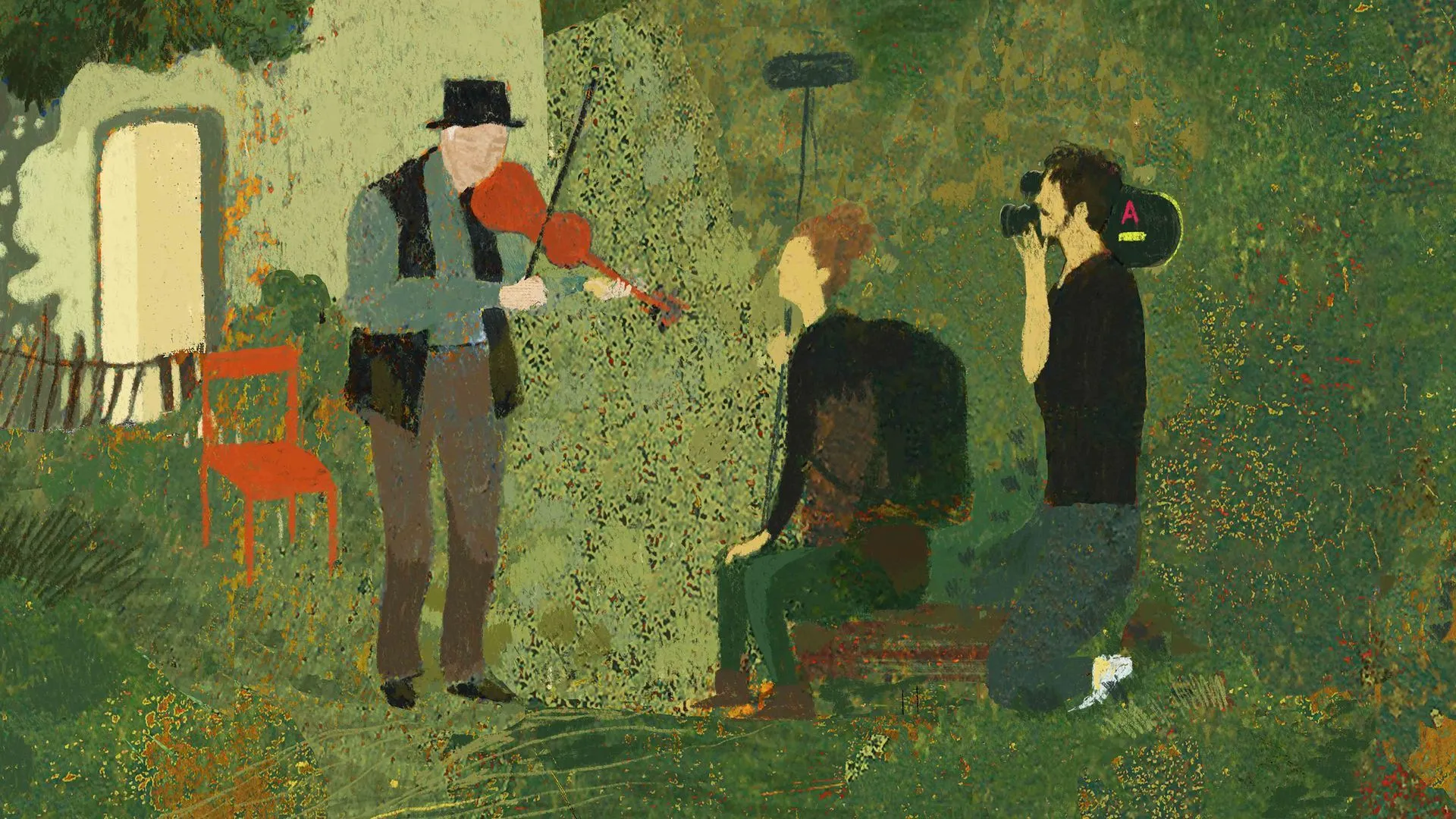

A debut of restless curiosity, The Klezmer Project unfolds as a docu-fiction rendered by Leandro Koch and Paloma Schachmann. He, a wedding videographer whose camera is more at home among smiles than solemnity, spins a tale to win the affection of a klezmer clarinetist. She, the magnetic source of his bluff, leads him from Buenos Aires into the winding backroads of Bessarabia. There, amid villages straddling Ukraine, Romania and Moldova, they chase the ghost of a music whose roots run deep in Yiddish memory.
This film wears many faces—part field diary of ethnomusicology, part invented romance, part whispered parable spoken in Yiddish voice-over. A playful murmur guides audiences through dusty archives and candlelit kitchens, even as darker questions hum beneath the melodies. Playful notes drift into solemn reflection when klezmer’s absence becomes evidence of history’s violent erasures.
Cameras record flutes and fiddles coaxed from weathered hands. Scholars offer fragments of context while everyday villagers hum folk refrains with neither fanfare nor stage. The journey feels both intimate and vast: an encounter with forgotten hearths and an immersion in customs at once fragile and tenacious. At its core lies a simple, haunting inquiry: what becomes of a people’s song when its world has been reduced to silence?
Fractured Mirrors: Truth and Fable Intertwined
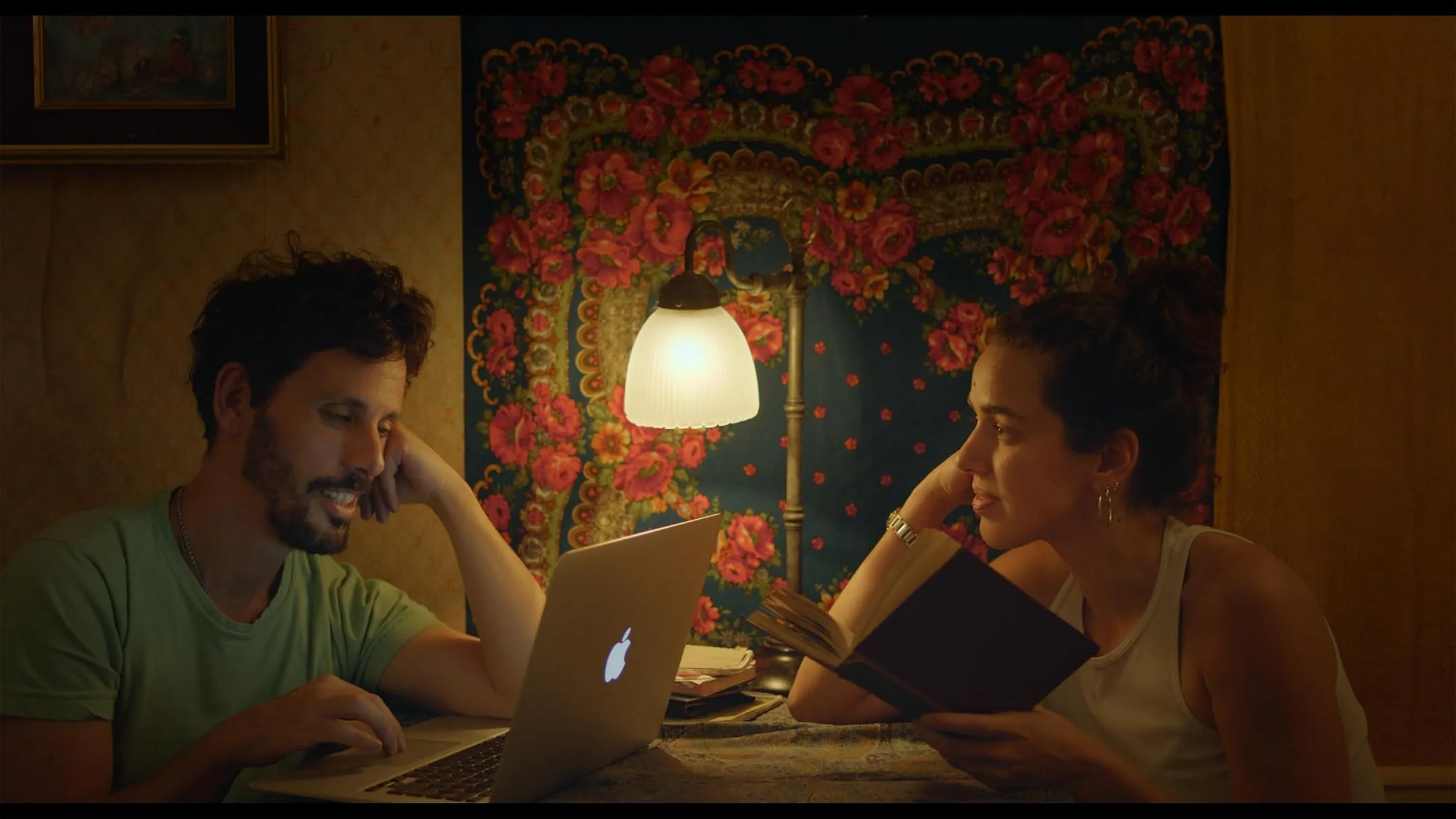
Leandro and Paloma inhabit shadow-selves, each performance a subtle lie that questions the very nature of documentary truth. He, a wedding cameraman trading vows for camera angles; she, a klezmer clarinetist coaxing notes from memory and longing. Their first encounter at a bustling reception sparkles with staged spontaneity—his offhand promise to film her band becomes the genesis of an odyssey across Eastern Europe, where every frame courts uncertainty.
Interleaved is the Yiddish folktale of Yankel, a gravedigger’s aide who feigns Torah wisdom to woo Taibele, the rabbi’s daughter. Voice-over threads through the film like a half-remembered prayer: Yiddish syllables ripple, subtitled in English, casting each village scene in fable’s glow. Sometimes the parable interrupts just as we begin to trust Paloma’s genuine laughter, reminding us that stories betray as much as they reveal.
The rhythm shifts. Opening scenes brim with playful banter and mock interviews—an airy prelude that belies the gravity lurking beneath village doorways. Midway, their footsteps carry weight: dusty archives, twilight laments sung by elders whose eyes hold centuries of half-forgotten melodies. And then revelation: klezmer’s disappearance proves both historical wound and personal crucible, forging a transformation in Leandro’s gaze.
Moments of self-reflection pivot to on-set boardroom exchanges with an Austrian television funder. Lukas, their reluctant producer, jests about “no klezmer bands,” a quip that echoes like a dirge. In these meta-scenes, the film pauses to ask: can one document absence? Can a camera capture what has already faded into silence? An uneasy echo, as if the reel itself hesitates at the edge of oblivion…
Echoes in Empty Halls: The Ethnomusicological Heartbeat
In The Klezmer Project, klezmer becomes a ghostly scaffold—its missing presence shaping every gathering and silence. Koch and Schachmann pursue “klezmer proper” as though chasing a fading constellation: they expect luminous lines but discover only dim points of resonance. What remains is a network of half-heard cadences, shadows of melody that insist on being heard.
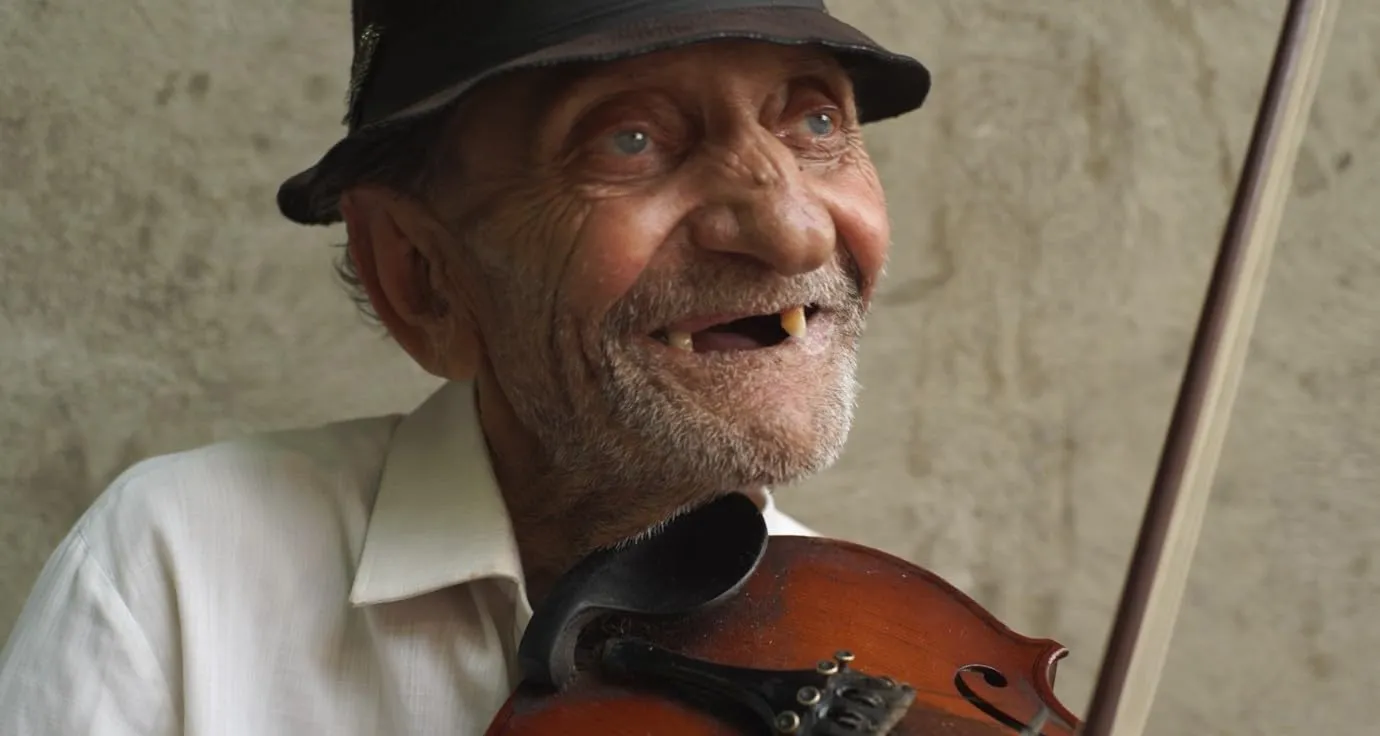
Their journey unfolds through field recordings that feel more like séances. Ivan Popovych, last of the Técsői Banda, coaxes a fiddle’s lament in a dimly lit kitchen; his wife’s voice rises and falls like a hesitant prayer. Later, Banda Segundo Mundo steps into a village hall, polished and precise, their clarinets dancing with rehearsed certainty—an echo of a tradition more theatrical than native.
In contrast, a Romanian mail carrier’s violin rumbles beneath his daughter’s guitar strums—every note born from daily ritual, raw and unvarnished. At the border, a lone traveler chants in Yiddish; the wind carries his song across checkpoints as if to remind us that music is passport and exodus in one breath.
Scholars appear in soft-focus interviews. Bob Cohen speaks of dispersal, his words drifting between conviction and regret. Textual excerpts from Susana Skura whisper through on-screen captions, describing Yiddish’s demise as an act of violence and mourning. Their voices anchor what might otherwise slip into romanticism, warning us that memory can fracture as easily as it sustains.
Sound design stitches these elements together—a marketplace’s clamor dissolves into studio hush; archival crackle yields to present-day performance. Past and present collide until they blur: a child’s spontaneous fiddle lick might be the very echo of a forgotten shtetl melody.
Each musical encounter shapes Leandro’s gaze. He listens, absorbs, and transforms. The music itself propels him toward awareness: every violin slide underscores a cultural wound, every clarinet trill hints at fragile hope. Between notes he senses the cost of erasure—and, perhaps, the first stirrings of revival.
Echoes of Erasure and Identity’s Reckoning
Leandro begins with a lens trained more on wedded gaiety than ancestral sorrow, cracking jokes that skirt the edge of hostility toward his own Jewish inheritance. His indifference is a mask, a brittle shell that Paloma—clarinet in hand—gently fractures. She moves through villages like a living archive, guiding him (and us) through corridors of memory he never knew he’d entered. Watching her gather fragments of song, one senses identity unfolding: not as fixed essence, but as something to be reclaimed through attentive listening.
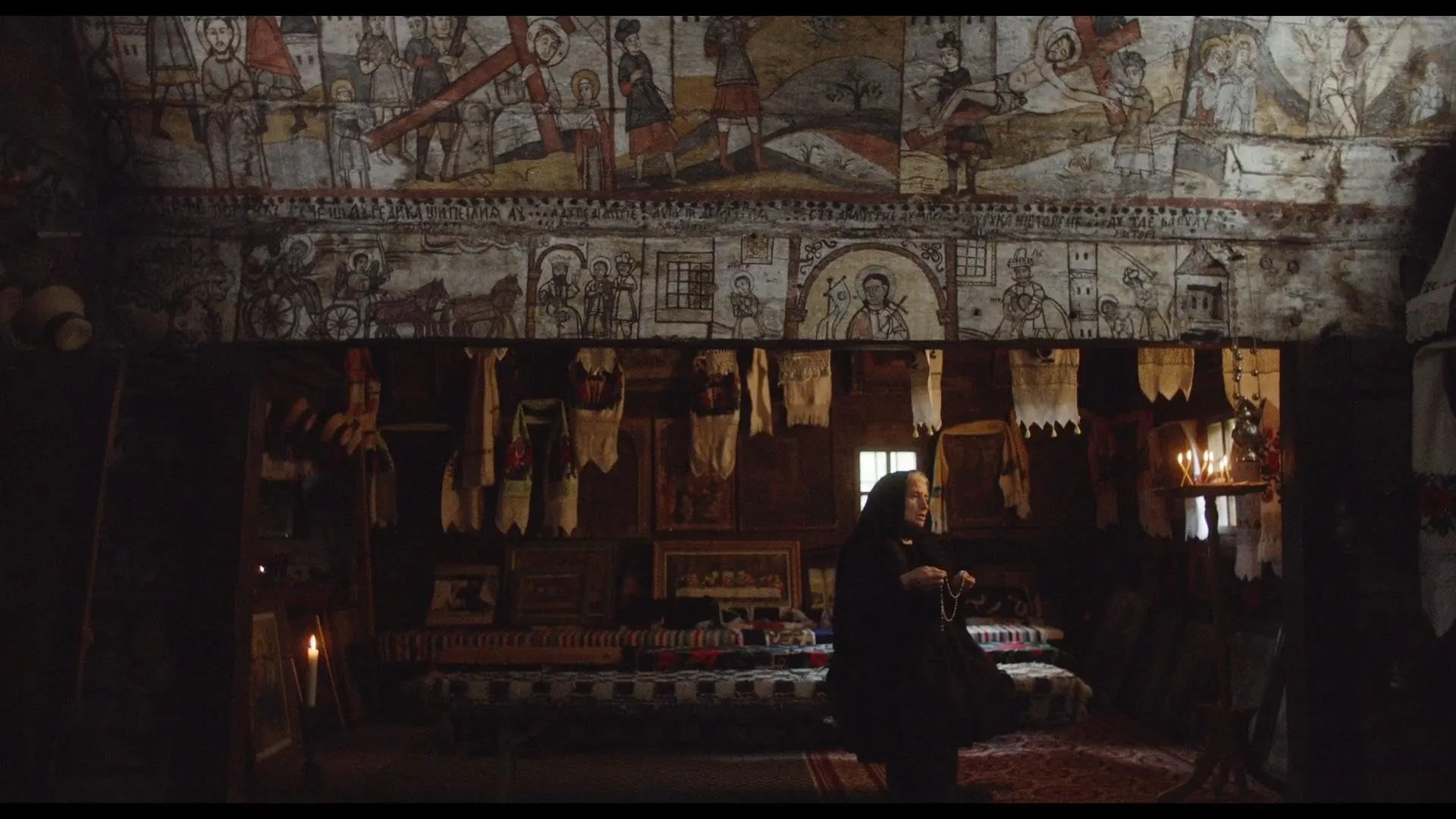
The film does not flinch from the void left by history’s violences. Ashkenazi communities in Bessarabia lie emptied by the Holocaust, their songs silenced in doorways that no longer exist. After the war, fervent Zionism consecrated Hebrew’s rise and cast Yiddish into shadow—a secular Bundism buried beneath nation-building zeal. The epigraph from Max Weinreich—“a dialect with an army behind”—grows ironies heavy on the tongue: language as power, and the lack of armed defenders for what was once everyone’s mother tongue.
Images shot in 2021 pulse with an eerie prescience. Snow-quiet villages, later rent by conflict, now serve as corridors for the displaced. Passing scenes of communal dances feel haunted by the Russia-Ukraine war; a brief glimpse of an open-air celebration becomes a relic in a world of sealed borders. Likewise, snippets of masked gatherings remind us that community can vanish overnight—an echo that lingers long after the screen fades to black.
Koch and Schachmann lean on Hayden White’s insight that narratives impose moral order on chaos; here, the film offers itself as a counternarrative, resisting reductive histories. It asserts that preserving a dying song is itself an act of defiance against political monoliths that would rewrite collective memory.
Beneath every recorded note lies the shadow of deception: Yankel’s lie to Taibele mirrored by Leandro’s own fabricated credentials. Memory strains against oblivion, and in that tension, discovery becomes an act of creation—open-ended, unsettling, and alive with the possibility of reawakening what seemed forever lost.
Framing Memory: Light, Lens, and Lament
Cameras drift over Bessarabia’s rolling hills like seekers in half-light, capturing village lanes and border checkpoints with an almost spectral reverence. Wide vistas linger until their edges blur, as if the world itself is receding from view. Then the frame tightens—a handheld close-up on aged fingers coaxing a violin’s lament, breath caught in the clarinet’s reed—inviting an intimacy that feels both gentle and urgent.
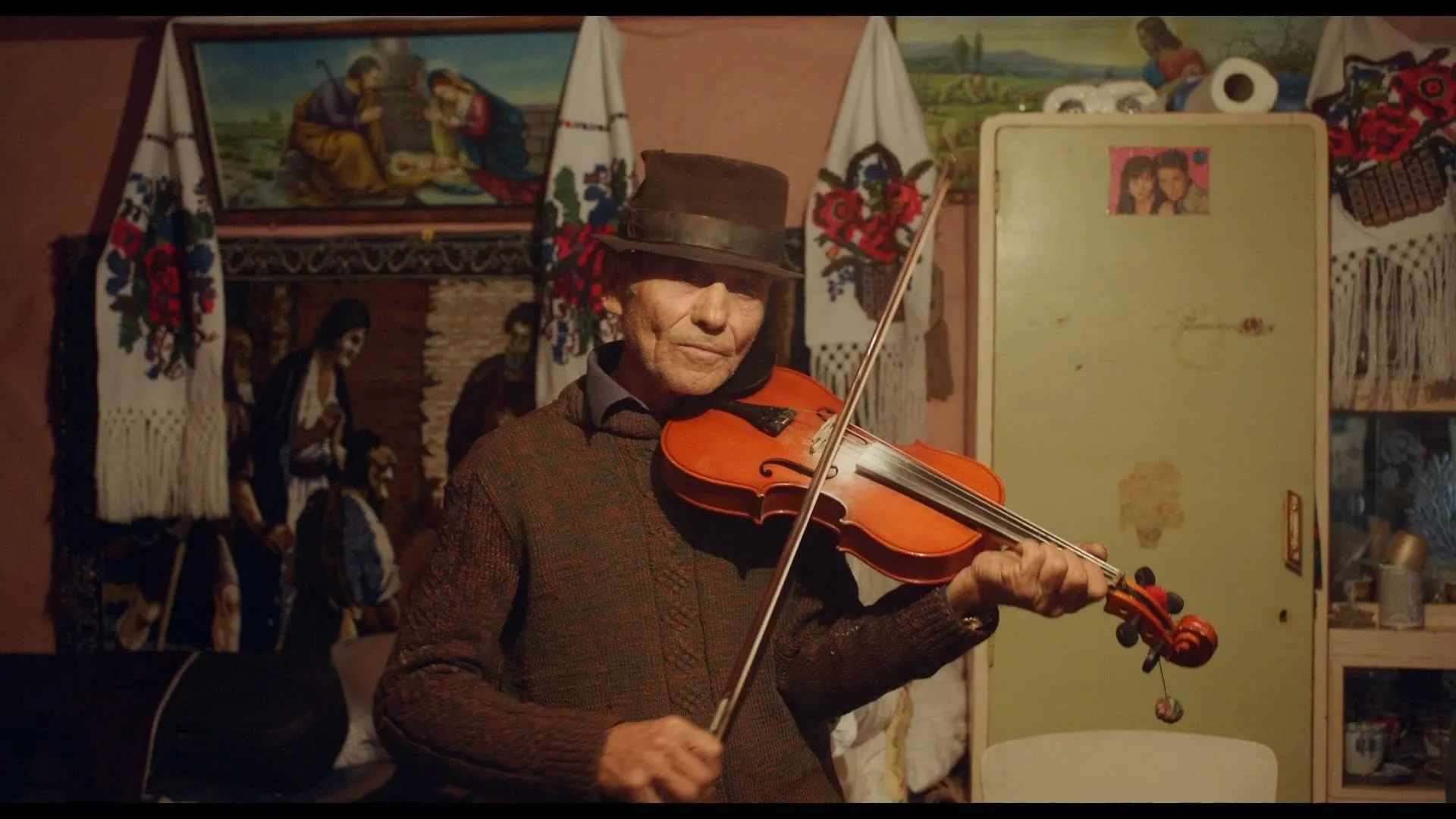
Scenes in Buenos Aires pulse with urban warmth: neon reflections on pavement, quick cuts between wedding crowds and city traffic. This bustle bleeds into the quieter Eastern European frames, where morning mist weaves through empty courtyards. The contrast between these worlds is never decorative; it asks whether identity can be as mutable as light itself.
Editing stitches fiction, folklore and documentary so that moments of scripted reverie fracture into raw field recordings. A Yiddish folktale may dissolve mid-sentence into the hum of marketplace chatter, or a scholar’s reflection might snap to a shot of peeling plaster. Rhythm here is not comfortable—it quickens with a fiddle’s staccato then slows under the weight of memory’s silence.
Sound mixes voice-over narration with diegetic song until the music occasionally smothers speech, declaring itself sovereign. At times, documentary interludes yield to scripted missteps—cables in shot, crew murmurs—reminders that every frame is haunted by its own artifice.
Costumes and production design root characters in their time: Paloma’s coat, nondescript yet lived-in; Yankel’s patched vest evoking an earlier century. These details anchor the film’s meditations on presence and loss.
Pacing shuttles between playful wedding banter and dimly lit archives. A sudden guitar strum may follow a jest about “no klezmer bands,” jolting the viewer into uneasy reflection: what survives when the music dies?
Hearts in Refrain: Becoming Through Song
Leandro’s journey begins in cynicism—a wedding videographer who frames celebration without longing. Across dusty field recordings he awakens into an impassioned seeker, each lamenting fiddle stroke kindling empathy for vanished worlds. Paloma, clarinet’s custodian, offers steady resolve amid eroding traditions; her passion becomes a compass through sagging archives and twilight gatherings.
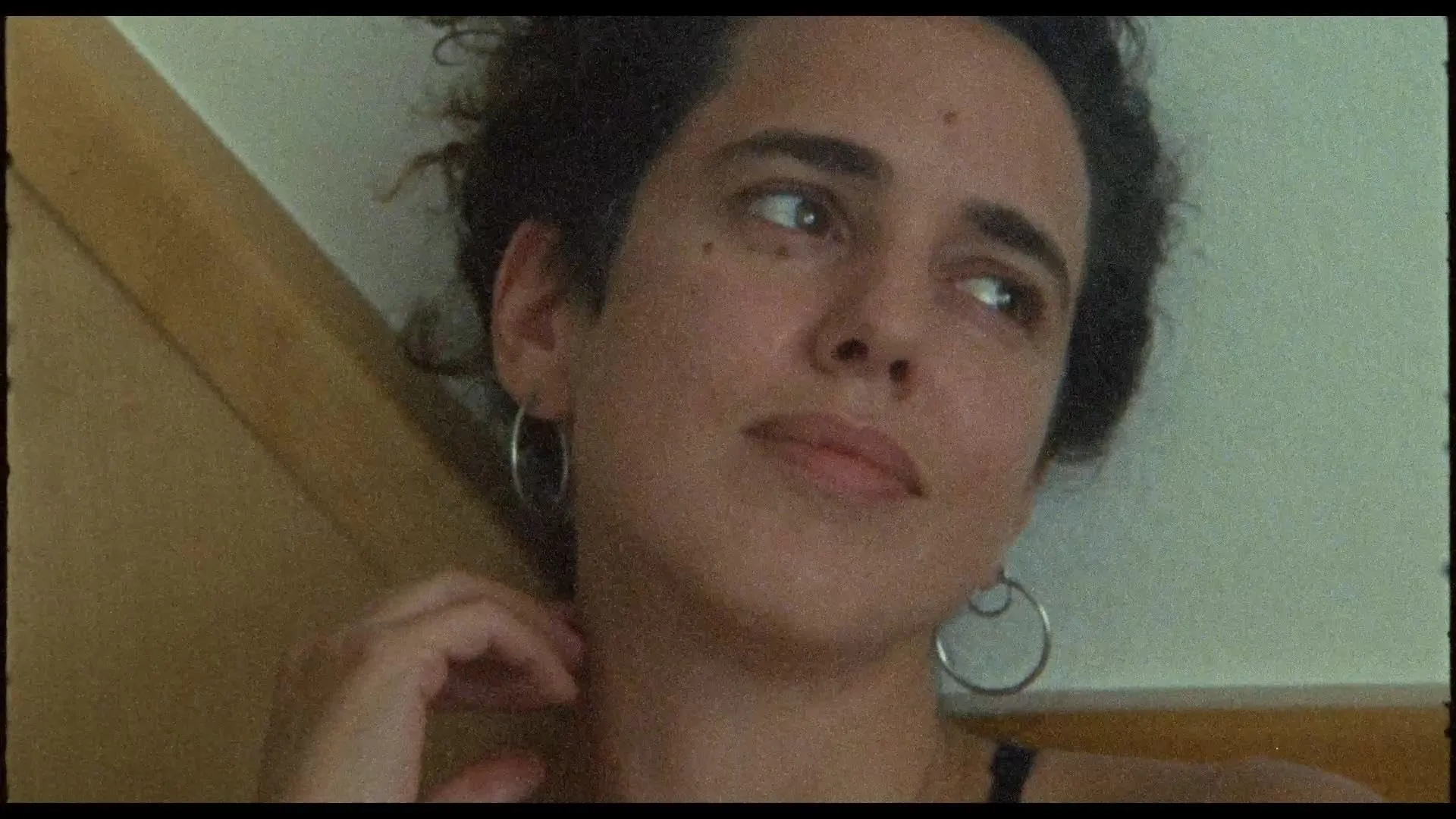
Lukas’s deadpan financier frustrations provide fleeting levity, then give way to elders’ mournful refrains: their voices crack like old plaster, each note hinting at communal loss. In one dim barn, a fiddler recalls lost dances as shadows drift across the wooden floor, and laughter falls silent under history’s weight.
Yankel and Taibele’s forbidden love mirrors the film’s modern romance, fable entwined with deception and devotion. When Leandro encounters the last klezmer players, fragile hope surfaces in trembling bows and hushed choruses, marking moments of revelation that reshape his gaze. Music emerges as both defiance and elegy, urging us to meet absence with curiosity and preserve what drifts ever nearer to silence.
Resonance Beyond Silence
Here, Koch and Schachmann transcend genre: their docu-fiction weaves playful romance with urgent acts of cultural rescue. The film’s greatest victory lies in honoring klezmer’s echo even as its original form slips away.
This is a rare offering for those drawn to world music’s hidden currents, to students of Jewish memory, and to viewers who embrace experimental documentary. In classrooms of history, musicology, and film theory, it will spark lively debate.
Watchers are invited to listen for klezmer’s phantom threads in the everyday—in a neighbor’s hum, in the creak of old floorboards, in the wind through narrow streets. The Klezmer Project stands as both a tender love story and a solemn pledge to remember what silence nearly swallowed.
Full Credits
Directors: Leandro Koch, Paloma Schachmann
Writers: Leandro Koch, Paloma Schachmann
Producers: Andrew Sala, Lukas Rinner, Sebastián Muro, Yael Svoboda, Leandro Koch, Paloma Schachmann
Cast: Leandro Koch, Paloma Schachmann, Perla Sneh, Rebeca Yanover, César Lerner, Marcelo Moguilevsky, Bob Cohen, Ivan Popovych, Simkhe Nemet, Vanya Lemen
Directors of Photography (Cinematographers): Leandro Koch, Roman Kasseroler
Editors: Leandro Koch, Javier Favot
The Review
The Klezmer Project
In coaxing vanished melodies from the dust of history, Koch and Schachmann deliver a film that pulses with elegiac beauty and existential inquiry. Its hybrid form unsettles as much as it enlightens, inviting us to confront absence and memory’s fragility. It transcends the documentary label, serving as a living invocation of lost song.
PROS
- Evocative cinematography balancing sweeping landscapes with intimate close-ups
- Poetic merger of fictional romance and documentary investigation
- Rich field recordings that unearth rare klezmer traditions
- Thoughtful meditation on memory, identity, and cultural disappearance
- Emotional depth as Leandro’s transformation mirrors historical loss
CONS
- Narrative rhythm occasionally falters under its hybrid form
- Yiddish folktale interludes can interrupt the film’s momentum
- Romantic subplot feels sketchy compared to the ethnographic material
- Viewers seeking a conventional documentary may find the structure confusing







