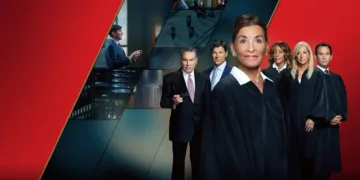






















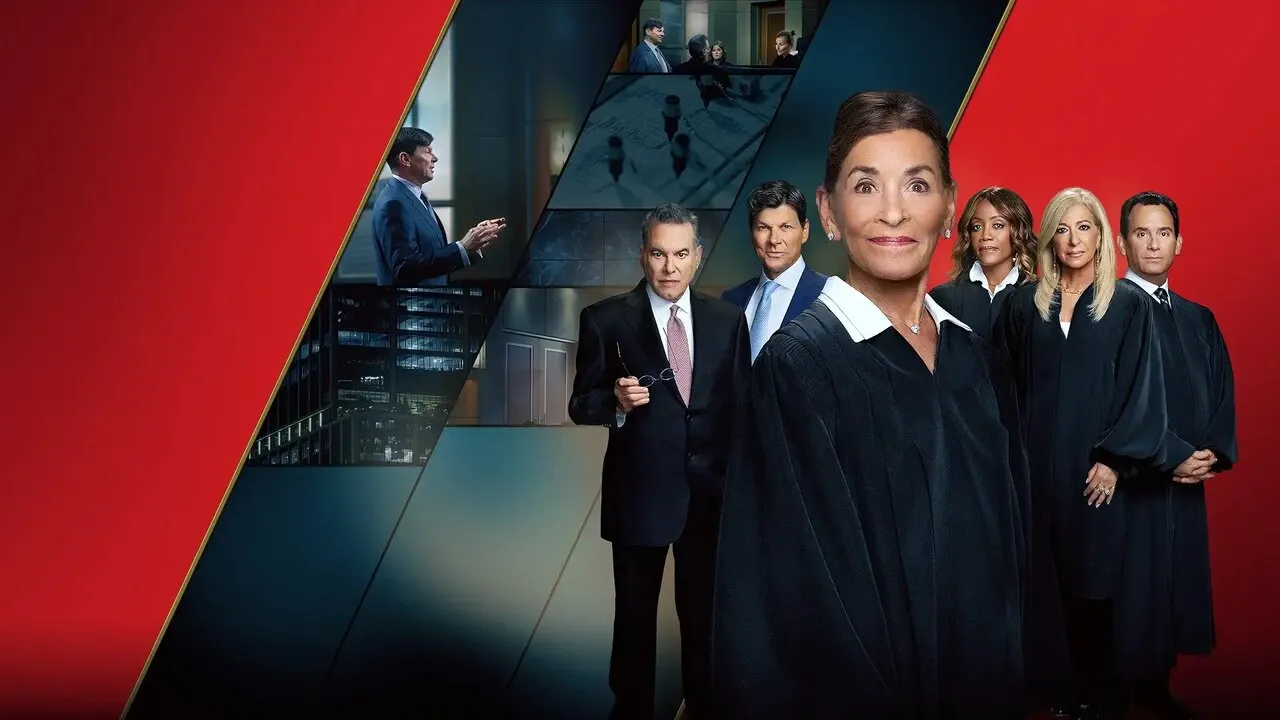

In the vast and ever-churning library of streaming content, where true crime has become a dominant genre, Judge Judy Sheindlin enters the fray with Justice on Trial. Sheindlin, a figure whose television persona has shaped a generation’s understanding of small-claims resolution, attempts to graduate her brand to the big leagues of legal history.
The series premise is potent: re-examining real court cases where the application of law produced a result that feels profoundly unjust. Using reenactments based on actual transcripts, the show preserves the historical verdicts, forcing the audience to sit with uncomfortable truths about the legal system.
Its premiere episode, tackling the 1987 case of Terrence K., a child abused by his diplomat father, immediately grounds the series in complex social issues. The conflict between protecting a child and respecting the shield of diplomatic immunity is not merely a legal curiosity; it is a stark question about power, borders, and whose safety a system is built to prioritize. The show taps directly into a contemporary cultural mood of skepticism toward established institutions.
The Medium is the Mismatch
Justice on Trial presents itself as a serious exploration of legal history, yet its aesthetic choices create a peculiar and revealing dissonance. The show’s format is a hybrid, a content smoothie blended for the streaming era: part courtroom procedure, part dramatic reenactment, and part panel discussion.
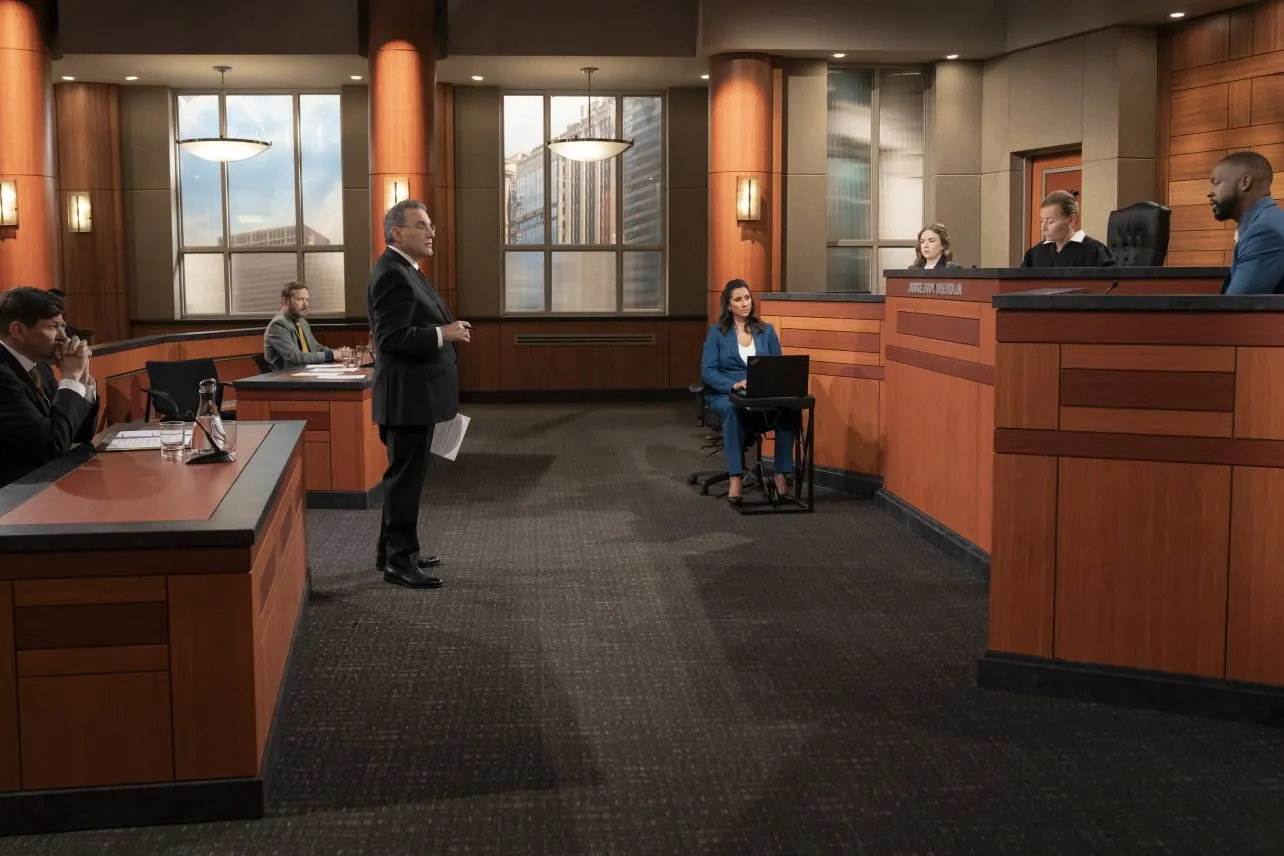
This structural ambition, however, is immediately undercut by a production decision that speaks volumes about its origins. The weighty trials—cases involving murder, civil rights, and state power—are staged on the brightly lit, familiar sets of Sheindlin’s other programs, Judy Justice and Tribunal Justice. The effect is profoundly jarring.
The gravity of a child abuse case or a wrongful murder conviction is flattened by an environment that screams daytime television. This is not the gritty, cinematic realism of prestige true-crime documentaries found on HBO or Netflix; this is justice with the production values of a local news broadcast. This choice inadvertently domesticates the horror, placing systemic failure in a bizarrely comfortable and unthreatening package.
This central contradiction is magnified in the execution of the reenactments. A deep tonal chasm exists between the controlled, transcript-based courtroom proceedings and the often melodramatic scripted scenes depicting the actual events. The acting in these flashbacks can feel theatrical, a throwback to an older style of television where emotion is signaled broadly.
The depiction of Terrence K.’s abuse, for instance, leans into a sensationalism that feels manipulative rather than illuminating. It creates a whiplash effect for the viewer, toggling between sober legal argument and heightened emotional display. Sheindlin herself embodies this conflict. As a presiding judge, she is a commanding, sharp-witted presence.
Yet when tasked with delivering the show’s scripted narration, her delivery becomes surprisingly stiff and measured, as if she is uncomfortable in the role of a passive storyteller rather than an active arbiter. It reveals the difficulty of transplanting a very specific, powerful persona into a different format. In stark contrast, the litigators, Daniel Mentzer and Larry Bakman, supply the courtroom scenes with a vital, adversarial passion.
Their energetic performances are not just for show; they are the engine of the drama, representing the performative nature of the justice system and filling the void left by a necessarily impartial judge. Their presence highlights the show’s own uncertainty about what it wants to be: a solemn educational document or a dramatic legal thriller.
Reopening Old Wounds
The true substance of the series, and its primary contribution to cultural discourse, lies in its curated docket of American legal history’s most vexing moments. The show uses these historical trials as vehicles to explore difficult legal principles, effectively moving complex theory from the law library to the living room television.
Each case is a chapter in a larger story about the fallibility of the American justice system. The episode on “Ohio v. Dixon,” for example, becomes a masterclass in public frustration with legal procedure. It meticulously shows how the exclusion of crucial evidence, based on what many would call a “technicality,” can undermine a prosecution.
The series forces the audience to confront an uncomfortable truth: the constitutional protections designed to prevent state overreach are messy and can lead to outcomes that feel deeply unsatisfying. It’s a direct challenge to simplistic “law and order” narratives, illustrating that the preservation of rights for all sometimes means a difficult result in a specific case.
The multi-episode examination of Jeffrey Deskovic’s wrongful conviction for rape and murder is the show’s emotional and ethical centerpiece. It is a devastatingly effective piece of television that moves beyond the shocking headline to reconstruct the insidious process of systemic failure.
The show details the psychological mechanics of a coerced confession, showing how a vulnerable sixteen-year-old can be manipulated into admitting to a crime he did not commit. This narrative thread is a powerful critique of unchecked police interrogation techniques and the confirmation bias that can permeate an investigation.
In the context of 2025, where movements for criminal justice reform have reshaped public consciousness, the Deskovic story is not just history; it is an urgent, living document. It dismantles the myth of an infallible justice system that was once a staple of American police procedurals. Furthermore, the inclusion of Gideon v. Wainwright expands the critique to issues of class.
The depiction of Clarence Gideon, a man with an eighth-grade education attempting to defend himself in court, serves as a gut-wrenching visual metaphor for the profound disadvantages faced by the poor within the legal system.
The right to counsel is shown not as an abstract principle but as a fundamental pillar without which the entire structure of justice collapses. By tackling Snyder v. Phelps and the Scopes Monkey Trial, the series demonstrates its intellectual courage, forcing a potentially liberal audience to grapple with the uncomfortable necessity of protecting hateful speech and to re-examine the historical friction between science and faith.
The Unresolved Case
Ultimately, Justice on Trial repeatedly circles a single, resonant theme: the unbridgeable gap between the cold, impartial “rule of law” and a more intuitive, humanistic conception of “justice.” The series frames this not as a problem to be solved but as a permanent tension that defines any legal system created and run by fallible people.
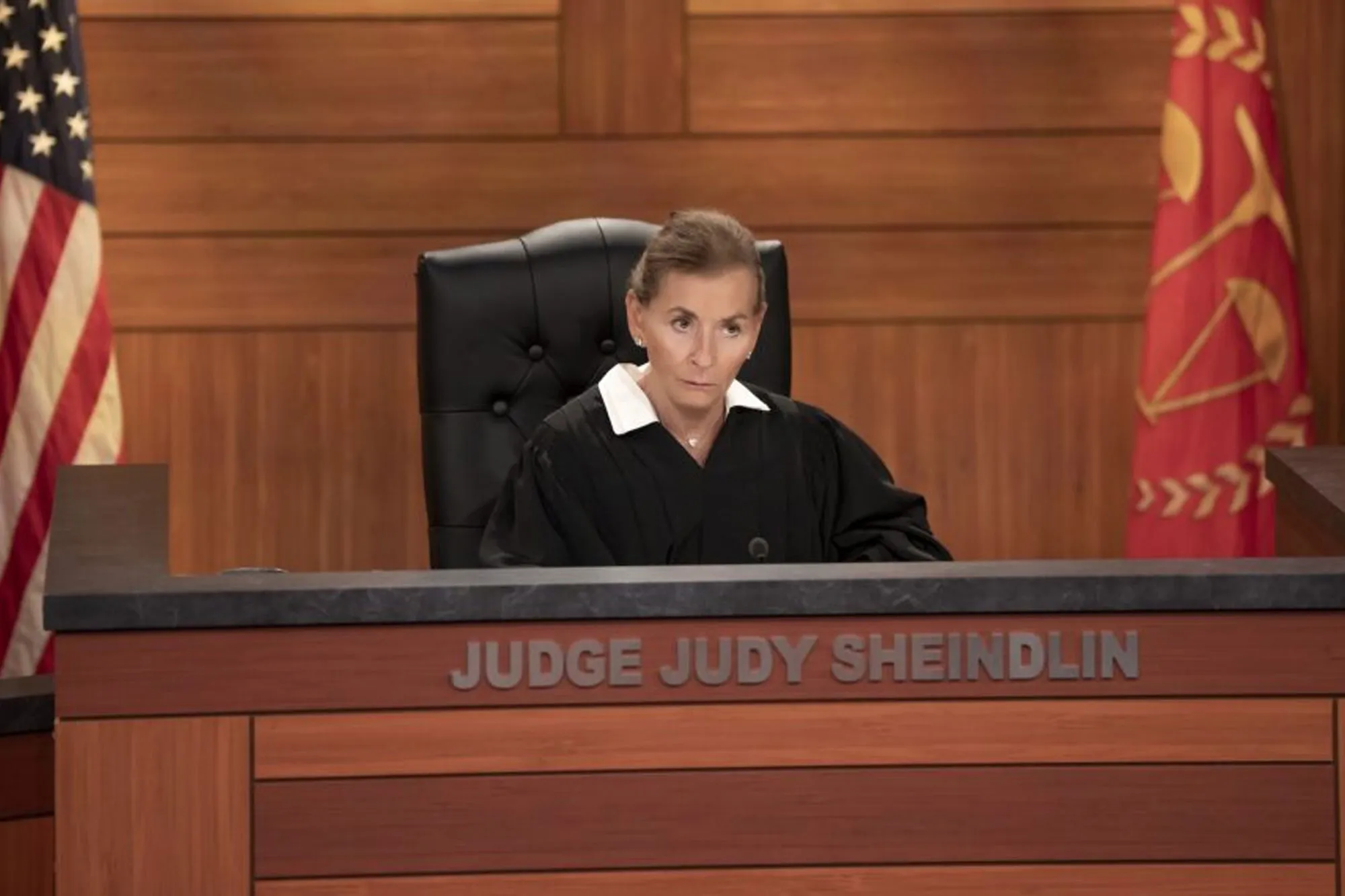
Sheindlin’s recurring observation that law and common sense do not always equate to justice serves as the show’s unwavering thesis. She acts as a guide, a modern-day Virgil leading the viewer through the various circles of legal paradox. Her authority is not just that of a television celebrity but of someone who has spent a lifetime witnessing these contradictions from the bench.
This intellectual project is significantly enhanced by the function of the appellate panel, featuring judges Tanya Acker, Patricia DiMango, and Adam Levy. Their presence is a brilliant structural choice, transforming the show from a one-sided lecture into a dynamic conversation.
They are the dialectic in action. When one of them offers a counterpoint to Sheindlin’s perspective, it models a form of civil, reasoned disagreement that has become exceedingly rare in other public forums. Their debate allows the audience to see that even among experts, the law is a matter of interpretation, not certainty.
This format makes a quiet but potent statement about our current media environment. In an age of polarized shouting matches, the show’s calm and structured debate feels almost radical. It reflects a desire for a more nuanced understanding of complex issues, catering to an audience that has grown weary of simplistic hero-and-villain narratives.
The show’s most significant cultural impact may be its refusal to provide easy answers. It destabilizes the viewer’s certitudes and replaces them with more refined questions. It suggests that the goal is not to find a perfect system but to remain eternally vigilant about the imperfections of our current one.
It presents the justice system as a human institution, a work in progress, subject to the same biases and errors as the society it serves. Justice on Trial leaves viewers to contemplate the vast, often troubling space between legal fact and lived truth, successfully prompting a critical public examination of how justice is, and should be, administered.
Full Credits
Director: Judge Judy Sheindlin
Writers: Mollie Hemingway, Carrie Severino
Producers and Executive Producers: Judy Sheindlin, Casey Barber, David Carr, Randy Douthit. Amy Freisleben is a co-executive producer.
Cast: Judy Sheindlin, Tanya Acker, Patricia DiMango, Adam Levy, Daniel Mentzer, Larry Bakman, Garon Grigsby, Robert Catrini, Daniel Mentzer, Larry Bakman, Sarah Rose. Other cast members listed on IMDb include Marcus Hanson, Danny T Miller, Allie Perez, Allen Lee Haff, Danny Winn, Chase Lawless, Laith Wallschleger, Cerris Morgan-Moyer, Ian Stanley, Cheryl Dent, Rebecca Ritz, Katario Dupreè Young, Erika Medina, Ari Barkan, René Mena, Joshua Feinman, Mandy Mills, Tommy deVries, Sello Andrew Lyons, Ethan Clark, Johnny Bazaldua, Jeff Pridgen, Charles Kohut, Lynda Gatlin, Bill Sebastian, Chris Kimball, Kevin Espinoza, Jai Carter, Jeffrey Reeves.
Editors: Miguel Delgado
Composer: Alicia Robinson Cooper
The Review
Justice on Trial
While Justice on Trial's daytime-TV aesthetics often clash with its profound subject matter, the series succeeds in its primary mission. It forces a necessary and uncomfortable conversation about the fallibility of the American legal system, prompting critical thought on the gap between law and fairness. Despite its frustrating production choices, the show’s intellectual honesty makes it a valuable watch for anyone willing to question the nature of justice itself.
PROS
- Tackles complex and socially relevant legal cases.
- Makes difficult legal concepts accessible to a broad audience.
- The panel format models thoughtful debate on legal interpretation.
- Effectively explores the theme of the gap between legal outcomes and true justice.
- Litigating attorneys bring passion and energy to the courtroom scenes.
CONS
- Production values and sets feel mismatched with the series' serious tone.
- A tonal clash exists between the courtroom proceedings and the melodramatic reenactments.
- Judge Sheindlin’s scripted narration can feel stiff.
- The hybrid format occasionally feels unfocused and aesthetically jarring.