































In the vast and often chaotic landscape of streaming content, where platforms chase youth-oriented fantasies and high-concept prestige dramas, a show like Leanne feels like an intentional anomaly. The premise is deceptively simple: Leanne, a woman from East Tennessee whose entire adult identity has been shaped by her 33-year marriage, is suddenly cast adrift when her husband leaves her for a younger woman. Her world, once stable and defined, collapses.
The series sets its stage in suburban Knoxville, a setting that is far from a generic backdrop; it is a character in itself, shaping the humor, the values, and the gentle conflicts of the narrative. What follows is a journey of rediscovery, a theme as old as storytelling itself. Yet, placing this journey squarely on the shoulders of a woman in her late 50s gives it a particular cultural resonance.
Leanne is a story about the messy, uncertain, and often humorous reality of starting over when society might assume your most important chapters have already been written. It is a quiet but firm statement that a second act is not the exclusive domain of the young.
From Porch-Side Philosopher to Sitcom Headliner
The architecture of Leanne is built entirely around the comedic persona of its star, Leanne Morgan. Her established brand of warm, anecdotal, and distinctly Southern stand-up is not just an influence; it is the show’s foundational DNA. The series meticulously translates her stage presence—that of a cherished friend sharing confessions over iced tea—into a sitcom protagonist.
This is evident in the direct lifting of comedic material, with observations on everything from dieting to “hateful panties” making the jump from her specials to the show’s script. This strategy creates an instant rapport with her established audience. More telling, however, is the decision to diverge from Morgan’s real life.
By inventing a divorce plot, the creators opt for a universally understood sitcom conflict over the more specific, less conventional true story of a woman’s late-career ascent in comedy. This choice is a fascinating glimpse into the mechanics of star vehicles in the streaming age: a celebrity’s brand is the hook, but their actual life is often sanded down in favor of a more formulaic, broadly appealing narrative engine.
Morgan’s performance is a study in the transition from monologue to dialogue. In her element, delivering punchlines with a soft, musical cadence that makes even the most standard jokes feel authentic, she is captivating.
Her knack for physical comedy, showcased in scenes where Leanne awkwardly attempts a Zumba class, demonstrates a range that expands successfully beyond her verbal wit. However, the seams of this transition show in moments that demand reactive, ensemble-driven acting. When she is not the one setting up or delivering the joke, a flicker of uncertainty can appear, a slight hesitation that betrays her newcomer status in the rigorous give-and-take of the sitcom format.
It highlights the difference between commanding a stage alone and sharing a scene. Her performance is carried by an undeniable charm, but it also underscores the show’s reliance on its sturdy structure and veteran cast to fill in the emotional and dramatic gaps.
Streaming’s Surprising Embrace of the Broadcast Past
In an industry where streaming platforms have spent years defining themselves in opposition to traditional television, Leanne represents a significant and ironic pivot back toward the past. The choice of a multi-camera format, recorded before a live studio audience whose laughter punctuates every scene, is a deliberate aesthetic and cultural statement.
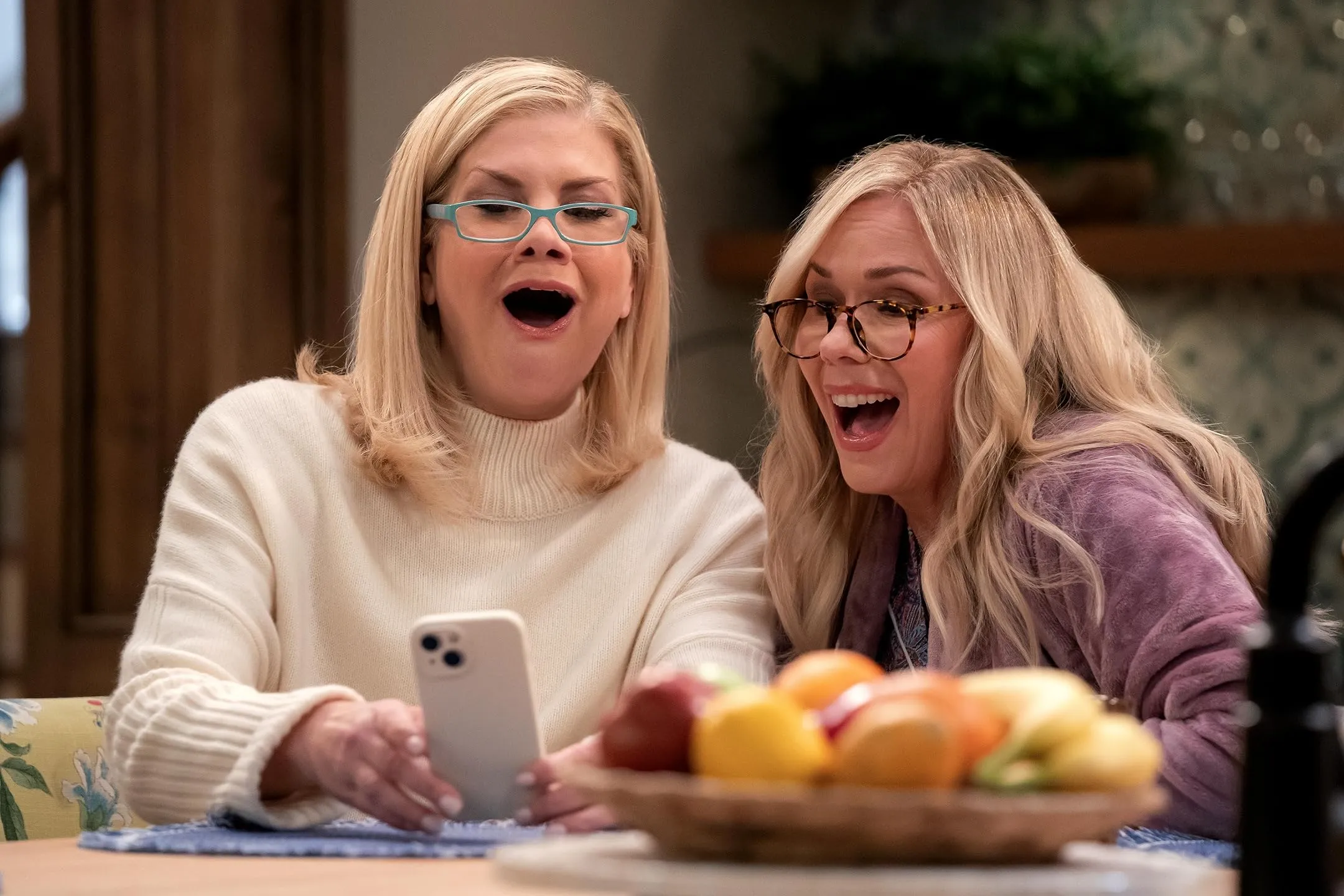
This format is not merely nostalgic; it is engineered for a different kind of viewing. It doesn’t demand the rapt attention of a serialized prestige drama. Instead, it offers a comfortable, low-stakes experience well-suited to the modern era of second-screen viewing. The involvement of co-creator Chuck Lorre, the undisputed king of the 21st-century sitcom, is the ultimate seal of approval for this approach. His name signifies a brand of comedy that is accessible, reliable, and capable of generating enormous viewership, a promise of safety and return on investment for the platform.
This embrace of a broadcast ethos extends to the show’s very structure. Its 16-episode season is a stark anomaly in a landscape dominated by six-to-ten episode arcs. This extended run allows the narrative to breathe, making space for episodes that are light on plot but rich in character moments—a luxury that tighter streaming formats cannot afford. It allows an audience to simply exist with the characters, fostering a deeper, more casual familiarity.
The show’s pacing mirrors this philosophy. An admittedly slow start, where early episodes are heavy with exposition, gives way to a more confident rhythm as the series progresses, mirroring Leanne’s own journey from hesitant divorcée to a woman finding her footing.
This patient storytelling, combined with a sub-20-minute runtime, makes the show incredibly consumable. It is television designed not as a singular, explosive event, but as a steady, comforting presence in a subscriber’s queue, a strategic move to build a long-lasting, rewatchable library.
Sisterhood as an Anchor in a Sea of Sitcom Tropes
While Leanne’s name is on the title card, the show’s true gravitational center is the fierce, funny, and deeply felt relationship between her and her sister, Carol. Portrayed with brilliant comedic physicality by veteran Kristen Johnston, Carol is the essential ballast for the entire series.
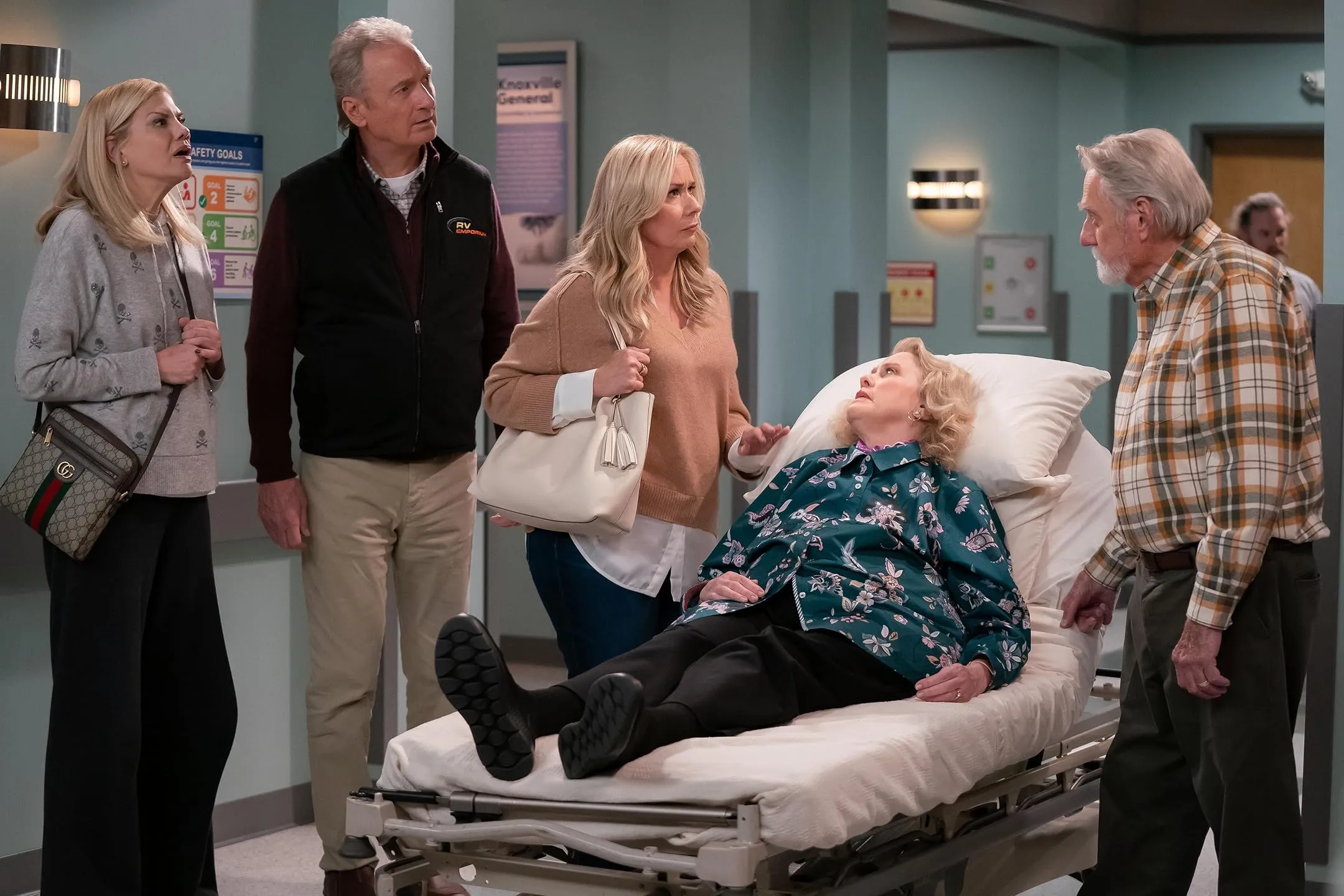
Her cynical, “cosmopolitan” worldview, forged in the fires of two divorces and a stint living in Chicago, provides the perfect acerbic counterpoint to Leanne’s gentler, more earnest disposition. Their dynamic is the engine of the show, a believable and aspirational depiction of female solidarity that grounds the comedy and elevates the emotional stakes.
Johnston’s performance is a masterclass in the art of the supporting role; she knows precisely when to take focus with an exaggerated eye-roll and when to cede the floor, her reactions often generating as much laughter as the scripted punchlines. This casting is a strategically sound decision, pairing a newcomer with a seasoned professional who can anchor their scenes with impeccable timing.
In contrast, the world around this central duo is populated by figures of varying dimension. The men in Leanne’s life are rendered with some nuance; her ex-husband Bill (Ryan Stiles) is more pitiable than monstrous, a hangdog figure whose departure is a source of grief but not pure villainy. A potential new love interest, Andrew (Tim Daly), is a grounded, refreshingly normal presence.
However, the other members of Leanne’s family often feel like placeholders, fulfilling sitcom roles without transcending them. Her children, the doted-on son Tyler and the “work in progress” daughter Josie, represent a generational divide that the show rarely explores with any depth, their problems introduced and resolved with minimal impact.
Likewise, her aging parents are mostly confined to one-note jokes about frailty and grumpiness. This is where the show’s commitment to being comforting holds it back from being truly insightful, opting for familiar archetypes over the messier, more complex reality of family dynamics.
The Quiet Comedy of Relatability
Leanne operates on a comedic frequency tuned for a specific, and often underserved, audience. Its humor is not built on biting satire or cultural commentary but on the powerful currency of relatability. The show finds its laughs in the shared experiences of middle-aged womanhood: the indignities of dating in a world of apps, the confusing signals of diet culture, and the universal frustration with difficult family members.
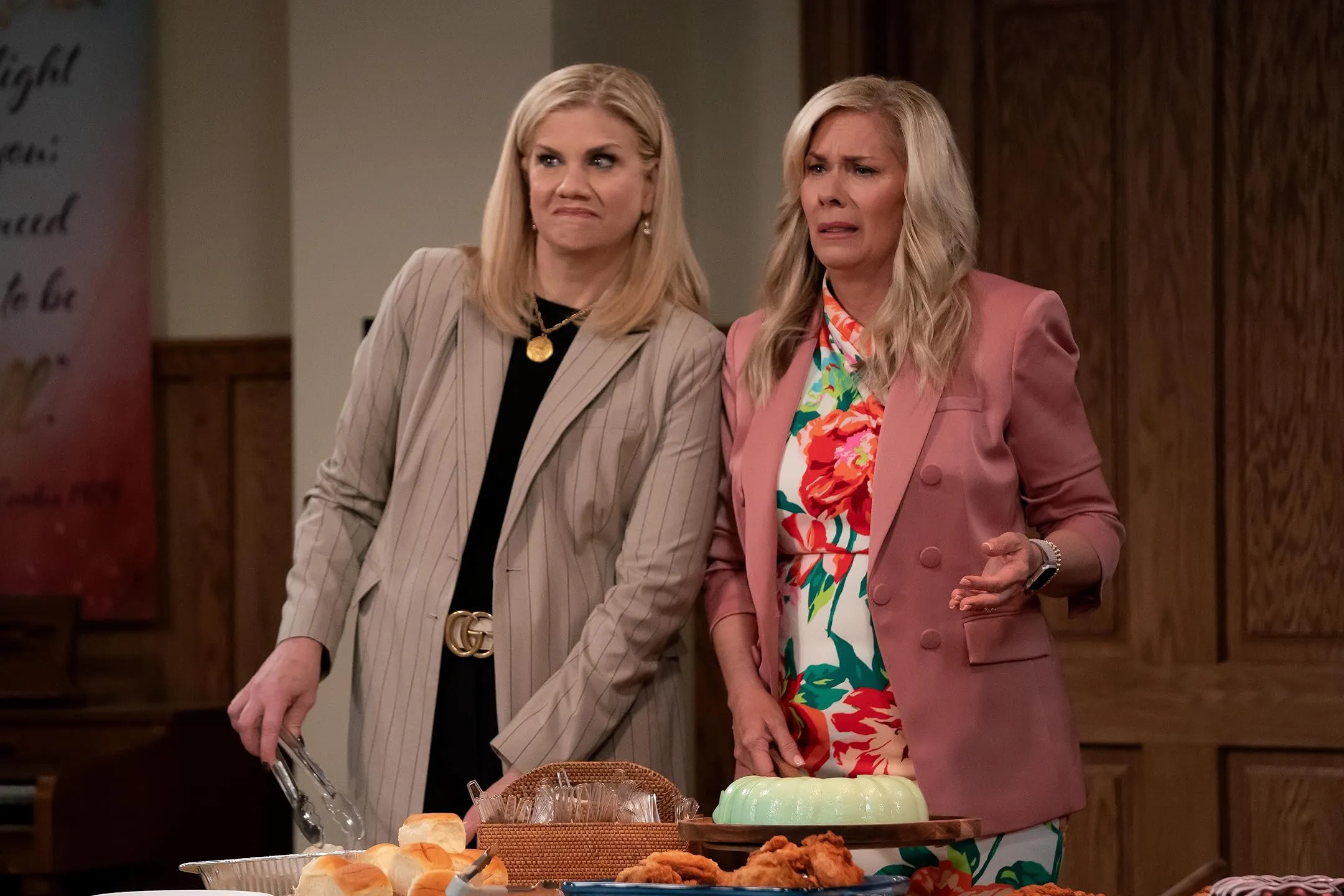
For its target demographic, seeing these everyday struggles and triumphs reflected on a major streaming platform is a potent form of validation. Jokes about menopause or CPAP machines are more than just punchlines; they are acknowledgments that these lives are worthy of comedic exploration. The show’s tone is consistently sweet and pleasant, choosing warmth over wit and gentle observation over sharp critique.
This commitment to a gentle tone has its limitations. While Morgan’s delivery often makes the material land with genuine charm, some of the jokes feel conventional and their paths to the punchline are well-trodden. The omnipresent laugh track, a key component of the show’s traditionalist appeal, can at times feel overly generous, signaling a joke with more force than it merits. Yet, to judge Leanne by the standards of groundbreaking comedy is to miss its purpose.
The show is not trying to reinvent the wheel; it is trying to perfect a classic model for a new era. It functions as a form of “comfort television,” a pleasant and reassuring space in an often-turbulent world. Its existence on Netflix is a testament to a shifting industry logic, one that is beginning to understand the immense value of serving loyal, niche audiences. It represents a quiet but significant move to cater to viewers who want to see themselves on screen, even if the reflection is framed in the familiar glow of a classic sitcom.
Full Credits
Director: James Widdoes, Andy Ackerman, Kristy Cecil, Rhiannon O’Harra, Nick Bakay, Nikki Lorre
Writers: Susan McMartin, Chuck Lorre, Leanne Morgan, Nick Bakay, Mark Gross, Julie Bean, John Jack O’Brien, Amy Hubbs, Alexandra Melnick, Anne Flett-Giordano, Kelly Farrell, Matthew McGeehan
Producers and Executive Producers: Chuck Lorre, Leanne Morgan, Susan McMartin, Nick Bakay, Judi Marmel, Russell Griffin
Cast: Leanne Morgan, Kristen Johnston, Ryan Stiles, Celia Weston, Blake Clark, Graham Rogers, Hannah Pilkes
Editors: Russell Griffin
The Review
Leanne
Leanne is a calculated and successful piece of comfort television, translating its star's folksy charm into a familiar sitcom package. While its reliance on conventional tropes and underdeveloped supporting characters prevents it from being groundbreaking, the powerful chemistry between Leanne Morgan and Kristen Johnston makes it a genuinely warm watch. The series expertly serves an underserved demographic, proving that sometimes the most strategic move in the streaming wars is a tactical retreat to the familiar. It’s a show that knows exactly what it is and delivers it with quiet confidence.
PROS
- The warm, believable chemistry between stars Leanne Morgan and Kristen Johnston forms a strong emotional core.
- Effectively serves an older female demographic with gentle, relatable humor rooted in midlife experiences.
- Leanne Morgan’s charming and authentic comedic delivery elevates the material.
- The extended 16-episode season allows for a relaxed, comfortable pace of character development rare in streaming.
CONS
- Often relies on conventional sitcom formulas and telegraphed punchlines.
- Many supporting characters, particularly the children, feel one-dimensional and underutilized.
- The initial episodes suffer from slow pacing as the show finds its rhythm.
- The star’s inexperience as a dramatic actor is apparent in more emotional scenes.