
























![Kingdom Hearts Collection [I-III] Review](https://gazettely.com/wp-content/uploads/2026/10/Kingdom-Hearts-Collection-I-III-1-360x180.webp "Kingdom Hearts Collection [I-III] Review: KHII Holds Steady as Newer Entries Fluctuate 37")



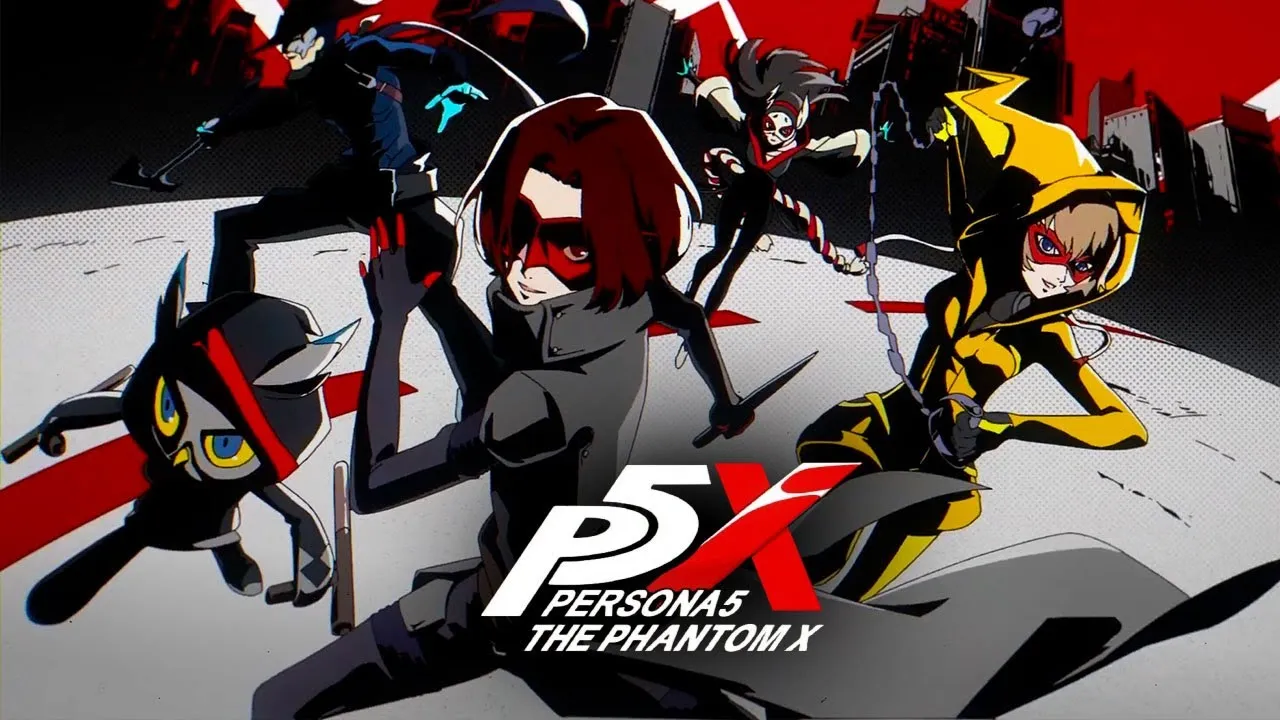

The Persona 5 brand has become a titan in the RPG space, so it was only a matter of time before it received the free-to-play treatment. Persona 5: The Phantom X is that inevitable evolution, a gacha game that attempts to distill the essence of its celebrated predecessor for PC and mobile platforms.
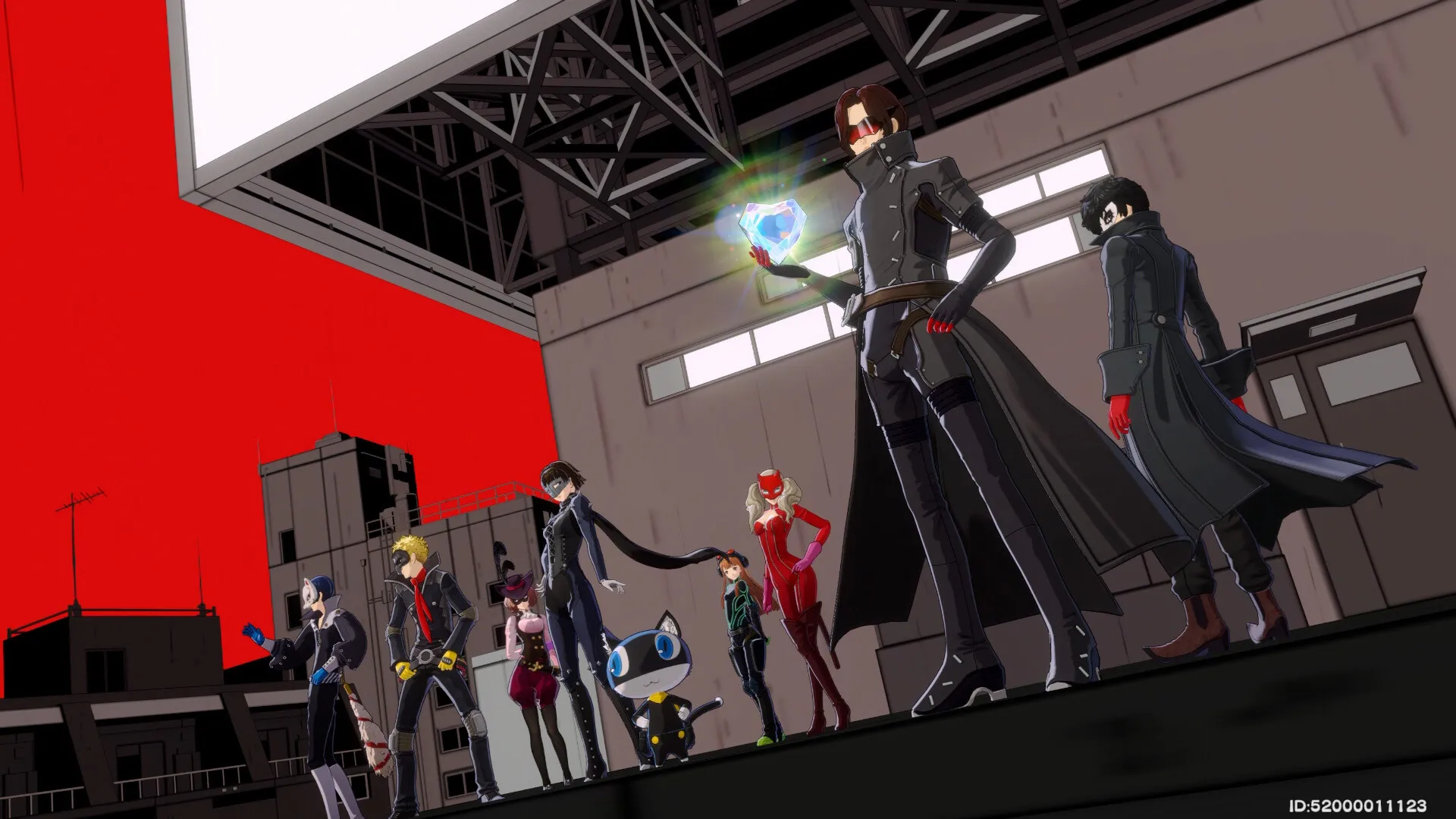
The game quickly establishes a sense of familiar dissonance, opening with a scene reminiscent of Joker’s casino heist before introducing its own hero. Players step into the shoes of a new protagonist, codenamed Wonder, who, alongside a wise owl companion named Lufel, navigates a slightly altered Tokyo. The familiar Shujin Academy is replaced by Kokatsu Academy, and a fresh cast of high schoolers is ready to take up the Phantom Thief mantle.
This new crew operates with a different mission. Where the original Phantom Thieves fought to expose the corrupt desires of powerful adults, this group confronts a more insidious societal ailment: a widespread loss of hope and ambition.
The central conflict revolves around a world succumbing to apathy, where people have had their desires stolen. Wonder and his team must dive into the Metaverse not to change hearts, but to return what was lost and rekindle the drive for change in a society that has given up.
A New Generation of Thieves: Story and Characters
The Phantom X shifts its narrative focus from the targeted rebellion of its predecessor to a broader examination of societal malaise. The game trades the theme of corrupt, power-hungry adults for a world afflicted by apathy and a collective loss of desire.
This thematic change gets off to a rocky start with its first major antagonist, Takeyuki Kiuchi, a disgraced baseball player whose villainous act is aggressively bumping into women on the subway. His characterization is so cartoonishly vile that the arc feels more like a strange parody than a serious commentary, though the story does find a more compelling footing with later antagonists.
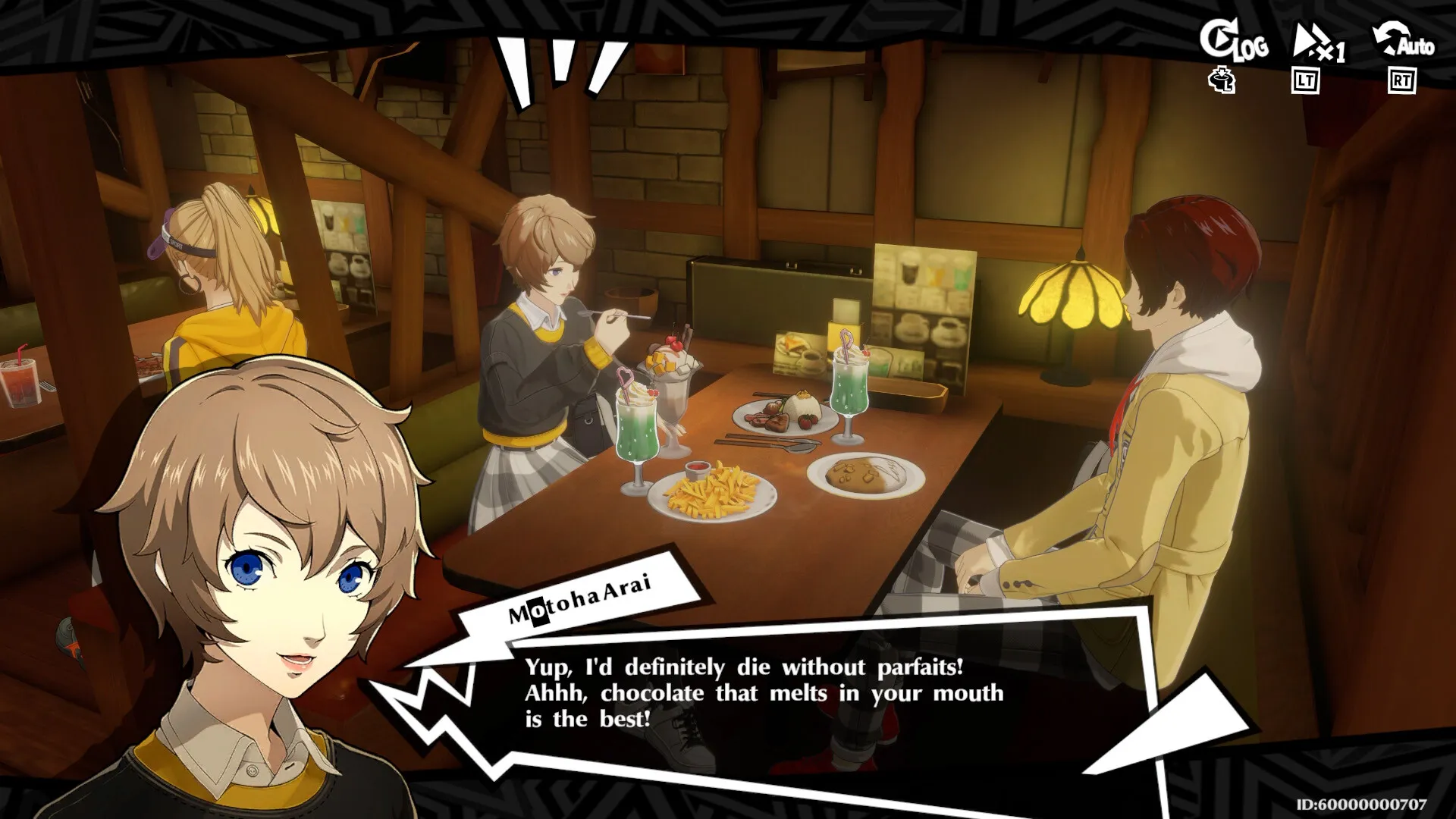
The new cast is tasked with navigating this world. The protagonist, Wonder, is a familiar blank slate for the player to inhabit, supported by his owl companion, Lufel. The early story is largely carried by Motoha Arai, a spirited baseball prodigy whose personal connection to the first palace gives her a strong introductory arc. She is joined by other characters like the standoffish foodie Shun Kano, forming a new team of thieves.
Where the roster truly expands is through the “Phantom Idols” system, a clever narrative justification for its gacha mechanics. These are not canonical Persona users but cognitive manifestations of people Wonder meets, allowing them to fight in the Metaverse.
This system opens the door for a diverse and unconventional set of party members far beyond the typical high school archetypes. Players can recruit characters like Kayo Tomiyama, a 44-year-old housewife who still uses dated slang from her youth, or Haruna Nishimori, a brilliant 10-year-old. This mechanic allows the game to build a wide-ranging cast without straining narrative logic.
The Phantom X Gameplay Loop: Dungeon Crawling and Combat
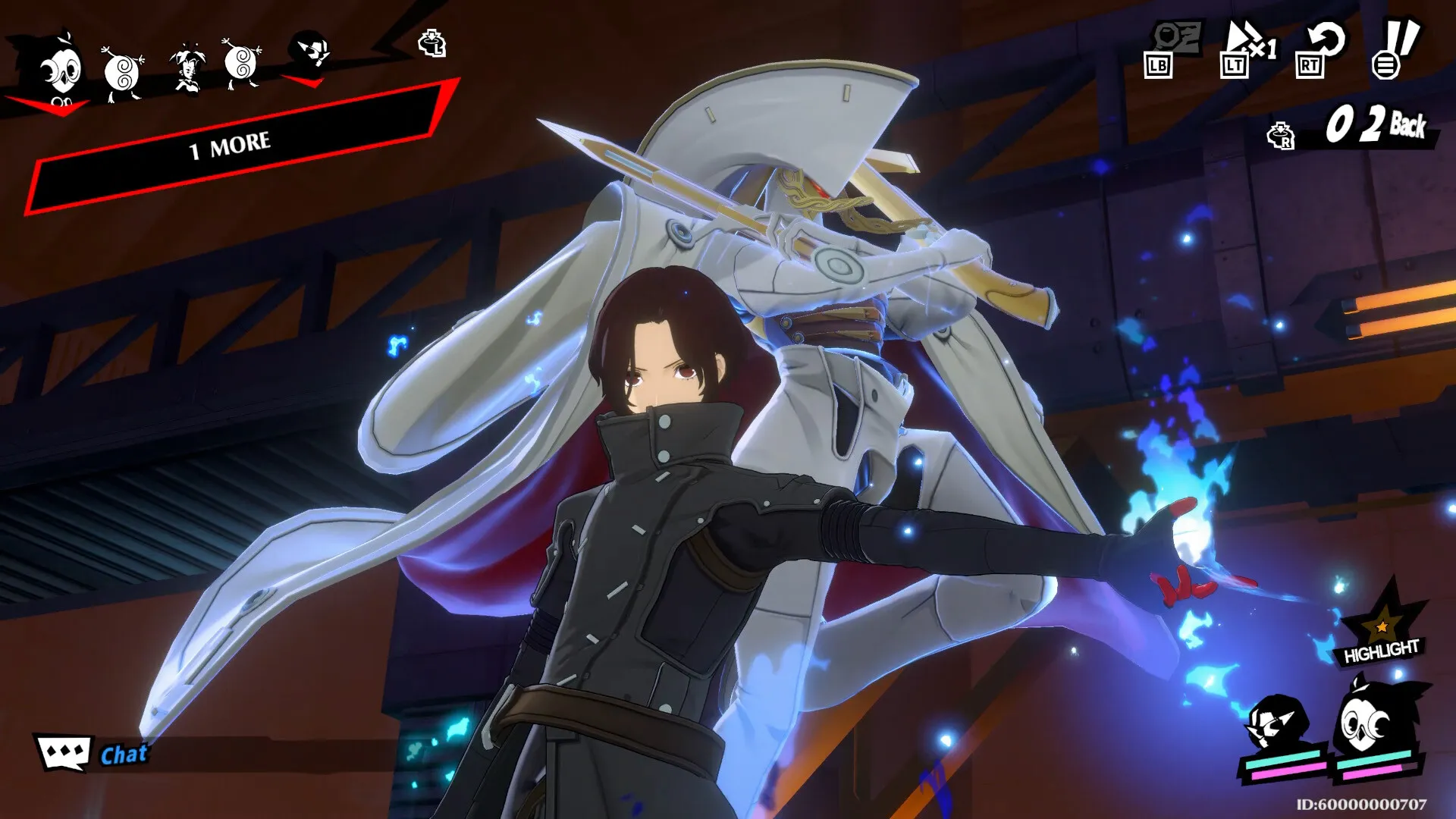
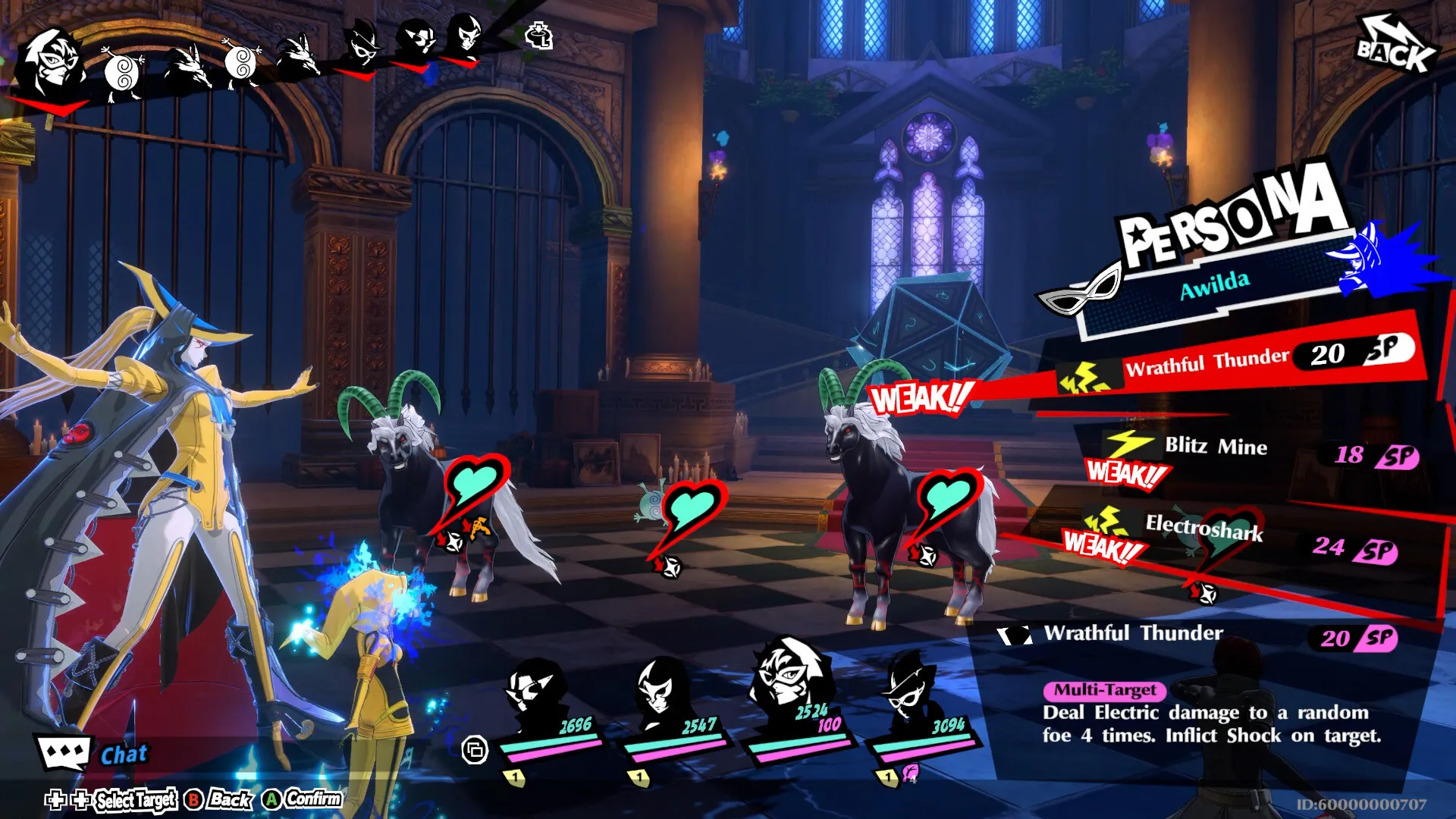
At its core, the combat in The Phantom X will feel instantly familiar to any series veteran. The turn-based system is built on the classic foundation of exploiting enemy weaknesses with corresponding elemental and physical attacks. Downing a foe still opens the door for a tactical advantage, but the “One More” system has been significantly tweaked.
Instead of granting a full bonus turn as it did in Persona 5, hitting a weakness now prompts you to select a teammate for an immediate follow-up strike. This modification subtly shifts the strategic focus from individual character power to smart team building, rewarding players who construct a party with wide elemental coverage to chain attacks together. Adding another layer is the “Highlight” system, a special attack gauge that fills over time, allowing characters to unleash powerful moves that can turn the tide of a battle.
Character customization sees a similar streamlining. While the protagonist Wonder retains the iconic Wild Card ability to wield multiple Personas, the rest of your party members have fixed skill sets. This design choice means you can’t fine-tune every character’s abilities, placing a greater emphasis on composing a balanced team from the start.
Persona fusion does return in the Velvet Room, but it’s a more restricted version of the deep system fans know, limiting the extent of customization. This approach simplifies the teambuilding process, making it more accessible for a mobile-first experience but sacrificing some of the depth from the mainline entries.
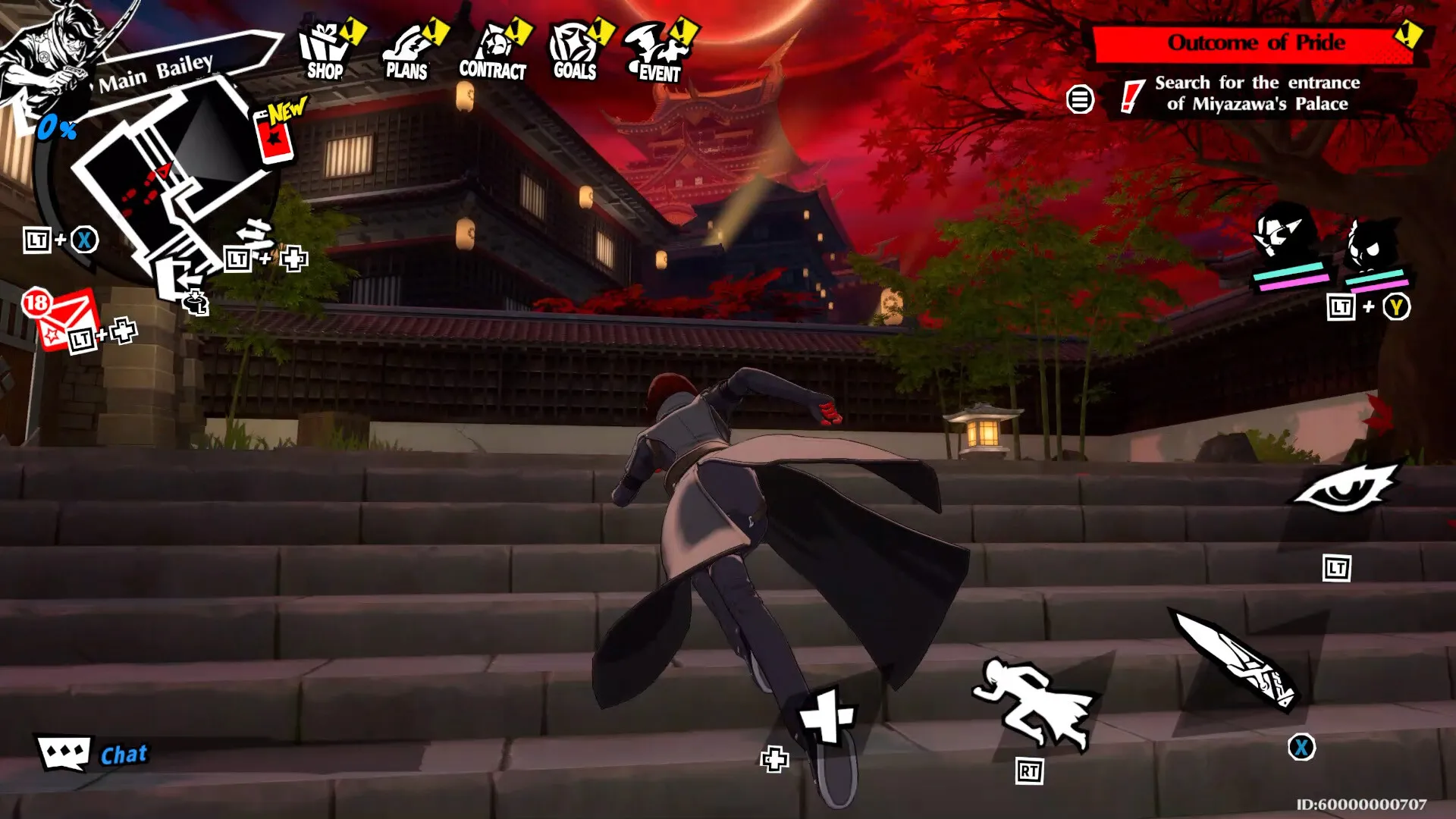
When it comes to dungeon crawling, the Palaces are impressively large and intricate, featuring increased verticality and exploration that feels influenced by both Persona 5 and its action-RPG sequel, Strikers. These dungeons are even replayable after their rulers have been defeated, adding value for grinding materials. However, not all design choices land perfectly; some puzzle gimmicks, like a repetitive camera-based mechanic in one palace, feel more tedious than clever.
Mementos, the sprawling collective unconscious, has also been completely reimagined. It is no longer a massive, randomly generated dungeon for side quests. In The Phantom X, Mementos is a structured, progression-based area that players must navigate to find new Palaces and advance the main story. This change makes it a more focused and integral part of the gameplay loop, though it loses the feeling of being a vast, optional space for exploration and discovery.
Living a Double Life in Tokyo: Social Simulation
The signature life-simulation element of the Persona series returns in The Phantom X, but with a fundamental alteration to its rhythm. The strict, unforgiving calendar of the mainline games is gone. In its place is a flexible system where players can freely advance time between daily slots like ‘afternoon’ and ‘evening’. This change is a double-edged sword.
On one hand, it provides immense convenience, allowing you to easily complete side quests or activities with specific time requirements without fear of missing a deadline. On the other hand, it completely removes the strategic tension that defined Persona 5’s social loop. The constant pressure of balancing dungeon crawling with social links and stat-building is lost, making the day-to-day decisions feel less impactful.
Building your character’s social standing is still a primary goal. The five core social stats—Guts, Charm, Knowledge, Proficiency, and Kindness—are back, increased by engaging in various activities around Tokyo. The Confidant system has been rebranded as “Synergies” and expanded to a lengthy 20-rank progression. While this suggests more content, the implementation can feel padded.
Many of the rank-ups lack the meaningful narrative scenes that made the original’s relationships so memorable, instead offering simple numerical progress that gives the illusion of growth without the emotional payoff.
When you’re not in the Metaverse, you can spend your limited daily action points on a variety of city activities, from working part-time jobs to studying or spending time with your associates. The game also includes several minigames to pass the time.
You can head to the batting cages for a few swings or engage in a rather clunky soccer challenge. The standout addition is the Tycoon card game, ported over from Persona 5 Royal, which remains a surprisingly deep and enjoyable diversion from the main loop.
The Gacha in the Machine: Monetization and Progression
No matter how successfully it emulates the Persona feel, The Phantom X is a gacha game first and foremost. This becomes apparent the moment you delve into its progression systems. The primary method for expanding your roster beyond the core story characters is through the gacha, where you use various tickets and currencies to pull for new “Phantom Idols” and their powerful, character-specific weapons.
The game uses a familiar banner system, with standard banners for a general pool of characters and limited-time banners featuring rarer, more desirable units like Joker from the original game. This system is propped up by a staggering number of different currencies for every conceivable action, from character pulls to weapon upgrades.
For anyone not already steeped in the genre, the sheer density of the economy is overwhelming and presents a steep learning curve, feeling very similar to the systems found in titles like Honkai: Star Rail.
The gameplay loop is fundamentally dictated by live-service mechanics designed for player retention. Your daily progress is limited by a 240-point energy system, which is consumed by nearly all meaningful Metaverse activities, such as grinding for upgrade materials or experience points.
This design choice is compounded by hard level caps that frequently halt your progress in the main story. When you hit one of these walls, your only option is to engage in the daily grind until you meet the level requirement. This structure actively discourages long, immersive play sessions and instead pushes players into a habit of short, daily check-ins to maximize their resource gain.
To its credit, The Phantom X has proven to be reasonably generous for a free-to-play title, offering a steady stream of currency just by playing through the story and completing missions. The developers have also made significant quality-of-life improvements to the gacha itself.
The frustrating 50/50 mechanic, where a player could lose a coin flip and receive a standard character instead of the featured one, has been removed from character banners. Furthermore, the pity system, which guarantees a high-rarity character after a certain number of pulls, now carries over between banners.
These changes make acquiring new characters more accessible and less predatory than in many competing games. Unfortunately, this leniency doesn’t extend to the weapon banners, which still use older, more frustrating systems.
Style and Presentation
Visually, The Phantom X is a remarkable success, perfectly capturing the iconic acid-jazz aesthetic that defined Persona 5. The slick character art, fluid animations, and stylish menus all feel authentic to the source material, creating an experience that looks and feels like a genuine series entry. However, this artistic integrity is frequently undermined by the user interface.
While the core menus retain their flair, the screen is often besieged by a cacophony of flashing buttons, limited-time offers, and notification icons—a hallmark of the gacha genre. This constant visual noise clutters the screen and can pull you out of the immersive world the art direction works so hard to build.
The sound design fares similarly well. The game features an entirely new soundtrack that, rather than simply recycling beloved tracks, composes original music that expertly captures the series’ high-energy, jazzy vibe. The voice acting is also strong and character-driven where it appears.
The problem is its inconsistent implementation. Many social interactions, especially in the later ranks of the “Synergy” system, are completely unvoiced. This absence leaves significant parts of the character-building experience feeling hollow and less impactful compared to the fully voiced conversations of the mainline games.
The Live Service Reality
Beneath the stylish veneer, The Phantom X is very much a live-service title still finding its footing. This is most evident in its technical state, particularly on PC. The port feels significantly less optimized than its mobile counterpart, suffering from performance issues like stuttering, occasional crashes, and clunky, unresponsive controller support.
These problems serve as a constant reminder that you are playing a game designed with a touch screen as its priority, a work-in-progress that lacks the polish of a dedicated console or PC release.
The game’s entire structure is built to foster long-term, daily engagement rather than deep, immersive sessions. The gameplay loop is dictated by daily, weekly, and seasonal missions that are critical for progression, fundamentally shifting the experience from a self-contained RPG epic into an ongoing hobby.
For a game built on this model, however, it is a surprisingly solitary affair. Beyond playing the Tycoon card game against others or visiting a basic social hub, there is a distinct lack of meaningful multiplayer content. The absence of co-op missions, raids, or other shared experiences feels like a major missed opportunity for a title in a franchise that has always emphasized the power of community and building bonds.
The Review
Persona 5: The Phantom X
Persona 5: The Phantom X is a visually stunning spin-off that masterfully captures the series' aesthetic and offers a smart, engaging combat system. Its identity, however, is torn between being a true Persona experience and a demanding gacha game. The compelling new story is frequently interrupted by a mandatory daily grind, complex monetization, and a structure that values retention over immersion. It is a worthy distraction for fans who can tolerate its free-to-play systems, but it can't escape the shadow of its mainline predecessor.
PROS
- Authentic Persona 5 style, from its art direction to its new jazzy soundtrack.
- Strategic and fluid turn-based combat with clever modifications to the "One More" system.
- An interesting new cast of characters and a narrative that explores fresh themes.
- The character gacha system is more generous than many of its peers.
CONS
- Progression is heavily gated by a restrictive daily energy system.
- Social simulation feels padded and lacks the tension of the original games.
- The user interface is cluttered, and the economy has an overwhelming number of currencies.
- The PC port suffers from technical issues and poor controller support.







