












The American cultural landscape is littered with the ghosts of the Kennedy dynasty, but none haunt the imagination quite like John F. Kennedy Jr. He exists less as a historical figure and more as a perpetual cultural artifact, a symbol of promise frozen in time. Decades after his death, the fascination persists, feeding a cottage industry of remembrance.
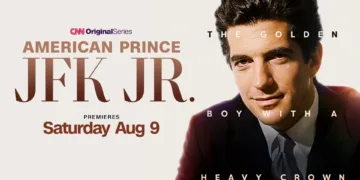
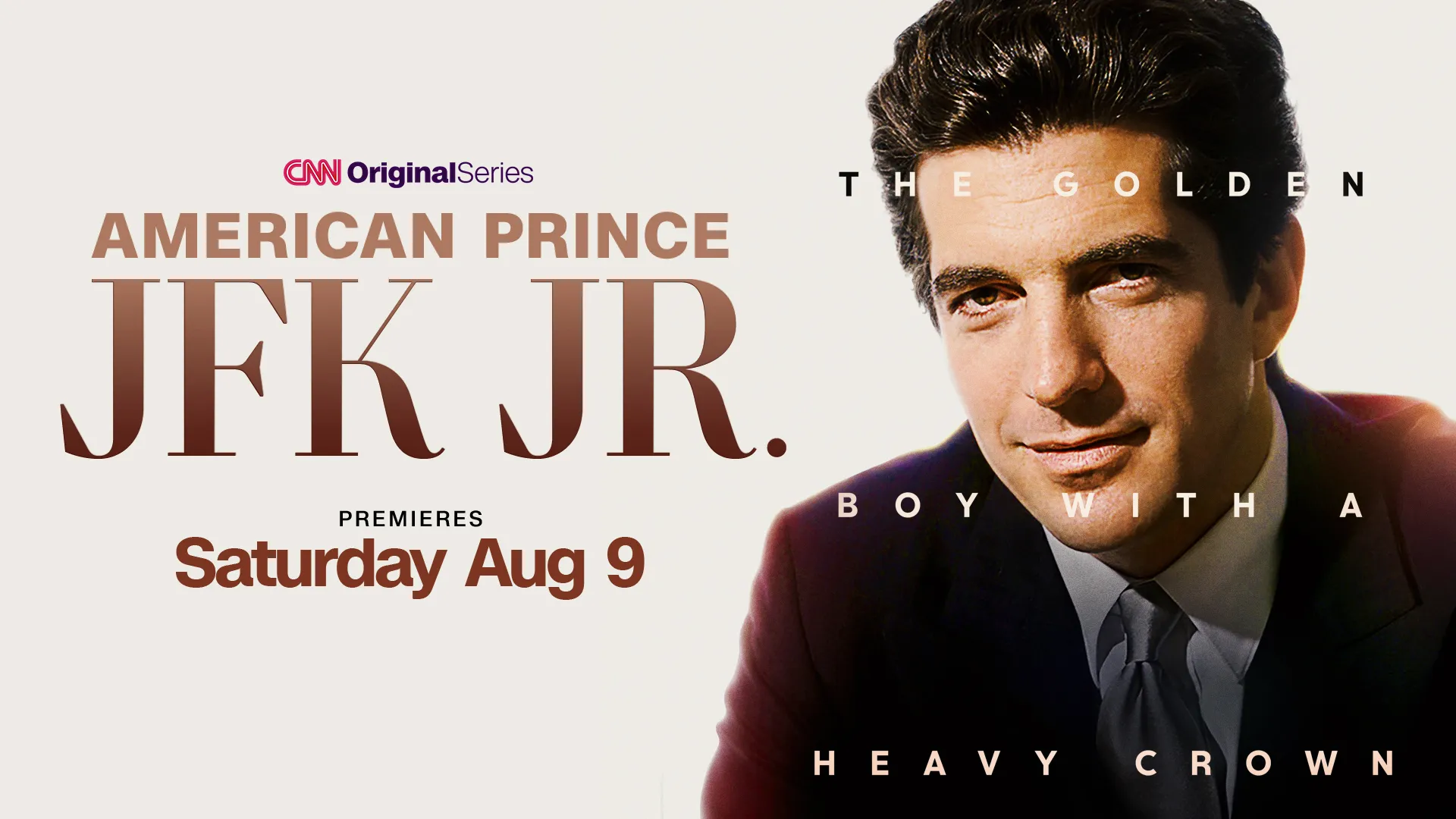
The latest entry is CNN’s three-part docuseries, American Prince: JFK Jr., a polished and comprehensive revisit of a life lived under the relentless glare of a global spotlight. The series positions itself as an effort to see beyond the tabloid nickname “John-John” and the tragic headlines that defined him.
It attempts to excavate the man from the myth, framing its narrative around the central conflict of his existence: the lifelong struggle to forge a personal and professional identity against the crushing weight of a name that was never truly his own.
The Gilded Cage of Camelot
American Prince anchors its story in the indelible image of a three-year-old boy saluting his father’s casket, an act that sealed his fate as public property. The documentary effectively uses archival footage and commentary to argue that a nation’s hopes were immediately projected onto him, transforming a child into a living monument.
The series unpacks how this single moment created a lifelong narrative from which he could never escape. He became a repository for a nation’s grief and its longing for a lost era of supposed elegance and optimism. From this starting point, the series examines his determined, almost desperate, pursuit of normalcy in a life that was anything but normal. We see his time at Brown University and NYU School of Law, periods where he attempted to blend in, only to find his every move scrutinized.
His very public struggles with the New York bar exam are a key focus. The media’s gleeful documentation, with headlines like “Hunk Flunks,” is shown not just as simple reporting, but as a form of cultural theater. It fed a public appetite for seeing the mighty stumble, a small crack in the perfect facade of American royalty.
His choice to live in Tribeca, then a still-gritty frontier for the wealthy, is presented as a significant act of rebellion. Rollerblading through its streets, playing football in public parks with friends, and riding his bike around the city were all conscious efforts to detach from the rarefied air of his family’s Upper East Side world. He was actively trying to author a different kind of life, one defined by the rhythm of the city instead of the insular protocols of the Kennedy clan.
This quest for an ordinary life was perpetually undercut by the reality of his fame. The series introduces the “JK Factor,” a term used by friends to describe the inescapable privilege his name and astonishing good looks afforded him. Doors opened automatically. Rules were bent. This special treatment, while beneficial, also served as a constant reminder of his otherness. It was a golden barrier that prevented any true experience of the normalcy he craved.
He was a man who sought anonymity yet was named People’s “Sexiest Man Alive,” a title that further cemented his status as a beautiful object for public consumption. He tried to be an everyday New Yorker while his relationships with famous actresses like Daryl Hannah and Sarah Jessica Parker were cataloged like royal pairings. This duality is central to the documentary’s portrait, showing a man attempting to stay grounded while living an extraordinary life, navigating his gilded cage with a mixture of grace and visible effort.
Pop Culture Politics and the Pre-Digital Prophet
At the center of JFK Jr.’s search for selfhood was George, the magazine he founded in 1995. The documentary presents this venture as his most ambitious attempt to control his own narrative and make a mark that was uniquely his. To understand the magnitude of this act, the series implicitly reminds us of the media landscape of the mid-1990s.

This was the absolute zenith of print, a time when magazines were powerful cultural arbiters and their editors were influential figures. The internet was a nascent curiosity, not the all-consuming force it is today. To start a magazine was to make a definitive statement.
His goal was to demystify politics by merging it with the gloss of popular culture, a concept both ahead of its time and deeply rooted in the memory of his father’s celebrity-filled presidency. He believed he could revive that exciting convergence for a new generation. George was a playful and earnest experiment, a tangible product of his optimistic worldview.
Its covers were brilliant, pre-internet attempts at virality. Featuring Cindy Crawford as a powdered-wigged George Washington was a witty commentary on American iconography and the nature of celebrity. Having Drew Barrymore reenact Marilyn Monroe’s famous birthday serenade was a postmodern wink at his own family’s mythologized history.
These choices were audacious and signaled the magazine’s intent to treat politicians as cultural figures and celebrities as politically relevant. The magazine’s tone was an optimistic fusion of Vanity Fair’s gloss and The New Republic’s substance, a hopeful vision for a less cynical public square. This idealism, however, quickly collided with harsh political realities.
The documentary expertly uses commentary from magazine industry veterans like Graydon Carter and Tina Brown to assess the project’s shortcomings. Their insights reveal that George’s “post-partisan” identity, while noble, was naive. It struggled to find its footing during the deeply polarizing Clinton-Lewinsky scandal, a moment that demanded a clear political viewpoint which the magazine was philosophically unable to provide.
The series highlights how JFK Jr.’s personal history created professional blind spots. His deep-seated discomfort with his own family’s past led him to kill stories on Fidel Castro and Oliver Stone after he felt personal agreements were broken. These decisions, viewed as principled by him, were seen as unprofessional by industry standards. They showed an editor whose personal baggage and sensitivities interfered with his publication’s mission, a man too close to his subject matter to maintain true journalistic distance.
The Flashbulb’s Cruel Glare
The documentary frames JFK Jr.’s marriage to Carolyn Bessette as the ultimate collision of his public and private worlds. Their relationship, beginning with a secret wedding orchestrated to evade the press after his mother’s death, immediately became a national obsession. They radiated a kind of effortless glamour that felt both modern and timeless, a quality that made them irresistible targets for the paparazzi.

The series sensitively explores the crushing weight of the media spotlight, focusing on Bessette’s profound and painful difficulty with the constant surveillance. She was a private person thrust into the most public of families. The media, frustrated by her refusal to play their game, labeled her the “Reluctant Princess,” a gendered critique of a woman who simply wanted to preserve her own identity.
This narrative finds chilling parallels in the treatment of other famous women, most notably Princess Diana, suggesting a pattern of media consumption that punishes women for not conforming to a cheerful, accessible public role. Archival footage of tense altercations with photographers shows the severe strain this scrutiny placed on their marriage. He was accustomed to the game; she was psychologically wounded by it.
American Prince constructs its final act around the couple’s stressful last summer, meticulously layering the mounting pressures they faced. The narrative weaves together multiple threads of anxiety. There was the professional stress from George, which was facing an uncertain future after the departure of his business partner, placing its financial and creative weight squarely on his shoulders.
There was the deep personal grief of watching his beloved cousin, Anthony Radziwill, succumb to terminal cancer. The documentary portrays their bond as exceptionally close, and the impending loss was a source of immense sadness. Finally, there was the unceasing and increasingly hostile tabloid attention, which had turned from adoration to a kind of predatory critique, scrutinizing their every move for signs of marital strife.
This period is presented as the tragic climax, a confluence of pressures that proved overwhelming. The plane crash that ended their lives is depicted not as a random accident, but as the final, tragic outcome of a life lived under impossible circumstances. The very machine he used to find a moment of freedom and escape became the instrument of his death.
An Affectionate Archive, A Cautious Critique
American Prince: JFK Jr. is ultimately a warm and affectionate “biographical bouquet.” It is more an act of remembrance than a critical investigation, choosing to honor its subject’s memory with a consistently gentle touch. Its primary objective is not to challenge the viewer but to comfort them with a story of thwarted promise. The series’ greatest strength is its masterful use of archival footage.
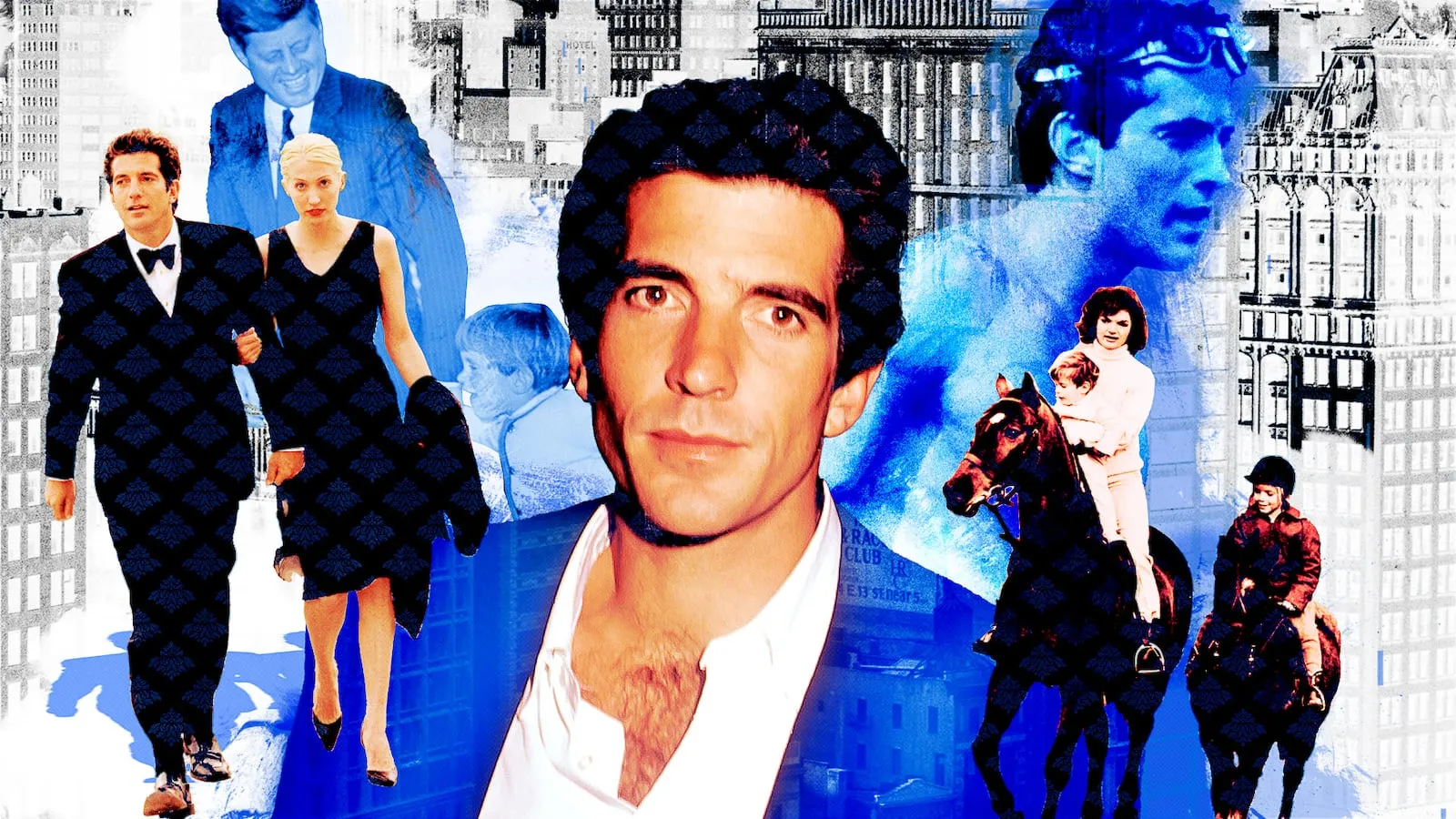
The filmmakers have curated a rich visual tapestry that captures the unique texture of 1990s celebrity culture, media, and politics. Through this footage, JFK Jr.’s undeniable charisma is palpable; you understand why a nation was so captivated. The selection of interview subjects, composed almost entirely of close friends, loyal collaborators, and admiring family members like Carole Radziwill and Robert De Niro, shapes this reverent tone.
Their moving, personal recollections contribute to a portrait that is rich in intimate detail but lacks a sharper critical edge. There are no dissenting voices, no historians to question the “Camelot” myth, no media critics to analyze the problematic nature of inherited celebrity.
This approach creates a beautifully rendered but fundamentally safe documentary. It offers a powerful reflection on the high cost of modern fame and the crushing weight of an inescapable legacy. It succeeds in humanizing a mythic figure, reminding us of the person behind the icon. Yet, one is left to wonder what it truly accomplishes. Does it offer new insight, or does it simply reinforce the familiar, tragic narrative?
The documentary seems to conclude that his story is a straightforward tale of a good man who was lost too soon. It avoids grappling with more complex questions about the nature of power, privilege, and the American obsession with political dynasties. The series successfully polishes a pre-existing myth for a new generation, leaving the impression of a handsome, well-intentioned prince, forever defined by the legacy he both honored and tried so desperately to escape.
The three-part CNN original series, American Prince: JFK Jr., premiered on Saturday, August 9, 2025, at 9 PM ET/PT on CNN. It explores the life and legacy of John F. Kennedy Jr..
Full Credits
Director: Rebecca Gitlitz
Producers and Executive Producers: Ian Orefice, Jon Adler, Amy Entelis, Lyle Gamm, Katie Hinman
Cast: Carole Radziwill, Gary Ginsberg, Hamilton South, Steve Gillon, Cindy Crawford, Robert De Niro, Graydon Carter, Tina Brown, Kurt Andersen
The Review
American Prince: JFK Jr.
American Prince: JFK Jr. is a beautifully crafted and deeply affectionate tribute. It succeeds as a moving immersion into the life of its subject, masterfully using archival footage to evoke both his personal charm and the unique media atmosphere of the 1990s. While compelling as a story of lost promise and the burdens of legacy, the series functions more as a warm remembrance than a critical documentary. It avoids challenging questions, offering a polished but one-sided portrait that will satisfy those seeking nostalgia but leave viewers wanting deeper analysis of the myth itself.
PROS
- Exceptional use of archival footage captures the era perfectly.
- Effectively conveys the charisma and appeal of JFK Jr.
- Features moving and personal testimony from close friends and colleagues.
- A well-structured narrative of a life defined by public pressure.
CONS
- Lacks critical perspective and challenging viewpoints.
- Functions as a reverent tribute rather than an objective analysis.
- Avoids deeper exploration of the complexities of the Kennedy legacy.
- The one-sided selection of interviewees creates a hagiographic tone.