
























![Kingdom Hearts Collection [I-III] Review](https://gazettely.com/wp-content/uploads/2026/10/Kingdom-Hearts-Collection-I-III-1-360x180.webp "Kingdom Hearts Collection [I-III] Review: KHII Holds Steady as Newer Entries Fluctuate 37")



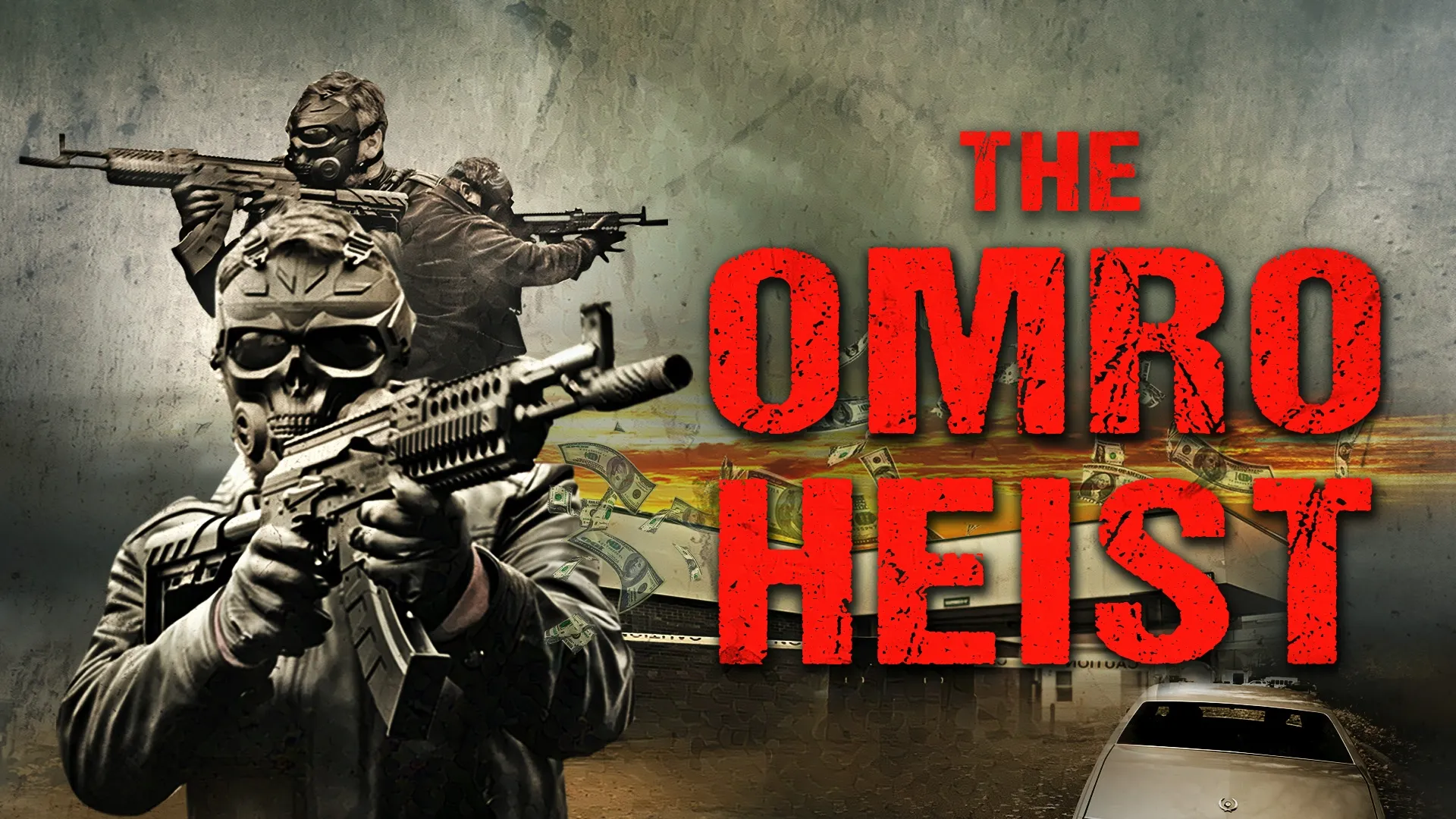

The Omro Heist plunges viewers into the sleepy, unassuming town of Omro, Wisconsin, only to shatter its peace with abrupt and brutal violence. The film builds on a classic premise: a bank robbery goes terribly wrong. This setup, a staple in global cinema, finds a distinct flavor in its American heartland setting.
The situation is complicated by the coincidental return of an FBI agent, Cole, who is in town for a tense breakfast with his estranged father, the town’s sheriff. This personal dynamic adds a layer of familial duty to the professional crisis. The film immediately establishes a tense, no-nonsense atmosphere.
It presents a singular, chaotic event with a directness that feels both intimate and unsettling, a style that resonates with the grounded, location-specific storytelling seen in regional Indian cinema, where a small town’s character is often central to the drama.
Faces of a Crisis: Heroes, Villains, and Victims
The film’s tension is anchored by its key performances, which give life to archetypes familiar across global crime stories. Simon Phillips, as the heist leader Gerard, is particularly effective. His portrayal is a study in controlled menace, using a quiet voice and unnerving stillness to project danger, a stark contrast to the often flamboyant antagonists of commercial Bollywood cinema.
Phillips, who also co-wrote the script, imbues Gerard with a believable arrogance, making him a calculating force of chaos rather than a simple brute. On the other side of the conflict, the father-son dynamic between FBI agent Cole (Damir Kovic) and Sheriff Johnson (Anthony Crivello) provides the story’s emotional core. Their strained reunion, set against the backdrop of a violent siege, forces a reconciliation between two worlds: the local and the federal, the personal and the professional.
This friction is a timeless narrative device, as powerful in a Wisconsin diner as it is in the family dramas of Hindi cinema. Inside the bank, Heather Arendt’s Maria stands out as a defiant hostage, representing the town’s unexpected resilience. She actively challenges her captors, subverting the passive victim trope and reflecting a modern trend toward more complex female characters in genre films. Her agency adds a vital layer of unpredictability to the standoff.
The Aesthetics of Authenticity
Director Jaime Bailey transforms the film’s budgetary limitations into a distinct stylistic advantage, a resourceful approach reminiscent of India’s celebrated parallel cinema movement. The decision to shoot entirely on location in Omro, Wisconsin, is central to this success.
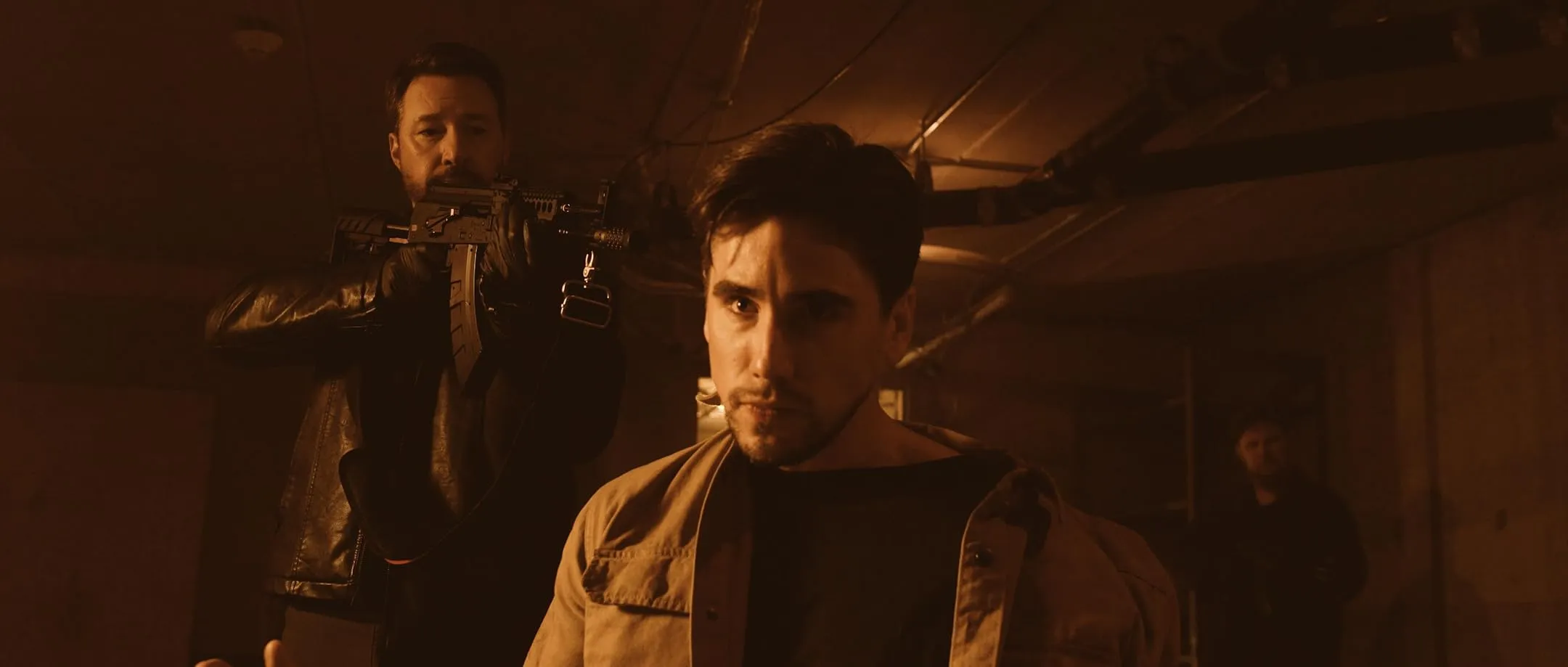
The town is not merely a setting; its specific architecture and lived-in feel provide a tangible reality that makes the erupting violence feel all the more jarring. This focus on “setting as character” brings a texture that manufactured studio sets cannot replicate. Bailey’s visual language deepens this atmosphere.
The sepia tones that wash over the bank’s interior are not just for mood; they create a sense of tainted nostalgia, as if the town’s quiet past is being violently corrupted in the present moment. The cinematography, marked by tight, close-up shots and long, unbroken takes, denies the audience a safe emotional distance.
This technique forces an immersive, claustrophobic experience, trapping the viewer inside the escalating crisis alongside the characters. The direction emphasizes suspense drawn from stillness and tense conversation, a bold choice in a genre that often defaults to constant action. This deliberate pacing demonstrates a confidence in the story’s inherent drama, a mark of skilled independent filmmaking found worldwide.
A Familiar Story with a Bloody Bite
The screenplay, penned by Bailey and Phillips, builds upon the sturdy foundation of the heist-gone-wrong subgenre, openly acknowledging its 1990s American crime film influences. Yet, its approach to homage is one of spirit rather than imitation.
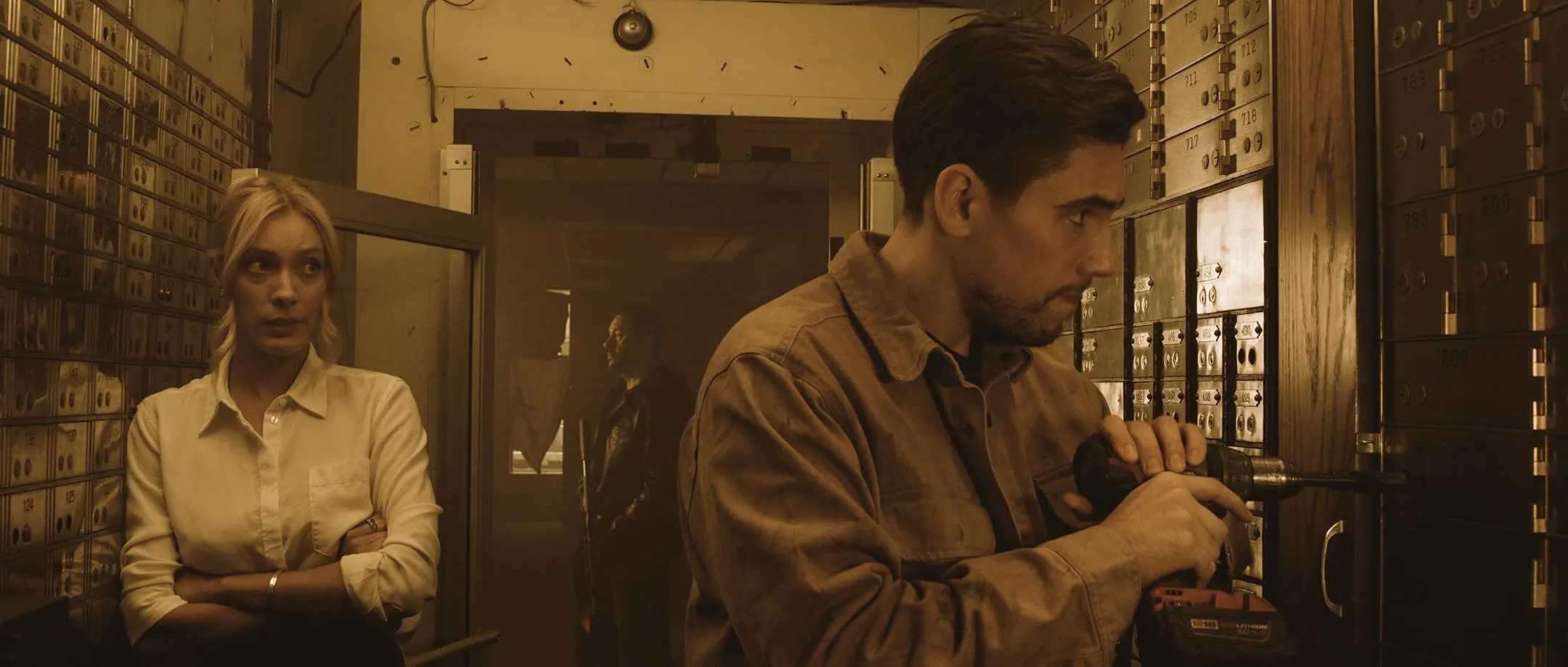
Unlike some Bollywood adaptations of the era that would inject Western plots with musical numbers and star-driven spectacle, The Omro Heist is more interested in capturing the gritty tone and cynical dialogue of its predecessors. The violence in the film is consequently shocking and realistic. It is never gratuitous; instead, it is blunt and consequential, with each injury and death palpably shifting the power dynamics within the bank.
This commitment to realism makes the stakes feel incredibly high. The narrative is ambitious, juggling the central heist, the father-son drama, and a subplot involving the town’s corrupt mayor. At times, the script struggles to maintain a consistent rhythm with these moving parts.
A key third-act reveal, for instance, feels more like a convenient narrative shortcut than a properly seeded twist, potentially lessening its impact. However, the film ultimately succeeds by embracing its limited scope. It is a taut, effective thriller that proves a compelling story can be found in the tensions of any community, large or small.
“The Omro Heist” is a crime thriller film set in a small Wisconsin town where a bank robbery goes wrong. The movie was filmed in Omro, Wisconsin, and features local landmarks. It had a limited theatrical release starting on January 20, 2025, and was released on video on demand and digital platforms on July 29, 2025.
Full Credits
Directors: Jamie Bailey
Writers: Jamie Bailey, Simon Phillips
Producers: Ken Bressers, Simon Phillips
Executive Producers: Anthony Crivello, Al Dias
Cast: Simon Phillips, Damir Kovic, Anthony Crivello, Mackenzie Jones, Ken Bressers, Nick Biskupek, Adam Huel Potter, Al Dias, Cali Felix, Heather Arendt, Justin Gordon, Tony Lee Gratz, Alicia Hinson, Kristen McCabe
Director of Photography (Cinematographer): Jamie Bailey
Editors: Jamie Bailey
Composer: Darren Morze
The Review
The Omro Heist
The Omro Heist is a tense and effective indie thriller that makes a virtue of its limitations. Anchored by a chilling lead performance and grounded by its authentic small-town setting, the film delivers palpable claustrophobia and shocking violence. While the script occasionally stumbles with pacing and convenient plot twists, its sharp direction and commitment to a gritty, realistic tone make it a compelling watch for fans of the crime genre. It’s a strong example of doing more with less, proving that high stakes don't require a high budget.
PROS
- A standout, menacing performance from lead antagonist Simon Phillips.
- The authentic Wisconsin setting adds a layer of realism and character.
- Tight, claustrophobic direction that effectively builds suspense.
- A gritty and realistic approach to violence that gives the story high stakes.
CONS
- Uneven pacing, particularly during some subplots.
- A few late-film twists feel unearned and convenient.
- Some elements feel derivative of 1990s crime thrillers.







