

























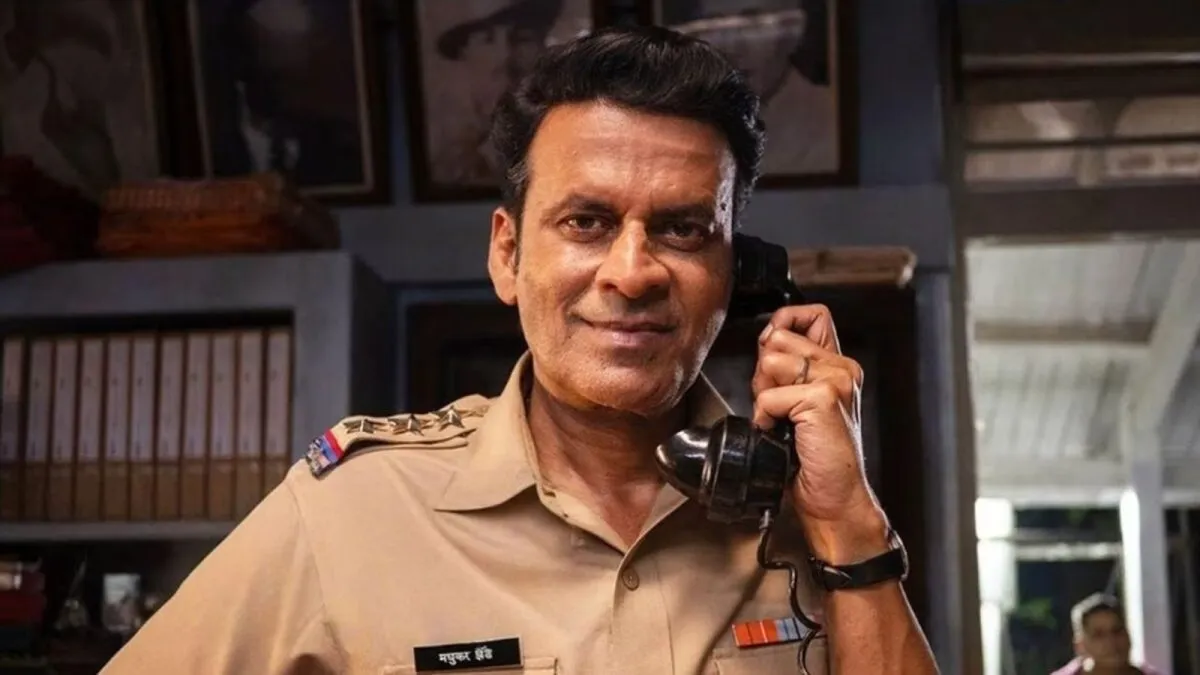

The criminal exploits of Charles Sobhraj have become a cottage industry for filmmakers worldwide, spawning countless adaptations that treat the notorious serial killer with an almost mythical reverence. Chinmay Mandlekar’s Inspector Zende attempts something different by flipping the narrative focus to law enforcement, specifically Inspector Madhukar Zende, the Mumbai police officer who captured the so-called “Bikini Killer” twice in his career.
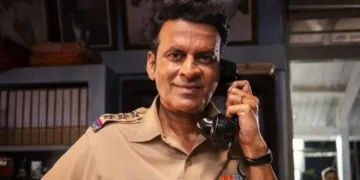
This Netflix release dramatizes the events following Sobhraj’s audacious 1986 escape from Tihar Jail, where he drugged guards with sedative-laced kheer and slipped away with four fellow inmates. The film rechristens the killer as Carl Bhojraj, played by Jim Sarbh, while Manoj Bajpayee embodies the methodical Inspector Zende. The narrative traces the cat-and-mouse chase from Mumbai to Goa, culminating in the famous arrest at O Coqueiro restaurant that made both the officer and the eatery local legends.
Mandlekar’s directorial debut represents a bold tonal gambit, attempting to marry dark criminal subject matter with observational comedy. The film positions itself as a police procedural with comedic overtones, drawing from India’s rich tradition of middle-class family dramas while tackling the internationally notorious case. This approach signals an interesting departure from the typical glorification of criminal figures in Indian cinema, instead celebrating the quiet heroism of law enforcement.
Performances: The Weight of Reality versus theatrical Flourish
Manoj Bajpayee anchors the film with a performance that embodies the everyday heroism of Indian police work. His portrayal of Zende strips away any romanticized notions of detective work, presenting instead a family man who approaches his dangerous job with methodical professionalism.
Bajpayee’s interpretation draws from his extensive experience in parallel cinema, bringing the same naturalistic approach that made him a standout in films like Satya. His Zende is refreshingly ordinary, a sharp-eyed investigator who corrects people on the pronunciation of his name (“with an h”) and treats his wife as “the commissioner” at home.
The domestic scenes between Bajpayee and Girija Oak as his wife Vijaya provide the film’s strongest emotional foundation. Oak brings genuine warmth to her limited screen time, creating believable chemistry that grounds the procedural elements in real human stakes. Their interactions reveal the personal cost of police work on families, a theme rarely explored in Indian crime cinema.
Jim Sarbh faces the nearly impossible task of inhabiting one of the world’s most infamous criminals while competing with decades of previous portrayals. Despite his physical transformation, complete with period-appropriate wig and affected French accent, Sarbh struggles to convey the magnetic menace that made Sobhraj so dangerous. His performance feels more like costume party theatrics than psychological complexity, lacking the oily charisma that allowed the real killer to manipulate victims across continents.
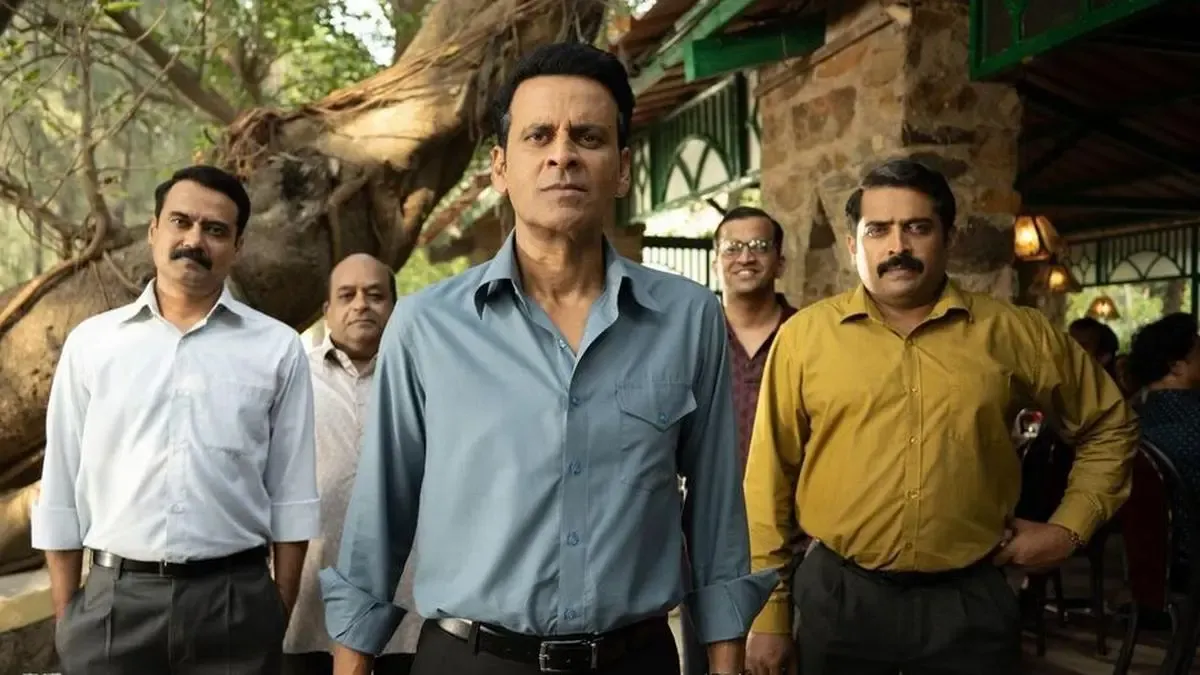
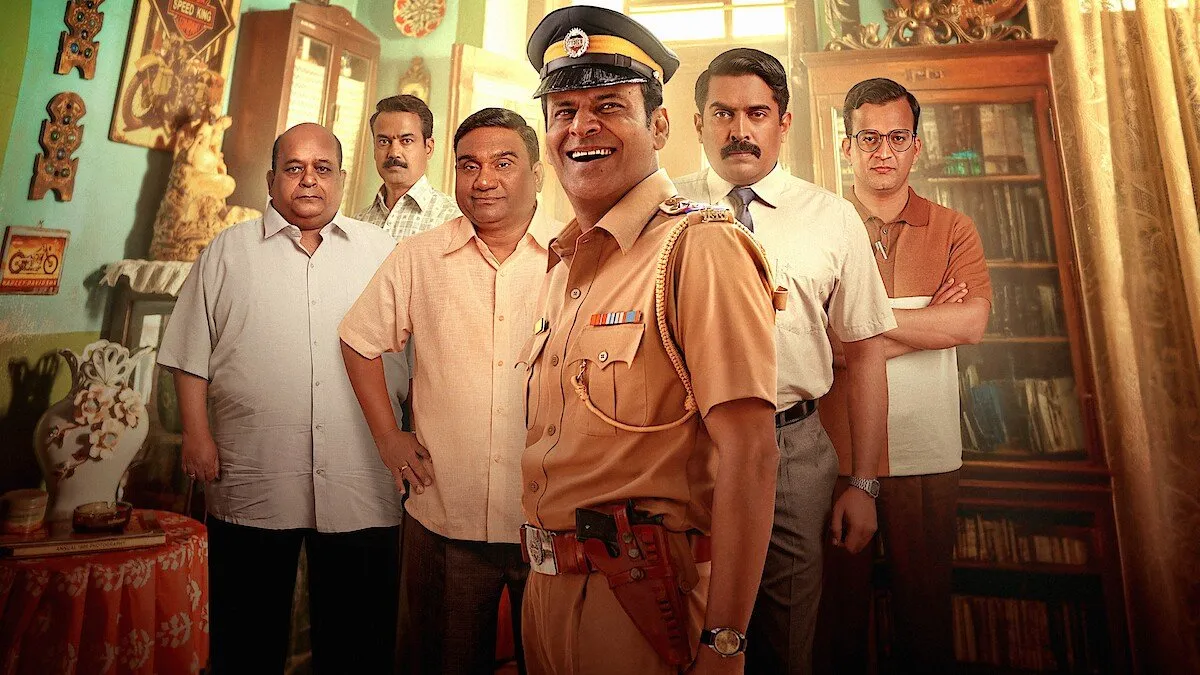
The supporting ensemble of Mumbai police officers, led by Bhalchandra Kadam’s Patil, brings authentic camaraderie to the investigation. These character actors, staples of Marathi cinema, inject naturalistic humor into procedural sequences, creating moments of genuine levity without undermining the seriousness of their mission.
Directorial Ambitions Meet Technical Limitations
Mandlekar’s decision to infuse comedy into serial killer material reflects a broader trend in contemporary Indian cinema toward genre hybridization. However, his execution reveals the delicate balance required for such tonal experiments. The film succeeds when comedy emerges organically from character interactions, such as Zende’s vernacular pronunciation of “Chantal” or the team’s bureaucratic struggles with expense accounts. These moments capture the absurdities of real police work with observational precision.
The serio-comic approach falters when it devolves into forced slapstick, particularly during the extended Goa sequences. The film’s pacing suffers from its nearly two-hour runtime, with comedic beats stretched beyond their natural breaking point. This reflects a common challenge in Indian commercial cinema, where international streaming platforms often encourage longer runtimes that don’t always serve the narrative.
Visually, the film demonstrates commendable attention to period detail. The production design successfully recreates 1980s India through careful costume choices, vintage vehicles like Ambassador cars and Yezdi motorcycles, and authentic location work. However, several anachronisms undermine this effort, most notably references to “Mumbai” in 1986, nine years before the city’s official name change from Bombay.
Vishal Sinha’s cinematography captures both the urban chaos of Mumbai and Goa’s hippie-era landscape without resorting to postcard tourism. The visual approach supports the procedural elements, maintaining focus on character interactions rather than flashy stylization. The technical craftsmanship remains solidly middle-budget, adequate for the story’s needs without achieving the polish necessary for international market competition.
Narrative Structure and Cultural Context
Inspector Zende adopts an episodic structure that mirrors actual police investigation methodology, following leads methodically rather than relying on dramatic coincidences. This approach reflects the influence of television procedurals on contemporary Indian cinema, creating a rhythm more suited to streaming consumption than theatrical experience. The investigation unfolds through small victories and setbacks, building tension through accumulation rather than sudden revelations.
The film’s treatment of its source material reveals interesting cultural attitudes toward authority and heroism. By celebrating Zende’s quiet competence over Sobhraj’s flamboyant criminality, Mandlekar aligns with a tradition of middle-class Indian cinema that values steady professionalism over dramatic gestures. This perspective offers a refreshing counter-narrative to the glamorization of criminal figures that dominates both Bollywood and international crime entertainment.
The arrest sequence at O Coqueiro restaurant, while historically significant, receives surprisingly understated treatment. This restraint may reflect the filmmaker’s desire to avoid sensationalizing violence, a commendable choice that nevertheless robs the climax of dramatic weight.
Inspector Zende functions best as a character study of institutional dedication, examining how ordinary individuals handle extraordinary circumstances. The film’s exploration of teamwork and bureaucratic persistence provides insight into Indian policing culture, though international audiences may miss some cultural nuances that would resonate more strongly with domestic viewers. The tonal experiment, while admirable in its ambition, lacks the precision necessary to fully succeed, resulting in a film that satisfies neither as pure comedy nor effective crime drama.
The film “Inspector Zende” premiered on Netflix on September 5, 2025. It is a crime comedy that follows a police officer as he attempts to catch a dangerous serial killer.
Full Credits
Director: Chinmay Mandlekar
Writers: Chinmay Mandlekar
Producers: Jay Shewakramani, Om Raut
Cast: Manoj Bajpayee, Jim Sarbh, Sachin Khedekar, Girija Oak, Bhalchandra Kadam, Vaibhav Mangle, Harish Dudhade, Onkar Raut
Director of Photography (Cinematographer): Vishal Sinha
Editors: Meghna Manchanda Sen
Composer: Sanket Sane
The Review
Inspector Zende
Inspector Zende presents an intriguing premise hampered by inconsistent execution. Bajpayee's grounded performance and the film's cultural authenticity provide solid foundation, yet Mandlekar's tonal gambit never fully coheres. The procedural elements work better than the forced comedy, creating a film that honors its real-life subject while failing to maximize its dramatic potential. A noble attempt that falls short of its ambitious goals.
PROS
- Manoj Bajpayee's naturalistic, compelling lead performance
- Authentic period detail and cultural specificity
- Fresh perspective focusing on law enforcement over criminal
- Strong supporting ensemble cast
- Solid procedural storytelling structure
CONS
- Inconsistent tonal balance between comedy and crime
- Jim Sarbh's theatrical, unconvincing villain portrayal
- Overlong runtime with pacing issues
- Forced slapstick undermines serious subject matter
- Historical anachronisms damage credibility