
















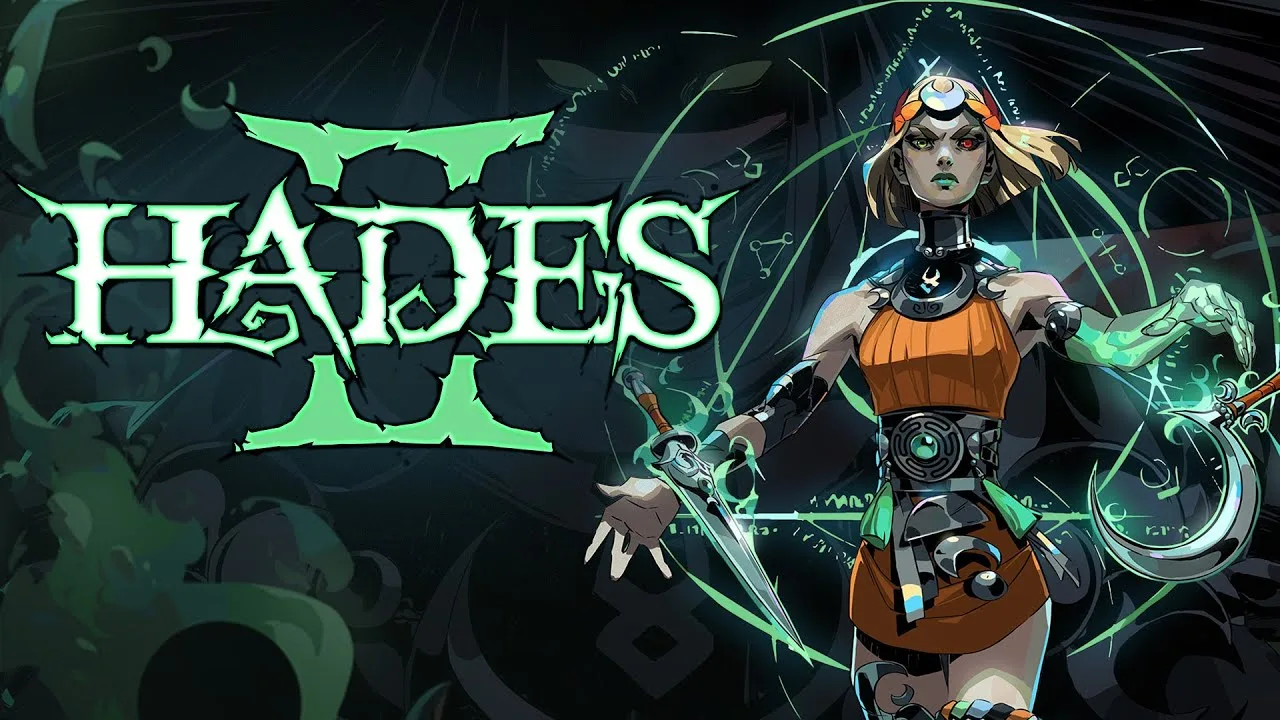

Supergiant Games faces a particular challenge with Hades II. How do you expand upon a formula that seemed perfect? The answer lies in understanding what made the original special while finding room to experiment. Hades II shifts focus from Zagreus’s rebellious escape attempts to his sister Melinoë’s desperate mission to save her family from Chronos, the Titan of Time who has seized control of the Underworld.
This change in protagonist brings a fundamental shift in tone and mechanics. Where Zagreus was a headstrong prince rebelling against his father’s authority, Melinoë is a witch raised specifically for one purpose: defeating Chronos and rescuing the family she never knew. The stakes feel higher, the emotional weight heavier. Supergiant has crafted a sequel that honors its predecessor while establishing its own identity through magical combat systems and dual-path progression.
The roguelite structure remains intact—you’ll die, return to your hub, grow stronger, and venture forth again—but the execution feels refined. After spending time in early access, the game emerges as a more complex, ambitious work that manages to avoid feeling overwhelming. The procedurally generated levels serve the narrative purpose while offering enough mechanical variety to keep runs feeling fresh across dozens of hours.
Family Bonds and Divine Politics
Melinoë’s story operates on multiple emotional registers simultaneously. Her quest to defeat Chronos drives the surface narrative, but the deeper currents involve a young woman trying to understand her place in a family she’s never truly known. Raised by Hecate at the Crossroads, she fights for parents and a brother who exist more as ideals than lived relationships.
Chronos makes for a genuinely menacing antagonist. He doesn’t simply oppose Melinoë—he taunts her with the possibility of family connection, dangling it like bait before snatching it away. His presence looms over every conversation and combat encounter, making each small victory feel earned. The writing treats him as more than a simple villain; he represents the theft of normal family experiences that defines Melinoë’s entire existence.
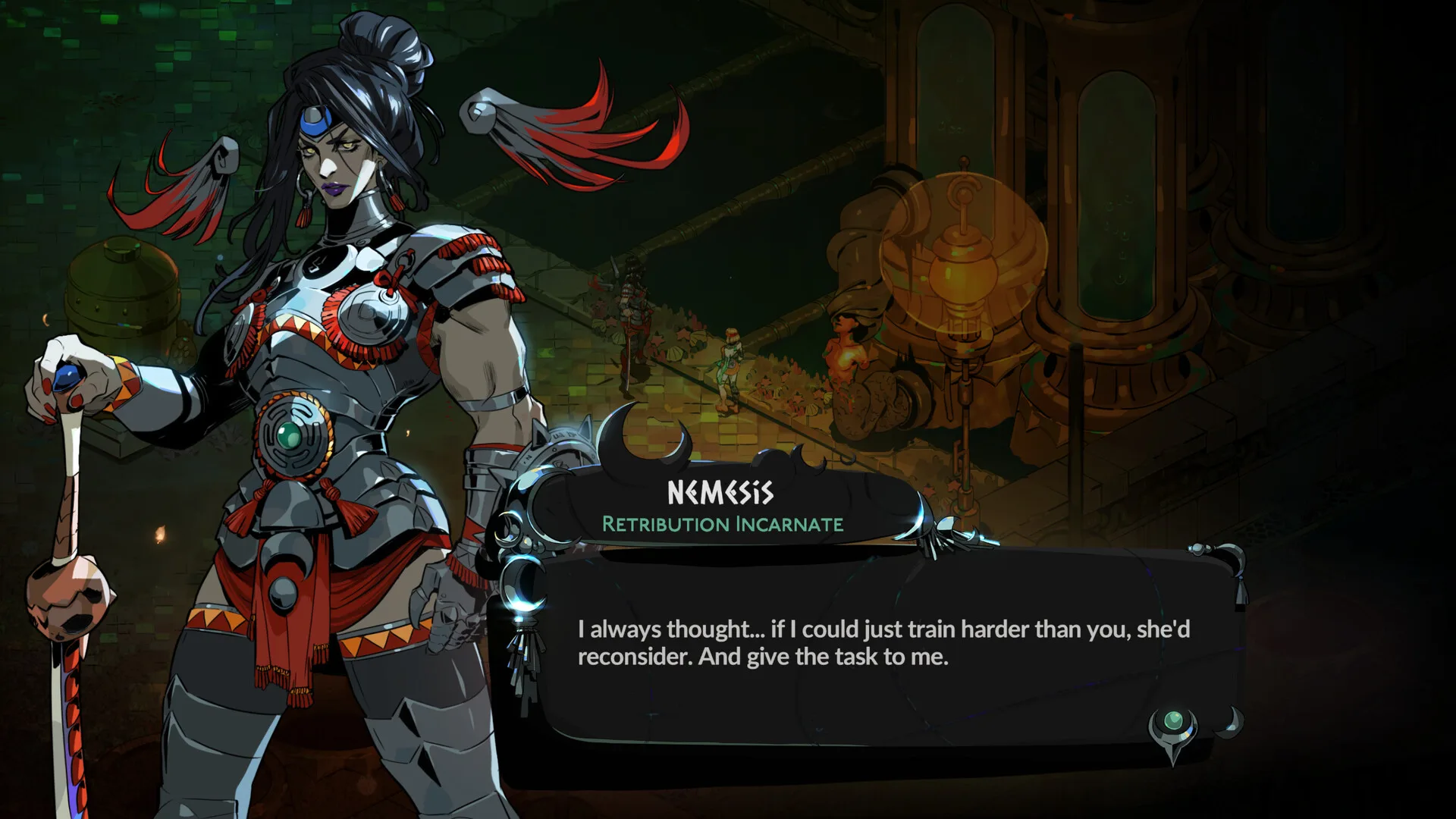
The supporting cast brings remarkable depth to their roles. Nemesis serves as both rival and potential romantic interest, her aloof demeanor hiding genuine care beneath layers of divine complexity. Hecate struggles with her role as surrogate mother, simultaneously wanting to protect Melinoë and prepare her for the impossible task ahead. The dialogue system captures these relationships with remarkable nuance, allowing characters to react to specific actions from recent runs while maintaining their individual narrative arcs.
Voice acting elevates every interaction. Each character feels distinct, from the gods’ grandiose pronouncements to the more intimate conversations at the Crossroads. The sheer volume of contextual dialogue creates the impression that the world responds organically to your choices. Characters comment on weapon selections, boon combinations, and even the manner of your defeats, creating a living narrative that adapts to your playstyle.
Greek mythology receives creative reinterpretation without losing its essential character. Familiar figures like Aphrodite and Zeus maintain their recognizable traits while new additions like Hestia and Selene bring fresh perspectives to the pantheon. The writing balances reverence for the source material with the freedom to explore new dynamics, creating mythological figures that feel both timeless and contemporary.
The Art of Magical Combat
Combat in Hades II demands a different mindset than its predecessor. Melinoë fights like the witch she is, emphasizing battlefield control and resource management over pure aggression. The magic system introduces a new layer of tactical consideration—every Omega attack and special ability consumes magical energy that regenerates between encounters, encouraging players to maximize their magical arsenal in each room.
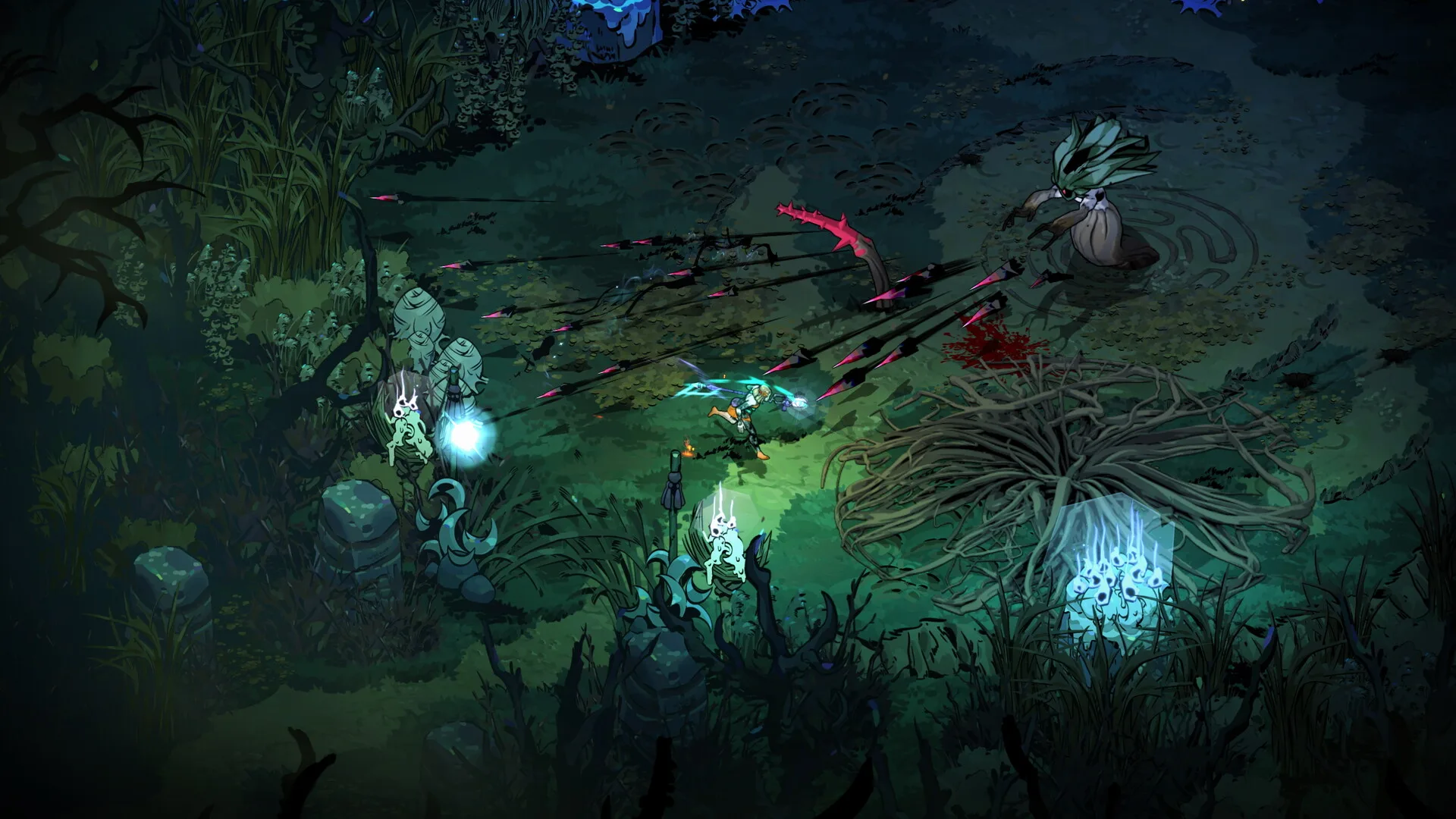
The sprint mechanic replaces the dash-heavy approach of the original. While Zagreus could dash repeatedly to avoid damage, Melinoë’s longer cooldowns force players to maintain momentum through sprinting, which can be enhanced with various boons. This seemingly small change ripples through the entire combat experience, making movement feel more deliberate while opening new strategic possibilities.
Weapon variety exceeds the original’s offerings. The Witch Staff provides a solid foundation for newcomers with its balance of range and safety, while weapons like the Sister Blades demand aggressive positioning for maximum effectiveness. The Moonstone Axe rewards timing and crowd control, and the Nocturnal Arms offer entirely different approaches to combat encounters. Each weapon feels distinct enough to warrant multiple runs exploring their potential.
The Omega attack system transforms familiar weapons into versatile tools. A slow, heavy axe can become a spinning whirlwind of destruction when channeled, while ranged weapons gain lock-on capabilities that turn single shots into devastating barrages. These alternative fire modes depend on magic management, creating interesting decisions about when to use standard attacks versus their enhanced versions.
Boss encounters showcase the combat system’s depth. Scylla and the Sirens stands out as a musical masterpiece where defeating individual band members changes the accompanying soundtrack in real time. The fight tests your ability to prioritize targets while managing multiple threats, and the thematic integration of music with mechanics creates memorable moments that transcend simple damage exchanges.
Enemy design supports the magical combat approach. Many foes are specifically designed to be countered by Melinoë’s Cast ability, which creates magical circles that trap and damage enemies. Learning to use these tactical elements effectively becomes essential for handling the more challenging encounters, especially in later biomes where enemy density and aggression increase significantly.
Systems Within Systems
The Crossroads serves as more than a simple hub—it becomes a character in its own right. Unlike the House of Hades, which felt like a functional space, the Crossroads grows and changes based on your actions. The incantation system requires players to gather resources and craft upgrades, creating a meaningful progression loop that extends beyond combat improvements.
Resource gathering initially feels tedious, requiring players to collect materials during combat runs when they’d rather focus on fighting. However, the system reveals its depth once you understand how different resources unlock new areas, characters, and abilities. The brewing cauldron becomes a focal point for experimentation, often requiring leaps of faith when crafting incantations with unclear outcomes.
The Arcana card system replaces the original’s mirror upgrades with something far more strategic. Instead of simple on-off switches, players build decks of cards that modify their runs in complex ways. The Grasp system limits how many cards you can equip, forcing meaningful choices about which bonuses to prioritize. Some cards work best in combination, creating synergistic builds that define your approach to each run.
Keepsakes and familiars add another layer of pre-run preparation. Animal companions provide both combat assistance and passive bonuses, while keepsakes from various characters guarantee specific types of boons or provide other mechanical advantages. The sheer number of preparation choices can feel overwhelming initially, but the game introduces these systems gradually enough to avoid decision paralysis.
The farming minigame and base customization options provide pleasant diversions between combat runs. Growing plants that yield crafting materials creates a sense of progress even during unsuccessful runs, while decorating the Crossroads makes the space feel more personal. These additions never feel mandatory, but they contribute to the sense that the Crossroads is a living space rather than just a menu system.
Paths Diverged in Shadowed Woods
The dual-path system represents Hades II’s most significant structural innovation. Instead of a single route through the Underworld, players can choose between descending toward Tartarus to confront Chronos directly or ascending toward Mount Olympus to break the siege there. This choice prevents the repetition that could plague extended play sessions.
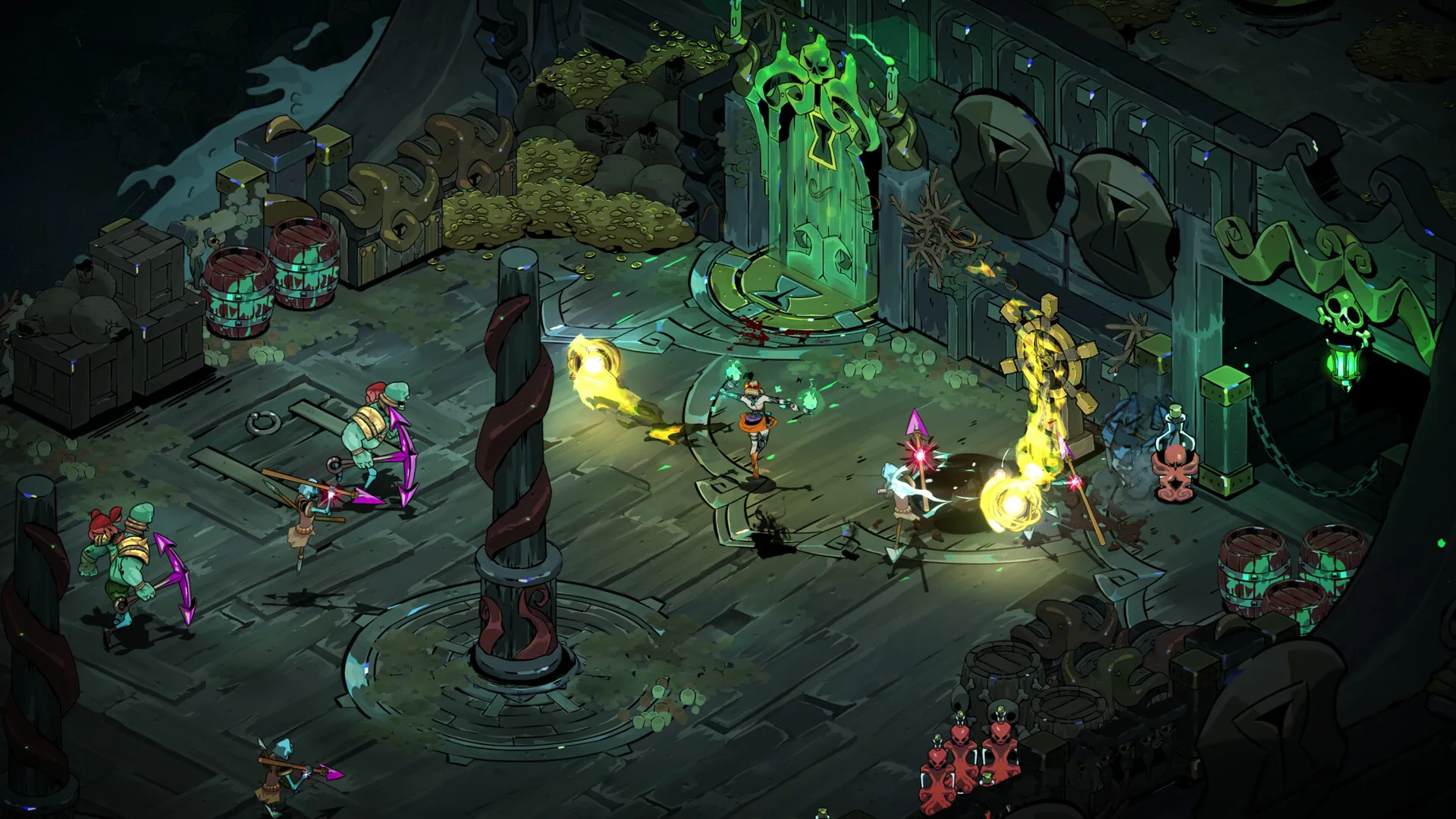
Each path maintains its own identity through distinct themes and challenges. The Tartarus route features familiar Underworld aesthetics with darker, more oppressive environments, while the Olympus path showcases brighter, more varied landscapes. The ability to alternate between paths means you’re rarely forced to repeat the same sequence of bosses and environments back-to-back.
Individual biomes break free from the original’s room-to-room structure in interesting ways. Ephyra presents a town square with multiple street battles, allowing players to choose which encounters to pursue and which rewards to claim before progressing. This departure from linear progression creates more agency in run planning without sacrificing the roguelite’s core unpredictability.
Environmental storytelling reaches new heights across both paths. The surface areas show the devastation of Chronos’s war, with scorched cities and displaced populations telling their own stories through visual details. The underwater sections of Oceanus create entirely different atmospheric challenges, while the mythological locations maintain their sense of wonder despite the ongoing conflict.
The structural innovations extend beyond simple variety. Different areas demand different tactical approaches—tight corridors favor certain weapon types while open spaces reward others. Environmental hazards like pools of burning oil force positional awareness, while some enemies can only be effectively countered using specific magical abilities. These design choices ensure that mastering one area doesn’t automatically grant success in others.
Visual Poetry and Musical Mastery
Hades II represents Supergiant’s most visually accomplished work. Character designs maintain the studio’s distinctive style while adding subtle animations that bring personalities to life. The glint of green light on Melinoë’s lip during conversations, the way characters shift and gesture during dialogue—these small touches create a more dynamic sense of interaction.
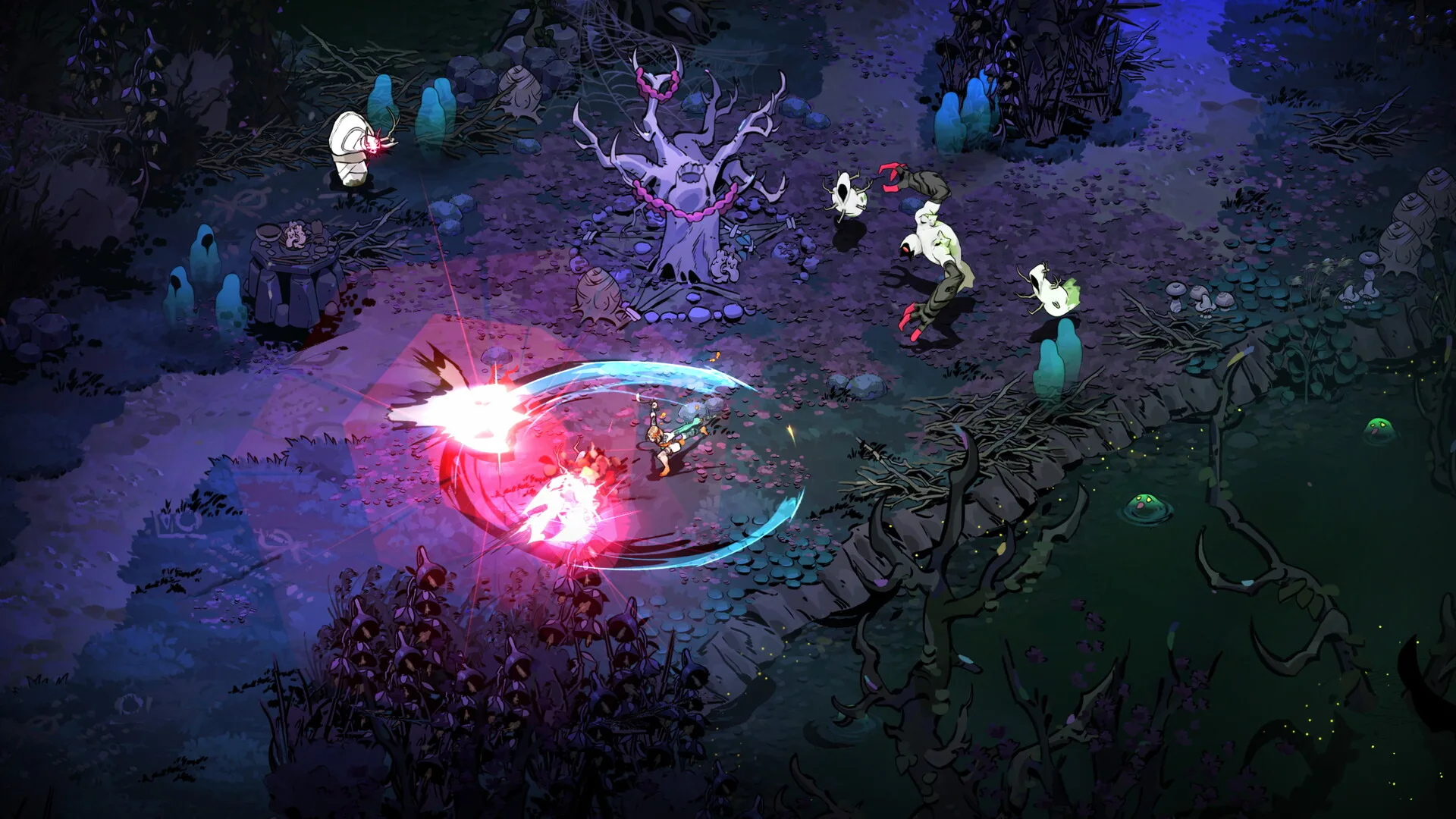
Environmental art achieves remarkable variety across the expanded roster of biomes. From the clinical halls of the usurped Underworld to the war-torn streets of surface cities, each location feels distinct and purposeful. The art direction maintains visual cohesion while allowing each area to establish its own mood and atmosphere.
Darren Korb’s musical composition deserves particular recognition. The soundtrack blends ghostly melodies with contemporary elements, creating something that feels both timeless and modern. Tracks like “Moonlight Guide Us” showcase the collaboration between Korb and vocalists Ashley Barrett and Judy Alice Lee, resulting in hauntingly beautiful pieces that enhance the emotional resonance of key story moments.
The integration of music with gameplay reaches its peak during boss encounters. The Sirens fight dynamically adjusts its soundtrack as you defeat different band members, creating a unique audio experience for each attempt. The pop-rock anthem “I Am Gonna Claw (Out Your Eyes then Drown You To Death)” becomes genuinely catchy despite its murderous lyrics, demonstrating the game’s ability to find humor within its darker themes.
Technical performance remains solid across platforms, though some readability issues emerge in portable mode on handheld systems. Smaller enemy details can become difficult to distinguish during chaotic encounters, particularly when differentiating which direction foes are facing becomes tactically important. These issues don’t break the experience but do create occasional frustration during precision-demanding fights.
A Worthy Successor’s Crown
Hades II succeeds as a sequel by understanding what made the original special while having the confidence to experiment with new ideas. The shift to magical combat creates a meaningfully different experience without abandoning the tight, responsive controls that made the first game so satisfying. Melinoë’s journey feels distinct from her brother’s rebellion, exploring themes of family, duty, and identity through a different emotional lens.
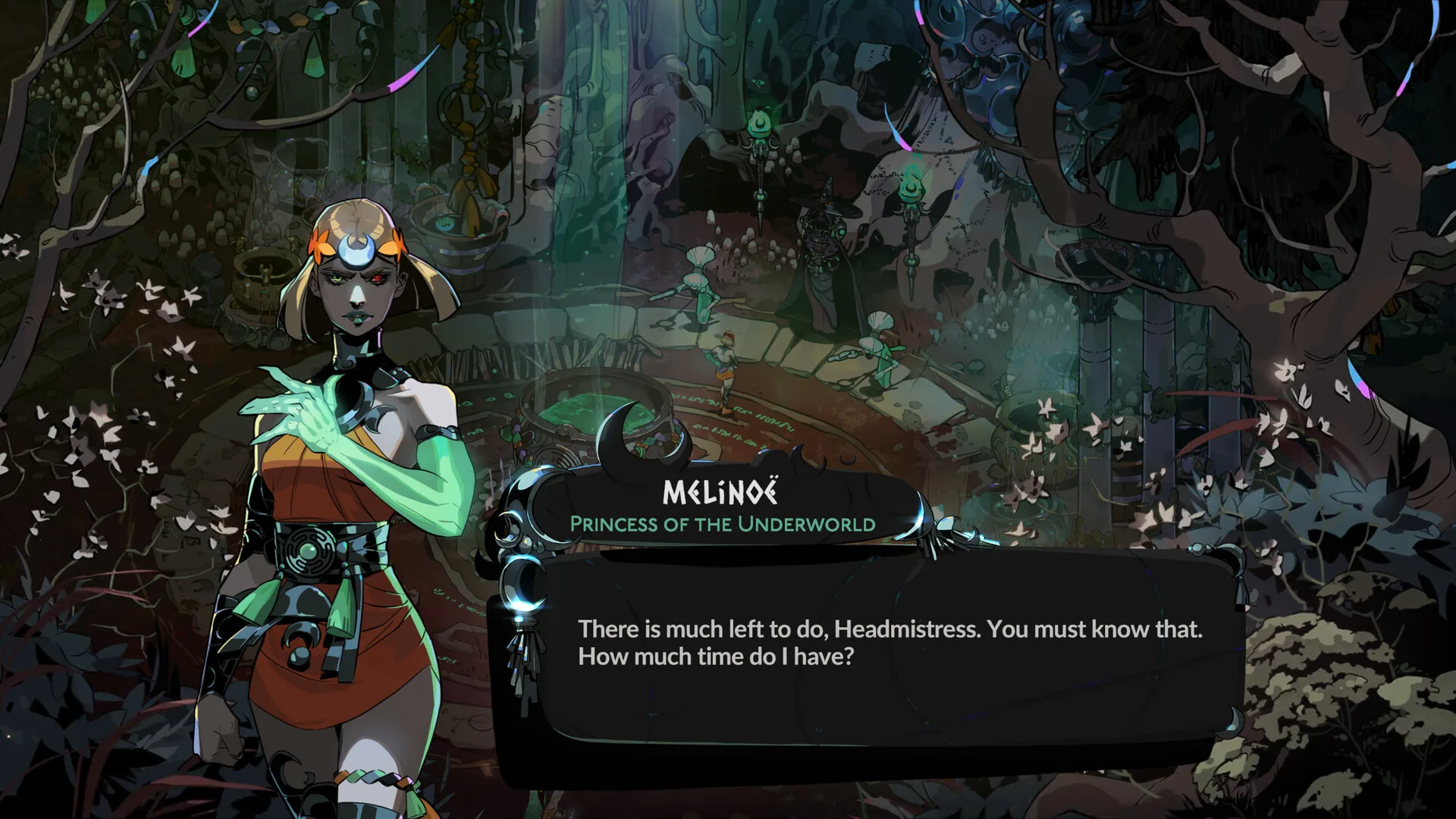
The expanded systems and dual-path structure provide significantly more content than the original without feeling bloated. There’s always something new to discover, whether it’s a previously unseen character interaction, a powerful boon combination, or a narrative revelation that recontextualizes earlier events. The pacing of unlocks maintains the sense of progression across dozens of hours of play.
Some friction remains, particularly in the early hours where the crafting system can feel intrusive to the combat flow. The resource gathering requirements create a period where the game feels less immediately engaging than its predecessor. However, once the initial systems unlock and players gain access to the full range of progression options, Hades II reveals itself as a deeper, more complex experience.
The game excels in the roguelite genre by maintaining the perfect balance between randomization and player agency. Runs feel meaningfully different based on weapon choice, path selection, and boon combinations, while the underlying systems provide enough consistency to support long-term mastery. The narrative integration remains unmatched—no other roguelite creates such a seamless connection between mechanical progression and story development.
For players seeking a challenging action game with exceptional writing, Hades II delivers on both fronts. The combat demands skill and strategic thinking while the characters and story provide emotional investment that sustains interest across repeated runs. This stands as essential gaming for anyone interested in seeing how roguelites can evolve while maintaining their core appeal.
Hades II is a captivating sequel to the critically acclaimed rogue-like dungeon crawler. Players take on the role of Melinoë, the immortal Princess of the Underworld and sister of the original game’s protagonist, Zagreus, as she battles beyond the Underworld’s familiar depths to confront the Titan of Time, Chronos. Developed and published by Supergiant Games, the game’s official v1.0 launch date was September 25, 2025, and it is available to play on PC (Windows and macOS via Steam), with confirmed releases for Nintendo Switch and Nintendo Switch 2.
Full Credits
Director (Creative/Game Director): Greg Kasavin
Writers (Lead Writer/Narrative Designer): Greg Kasavin
Producers/Studio Leadership (Producers, Executive Producers, and Key Studio Heads): Amir Rao, Gavin Simon
Lead Voice Cast: Judy Alice Lee, Amelia Tyler, Logan Cunningham, Erin Yvette, Colin Ryan, Asa Butterfield, Peter Canavese, Darren Korb, Laila Berzins, Courtney Vineys, Sterling Sulieman, Becca Q. Co, Jamie Landrum, Sarah Grayson, Dave B. Mitchell, Josette Eales, Matthew Waterson, Tara Langella, Hannah Whiteoak
Art Director/Lead Artist: Jen Zee
Key Engineering/Technical Leads: Gavin Simon
Composer/Sound Director: Darren Korb, Austin Wintory
Developer, Publisher: Supergiant Games, Supergiant Games
Release Date: September 25, 2025
The Review
Hades II
Supergiant Games has crafted a sequel that honors its predecessor while establishing its own identity through meaningful innovation. The magical combat system, dual-path progression, and deeper character development create a roguelite that feels familiar yet fresh. While the early resource gathering can slow initial momentum, the payoff is a more complex, rewarding experience that improves upon the original in nearly every aspect.
PROS
- Exceptional character writing and voice acting
- Deep, strategic magical combat system
- Dual-path structure prevents repetition
- Stunning art direction and musical score
- Meaningful progression systems that reward experimentation
- Strong narrative integration with gameplay mechanics
CONS
- Resource gathering feels intrusive in early hours
- Complex systems can overwhelm newcomers
- Some readability issues on smaller screens
- Slower pacing compared to the original's immediate accessibility