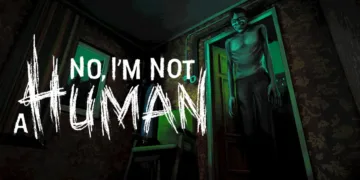



















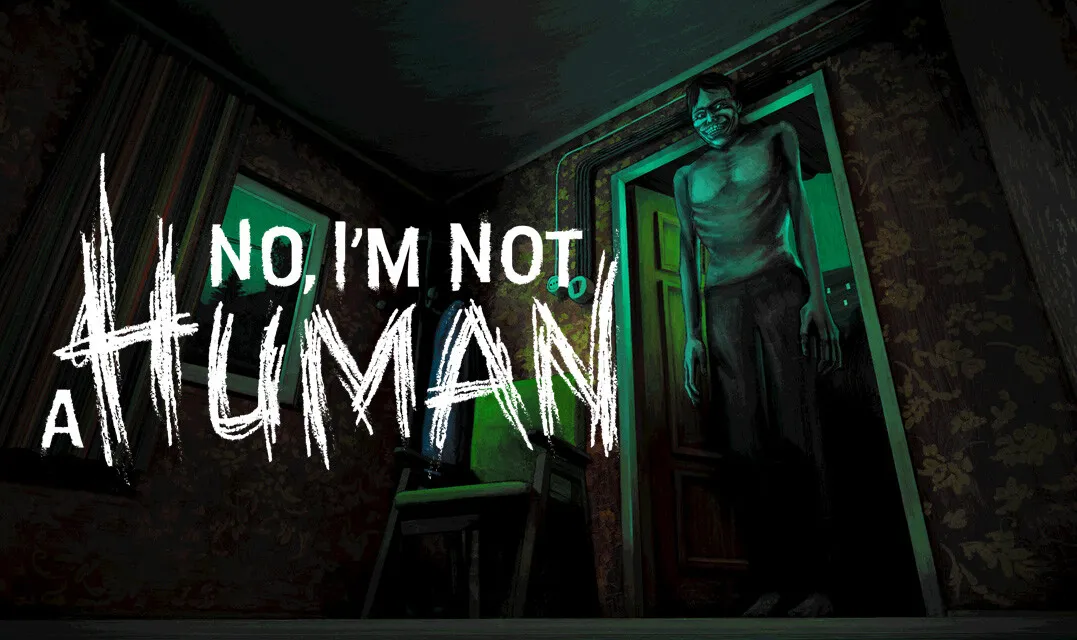

No, I’m Not A Human drops you into a world where the sun has turned murderous and trust has become the rarest commodity. Trioskaz has crafted something genuinely unsettling here: a post-apocalyptic horror experience that makes you question every knock at your door.
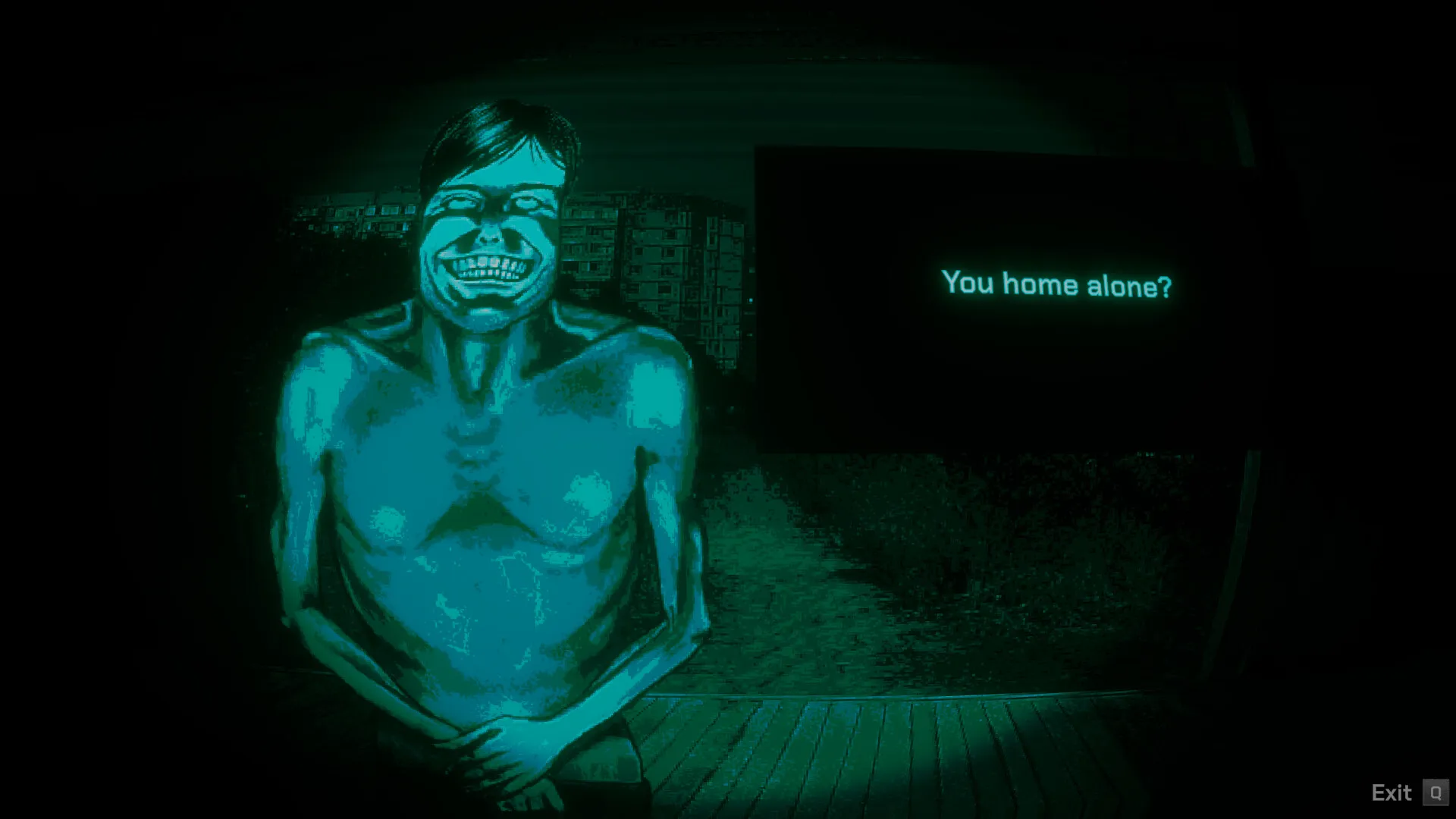
The premise is deceptively simple. Solar flares have made daylight lethal, forcing survivors to move under cover of darkness. You’re holed up in a cramped house, and each night brings desperate strangers begging for shelter. Some are genuine survivors. Others are Visitors, human-mimicking entities with subtle tells that might give them away if you’re observant enough.
This indie horror game transforms the basic act of hospitality into a nerve-wracking ordeal. Every conversation through the peephole becomes a high-stakes interrogation where the wrong choice could mean death for you or an innocent person you turn away. The game excels at creating that specific kind of dread that comes from having too little information to make life-or-death decisions. You’re playing judge, jury, and sometimes executioner, all while never being completely certain about anyone’s true nature.
The Art of Impossible Choices
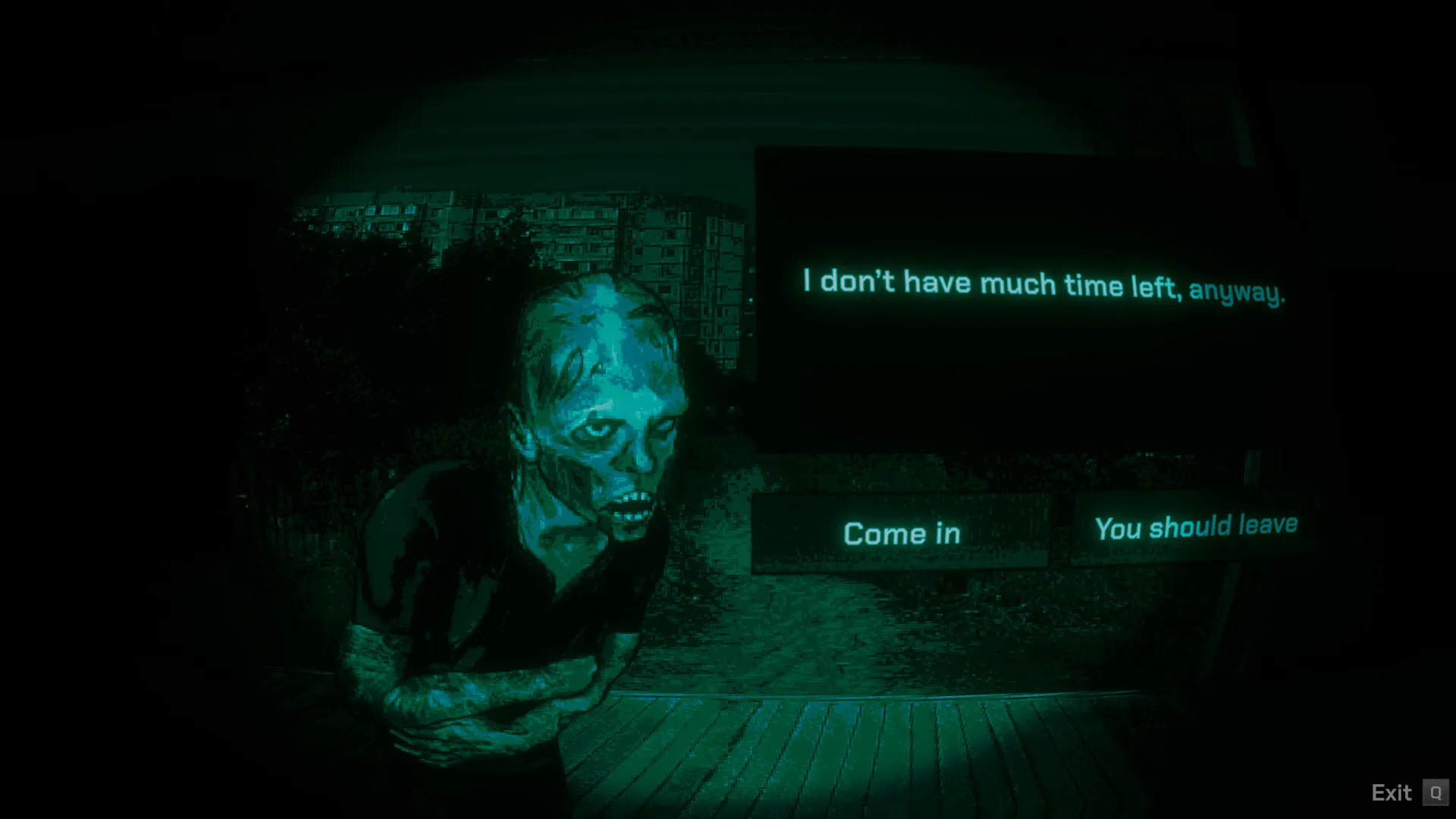
The gameplay mechanics in No, I’m Not A Human work like a carefully constructed psychological trap. Night phases present you with visitors at your door, each with their own story and subtle behavioral quirks. The peephole conversations feel authentic in their brevity and tension. These aren’t lengthy exposition dumps but quick, pressured exchanges where every word carries weight. Visitors might offer bribes, make veiled threats, or simply plead for basic human compassion. The game never gives you enough certainty to feel comfortable with any decision.
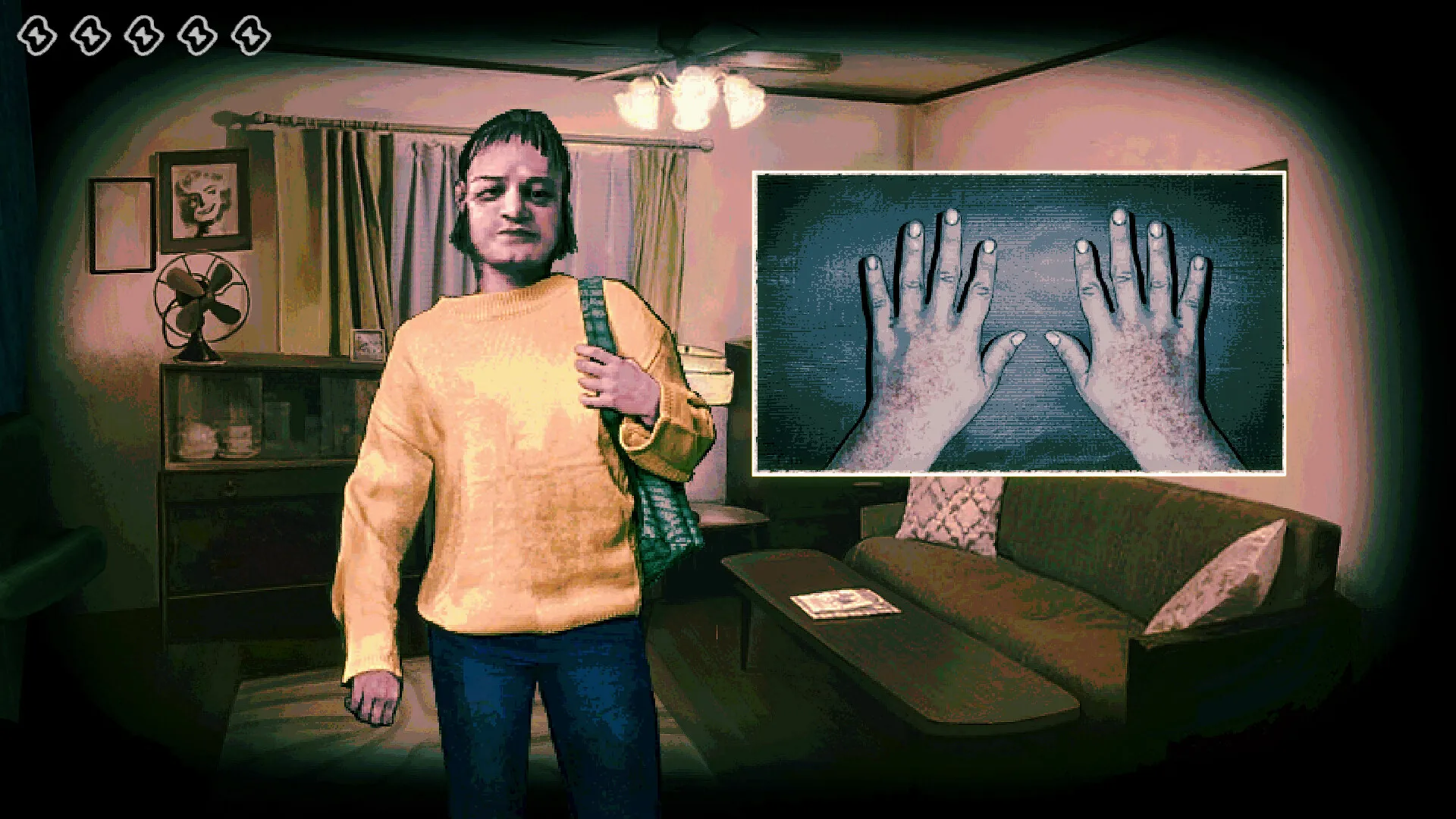
Day phases shift the dynamic entirely. With limited energy, you must examine your overnight guests for signs that mark them as Visitors: unnaturally white teeth, bloodshot eyes, strange nail conditions, or suspiciously smooth armpits. The energy constraint creates a brutal strategic layer. You might have three guests but only enough stamina to properly examine one. This forces you to make educated guesses about who poses the greatest threat, knowing that a wrong assessment could be fatal.
The testing mechanics themselves feel invasive and morally uncomfortable, which seems entirely intentional. Asking someone to open their mouth for inspection or demanding to see their armpits creates an atmosphere of violation that mirrors real-world profiling. The game doesn’t shy away from the ugly implications of its survival mechanics. Even when tests reveal suspicious traits, the game throws moral curveballs. Maybe those perfect white teeth come from good dental hygiene rather than inhuman origins. Those bloodshot eyes could result from sun exposure rather than alien infection.
FEMA’s random interventions add another layer of unpredictability. They might remove guests from your house without warning, leaving you vulnerable to nighttime visitors who prey on isolated survivors. The balance between having too many guests (increasing the chance of harboring a Visitor) and too few (making you a target) creates constant tension.
Stories That Shift Like Shadows
The narrative structure of No, I’m Not A Human embraces chaos in the best possible way. Character roles shuffle between playthroughs, meaning that friendly face from your last run might be a deadly threat this time around. This randomization prevents players from gaming the system while reinforcing the game’s central theme: you can never truly know who to trust.
Ten different endings provide substantial replay incentive, with each run taking between one and three hours. The branching paths feel meaningful rather than superficial. Your choices ripple through the narrative in ways that become clear only through multiple playthroughs. The game rewards careful observation and pattern recognition while simultaneously undermining your confidence in those same skills.
Character backstories emerge through brief interactions, creating surprising depth for what could have been simple archetypes. The game’s social commentary on prejudice and paranoia unfolds naturally through gameplay rather than heavy-handed exposition. You begin to notice how certain physical characteristics or speech patterns influence your decisions, forcing uncomfortable self-reflection about your own biases.
The government response storyline provides context for the larger crisis while maintaining focus on your personal survival situation. FEMA’s involvement feels bureaucratic and inadequate in exactly the way you’d expect during a supernatural crisis, adding authenticity to the apocalyptic setting.
Beauty in the Uncanny Valley
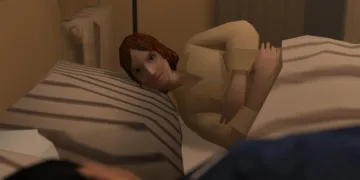
Visually, No, I’m Not A Human achieves something remarkable with limited resources. The blend of photorealistic elements with slightly dreamlike character art creates an unsettling aesthetic that perfectly serves the game’s themes. Every character design sits just slightly off from normal human proportions, triggering that instinctive unease we feel when something appears almost human but not quite right.

The cramped house setting could have felt limiting, but instead it amplifies the claustrophobic tension. Environmental details tell stories without explicit exposition. The day/night visual contrasts reinforce the game’s central mechanic while creating atmospheric shifts that keep players emotionally engaged.
Audio design deserves particular praise for its restraint. The soundtrack balances moments of false comfort with underlying unease, creating an emotional landscape that shifts subtly based on your actions and discoveries. Sound cues help differentiate character types without being obvious about it, rewarding attentive players with subtle information advantages.
The recommendation to play with headphones proves essential. The game’s audio creates an intimate, almost voyeuristic experience that draws you deeper into the paranoid mindset it’s trying to cultivate.
When Technology Gets in the Way
The save system represents No, I’m Not A Human’s most frustrating design choice. Using kombucha consumption as the sole save trigger creates unnecessary friction between player and experience. While this might be intended to increase tension, it more often results in lost progress and repeated content. The single-use nature of save items adds strategic weight, but the lack of transparency about the mechanic feels punitive rather than challenging.
Technical issues occasionally break immersion at critical moments. Soft-locks during dialogue sequences can end promising runs abruptly, forcing players to restart from their last (and possibly poorly timed) save. These bugs feel particularly devastating given the game’s limited save opportunities.
The user interface generally serves its purpose without drawing attention to itself, though some quality-of-life improvements could enhance the experience. The peephole conversation system works well, but navigation between different testing mechanisms could be more intuitive.
Performance remains stable for an indie production, though occasional hitches during character examinations can disrupt the careful pacing that makes the horror elements effective.
The Mirror of Moral Complexity
The psychological horror in No, I’m Not A Human operates on multiple levels simultaneously. Surface-level tension comes from the immediate threat of letting dangerous entities into your home. Deeper horror emerges from recognizing how quickly survival instincts can override moral considerations. The game forces players to confront uncomfortable truths about prejudice, fear, and the compromises we make when pushed to extremes.

Player agency becomes both empowering and terrifying. Your decisions directly create the horror scenarios you experience. The game doesn’t impose jump scares or scripted terrifying moments. Instead, it provides tools and situations that allow you to terrify yourself through your own choices and their consequences.
The exploration of prejudice feels organic rather than preachy. The game shows how easily fear transforms reasonable caution into harmful discrimination. Testing mechanics that initially seem like practical survival tools gradually reveal themselves as invasive profiling methods that may harm innocents.
Character development occurs through accumulated choices rather than explicit progression systems. Your approach to guest management evolves as you learn from mistakes and adapt to new information. The relationships you build with recurring characters (when the randomization allows) create emotional stakes that make future decisions more difficult.
The game’s horror approach emphasizes sustained unease over momentary shock. This creates a more lasting emotional impact, though it requires patience from players accustomed to more conventional horror game pacing.
A Flawed Gem Worth Discovering
No, I’m Not A Human succeeds as both horror experience and social commentary despite its technical shortcomings. The innovation in horror mechanics alone makes it worth experiencing for genre enthusiasts. The game creates genuine moral dilemmas that linger long after you’ve stopped playing, which few horror games manage to achieve.
The replay value comes from both mechanical randomization and the desire to explore different moral approaches to the same basic scenario. Each playthrough feels like a different experiment in human nature rather than simply replaying content with minor variations.
Technical stability issues and the problematic save system prevent the game from reaching its full potential. These problems feel particularly frustrating because the core experience is so compelling. Players willing to tolerate occasional frustrations will find a horror experience that respects their intelligence while challenging their assumptions.
The target audience extends beyond typical horror game fans to include anyone interested in interactive narrative and moral choice systems. The game would appeal to players who enjoyed Papers, Please or This War of Mine, though it offers a different kind of moral complexity.
For indie game supporters, No, I’m Not A Human represents the kind of creative risk-taking that makes the indie scene vital. Trioskaz has created something genuinely original that couldn’t exist within the constraints of mainstream game development. Despite its flaws, this stands as proof that innovative horror design can emerge from small teams with limited budgets and unlimited creativity.
The Review
No, I'm Not A Human
No, I'm Not A Human delivers a psychologically haunting experience that lingers far beyond its technical limitations. While save system frustrations and occasional bugs create friction, the game's innovative approach to moral horror and paranoia mechanics makes it essential playing for anyone seeking genuinely original interactive storytelling. Trioskaz has crafted something special here.
PROS
- Innovative psychological horror mechanics that avoid cheap scares
- Meaningful moral choices with lasting emotional impact
- Strong replayability through randomization and multiple endings
- Effective atmosphere creation with limited resources
- Thought-provoking social commentary woven into gameplay
- Genuinely unsettling character designs and audio
CONS
- Frustrating single-use save system via kombucha consumption
- Technical issues including dialogue soft-locks
- Limited visual scope due to cramped setting
- Potential repetition after multiple playthroughs
- Lack of transparency about save mechanics
- Performance hitches during key moments