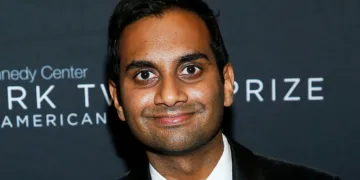














Aziz Ansari used a late night appearance this week to defend performing at Saudi Arabia’s inaugural Riyadh Comedy Festival, saying he went “to do a show for the people” even as his host pressed him on the kingdom’s record. The exchange, which quickly circulated online, came amid intensifying criticism of visiting comedians and renewed scrutiny of the state-backed event that ran from September 26 to October 9 in the capital.
Asked why he accepted the engagement, Ansari argued that audiences should not be conflated with their government and described cultural events as a way to open space for ideas in a young country. His remarks followed a separate bit on the same program in which he joked that he now carries his passport because of heightened U.S. immigration raids, underscoring how current politics on both sides of the Atlantic have seeped into his act. The broadcaster’s listings confirm Ansari appeared earlier in the week to promote his feature Good Fortune.
The festival, organized under Saudi Arabia’s entertainment initiative, drew dozens of high-profile comics while igniting debate inside the stand-up community. Rights advocates urged participants to speak publicly about jailed activists and the 2018 murder of journalist Jamal Khashoggi; some performers who were invited declined, citing contract “content restrictions,” while others said they viewed the trip as an opportunity for connection with local fans. Coverage of the final days noted rising backlash from fellow artists who questioned taking state-linked fees to perform in a tightly controlled environment.
Ansari’s comments highlight choices facing touring entertainers as Saudi Arabia expands cultural programming to bolster global visibility. Supporters of engagement frame appearances as exchange and exposure for younger audiences. Critics warn that star-powered events risk laundering an image while dissent remains criminalized and speech tightly circumscribed. As late night segments and social posts amplify the argument, the episode has moved beyond a single booking to a wider discussion of what artistic presence can achieve — and what it may obscure — in an authoritarian setting.