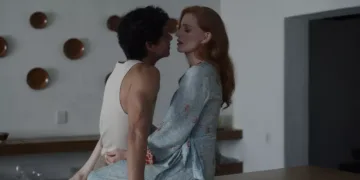




















Mexican filmmaker Michel Franco said he recently obtained a Portuguese passport and had never visited the country when he picked it up, a detail he shared in a new interview tied to the festival run of his immigration drama Dreams. The remark, made in conversation with The Hollywood Reporter, sparked renewed attention around Portugal’s changing nationality rules and Europe’s shifting posture on investor and fast-track citizenships.
Portugal is in the middle of a major reset. In June, the government announced plans to double the residency requirement for most naturalization cases from five to ten years, add stricter integration benchmarks, and allow revocation of citizenship for serious crimes. A cabinet minister said the move aligns with a tougher program backed in parliament, with shorter timelines only for citizens of Portuguese-speaking countries.
The country had already tightened a once-popular Sephardic Jewish route after concerns that applicants could qualify with tenuous ties. The broader European climate is also turning. The EU’s top court this year ordered Malta to shut its “golden passport” scheme, underscoring growing pressure against programs seen as turning EU citizenship into a commodity.
Franco did not say which legal pathway he used and there is no indication of impropriety. Still, his comment lands amid a debate that extends beyond Portugal: advocates argue second passports can be pragmatic for artists and entrepreneurs who travel frequently; critics say looser regimes create inequities and strain public confidence in immigration systems. In Portugal’s case, officials cite record-high immigration and large application backlogs as reasons for tighter controls, while prospective applicants now face longer timelines and deeper cultural and civics checks.
Dreams continues its festival rollout as these policies take shape, and Franco’s offhand note about collecting a passport in Lisbon without having set foot in the country illustrates how mobility rules — and the optics around them — have become part of the conversation surrounding cross-border filmmaking and the people who make it.