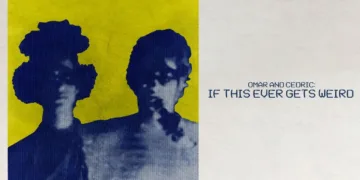









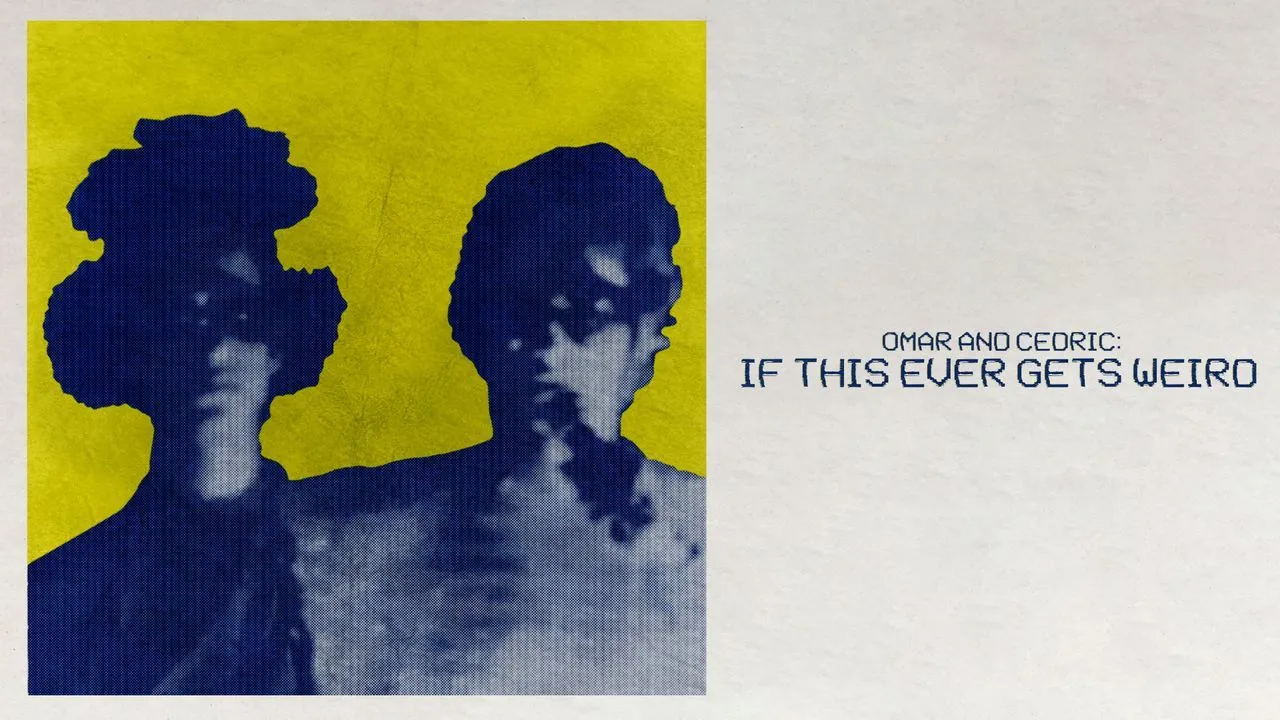

The first thing you notice is the texture. The image glitches, washed out by the unforgiving lens of a 90s camcorder, accompanied by the low hum of the recording tape. This is not a polished, retrospective documentary; it is a memory bank cracked open. Omar and Cedric: If This Ever Gets Weird is built from this raw material, a life’s worth of home videos shot by guitarist Omar Rodríguez-López.
It chronicles his profound, chaotic, and enduring bond with singer Cedric Bixler-Zavala. Their story is framed by a simple pact made in a van decades ago: if their creative life ever became more important than their friendship, they would walk away. The film is the story of that promise being tested again and again, an intimate chronicle of a connection that would eventually fuel the beautiful noise of At the Drive-In and The Mars Volta.
Forged in the Fringes
The documentary grounds itself in the sun-bleached landscape of El Paso, Texas, where the duo first connected. It paints a vivid picture of the 90s punk scene as a haven for misfits, but even within this subculture, Omar and Cedric were outsiders. As Latino kids with explosive energy and wild halos of hair, they found in each other a reflection they couldn’t find elsewhere.
The grainy early footage is electric with this discovery; you see them not as future rockstars but as kids inventing a world for themselves, a two-person universe built on inside jokes and a shared defiance. This origin story is key to understanding their entire creative output. Their art was never about fitting in; it was about forging an identity against a backdrop of cultural alienation.
By relying exclusively on Omar’s personal archive, director Nicolas Jack Davies makes a radical choice. He forgoes the standard documentary toolkit of talking-head interviews and expert analysis. There is no external voice to tell us what to think. Instead, we are placed directly inside their experience. The narrative unfolds through a collage of shaky, lo-fi images, guided only by the reflective voiceovers of Omar and Cedric today.
This structure makes the film feel less like a biography and more like an immersive act of remembrance. It’s a subjective, sometimes disorienting approach that perfectly mirrors the music they would go on to create: unconventional, deeply personal, and unwilling to hold the audience’s hand.
The Cycle of Creation and Collapse
As the film moves into the rapid ascent of At the Drive-In, the editing begins to mirror the band’s frenetic energy. Quick cuts of spasmodic live performances, where Cedric swings his microphone like a weapon and Omar contorts around his guitar, are stitched together with mundane moments of life on the road. The visual language conveys the exhilarating exhaustion of it all.
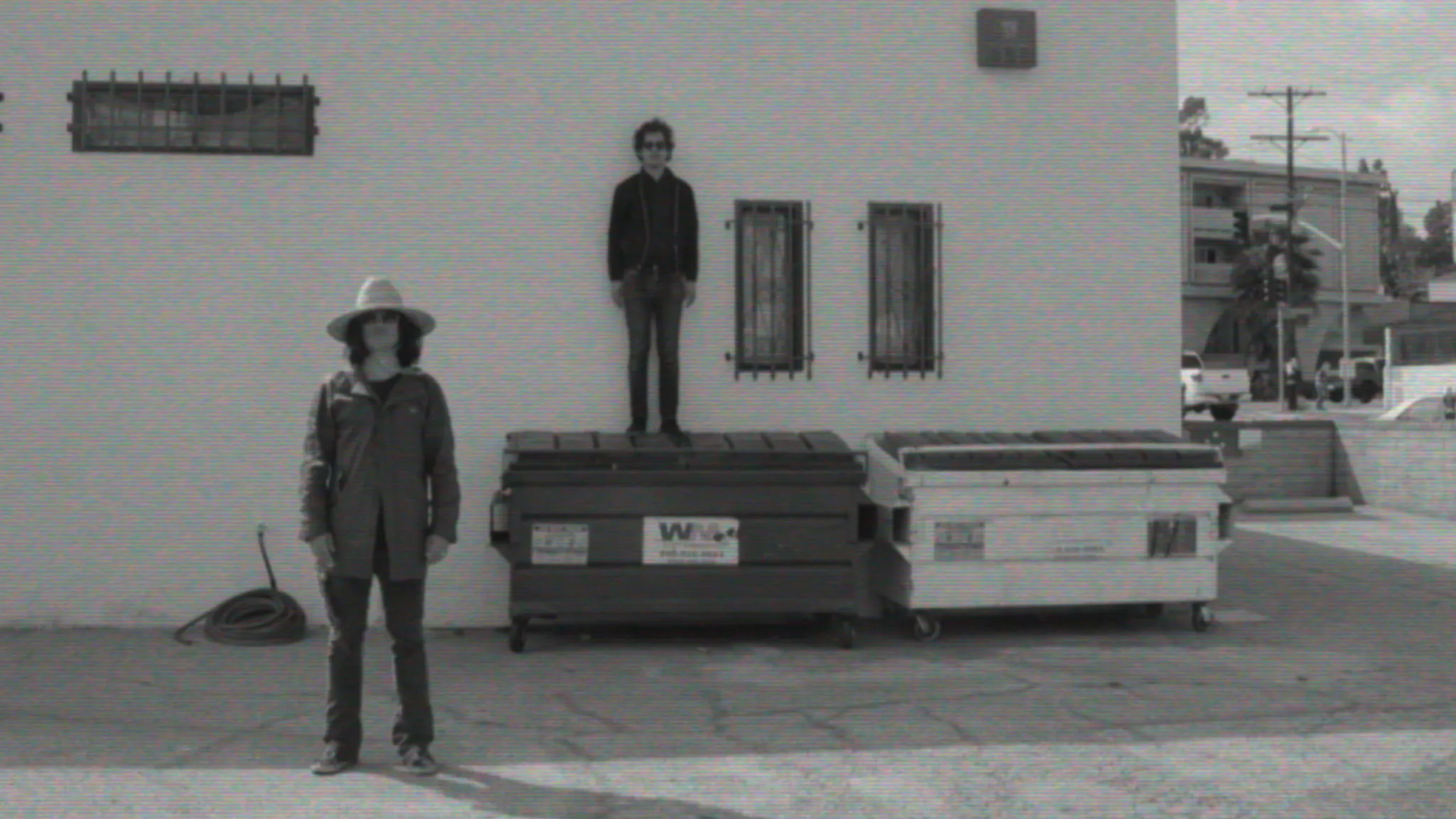
The documentary is brilliant in showing how the very success they worked for became a pressure cooker that warped their founding pact. The arguments captured on camera are raw and real, showing the cracks forming long before the official breakup.
The transition to The Mars Volta is portrayed as an act of both artistic necessity and personal survival. Freed from the constraints of a punk rock framework, their music became a sprawling, complex beast. The film connects this creative explosion directly to the chaos surrounding them, particularly the grief following the fatal drug overdose of their friend and sound manipulator, Jeremy Ward.
Davies uses Omar’s seemingly endless archive to create a portrait of this era that is both beautiful and harrowing. The sound design is crucial here, blending snippets of studio sessions, ambient noise, and Omar’s own experimental solo recordings into a score that captures the period’s disorientation. Their art is shown not as a product, but as a byproduct of their turbulent lives.
The Unraveling and Reconnection
The documentary’s most challenging section tackles the ultimate test of their friendship: Cedric’s deep involvement with the Church of Scientology. This is where the film’s title takes on its most profound meaning. The organization is presented as an external force that reclassified their intense bond as a toxic liability, with Omar being labeled a “suppressive person.”
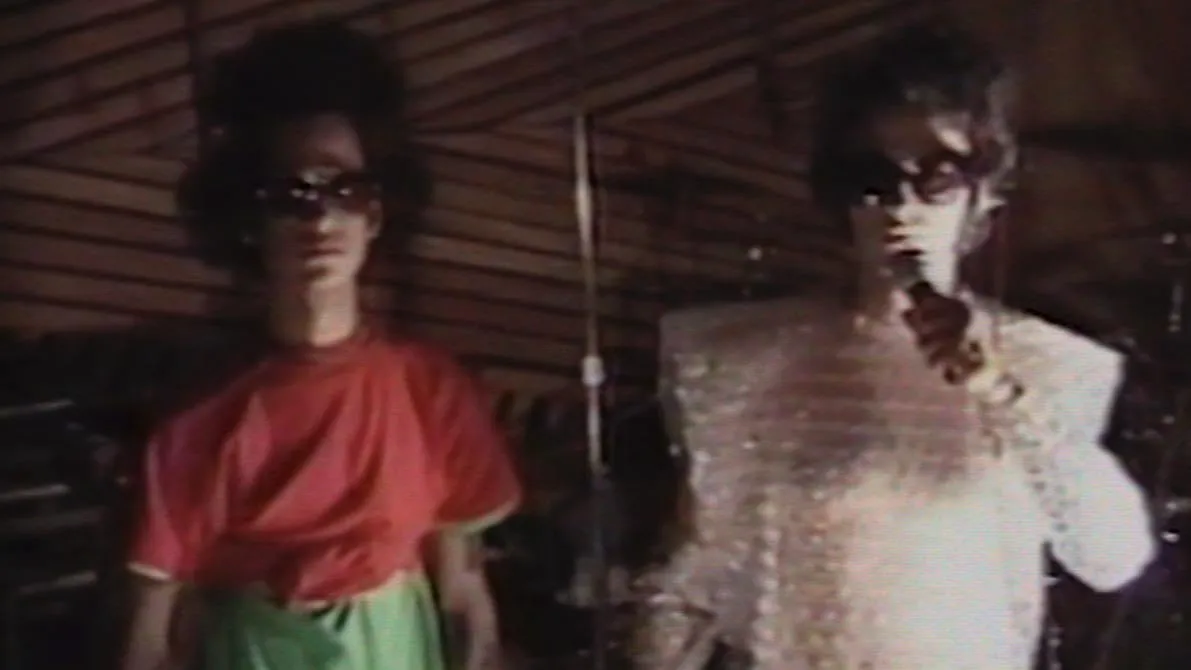
The archival footage from this period is sparse, and the narrative is carried by the quiet, pained reflections in their voiceovers. It’s a stark and honest look at how an ideology can sever a foundational human connection, transforming a creative partner into a perceived enemy.
The film’s final act is its most moving. It charts the slow, difficult path back to one another, years after their public falling out. The focus shifts from the chaos of youth to the contemplative reality of middle age. We see them not as icons, but as men navigating marriage, fatherhood, and the scars of their shared past.
Their reconciliation is not a triumphant reunion for the stage, but a quiet rebuilding of trust. In the end, the documentary subverts the entire rock-and-roll myth. It suggests that the greatest creative act wasn’t a Grammy-winning album or a sold-out tour, but the patient, unglamorous work of mending a friendship that had, for a time, gotten irrevocably weird.
Omar and Cedric: If This Ever Gets Weird is a feature-length documentary that chronicles the intense and enduring artistic and personal relationship between musicians Omar Rodríguez-López and Cedric Bixler-Zavala, the creative core of the influential bands At the Drive-In and The Mars Volta. Directed by Nicolas Jack Davies, the film is compiled from hundreds of hours of archival footage filmed by Omar Rodríguez-López over 40 years, providing an intimate look at their journey through success, addiction, tragedy, betrayal, and, ultimately, redemption. The film premiered at film festivals in 2023 and 2024 (including SXSW) and was distributed by Oscilloscope Pictures, becoming available on digital and VOD platforms like Apple TV and Amazon Video starting in early 2025.
Full Credits
Director: Nicolas Jack Davies
Writers: Nicolas Jack Davies, Omar Rodríguez-López
Producers: Johann Scheerer
Executive Producers: Sam Bridger, Alice Rhodes
Cast: Omar Rodríguez-López, Cedric Bixler-Zavala, Chrissie Carnell Bixler, Teresa Suárez Cosío, Flea, Jeremy Ward, Tony Hajjar, Paul Hinojos, Jim Ward, Ikey Owens, Jon Theodore, Rick Rubin, John Frusciante
Director of Photography (Cinematographer): Joe Simon
Editors: Gary Forrester, David Atkinson
Composer: Omar Rodríguez-López
The Review
Omar and Cedric: If This Ever Gets Weird
Omar and Cedric: If This Ever Gets Weird is a raw, unfiltered look into the heart of a chaotic creative partnership. Eschewing the conventions of the music documentary, it uses four decades of personal footage to tell a deeply human story about friendship, conflict, and the messy reality of a life dedicated to art. It's an essential watch for fans and a compelling, if sometimes challenging, portrait of a bond that survived everything.
PROS
- The all-archival format provides a rare, unfiltered look inside the subjects' world.
- It offers a candid and unflinching examination of a complex, decades-long friendship.
- The subjective, memory-like structure is a refreshing departure from standard documentary filmmaking.
CONS
- The lack of outside context or interviews may be confusing for viewers unfamiliar with the bands.
- The constant use of lo-fi, shaky camcorder footage can be fatiguing.
- Its non-linear, collage-style narrative demands significant viewer engagement.