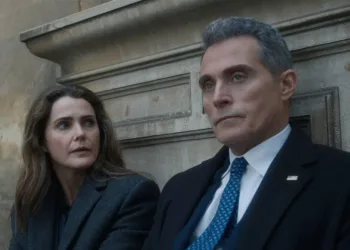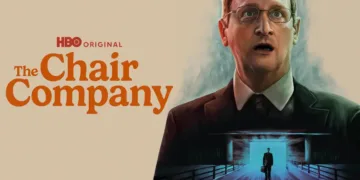





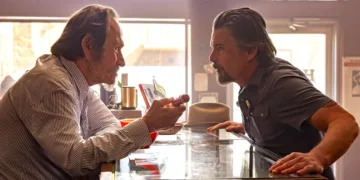




















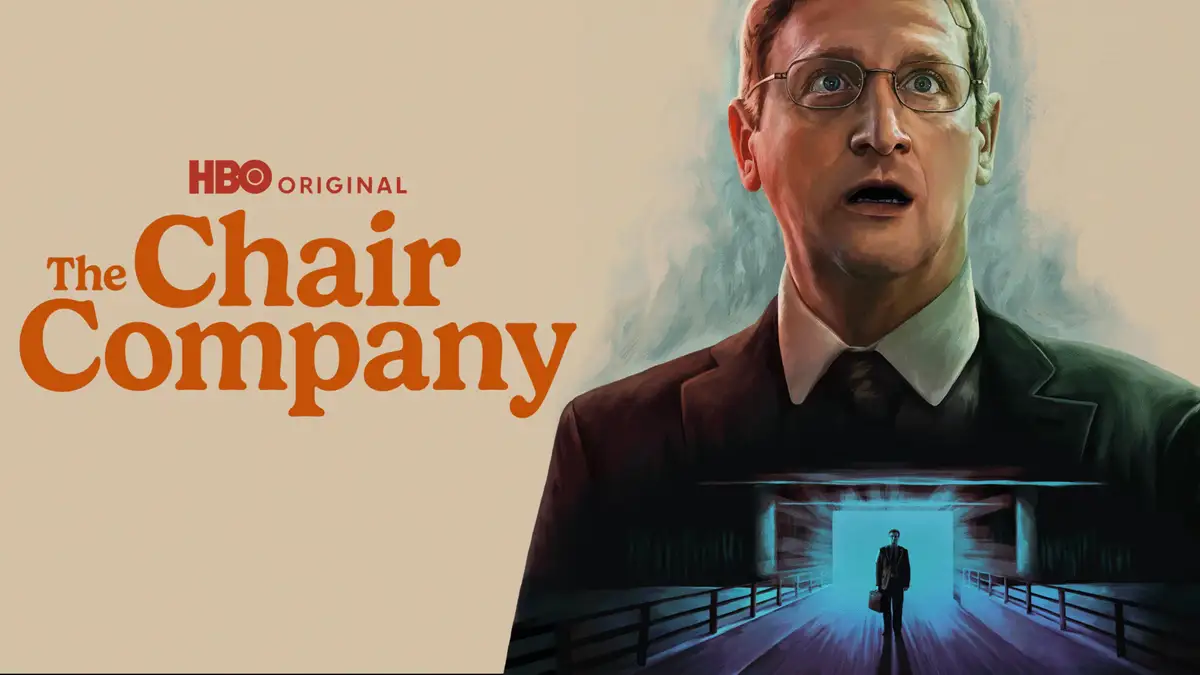

Consider the fluorescent, airless landscape of modern enterprise: a beige, sound-dampened ecosystem that quiets individual friction. The Chair Company places its action in that atmosphere and treats the office as a pressurized chamber for a single man’s unravelling. Co-creators Tim Robinson and Zach Kanin widen the aperture of a comedy born in short, explosive sketches into an eight-episode study of contemporary anxiety.
Ron Trosper anchors the series. He works as a middle manager at Fisher Robay, a mall development firm, and carries the modest tally of minor, hard-won successes. A public humiliation at work becomes a hinge for his mind.
He reads the embarrassment as a coded transmission, a deliberate act connected to a benign-seeming Tecca company chair. His fixation evolves quickly into a conviction that the incident is a stitch in a larger web of deceit. The series then settles into a peculiar hybrid: a serialized conspiracy thriller propelled by the anxious tempo of cringe comedy.
Escalation and the Architecture of Absurdity
Robinson and Kanin fold their particular comic grammar into a season-long architecture with notable craft. Their humour often rests on social unease beneath polite interaction and on physical embodiments of awkwardness that Robinson performs with disciplined, sometimes wordless clarity—the guttural burst, the single convulsive squint. The show’s motor is escalation: a small irritation is amplified into irrational motion, and everyday moments mutate into a procession of private catastrophes.
A conspiratorial plot gives those amplified moments a propulsive frame. The series builds a careful, internally consistent world populated by constant, needy, abrasive eccentrics who hum on Ron’s frequency. He draws them in. The basketball-shirt salesman, the man with an inexplicable dent in his skull, the colleague obsessed with implants of metal—these figures function as more than sketchy oddities. They register as a communal vibration, a social hum that the narrative treats as evidence rather than mere sight-gags.
The physical environment intensifies the show’s brittle tone. Office parks and suburban sprawl are captured in a bland register that feels purposely wrong. Production design and character names such as Oliver Probblo and Bahld Harmon tilt the setting toward a suburban slipstream. That blandness heightens the humour.
Comedy here often arrives as an unsettling friction between Ron’s grand investigative stakes and the diffuse, low-level chaos of the quotidian. Lines lodge: “grab-ass parlor,” for example, sticks in the memory like a verbal splinter. Robinson’s unpredictable line readings render short declarative sentences into moments of cosmic discomfort. The series sustains the energy of a five-minute sketch across eight episodes without losing air.
The Protagonist as a Fragile Instrument of Principle
Ron emerges as a finely drawn, fragile instrument. He carries the awkward, sad, volatile traits found in Robinson’s earlier characters but receives more psychological room to breathe in the serial form. His drive is a search for justice, or for purpose: an insistence on correcting a perceived violation of personal standards. He maintains a strict, internal code. When the world contravenes that code he moves to repair what he sees as broken.
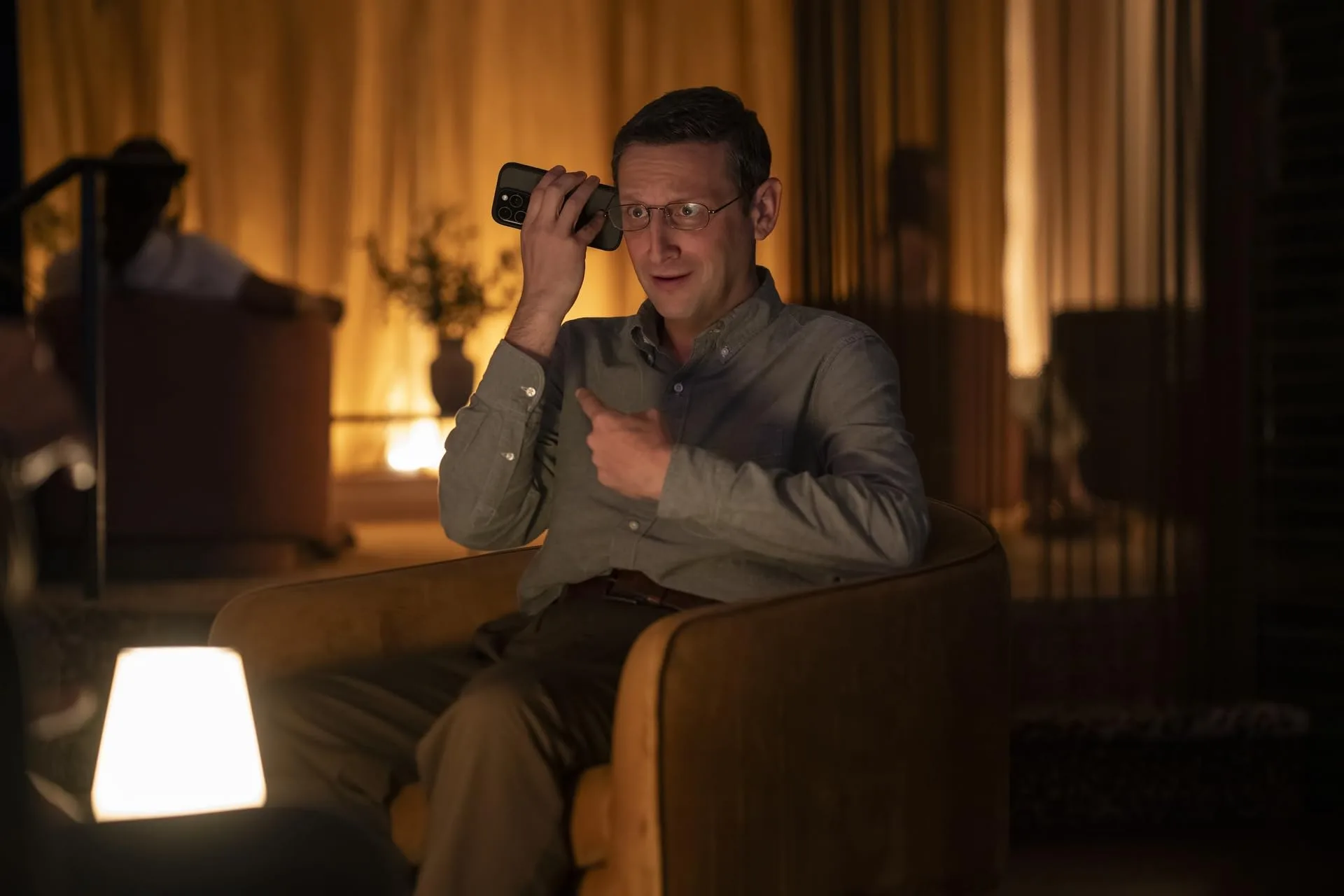
The show ties its suspense to Ron’s mental state. Anxiety centers on whether his tether to normalcy will fail. The series marks him as capable in ordinary terms: a decent conversationalist, a loving presence, an effective worker when his attention holds. Those ordinary capacities render his drift into conspiratorial obsession tragic. The emotional foundation remains intact even as the plot grows increasingly strange.
Family supplies the series’ emotional counterweight. His wife, Barb (Lake Bell), and their children, Natalie (Sophia Lillis) and Seth (Will Price), represent the stability he risks. The father-daughter connection reads as genuinely tender, precise moments of human warmth amid spiralling paranoia. Barb pursues her own small business; that practical momentum contrasts with Ron’s inward, theoretical descent and measures his loss by the tangible things he may forfeit.
Supporting performances reinforce the sensation of a lived, odd world. Joseph Tudisco’s Mike brings surprising emotional depth at points that return the viewer briefly to pathos. Ensemble veterans including Alberto Isaac and Jim Downey move effortlessly within the Robinson-Kanin cadence, sustaining a high-strung rhythmic performance across the cast. Those unified choices make the fictional world feel coherent, a place where social rules have shifted and paranoia acquires plausibility.
Thematic Resonance: Dread Beneath the Banality
The Chair Company functions as more than a vehicle for jokes. It acts as a mirror for modern cultural anxieties, a satire of corporate ritual that exposes the vacuity of workplace ceremonies, the absurdity of team-building, and the deliberately opaque language of business such as “Integrating Mother Nature With Centers of Commerce.” The bland aesthetics of office parks and suburbs register as existential pressure, an environment predisposed to erode spirit and provoke rebellion.
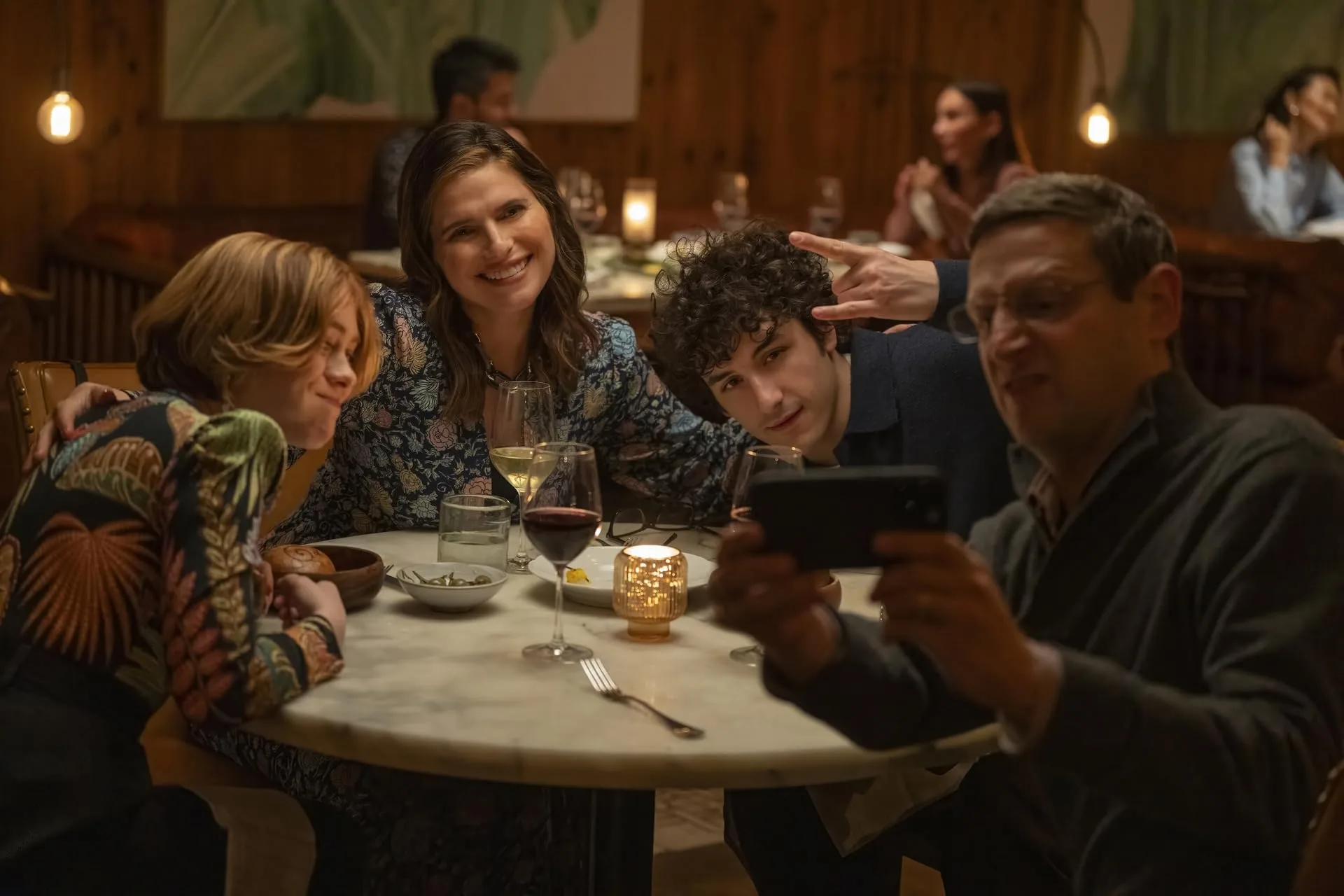
Ron’s quest speaks to contemporary modes of being. Much of his investigation happens through his phone; the device becomes a portal into an internet wormhole, a landscape of message boards and forums where he seeks validation. The tension between logging on and logging off surfaces repeatedly. Ron stands as a figure for a certain frustrated male response to corporate emasculation, a man who uses paranoia to reclaim agency and purpose. The series exposes the fragile seam between irritation and full paranoia that marks much of online discourse.
Visual and tonal choices amplify that seam. Director Andrew DeYoung frames the world in neutral suburban earth tones, a visual neutrality that amplifies bursts of chaos and darkness. That palette contrasts with the darker corners of the internet Ron inhabits and the seedier spots he visits.
The production cultivates a dreamlike logic in which narrative rules bend while emotional throughlines remain clear. A latent strain of horror sits beneath the comedy: everyday places suddenly reveal menace. The show thus ties itself to a tradition of surreal, unsettling styles while keeping comedic impact intact. It is funny and it also maintains sustained psychological tension.
A Singular Expansion of Vision and Its Price
The Chair Company accomplishes a difficult formal move. It translates the Robinson-Kanin sensibility from short-form detonations into a continuous narrative that balances laugh-out-loud absurdity with a character-driven mystery that carries real stakes. Tonal control marks the series’ principal success. Robinson’s performance supplies depth and acts as an anchor that keeps the series from collapsing under its own oddity. The result feels like a fresh approach to a familiar conspiracy template, a way of finding strange truth inside the mundane.
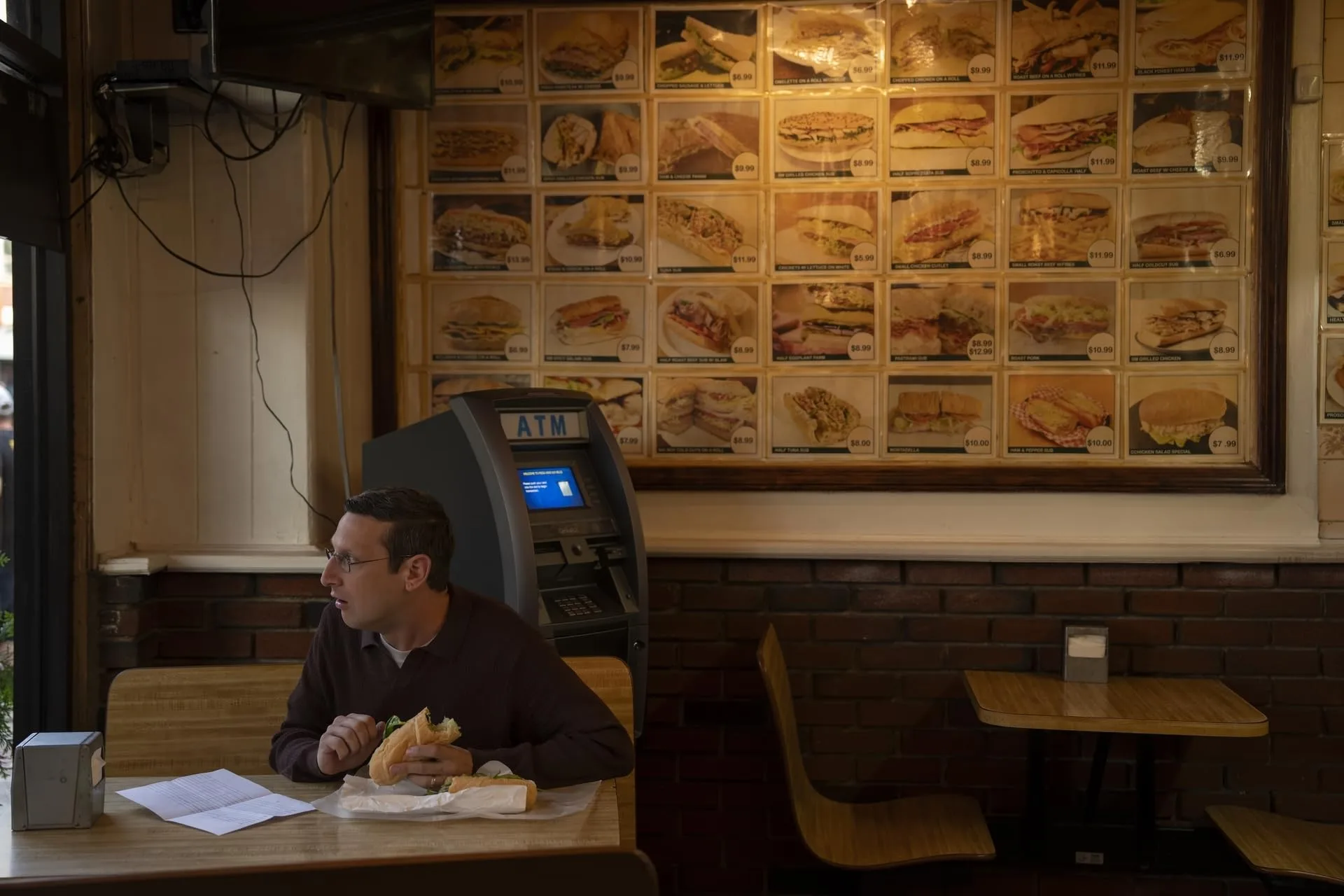
The series asks something of its audience. The comedy’s abrasive rhythm will repel viewers who have not responded to this style in the past. Fans of the creators will find reward; others may feel excluded. The show also leaves some connective tissue intentionally loose. Certain scenes play as unresolved vignettes, and the refusal to tidy every comedic strand can feel baffling for viewers accustomed to strict narrative closure.
Even with these limits, the series offers a rich field for those willing to accept its aesthetic terms. It is often hilarious, frequently bizarre, and in surprising moments genuinely moving. The Chair Company advances the creators’ aim to expand their work into a longer form while retaining a distinctive voice in the television landscape. The series broadens that voice into a sustained proposition, a potent blend of anxiety and comedy that stakes a claim in contemporary TV.
The Chair Company is an HBO Original comedy series created by Tim Robinson and Zach Kanin. The eight-episode season is set to debut on Sunday, October 12, 2025, and will be available to stream on HBO Max (or Max, depending on regional availability). The series follows a man named Ron Trosper (Tim Robinson) who, after an embarrassing incident at work, starts investigating what he believes is a vast and dangerous conspiracy. The show blends Robinson’s signature style of absurd and cringe humor with the narrative structure of a corporate mystery/thriller.
Full Credits
Director: Andrew DeYoung, Aaron Schimberg
Writers: Tim Robinson, Zach Kanin, Gary Richardson, Sarah Schneider, John Solomon, Marika Sawyer
Producers and Executive Producers: Tim Robinson, Zach Kanin, Adam McKay, Todd Schulman, Andrew DeYoung, Igor Srubshchik
Cast: Tim Robinson, Lake Bell, Sophia Lillis, Will Price, Joseph Tudisco, Lou Diamond Phillips, Jim Downey, Eileen Noonan, Simon Pearl, Joseph Lymous
The Review
The Chair Company
The series successfully translates a chaotic, high-anxiety comedic sensibility into a sustained narrative framework. It functions as a singular conspiratorial thriller, using the sheer banality of corporate life to amplify profound social discomfort. Tim Robinson's central performance, balancing genuine warmth with spiraling paranoia, provides the necessary emotional gravity. While the show is highly specific in its demanding rhythms, making it perhaps inaccessible to a casual audience, it stands as a rich, deeply rewarding expansion of the creators' vision.
PROS
- Successfully translates high-energy sketch comedy into a multi-episode narrative.
- Tim Robinson’s portrayal of Ron Trosper offers a nuanced, developed protagonist.
- Offers a pointed critique of corporate culture and modern societal anxiety.
- The family dynamic provides necessary warmth that grounds the bizarre plot.
CONS
- The specific, uncomfortable rhythm of the comedy is not appropriate for all viewers.
- The connective tissue between certain absurd vignettes can feel jarring or baffling.
- The constant feeling of social unease is deliberately sustained, which may be taxing for some.