



























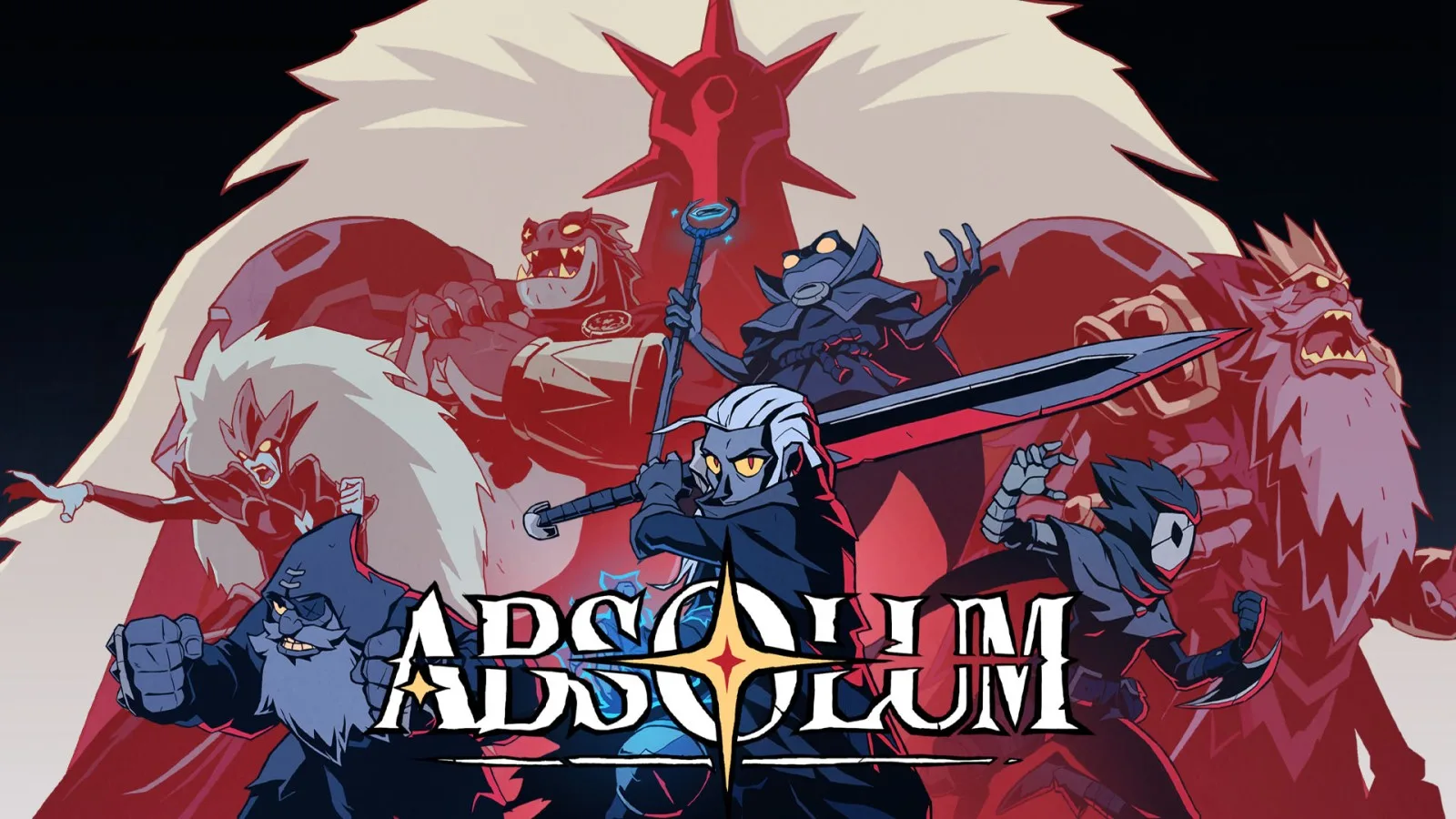

Absolum drops you into Talamh, a fractured fantasy world where magic has been criminalized following an apocalyptic disaster. As one of four rebel wizards fighting against Sun King Azra’s oppressive regime, you’ll die repeatedly, gather resources, and return stronger each time. This roguelite beat ’em up from the teams behind Streets of Rage 4 attempts something ambitious: marrying the immediate, skill-driven satisfaction of classic brawlers with the long-term progression hooks of run-based games.
The result showcases exceptional combat design while struggling to justify the structural choices holding it back. Developed by Dotemu, Guard Crush Games, and Supamonks, Absolum features hand-drawn 2D art recalling ’70s animated fantasy, complete with vibrant neon accents and autumnal color palettes.
Your journey through Talamh involves choosing branching paths, defeating bosses, collecting temporary power-ups called Rituals, and spending permanent currencies to unlock abilities that persist across deaths. It’s a formula that works brilliantly in games like Hades, but here the implementation reveals tensions that take hours to resolve.
Combat That Hits All The Right Notes
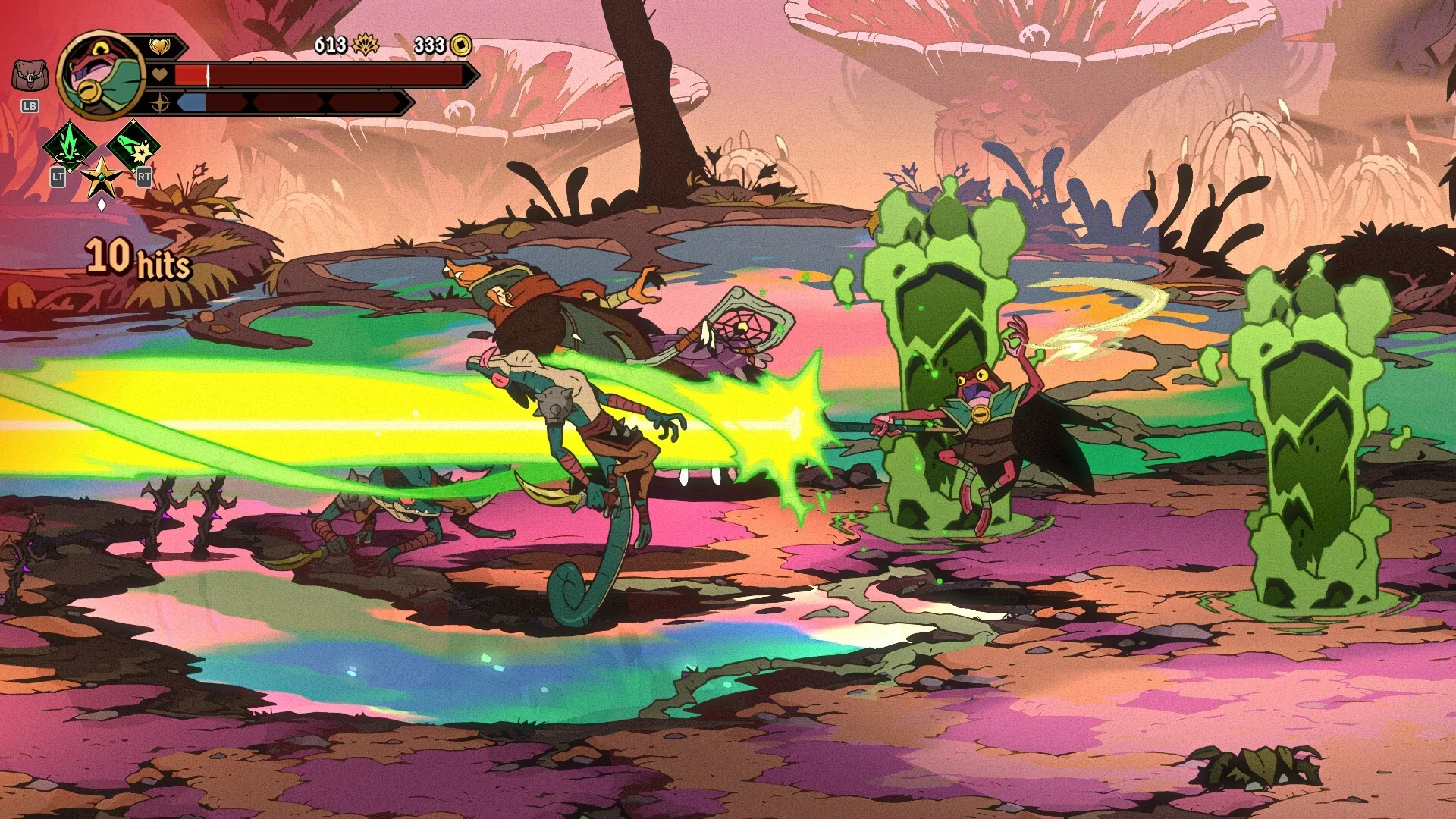
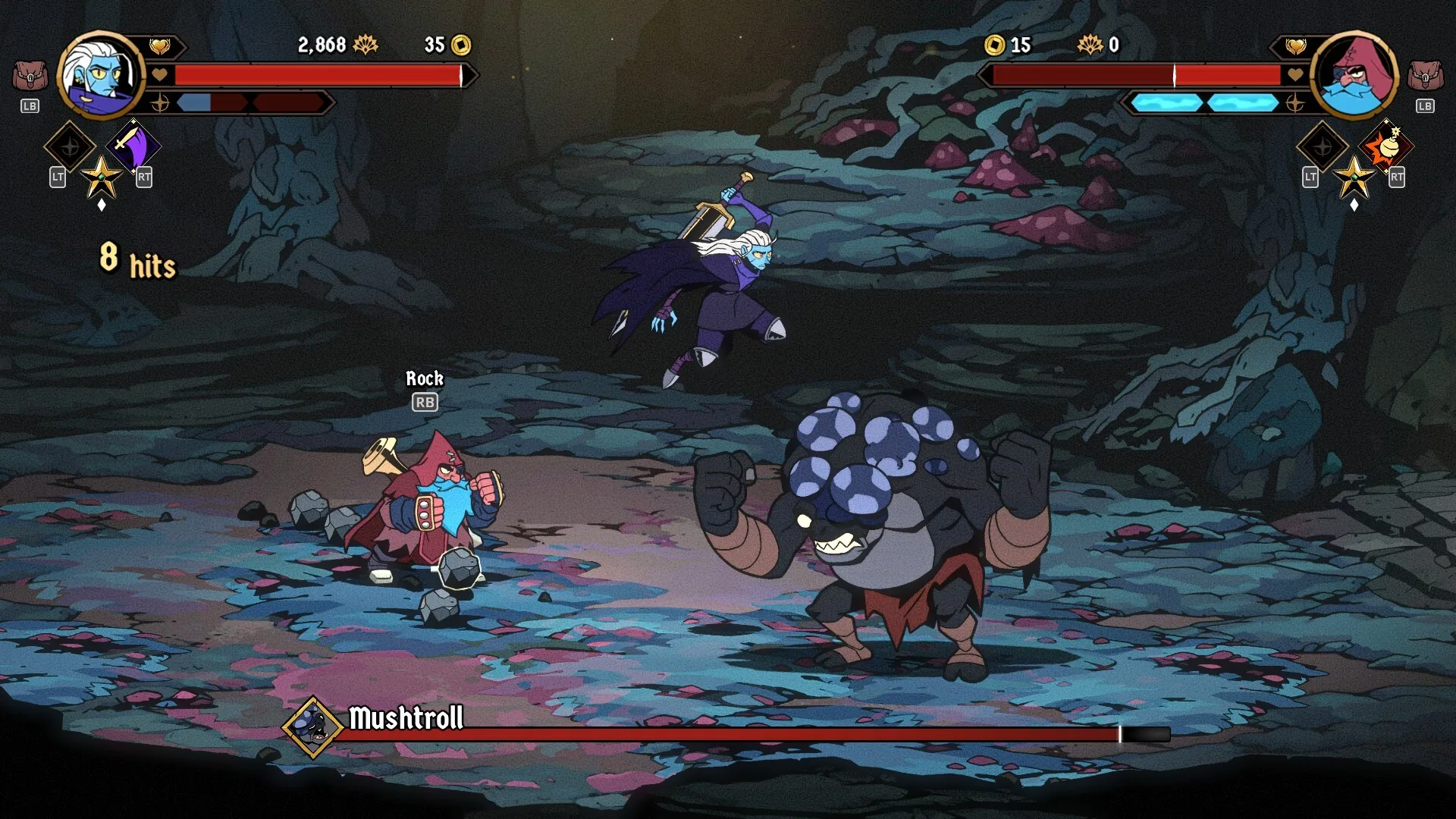
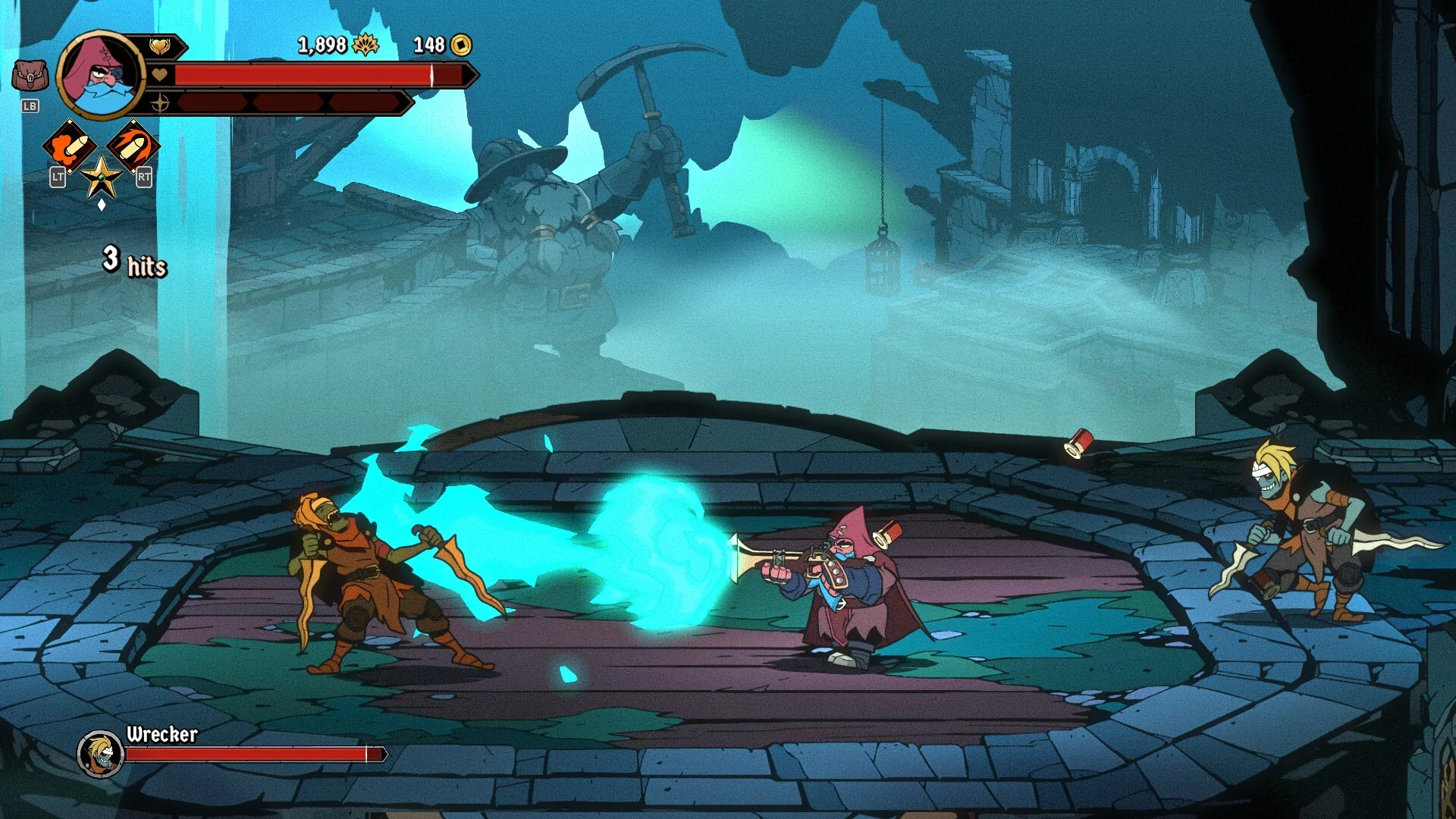
The fighting system represents Absolum’s greatest achievement. Every punch, kick, and weapon strike carries tangible weight through crisp audio feedback, controller rumble, and exaggerated visual effects. Enemies bounce off screen edges like pinballs, creating a tactile sense of impact that makes even simple encounters feel dynamic.
Two defensive systems define the combat rhythm. Deflecting requires dodging toward an attacking enemy at the precise moment their strike lands, repelling their assault and opening them for counterattacks. Clashing involves timing your own attack to connect simultaneously with an enemy’s, canceling their move and stunning them briefly. These mechanics have more generous timing windows than traditional fighting games, making them accessible while still requiring practice to master.
The combo system rewards variety over repetition. Stringing together different attack types, incorporating throws, and bouncing enemies between walls builds your combo meter faster than simply hammering the same buttons. Environmental objects like axes and grenades can be thrown mid-combo to extend chains, while rideable mounts offer both mobility and ranged attacks.
Four playable characters offer meaningfully different approaches. Galandra, the dark elf knight, swings a massive sword with powerful strikes. Karl, the dwarf brawler, compensates for shorter reach with a blunderbuss special attack. Cider, an agile thief with clockwork prosthetics, dashes around using her extendo-arm to pull herself toward enemies. Brome, the frog wizard, rides his staff like a hoverboard and specializes in aerial combos. You begin with only Galandra and Karl, unlocking the others through story progression.
Each character can equip six Arcana abilities that consume mana but recharge quickly enough to use liberally. The attention to animation detail elevates every exchange, with movements referencing classic action games while feeling satisfying to execute. For pure moment-to-moment fighting, Absolum stands among the best modern beat ’em ups.
The Roguelite Framework That Holds Everything Back
The combat excellence makes the roguelite structure’s shortcomings more frustrating. Between runs, you return to The Hearth, a hub where you spend crystals for permanent upgrades and Radiance (experience points) for unlocking new items and paths. These purchases are mandatory; the game is explicitly not designed for you to succeed on early attempts regardless of skill level.
This creates immediate tension. Beat ’em ups traditionally reward pure mechanical mastery. Absolum rejects this philosophy. Your early runs will end because your health pool is too small and your damage output too low, not because you made critical mistakes. Health pickups appear sparingly, and enemies hit hard enough that a few mistakes can doom an attempt.
Three power-up categories shape individual runs. Rituals are magical enhancements: fiery dash trails, electric bursts that chain between enemies, bubbles that trap foes, throwable daggers. These synergize in interesting ways. Trinkets offer passive benefits like damage reduction and speed increases, purchasable with gold and stackable for extreme builds. The third category, Inspirations, bothers me most. These are core combat moves that should be baseline: Galandra’s dive kick, her three-hit sword combo, Cider’s dash-through-enemies ability. Locking fundamental moveset elements behind temporary run upgrades means your character feels incomplete until you randomly acquire the right Inspiration.
The fixed map structure compounds these issues. Talamh doesn’t randomly generate. Routes, enemy placements, and secret chest positions remain consistent across runs. You’ll take the same path through the goblin-infested forest repeatedly, fight the same miniboss in the same arena, and discover the “secret” chest that’s always in that same corner. Learning optimal routes happens quickly, and you’ll likely follow that ideal path every subsequent run.
This repetition hits hardest in the first region, The Grandery. Early runs offer minimal path variety, forcing you through nearly identical sequences while you slowly accumulate enough currency for meaningful permanent upgrades. The game expects you to fail, die, and repeat for approximately eight hours before your character becomes strong enough to push meaningfully past early areas. The narrative meat between runs is sparse compared to Hades, so you’re left grinding primarily for mechanical progression.
Around the eight to ten hour mark, systems finally coalesce. Your stats reach thresholds where skill matters as much as numbers. You’ve unlocked enough map branches that runs feel varied. Ritual combinations create genuinely distinct builds. The question is whether the game earns that slog, whether the payoff justifies the repetitive buildup.
A World That Opens Slowly
Talamh is divided into distinct regions: The Grandery’s woodlands, Jaroba’s swamplands, Yeldrim’s mysterious mists, dwarven mines, pirate-infested seas. The visual design emphasizes the contrast between your rebel wizards’ natural magic and Sun King Azra’s industrial forces. Environments lean into autumnal aesthetics, creating an atmosphere that feels both melancholic and magical.
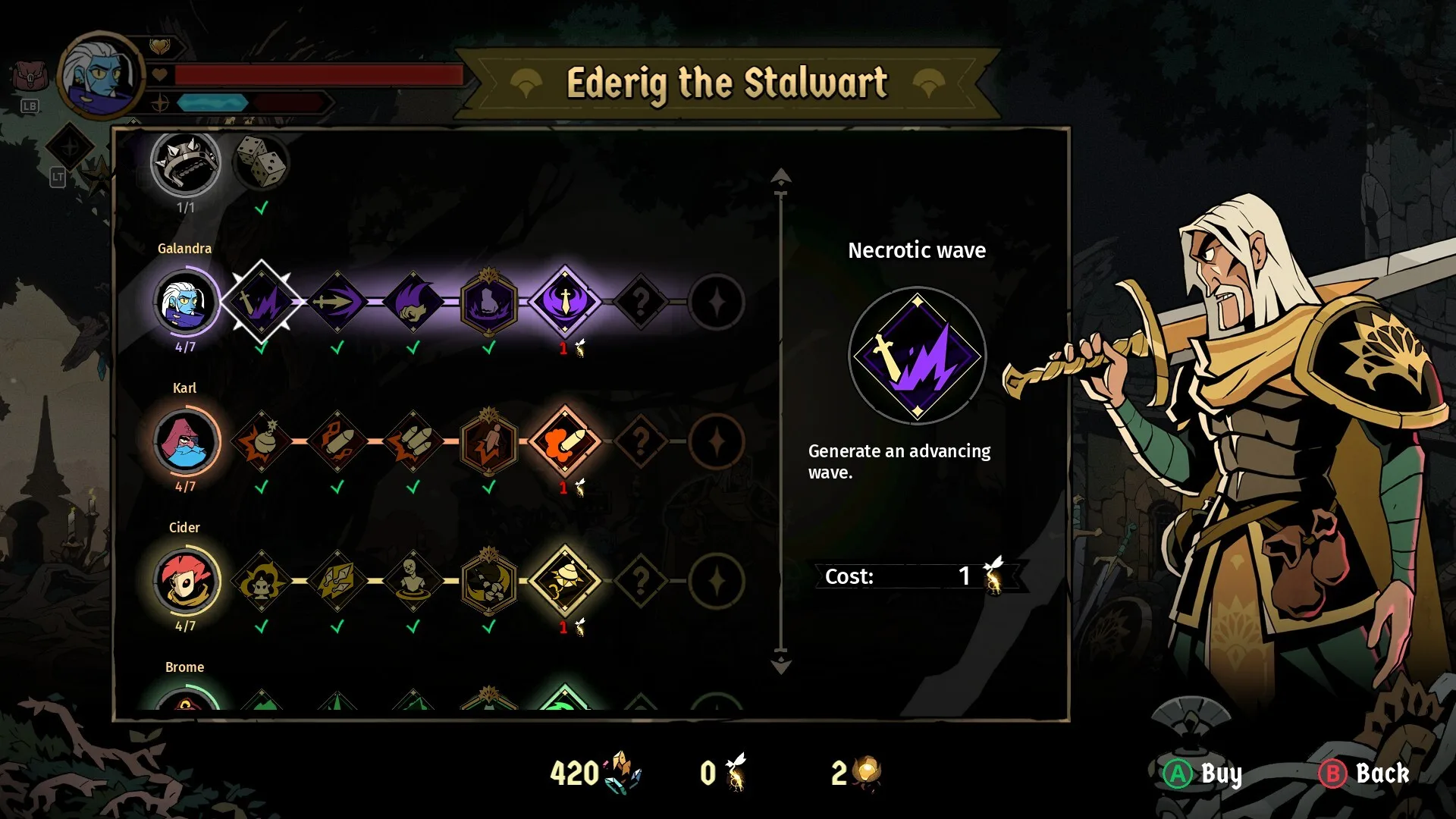
The map features branching paths at multiple scales. Major branches present either-or choices between entire regions. Minor branches offer route selections within stages. Side quests gradually reveal themselves through NPC conversations and environmental hints. Environmental interactions like throwing enemies into furnaces or building bridges require multiple runs to complete, rewarding persistence with new paths.
This structure creates meaningful discovery moments. Your fifth or tenth run might suddenly present an entirely new area. The problem is how long this takes. For the first several hours, before you’ve unlocked alternative routes and completed prerequisite quests, the path forward feels predetermined. Enemy variety within regions is solid, but the issue is frequency of repetition before the world opens up.
The third act feels rushed compared to earlier sections. Where The Grandery and Jaroba receive substantial development, later regions feel condensed. This pacing issue deprives the endgame of the epic scope it needs after a twenty-plus hour investment.
Visual And Sonic Identity
The art style uses bold, flat colors against detailed, shaded backgrounds, creating a picture-book aesthetic reminiscent of Dragon’s Lair. Simple character silhouettes remain readable during chaotic battles. Neon pinks and acid greens punctuate the autumnal palette. Character animations flow smoothly, and the frame rate holds steady at 60fps even during busy multiplayer battles.
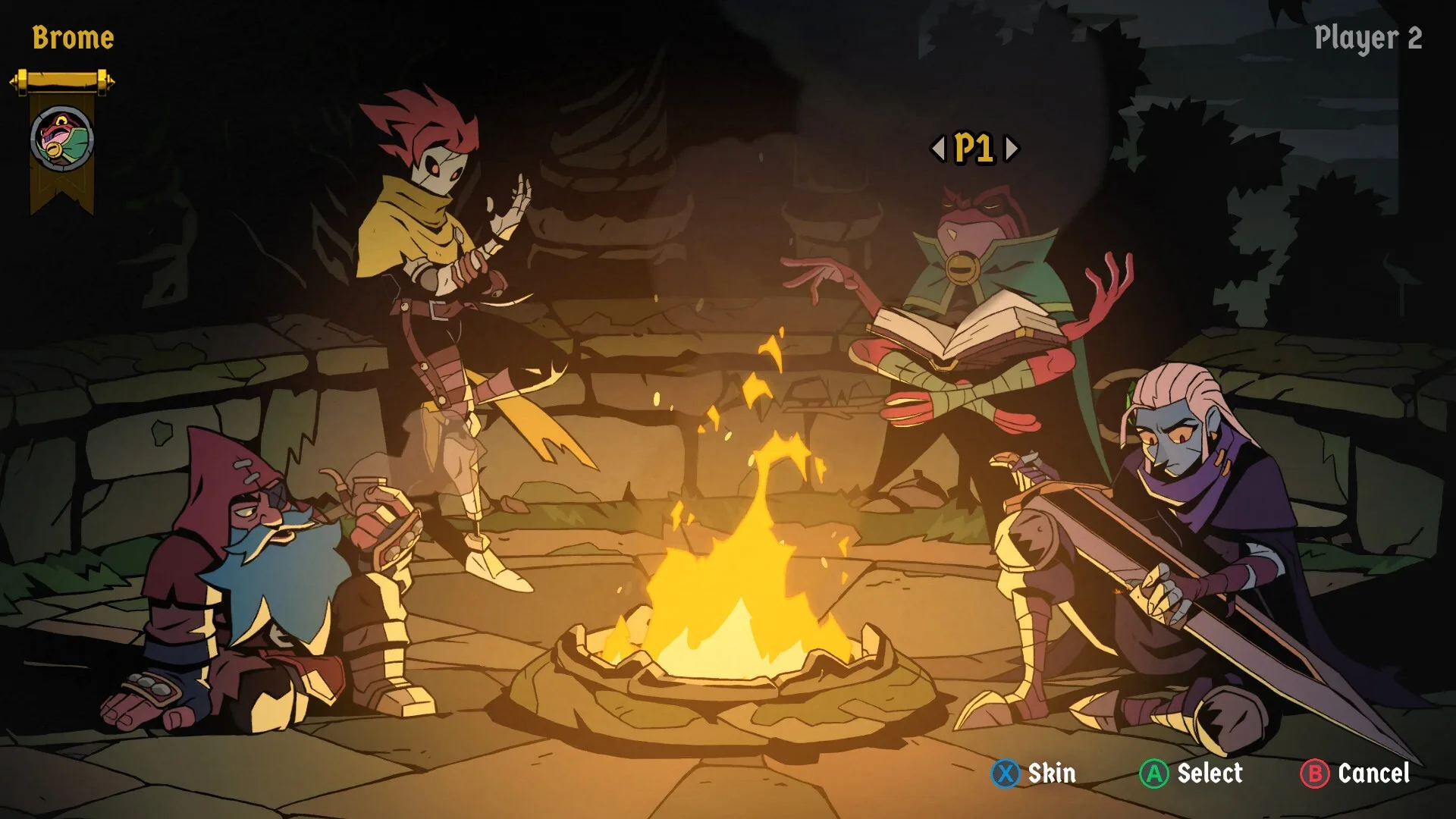
The musical score by Mick Gordon takes a medieval-inspired approach with flutes and English folk influences. The compositions are dynamic, swelling during boss encounters and receding during exploration. Combat sound design deserves particular praise. Every hit produces distinct audio: thwacks, thuds, slams that sync with visual effects and controller vibration to create a percussive rhythm.
Voice acting quality varies significantly. Some characters deliver performances that match the medieval fantasy tone effectively. Others sound jarringly modern, occasionally delivering lines with flat, contemporary delivery. The inconsistency is notable given the otherwise high production values.
Technical features include rollback netcode for online cooperative play and Assist Mode with adjustable difficulty sliders. This accessibility option lets players tune the experience without compromising the core challenge for those who want it.
Narrative Scaffolding That Takes Too Long To Pay Off
The story premise is straightforward: magic has been outlawed in Talamh, and Sun King Azra enforces this ban while hypocritically using magic himself. You play as rebel wizards revived after each death by Root Mother Uchawi. Narrative delivery follows the Hades model, unfolding through brief exchanges during gameplay and NPC conversations between runs.
Fantasy tropes dominate the worldbuilding: dwarves who dug too deep, elves with mythical lost homelands, societies where might makes right. These elements aren’t badly executed, but they lack distinctive voice. The game does eventually reach more interesting territory, exploring themes of freedom versus control and the inherent danger of forces humans don’t fully comprehend. This thematic depth emerges slowly. During the crucial early hours when the game needs to hook you despite repetitive gameplay, the story offers insufficient motivation to continue.
The four playable characters have distinct personalities expressed through combat voice lines and hub interactions. NPCs you meet can join your hub between runs, creating a growing community. The game requires multiple completions to see its full narrative scope, which assumes players will be sufficiently invested by that point to continue.
A Beautiful Game Wrestling With Its Own Structure
Absolum demonstrates exceptional craft in its core systems. The combat has weight, precision, and variety. The art direction creates a distinctive visual identity. Character diversity offers meaningful playstyle choices. Build customization allows creative problem-solving. When the game clicks around the eight to ten hour mark, it becomes genuinely compelling.
The roguelite framework undermines these strengths during the crucial early hours. Stat-gating content in a genre traditionally defined by skill expression feels wrong. Locking essential combat moves behind temporary run upgrades makes characters feel incomplete. The fixed map structure eliminates the variance that makes roguelikes endlessly replayable. These problems are front-loaded. If you can tolerate eight hours of repetitive grinding, the game opens up. For someone reviewing the game professionally, this payoff justifies the investment. For casual players who reasonably expect a game to be engaging from the first hours, the calculus changes.
The co-op experience mitigates some issues. Playing with a partner makes repetitive sections more tolerable. The game clearly considers multiplayer its primary mode; solo play feels lonelier even with AI mercenaries. Curiously, the game supports only two players when it demonstrably could handle more.
Absolum represents a successful evolution of the beat ’em up formula in many ways. It demonstrates that the genre can accommodate deeper progression systems and build variety. The question is whether this specific implementation serves the genre or fights against its strengths. This is a game that would be significantly better if it simply got on with it. Cut the required grinding in half. Make Inspirations permanent unlocks. Add more variance to the fixed map structure. The foundation is strong enough to support a leaner experience.
For beat ’em up enthusiasts willing to invest the time, Absolum rewards patience with excellent combat and satisfying build variety. For everyone else, whether this game justifies its slow start depends entirely on your tolerance for repetition before payoff. That uncertainty, that feeling that a better version of this game exists just beneath the surface, defines the experience more than any individual strength or weakness.
Absolum is a hand-drawn roguelite beat ’em up set in the dark fantasy world of Talamh, an original universe ravaged by a magical cataclysm. The game casts players as a group of outcast heroes—Galandra, Karl, Cider, and Brome—who must rise up to challenge the oppressive rule of the Sun King Azra, who has outlawed magic and enslaved its users. Fusing the classic arcade action of the beat ’em up genre with modern roguelite elements like permanent upgrades, branching pathways, and run-based progression, Absolum offers deep combat and high replayability. Developed by a collaboration of studios including Dotemu, Guard Crush Games, and Supamonks, and published by Dotemu and Gamirror Games, the game was released on October 9, 2025, for PC (Steam), PlayStation 4, PlayStation 5, and Nintendo Switch.
Full Credits
Director (Creative/Game Director): Jordi Asensio, Maxime Mary, Cyrille Lagarigue
Writers (Lead Writer/Narrative Designer): Jordi Asensio, Maxime Mary, Cyrille Lagarigue
Producers/Studio Leadership (Producers, Executive Producers, and Key Studio Heads): Cyrille Imbert, Julien Bagnol-Roy
Lead Voice Cast: Emily Barber, Trev Fleming, Samantha Béart, Dario Coates
Art Director/Lead Artist: Maxime Mary
Key Engineering/Technical Leads: Cyrille Lagarigue
Composer/Sound Director: Gareth Coker, Yuka Kitamura, Mick Gordon, Christophe Hogommat
Developer, Publisher: Developer: Dotemu, Guard Crush Games, Supamonks, Publisher: Dotemu, Gamirror Games
Release Date: October 9, 2025
The Review
Absolum
Absolum features some of the best modern beat 'em up combat—precise, tactile, and varied—elevated by stunning 2D art. However, the game's roguelite structure is fundamentally at odds with its skill-based core. Mandatory stat-gating and fixed, repetitive early runs require an excessive 8-10 hour grind before the character feels complete and the world opens up. It’s a beautiful, ambitious game that rewards immense patience but fights against its own strengths.
PROS
- High weight, precision, and variety in every punch and strike.
- Crisp audio, controller rumble, and exaggerated visuals enhance impact.
- Accessible but mastery-requiring Deflect and Clash systems.
- Four playable characters offer meaningfully different playstyles.
- Hand-drawn 2D art style reminiscent of '70s animated fantasy.
CONS
- Mandatory 8-10 hours of repetitive grinding due to stat-gating.
- Roguelite progression undermines the pure skill-based nature of the beat 'em up genre.
- Essential combat abilities (Inspirations) are locked behind temporary, run-based upgrades.
- Fixed map structure, especially in the early region, quickly eliminates replay variance.