

























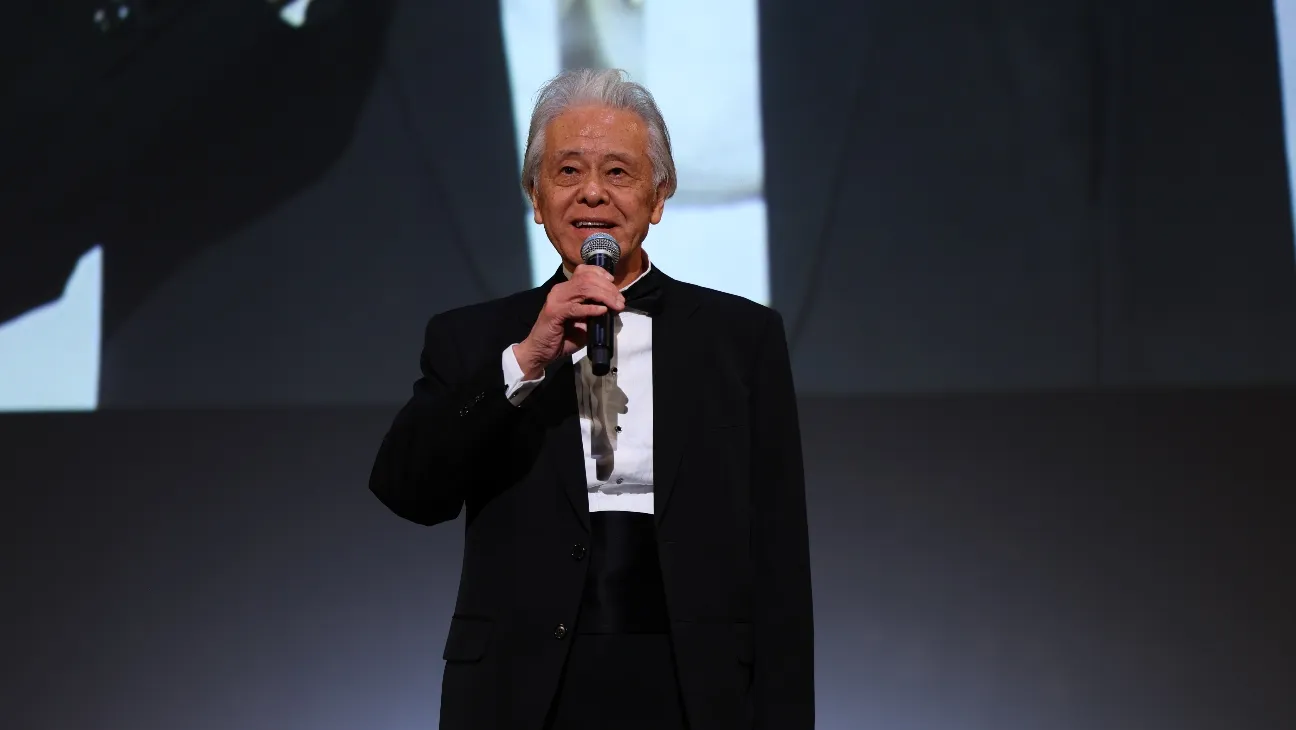

Japan’s Tokyo International Film Festival opened this week with chair Ando Hiroyasu outlining a pragmatic agenda built around regional exchange and industry access for women, positioning the event as a hub for collaboration across Asia while keeping a local focus on training the next generation. He reiterated three priorities first set out at the festival’s Oct. 1 press conference: expanding international ties, addressing gender disparity via dedicated programs, and strengthening talent development. The 38th edition runs Oct. 27–Nov. 5 in Tokyo’s Hibiya–Yurakucho–Marunouchi–Ginza districts.
The festival has brought back its Women’s Empowerment initiatives for a second year, adding talks and roundtables to screenings that spotlight stories by and about women. Related programming includes public conversations branded with industry partners and sessions featuring prominent Japanese and international artists. Organizers frame the effort as both audience-facing and practical, with the aim of forging networks that can outlast the festival window.
Ando, a former diplomat, has long pitched Tokyo as a bridge among film communities in East, Southeast, and South Asia, and between Asia and the West. The festival’s own materials describe that stance as central to its identity this year, and market-side events are structured to connect producers and sales outfits with emerging voices. The plan dovetails with a broader parity push referenced by the festival in recent seasons.
Beyond policy, the program signals respect for homegrown screen heritage. Veteran director Yamada Yoji is receiving the festival’s Lifetime Achievement Award, with organizers citing his decades of work and mentorship as a model for younger filmmakers. The award sits alongside a competition and sidebars curated to emphasize regional storytelling range, from intimate dramas to cross-border co-productions.
In comments reported this week, Ando linked the empowerment track to a wider strategy of building durable pipelines for women in key creative roles while keeping dialogue open among producers, financiers, and cultural bodies. Variety also noted his emphasis on Asian cinema as a growth engine for the event’s profile and partnerships, reflecting a continuity with messaging from the prior edition.