



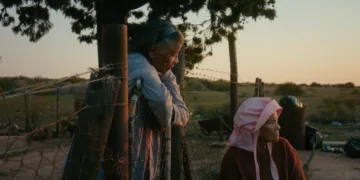



























Run arrives as a stark, dramatic thriller that marks a serious return for director Uwe Boll to hard-hitting social commentary. The film tackles the European immigration crisis and concentrates on the harsh impact it has on communities and individuals on both sides of the border. It aims to confront the viewer with a raw, uncomfortable depiction of that crisis, stripping away sentimental framing or simplified narratives in favor of direct, abrasive drama.
The story functions like a choral piece built around an ensemble cast and interconnected storylines. This multi-threaded structure underlines how widely the conflict spreads. The world we see is grim, populated by morally grey figures; police corruption, crime syndicates, and constant despair shape the environment.
A strong sense of place runs through the film. The action plays out in a seemingly idyllic seaside town whose surface charm erodes quickly under desperation and violence. The narrative is set along the coast of Italy, yet the production uses Croatian locations, which give the film a modern, naturalistic backdrop for the chaos that unfolds.
Interwoven Fates and Exploding Tension
Run treats its ensemble design as the engine of tension, pushing the audience to sit with several clashing perspectives at once. The film follows American transplants who operate a boat charter service, and their sense of entitlement collides sharply with the migrants’ desperation. The local boat owner, treated as a pillar of the business community, watches his life unravel, and this collapse culminates in his daughter’s reckless decision to harpoon a refugee during a hostage situation. That single act of misguided violence sets off a larger chain reaction.
Alongside this local breakdown, the film introduces Ana, a tourist played by Amanda Plummer, who stumbles into an ethical void. Her attempts to help place her inside the same corrupt systems everyone else endures, including a scene where she tries to bribe a police officer. The migrant subplot, focused on a pregnant woman and her brother, frames the extreme conditions that lead to desperate choices such as taking a hostage.
The script makes it clear that nearly every character is compromised. The boat owner, acting in tragic error, launches an attack on the refugee camp, and this act shows how despair turns into criminal, retaliatory violence. The pacing works as a slow burn that builds a palpable sense of exasperation and dread. This deliberate rhythm intensifies through the second and third acts, until the tension breaks loose in a chaotic, violent sequence that becomes the film’s “point of no return.”
Cinematic Realism and Technical Limitations
Boll returns to an action-thriller mode focused on social breakdown, echoing earlier work such as Darfur. Within that lane, Run stands out as one of his stronger recent efforts at generating serious dramatic weight. Its independent status is visible on screen. The lower budget shows in places; the cinematography usually gets the job done, yet some moments look rough. The film trades technical polish for visceral impact, a choice that reinforces its preference for a raw realism.
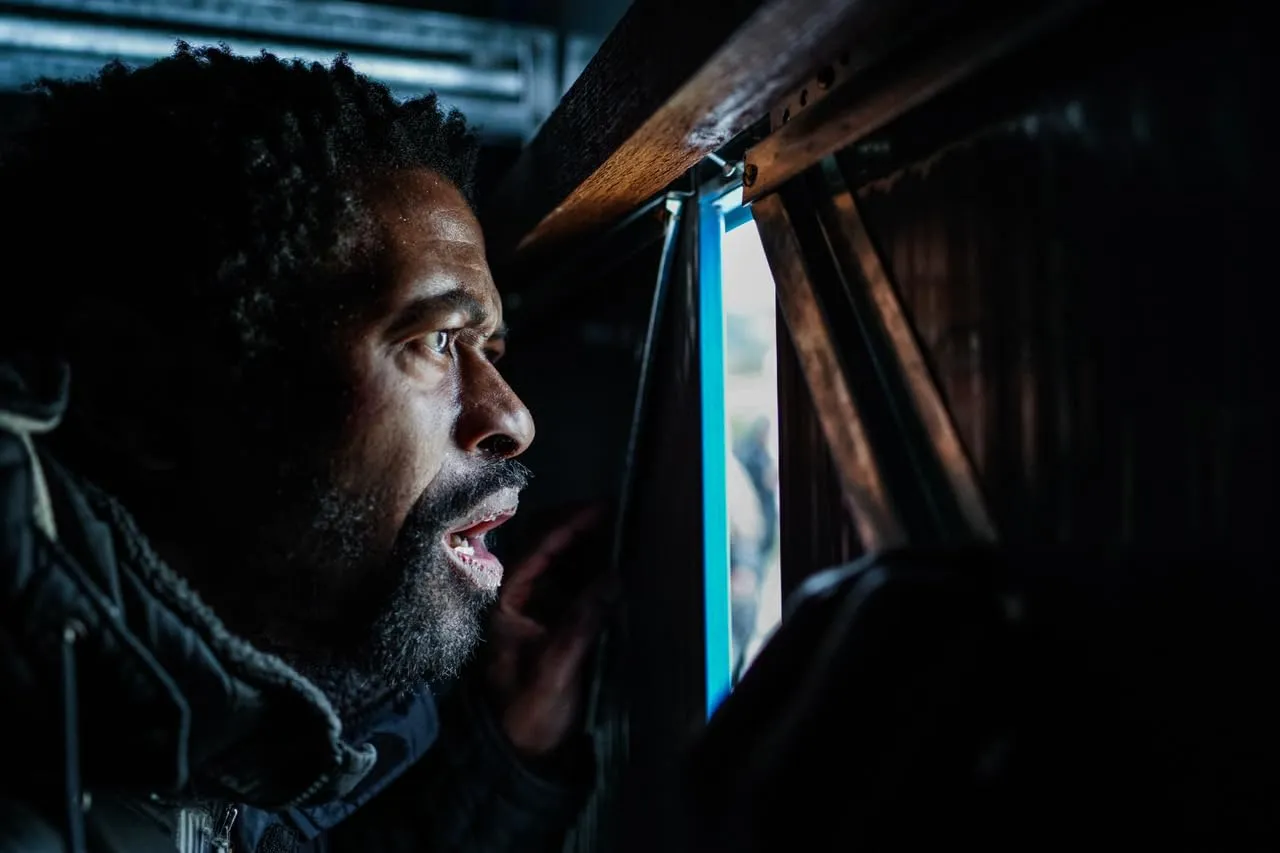
The staging of action scenes comes with mixed results. Many early and mid-film sequences suffer from issues like awkward takes, missing close-ups, or weak framing. The production holds back much of its energy for the final stretch. The third act presents a long, explosive action passage that follows the attack on the refugee camp.
This passage stands out for its carefully arranged chaos. The film uses practical effects, including setting real stunt performers on fire, and that choice gives the images a direct physical force that digital effects would lack. The director also rejects the stereotypical sun-drenched “postcard Italy” look and leans into a modern, naturalistic setting that places the drama in a more immediate, contemporary frame.
Acting as Moral Anchor
The film relies on a strong ensemble that includes Amanda Plummer, James Russo, and Ulrich Thomsen. Their presence stabilizes the story’s grim tone. Amanda Plummer plays Ana as a lost tourist whose attempts at ethical intervention only expose deep corruption and helplessness.
James Russo conveys the hardened boat charter owner whose slide into reckless, retaliatory violence becomes a central tragic thread in the local response. Daniel Sauli and Ulrich Thomsen add further weight in supporting roles, giving shape to the community’s morally grey character.
The acting quality remains acceptable and serviceable, yet several performances stand out enough to give the drama real force. The cast communicates the moral ambiguity and desperation that define these lives. They give the narrative a sense of reality and conflict and highlight a tragedy with no clear heroic figures. The film’s emotional impact grows directly out of their commitment to sustaining this harsh, uncomfortable tension.
Run (2025) is a dramatic thriller film directed and written by Uwe Boll. The movie centers on the European migrant crisis, depicting a day in an Italian coastal town that regularly sees the arrival of refugees. The narrative is a multi-perspective ensemble piece that follows the individual fates of the migrants hiding from police and the local residents and tourists who become entangled in the escalating events, which ultimately erupt into a violent and brutal escalation. The film premiered at the Obscura Film Festival on October 17, 2025, and received a digital release in the United States on November 14, 2025, through Quiver Distribution, making it accessible on various digital platforms and streaming services.
The Review
Run
The film is an emotionally taxing, if uneven, dramatic thriller that succeeds by refusing to offer easy answers to the immigration crisis. Its relentless focus on morally grey characters and escalating despair distinguishes it from genre peers. Though the budget shows in places, the ensemble cast is strong and the uncompromising climax delivers a visceral punch that is truly effective. This is a difficult, necessary watch.
PROS
- Unflinching, raw depiction of the crisis
- Effective slow-burn pacing to the climax
- Strong ensemble cast, particularly Amanda Plummer
- Impressive, practical effects in the final sequence
CONS
- Uneven technical quality/rough visuals
- Early and mid-film action staging is flawed
- Moral ambiguity can feel heavy-handed
- Budget constraints are frequently visible