




























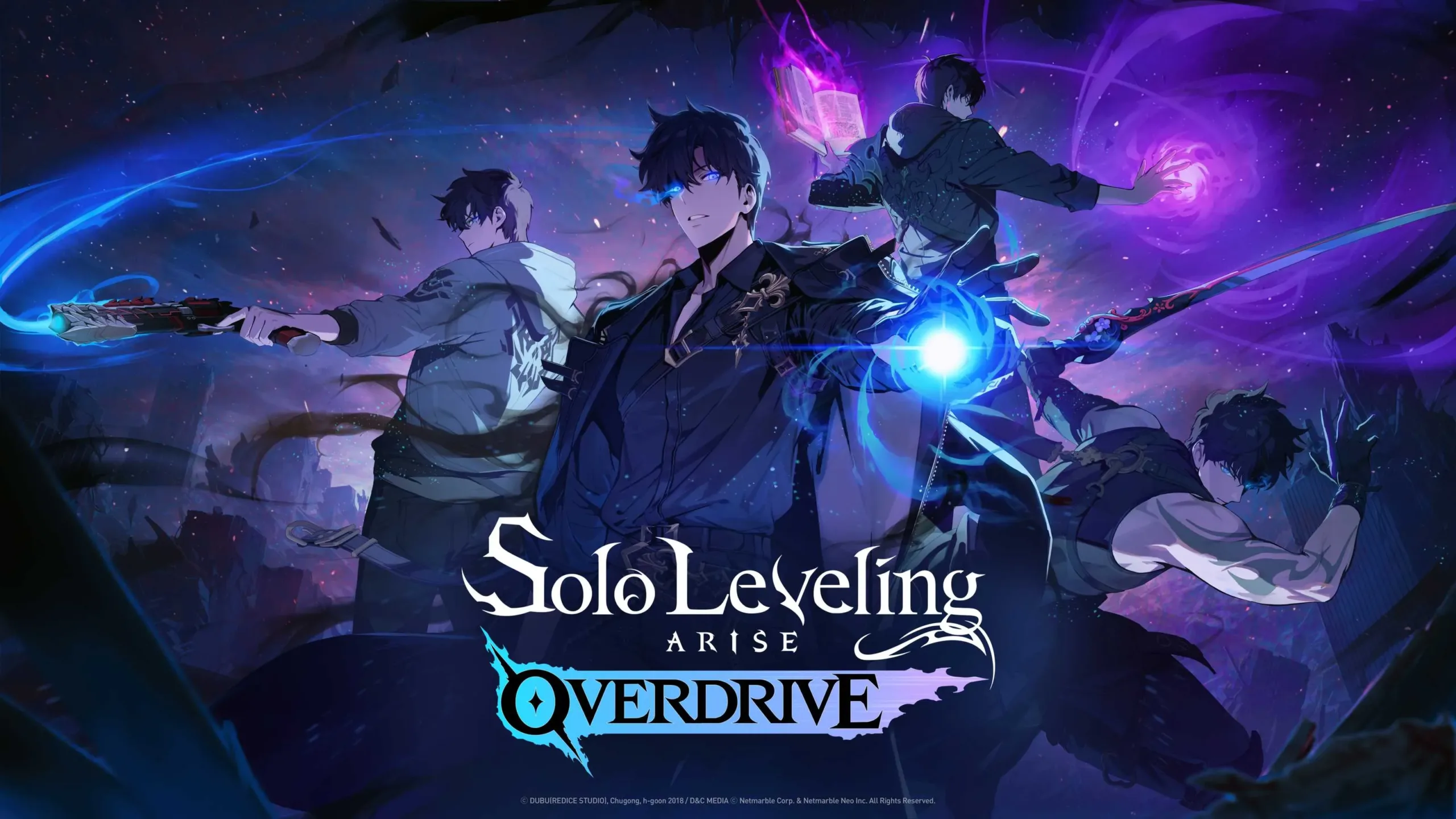

Solo Leveling: ARISE OVERDRIVE arrives from Netmarble as an action role-playing game that adapts the Korean webtoon and anime into playable form. The release marks a clear change in direction from the mobile ARISE iteration.
The developer removed gacha monetization and reoriented the design toward a premium, single-player action experience. The game centers on a power fantasy that places players in the driver’s seat of Sung Jinwoo’s rise, tracing his shift from the weakest Hunter to the Shadow Monarch. For all the structural choices and narrative shortcuts, the immediate appeal remains the combat: chaotic, fast, and emotionally direct.
Fragmentation and Fidelity: The Narrative Dilemma
Narrative progression matters in a story-first ARPG, and ARISE OVERDRIVE exposes tension between condensation and faithfulness. The campaign functions as a compressed retelling of Jinwoo’s main arcs, ending at the Demon Castle clash with Baran. Some sequences that fans expect are missing at launch, including the Jeju Island arc.
That absence changes the pacing profile. The game often moves quickly through high-tension moments that carried extended emotional weight in the source material, and the compression reduces the space for beats to land.
The game pairs cinematic cutscenes with static webtoon panels lifted from the original. This choice keeps the adaptation closely tied to the source and rewards players familiar with the story. Newcomers face a different experience. The plot sometimes assumes prior knowledge, which leads to thinly sketched context for key motivations.
An example is the emotional framing around Jinwoo’s drive to protect his mother, which receives limited development in places. At the same time, Netmarble inserts new exclusive scenes that give additional texture to secondary characters and world details, offering returning fans material they have not seen before.
The Choreography of Power: Combat Design
Interactive design is the game’s strongest language for storytelling. Combat translates Jinwoo’s escalation into inputs and feedback. Encounters move at speed, with a visceral sense of force behind each ability. The set of active skills can feel narrow at first, but systems layered on top create a substantial strategic surface.

The defensive mechanics reward execution. Successfully timed evades, named Extreme Evasion, and effective parries open windows for heavy counters. That emphasis on timing shifts the player’s attention from raw spamming to controlled engagement. An Elemental System further shapes decisions. Chaining effects such as Scorch, Cold Ice, or Erode produces Chain outcomes that inflict Chaos and Overwhelm damage, which pushes players to plan attack sequences rather than rely on sheer aggression.
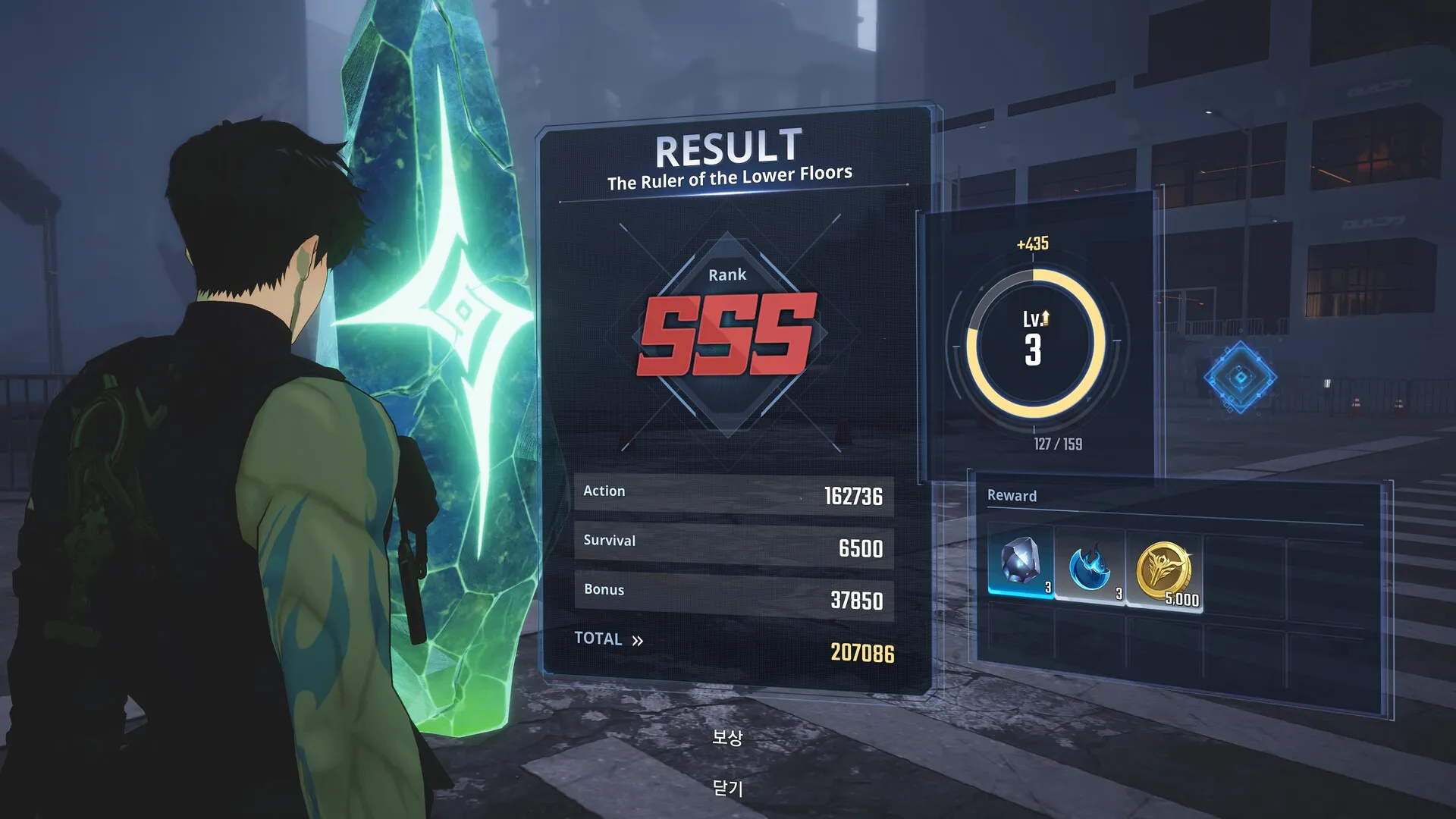
The Monarch’s Awakening delivers a clear mechanical and narrative payoff. The temporary transformation grants altered skills and attacks that emphasize the core power fantasy, and the verbal command “Arise” integrates the Shadow Army ability into combat flow. Mission grading at the SSS level reinforces the theme of mastery.
By rewarding minimal damage taken and long combos, the grading system aligns player performance with the character’s mythic dominance. Outside the main playable lead, the Hunter System lets players recruit other characters for side content. Each Hunter carries a distinct weapon and skill set and contributes synergy options that diversify combat approaches.
Defining the Hunter: Customization and Growth
Progression design gives players control over how Jinwoo develops. Four Class Archetypes—Assassin, Duelist, Elementalist, and Ruler—function as broad frameworks rather than strict limits. The system allows mixing abilities from twelve skill trees to assemble custom builds, which creates an experimental space that echoes design approaches in certain classic action RPGs.

Stat Investment introduces mechanical consequences for choices. The five core stats (Strength, Agility, Intelligence, Perception) provide secondary, gameplay-tied benefits in addition to raw increases. One concrete interaction is Agility expanding the window for Extreme Evasion, which ties character build decisions to player skill. Weapon and Gear Systems extend customization. Seven weapon types each include unique skills and elemental tendencies.
Crafting and upgrades use field-gathered materials. When a crafted item matches a recognizable weapon from the webtoon, the moment feels earned. The main narrative remains accessible without exhausting grind, but the endgame emphasizes continued pursuit of top-tier equipment, fully developed skill trees, and enhancements to the Shadow Army. That structure turns progression into a skill-driven cycle rather than simple number accumulation.
The Quest Loop: Monotony and Connectivity
The map architecture centers on linear task missions launched from the Hunter HQ hub. This structure concentrates attention on action encounters, but it produces repetition. Missions typically run as directed Point A to Point B objectives that emphasize mob waves over exploration, and reused environments and enemy palettes heighten the sense of sameness.
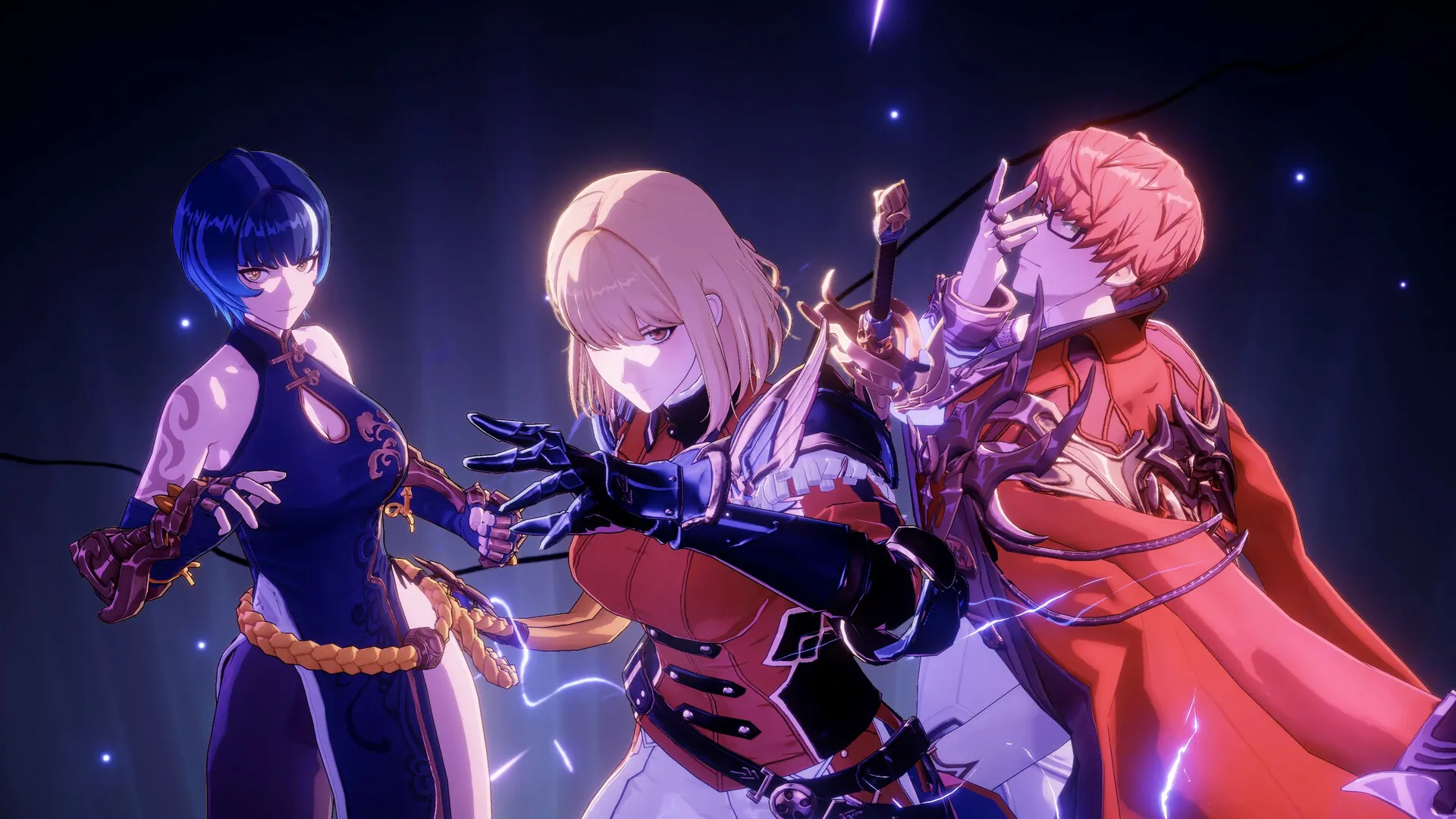
To vary the rhythm, the game layers side content as the campaign advances, including Instance Dungeons, Gates, and Encore Missions. These modes are the primary arenas to deploy the wider Hunter roster. For group-focused players, a four-player co-op raid supplies coordinated challenges and greater replay value.
The launch revealed a structural problem: the game enforces a permanent online requirement for all play. That always-online design produced connection interruptions and halted progress for players. In response to the backlash, Netmarble has committed to an offline mode to address single-player expectations.
A Visual Spectacle Undermined by Instability
Visually, the title achieves a strong read of the source artwork. The cel-inspired art direction combines anime flourishes with ARPG detail, and the palette favors blues and purples that match the webtoon’s tone. Combat animations, particle work, and the Monarch’s Awakening visuals create cinematic moments that support the power fantasy.
Technical instability undercuts those strengths. Core combat frequently runs smoothly, yet cutscenes suffer from dropped or inconsistent frame rates. Audio elements sometimes miss alignment, with dialogue and effects appearing out of sync. Worse, a set of severe bugs interrupts play: menu lock-ups, input unresponsiveness, and progress-stalling errors.
Those failures break the emotional flow that the design aims to build. The soundscape remains a high point. Hit effects land with impact, the music is high-energy and dramatic, and the anime cast’s voice work adds authenticity. When the technical problems permit, those audio and visual details sustain the intended atmosphere.
The Review
Solo Leveling: ARISE OVERDRIVE
The game delivers a fantastic power fantasy through its deep, explosive combat and flexible progression. The visual fidelity and sound design are excellent for fans. However, the experience is significantly dampened by a rushed, fragmented narrative and severe technical instability in cutscenes and menus. It is an ambitious ARPG with a strong core, but it requires substantial post-launch optimization to fulfill its potential.
PROS
- Mechanics reward skill (Extreme Evasion, parry counters, SSS grading).
- Highly customizable builds via stat points, class archetypes, and multiple skill trees.
- Excellent cel-shaded graphics and authentic anime voice acting.
- Focuses on a premium, full single-player experience.
- Co-op raids, Hunter system, and deep endgame gear grind.
CONS
- Choppy cutscenes, missing audio, frequent glitches, and input issues.
- Story is rushed and incomplete (missing Jeju Island arc), alienating
- Dungeons are monotonous, Point A to Point B designs with minimal exploration.
- Mandatory Online Connection at launch caused stability problems.
- Storytelling method (webtoon panels) diminishes emotional impact of key scenes.