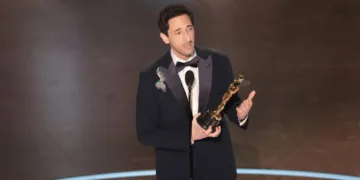


















Adrien Brody says he has yet to accept a new acting job since his Oscar-winning turn in The Brutalist, describing the experience of making Brady Corbet’s four-hour epic as so grueling that he needed time to protect his health and reset his relationship with work.
Speaking at the Red Sea Film Festival in Jeddah, Brody described the 23-day shoot as one that left cast and crew “very depleted” and explained that he shuts down his personal life during productions, avoiding social time with colleagues when he has heavy emotional scenes ahead. He said he relies on his own techniques to create space for the work, stressing that actors are not machines and must still deliver even on days when distractions or stress crowd in.
Brody’s comments build on a theme he has returned to across this awards season: self-preservation. He has spoken about the toll of past projects, including his drastic preparation for The Pianist, and how he now tries to avoid the kind of self-punishment that followed his first Oscar. He framed his approach on The Brutalist as intense but healthier, even if the role of László Tóth still lingers.
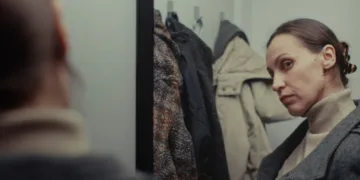
In Corbet’s film, Brody plays a Hungarian-Jewish architect and Holocaust survivor who emigrates to the United States after the war, only to collide with American power, patronage and prejudice over several decades. The performance earned him a second Best Actor Oscar and helped turn the film into a key awards-season title with multiple nominations across directing, editing and design categories.
The movie has also sat at the center of an industry fight over artificial intelligence. The editor revealed that AI-based tools were used to refine Hungarian-language dialogue for Brody and co-star Felicity Jones, prompting questions from critics about authenticity and the erosion of human craft. Director Brady Corbet and his editor argued that the software only tidied pronunciation and timing while preserving the actors’ work, and filmmakers such as David Cronenberg have dismissed the backlash as part of an awards-season smear campaign.
Addressing the spread of AI during his festival talk, Brody said new tools can help filmmakers but insisted that no technology can substitute for genuine feeling. He urged audiences and artists to “cherish” the creative process, while making clear that his own focus remains on the emotional truth he can bring to characters, whenever he is ready to step in front of the camera again.